Back to
album
album
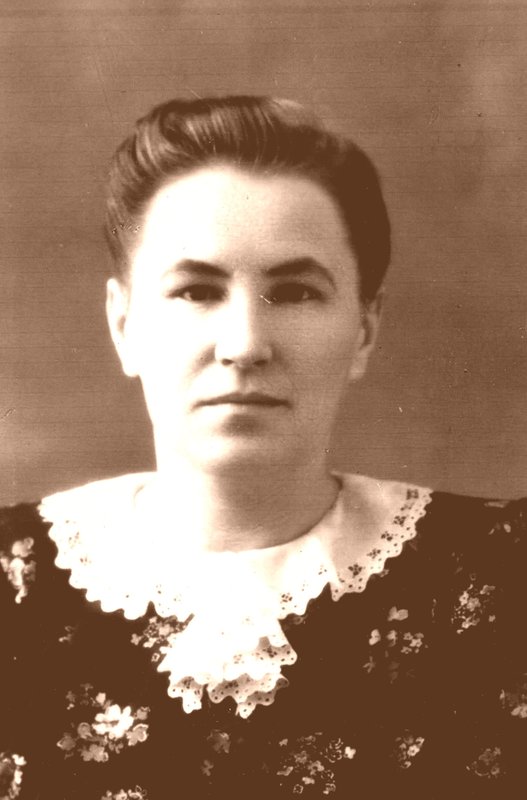
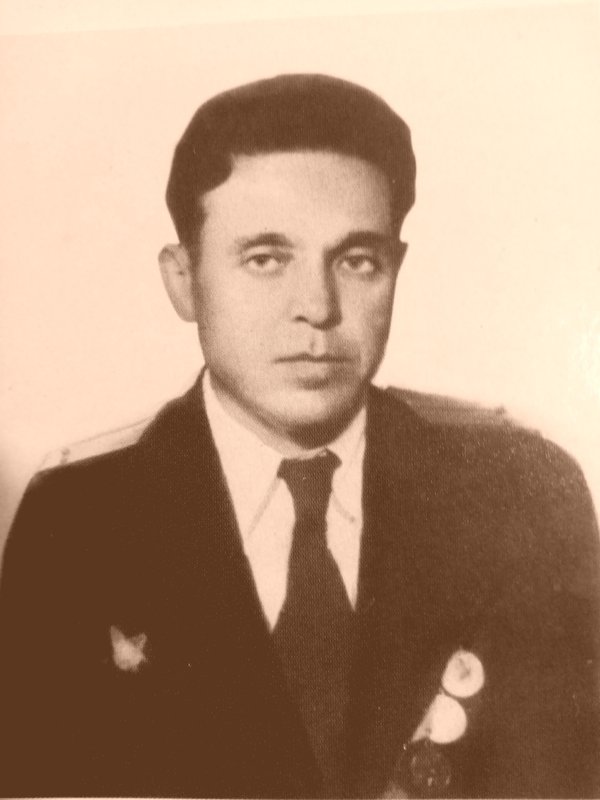
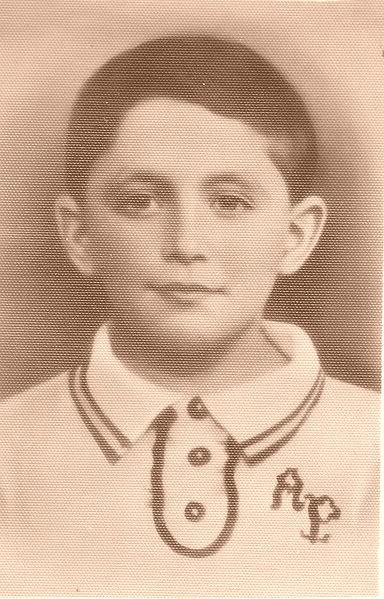
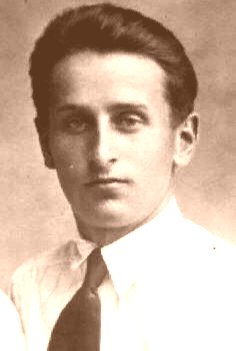
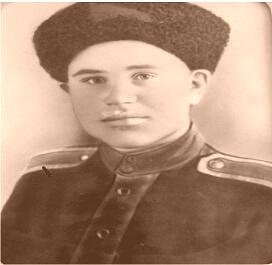
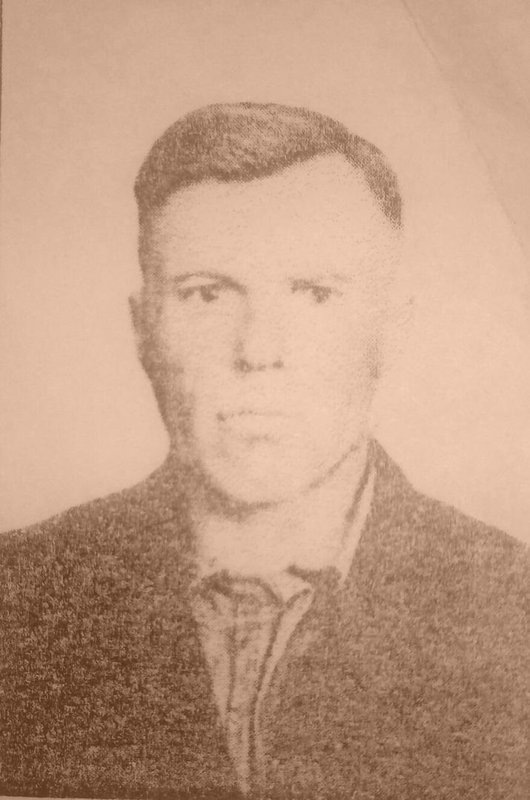
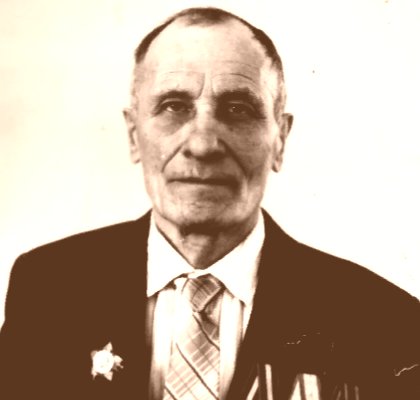
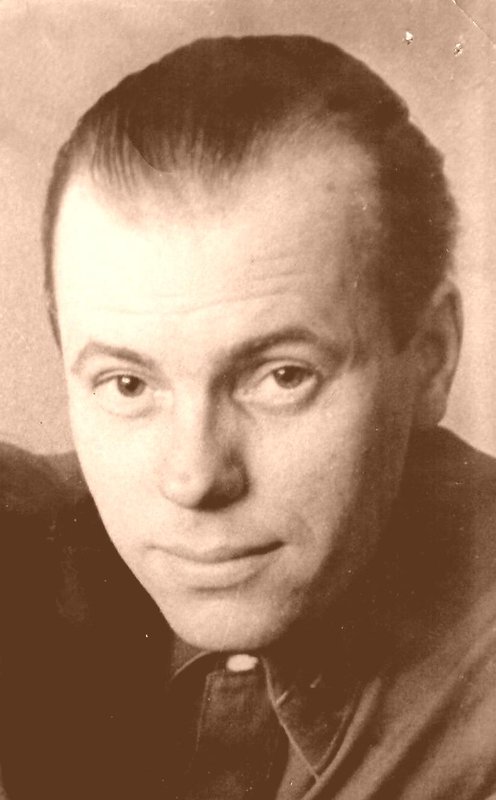
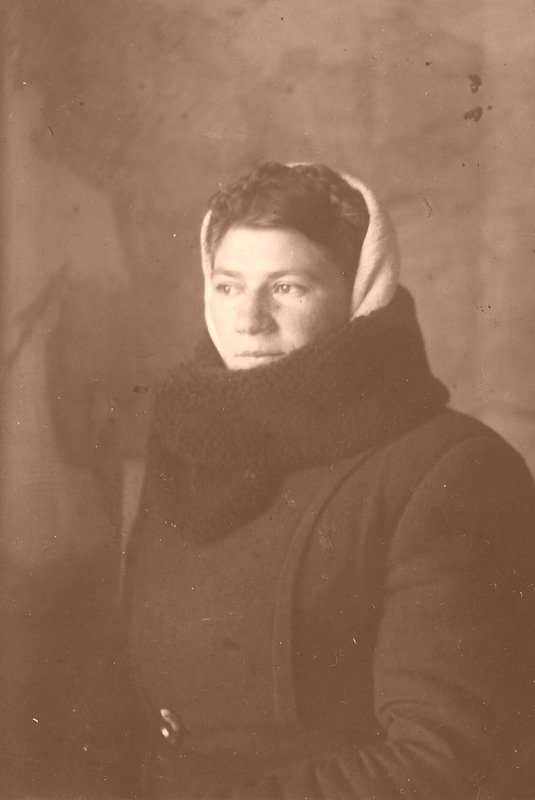
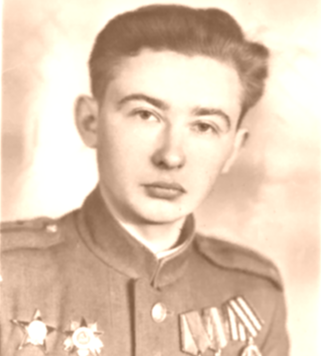
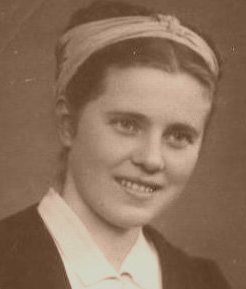
Vasiliy Emelyanovich Patrakov
Full name: Vasiliy Emelyanovich Patrakov _x000D_
PATRONYMIC: Yemelyanovich CITY: d. Navolok, Kichmengsko-Gorodetsky district, Vologda region _x000D_
DATE of BIRTH: 03.03.1915 _x000D_
DATE of DEATH: 05.01.1980 _x000D_
_x000D_
HISTORY: Vasily Emelyanovich was born on March 3, 1915 in a simple peasant family. In the first year of the war he worked as a tractor Kichmengsko-Gorodetsky MTS. Plowed collective farm fields. Tractor drivers were given a reservation in 1941, because they had to grow bread. But in June 1942, he was drafted into the active Red Army. He took the oath of office on July 7, 1942 with the 282nd reserve rifle regiment. He fought first as a mortar man in the 15th motorized rifle brigade, and then (from July 1943) as a commander of the 34th gun and artillery brigade's mortar squad. The mortars were of caliber of 82 and 102 mm. From July 17, 1942 to February 2, 1943, he participated in the battle of Stalingrad. For more than three months, soldiers marched to the Stalingrad front in huge columns around the clock, and no units returned. Military equipment was delivered in trains that went through 800 meters from each other in a continuous stream. From the memoirs of Vasily Yemelyanovich of the case when he managed to shoot down a German heavy bomber plane from a mortar. "It certainly flew slowly, because it was loaded with bombs to bomb Soviet cities. But still, it is difficult to shoot down a plane from a mortar when it is in the sky, where there are no landmarks. I did." Once he survived by a miracle, when a fascist tank drove over his legs. The only thing that saved me was that I was lying in a field, in a fairly deep furrow. After this injury, he lay in the hospital, then returned to the ranks, but continued to fight as a sanitary instructor, pulling wounded soldiers and officers from the battlefield. For selflessness and courage in the battles with the German invaders, he was awarded the order of the Red Star. From the award list, signed by the commander of the 1620 light artillery regiment, guards Lieutenant Colonel Shmantsar:".... November 7, 1843 in the battle in the area of d. Urycha, when two battalions of German infantry under the cover of tanks attacked the division's firing positions, exposing them to fierce mortar and artillery fire, tov. Patrakov, despising the danger, selflessly provided assistance to wounded soldiers and officers. Being himself wounded, he refused to leave the battlefield and, continuing his work, bleeding himself, carried 12 people with their weapons to safety. It was only when the sweat of his blood left him that he allowed himself to be carried away." There was a case when he saved a seriously wounded General, pulling him from the battlefield, was presented with the title of Hero of the Soviet Union, but in the heat of battle, this idea was lost somewhere... He was discharged on September 25, 1945, returned to his native village of Navolok and began to build a peaceful life. He worked on the collective farm "Builder of communism" as an ordinary collective farmer, married a girl from his own village. They had eight children, two died at an early age, and six were raised.
Vasiliy Emelyanovich Patrakov
Full name: Vasiliy Emelyanovich Patrakov _x000D_
PATRONYMIC: Yemelyanovich CITY: d. Navolok, Kichmengsko-Gorodetsky district, Vologda region _x000D_
DATE of BIRTH: 03.03.1915 _x000D_
DATE of DEATH: 05.01.1980 _x000D_
_x000D_
HISTORY: Vasily Emelyanovich was born on March 3, 1915 in a simple peasant family. In the first year of the war he worked as a tractor Kichmengsko-Gorodetsky MTS. Plowed collective farm fields. Tractor drivers were given a reservation in 1941, because they had to grow bread. But in June 1942, he was drafted into the active Red Army. He took the oath of office on July 7, 1942 with the 282nd reserve rifle regiment. He fought first as a mortar man in the 15th motorized rifle brigade, and then (from July 1943) as a commander of the 34th gun and artillery brigade's mortar squad. The mortars were of caliber of 82 and 102 mm. From July 17, 1942 to February 2, 1943, he participated in the battle of Stalingrad. For more than three months, soldiers marched to the Stalingrad front in huge columns around the clock, and no units returned. Military equipment was delivered in trains that went through 800 meters from each other in a continuous stream. From the memoirs of Vasily Yemelyanovich of the case when he managed to shoot down a German heavy bomber plane from a mortar. "It certainly flew slowly, because it was loaded with bombs to bomb Soviet cities. But still, it is difficult to shoot down a plane from a mortar when it is in the sky, where there are no landmarks. I did." Once he survived by a miracle, when a fascist tank drove over his legs. The only thing that saved me was that I was lying in a field, in a fairly deep furrow. After this injury, he lay in the hospital, then returned to the ranks, but continued to fight as a sanitary instructor, pulling wounded soldiers and officers from the battlefield. For selflessness and courage in the battles with the German invaders, he was awarded the order of the Red Star. From the award list, signed by the commander of the 1620 light artillery regiment, guards Lieutenant Colonel Shmantsar:".... November 7, 1843 in the battle in the area of d. Urycha, when two battalions of German infantry under the cover of tanks attacked the division's firing positions, exposing them to fierce mortar and artillery fire, tov. Patrakov, despising the danger, selflessly provided assistance to wounded soldiers and officers. Being himself wounded, he refused to leave the battlefield and, continuing his work, bleeding himself, carried 12 people with their weapons to safety. It was only when the sweat of his blood left him that he allowed himself to be carried away." There was a case when he saved a seriously wounded General, pulling him from the battlefield, was presented with the title of Hero of the Soviet Union, but in the heat of battle, this idea was lost somewhere... He was discharged on September 25, 1945, returned to his native village of Navolok and began to build a peaceful life. He worked on the collective farm "Builder of communism" as an ordinary collective farmer, married a girl from his own village. They had eight children, two died at an early age, and six were raised.
0 comment



2026 © Russian Military Historical Society Developed by Jetmix