Back to
album
album
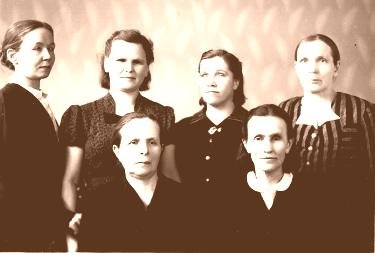
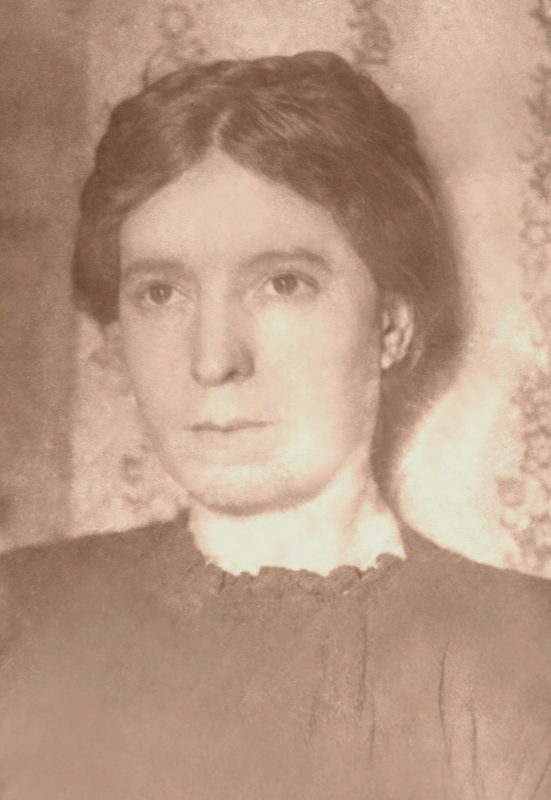
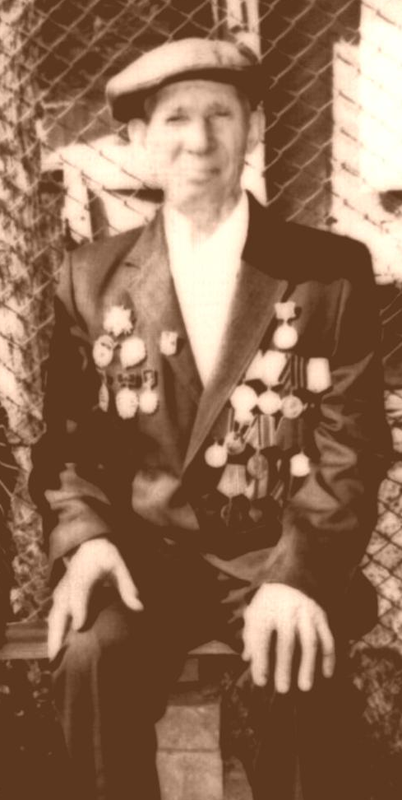
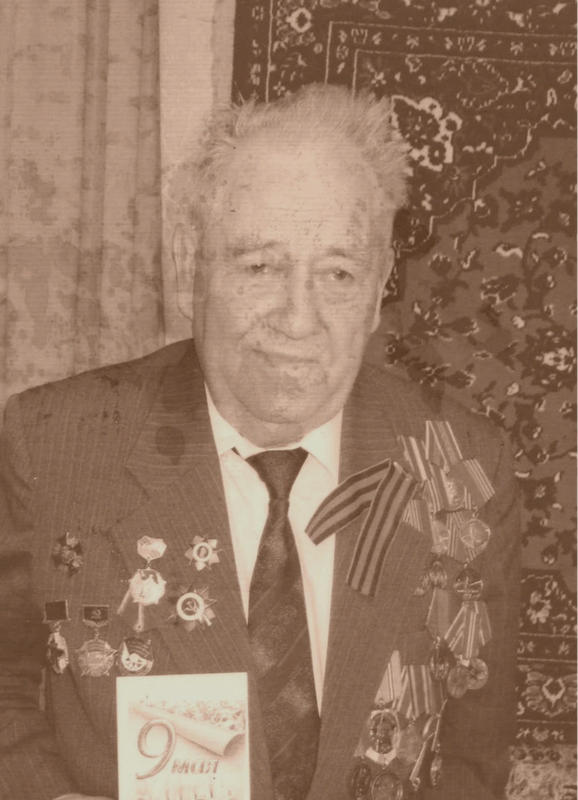
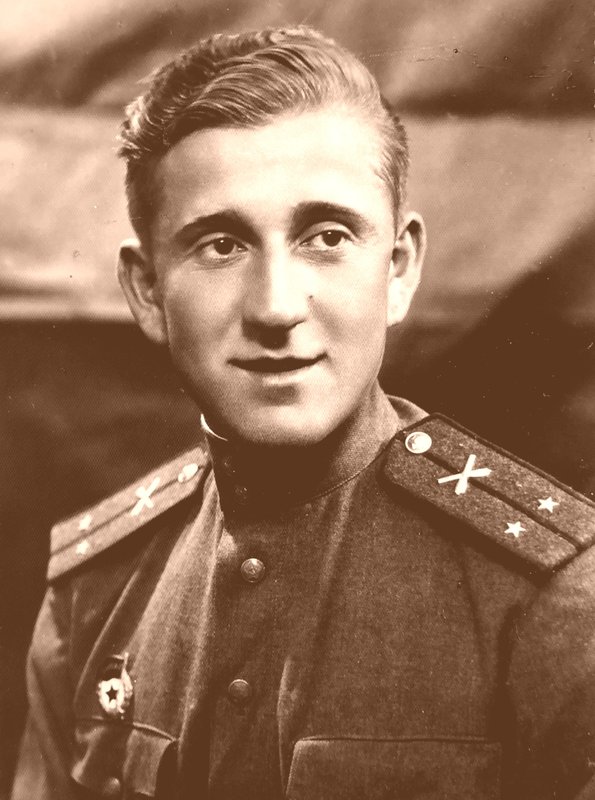
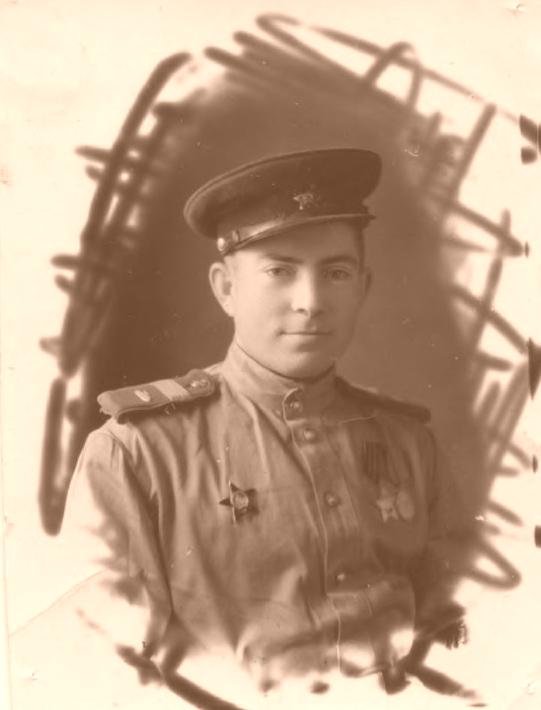
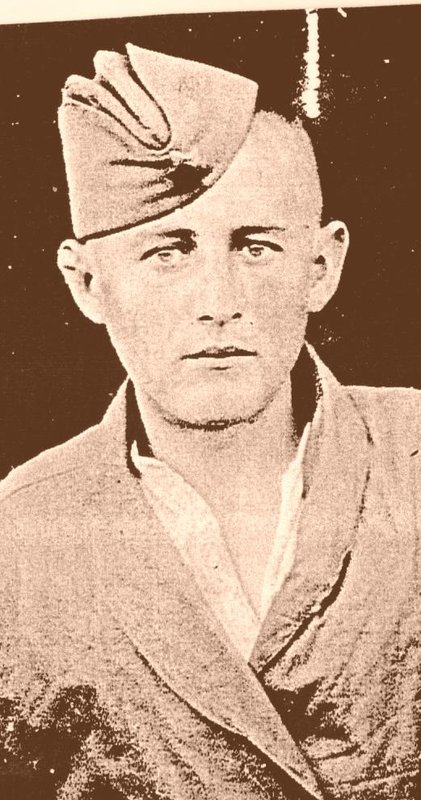
Lydia Semenovna Galynskaya
Member of the partisan movement of Belarussia in the special Squad, named after KIROV of Gomel connection since July 8, 1942 to November 25, 1943. Born on August 15, 1918. in the village of Bortniki, Bobruisk district, Mogilev region, in a poor peasant family. My father was a shoemaker and my mother a dressmaker. In winter she sewed clothes and in summer she worked kolkhoz in the field. She was a perfect master of the sickle during harvesting. The farm had a cow, a couple of geese, and a dozen of chickens. Her family had four children - two brothers and two sisters. In 1935 she finished Bobruisk forestry college with the profession of furniture manufacturing technology. She was a Komsomol activist in the colleege, also participated in Amateur activities and in passing the TRP standards. She got married the same year. In the spring of 1936, her son Marik was born. When he came to stay with his grandparents in the summer, he liked to feed geese by hand with his grandmother. In the end of May 1941 her daughter Mariyka was born. In spring of 1941 her husband Mikhail was mobilized and sent to the area of Belostok (possibly for the construction of defensive structures), there he died in the first week of the war. On the 3rd day of the war, thieves (future policemen) stole a cow at night, wrapping the hooves with rags. In the end of June, her mother-in-law sent a horse from Bobruisk to take her relatives to the rear, but this could not be done, since all the roads were already clogged by the Nazis. The old men decided to return home, and Lydia and her sister Sofia, along with their two children, went to distant farms and villages, because local anti-Soviets could give them to the Nazis. The peasants sympathized with the refugees: some gave a slice of bread, some poured a Cup of milk, some gave a bulbina (potato). But everyone was afraid of the punishers, everywhere there were orders not to accept refugees and hand them over to the commandant's office. All residents were supposed to have ausweiss with them. Execution For non-compliance. We had to spend the night in the woods, or in haystacks. Where there were no policemen, you could sleep in a shed or bathhouse.
By mid-September, the nights were getting colder and the children's health was getting worse. Marik became ill. A peasant woman in one of the villages was persuaded to accept the boy (her husband was also in the army, everyone believed that the fascists would soon be defeated and our people would return). The informer is unknown, but when, a couple of weeks later, his mother returned to visit her son, she saw only his worn-out shoes. One night the policemen came and dragged him out from behind the stove, where he was hiding in the straw, without even allowing him to put them on. Everything was done quickly, so as not to allow the victim to react and get his bottle of schnapps from the new owners as soon as possible... In those places, in the area of the current Krasny Bereg station, a hospital for wounded German soldiers was located and the point for collecting donor and children's blood was created there. Perhaps the boy was sent to that place where he died.
After the war, when I was 6-7 years old, I remember my mother's bitter tears, as she wrung her hands and remembering all this, repeated: "I wish the Germans had killed me." These memories came back to her again and again, leaving a trace in my soul.
After leaving this village, having suffered such a mental trauma, my mother lost her breast milk. The baby was doomed. She died in late October or early November. The first snow has fallen... the ground was not frozen yet.
When Guderian's German tanks broke into Bortniki in late June and early July, the soldiers began to Rob the peasants, depriving livestock, milk, butter, and lard, but they did not commit any atrocities yet. They were eager to capture the bridges and crossings on the Berezina faster. But a week later, the field gendarmerie, the commandant's office, and the police appeared. The hunt for Communists and Jews began. One day the order was posted: "All Jews must gather by the commandant's office. Take your valuables and food for three days.”My grandparents Vera and Simon Freitman were sent to a ghetto (possibly, in Bobruisk), where all its inhabitants were killed by the spring of 1942.
She was not accepted immediately To the partisan detachment, named after Kirov. There were a lot of checks. Her knowledge of Komsomol structures helped, and she also knew German well. Her skills to sew clothes was also useful. She was Accepted as a private on July 8, 1942, where she served until the moment of liberationon by Red Army troops under the command of K. K. Rokossovsky on November 25, 1943. She was awarded the command medals: Partisan of the Patriotic War, for the Victory over Germany, for valiant labor in the great Patriotic War, as well as, in peacetime, the jubilee medal “Twenty years of Victory in the great Patriotic War” and the Jubilee Badge “25 years of Victory in the great Patriotic War”. In peacetime, she worked in regional food industry as an economist, and then in Vodokanaltrest–as a motorist of pumping stations. Her health was severely damaged by the war. She died on March 28, 1978. There is a photo from partisan life-The work of a workshop for repairing uniforms. From the memoirs of her son-Vladimir Nikolaevich Suzdalev. 04/12/2020.
Lydia Semenovna Galynskaya
Member of the partisan movement of Belarussia in the special Squad, named after KIROV of Gomel connection since July 8, 1942 to November 25, 1943. Born on August 15, 1918. in the village of Bortniki, Bobruisk district, Mogilev region, in a poor peasant family. My father was a shoemaker and my mother a dressmaker. In winter she sewed clothes and in summer she worked kolkhoz in the field. She was a perfect master of the sickle during harvesting. The farm had a cow, a couple of geese, and a dozen of chickens. Her family had four children - two brothers and two sisters. In 1935 she finished Bobruisk forestry college with the profession of furniture manufacturing technology. She was a Komsomol activist in the colleege, also participated in Amateur activities and in passing the TRP standards. She got married the same year. In the spring of 1936, her son Marik was born. When he came to stay with his grandparents in the summer, he liked to feed geese by hand with his grandmother. In the end of May 1941 her daughter Mariyka was born. In spring of 1941 her husband Mikhail was mobilized and sent to the area of Belostok (possibly for the construction of defensive structures), there he died in the first week of the war. On the 3rd day of the war, thieves (future policemen) stole a cow at night, wrapping the hooves with rags. In the end of June, her mother-in-law sent a horse from Bobruisk to take her relatives to the rear, but this could not be done, since all the roads were already clogged by the Nazis. The old men decided to return home, and Lydia and her sister Sofia, along with their two children, went to distant farms and villages, because local anti-Soviets could give them to the Nazis. The peasants sympathized with the refugees: some gave a slice of bread, some poured a Cup of milk, some gave a bulbina (potato). But everyone was afraid of the punishers, everywhere there were orders not to accept refugees and hand them over to the commandant's office. All residents were supposed to have ausweiss with them. Execution For non-compliance. We had to spend the night in the woods, or in haystacks. Where there were no policemen, you could sleep in a shed or bathhouse.
By mid-September, the nights were getting colder and the children's health was getting worse. Marik became ill. A peasant woman in one of the villages was persuaded to accept the boy (her husband was also in the army, everyone believed that the fascists would soon be defeated and our people would return). The informer is unknown, but when, a couple of weeks later, his mother returned to visit her son, she saw only his worn-out shoes. One night the policemen came and dragged him out from behind the stove, where he was hiding in the straw, without even allowing him to put them on. Everything was done quickly, so as not to allow the victim to react and get his bottle of schnapps from the new owners as soon as possible... In those places, in the area of the current Krasny Bereg station, a hospital for wounded German soldiers was located and the point for collecting donor and children's blood was created there. Perhaps the boy was sent to that place where he died.
After the war, when I was 6-7 years old, I remember my mother's bitter tears, as she wrung her hands and remembering all this, repeated: "I wish the Germans had killed me." These memories came back to her again and again, leaving a trace in my soul.
After leaving this village, having suffered such a mental trauma, my mother lost her breast milk. The baby was doomed. She died in late October or early November. The first snow has fallen... the ground was not frozen yet.
When Guderian's German tanks broke into Bortniki in late June and early July, the soldiers began to Rob the peasants, depriving livestock, milk, butter, and lard, but they did not commit any atrocities yet. They were eager to capture the bridges and crossings on the Berezina faster. But a week later, the field gendarmerie, the commandant's office, and the police appeared. The hunt for Communists and Jews began. One day the order was posted: "All Jews must gather by the commandant's office. Take your valuables and food for three days.”My grandparents Vera and Simon Freitman were sent to a ghetto (possibly, in Bobruisk), where all its inhabitants were killed by the spring of 1942.
She was not accepted immediately To the partisan detachment, named after Kirov. There were a lot of checks. Her knowledge of Komsomol structures helped, and she also knew German well. Her skills to sew clothes was also useful. She was Accepted as a private on July 8, 1942, where she served until the moment of liberationon by Red Army troops under the command of K. K. Rokossovsky on November 25, 1943. She was awarded the command medals: Partisan of the Patriotic War, for the Victory over Germany, for valiant labor in the great Patriotic War, as well as, in peacetime, the jubilee medal “Twenty years of Victory in the great Patriotic War” and the Jubilee Badge “25 years of Victory in the great Patriotic War”. In peacetime, she worked in regional food industry as an economist, and then in Vodokanaltrest–as a motorist of pumping stations. Her health was severely damaged by the war. She died on March 28, 1978. There is a photo from partisan life-The work of a workshop for repairing uniforms. From the memoirs of her son-Vladimir Nikolaevich Suzdalev. 04/12/2020.
0 comment



2026 © Russian Military Historical Society Developed by Jetmix