Back to
album
album
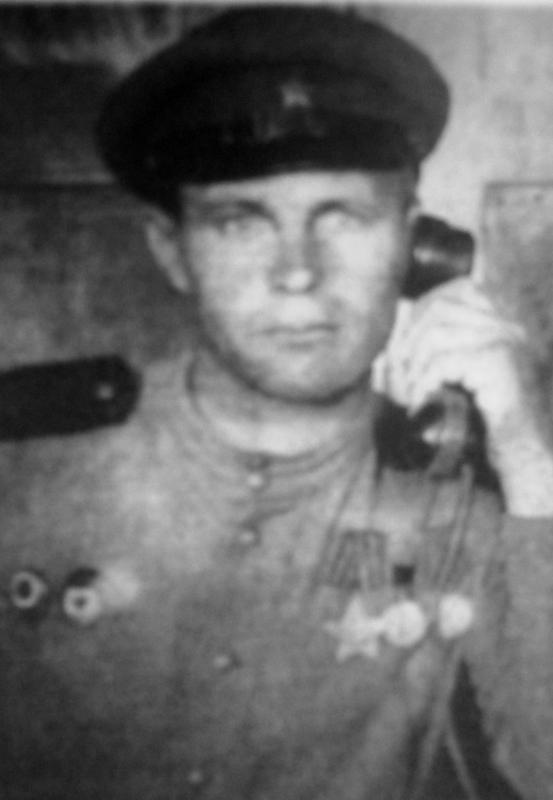
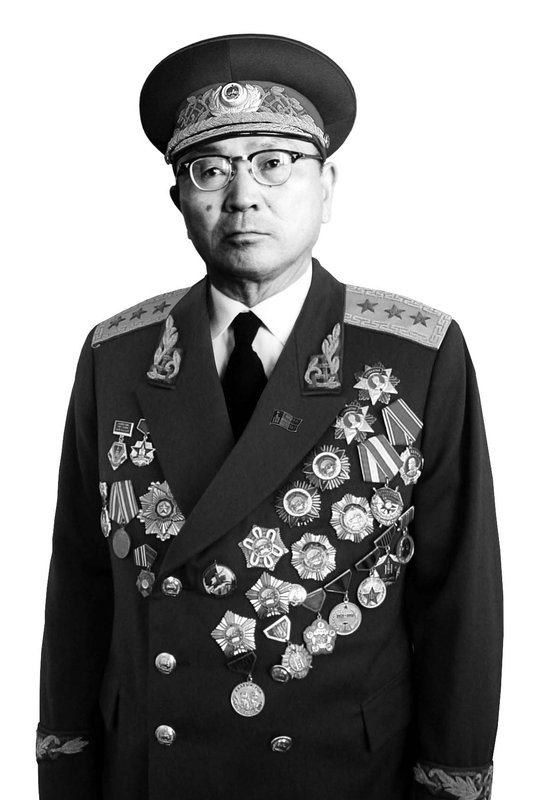
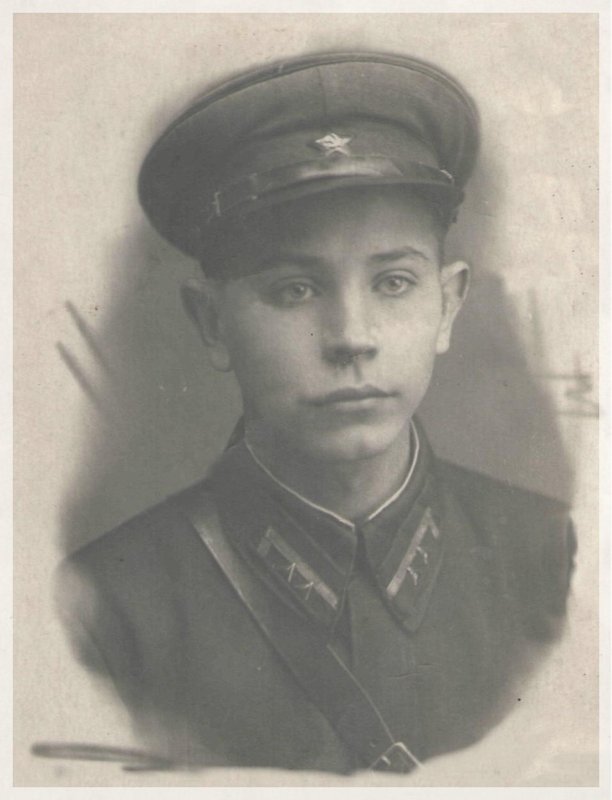
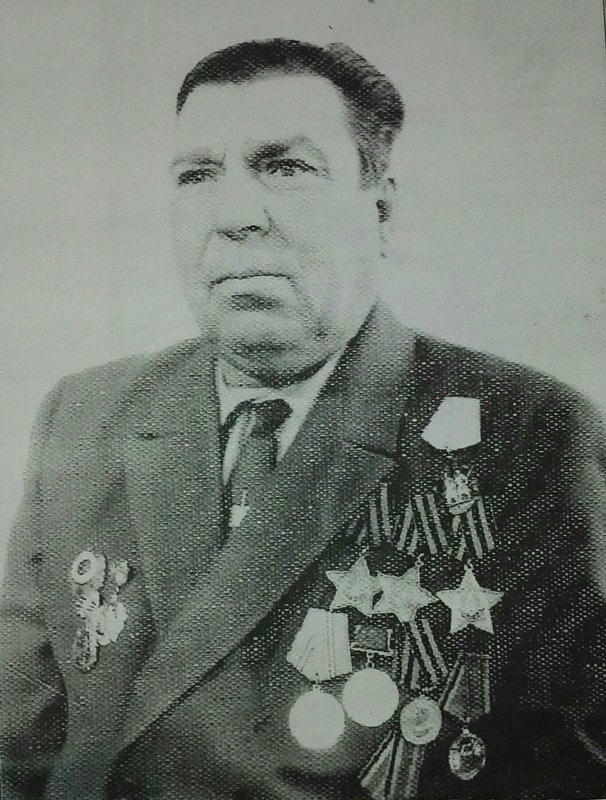
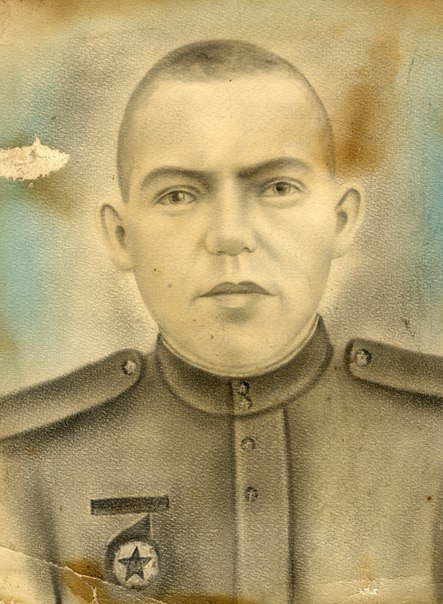
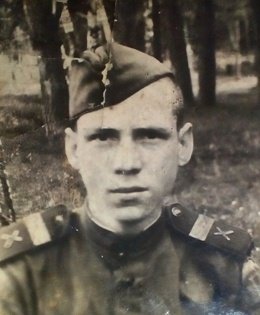
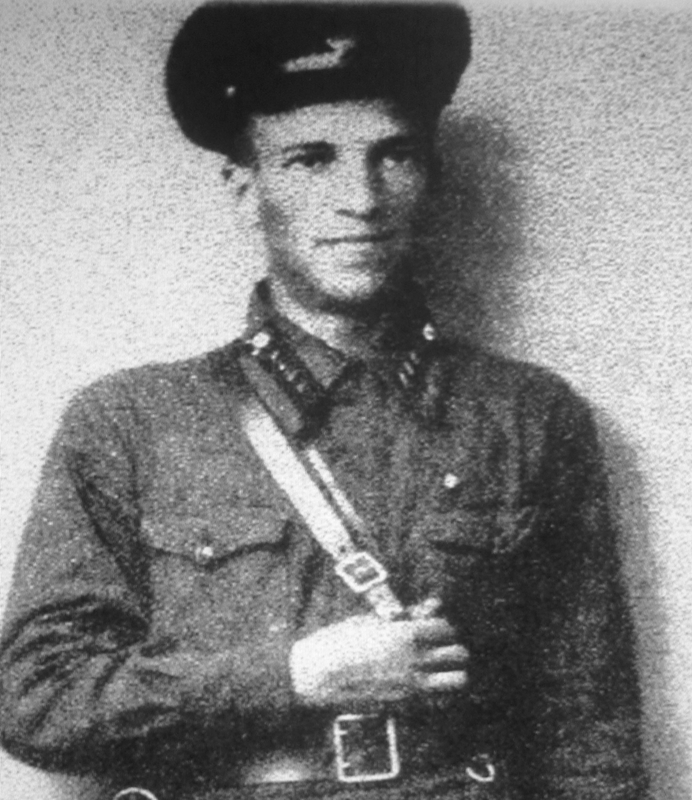
Sandiv Ravdan
Branch of troops: Ground Forces, Air Force (except for naval aviation), coastal service, NKVD troops, border troops. Studying at the Military-Political Academy. _x000D_
On the second day of the beginning of the Great Patriotic War of the Soviet people, we, four workers of the Political Administration of the Mongolian People's Revolutionary Army, arrived to study at the Lenin Military-Political Academy. We were enrolled as students of the Faculty of Ground Forces and a few days later were sent to the village of Kubinka, where the Academy's summer camp was located. For conspiracy purposes, Tserendorzh (later—Deputy Head of the Political Department of the Border and Internal Troops), Ochirov, Renzen (later—Head of the Department in the Society of Labor and Defense), Eristov, me—Robdanov, Kh. Dondova (later—Deputy Head of the Political Administration of the Army), the fifth was L. Toiv (he studied at a civilian university, later—Minister of Foreign Affairs), who became known as Vladimirov. _x000D_
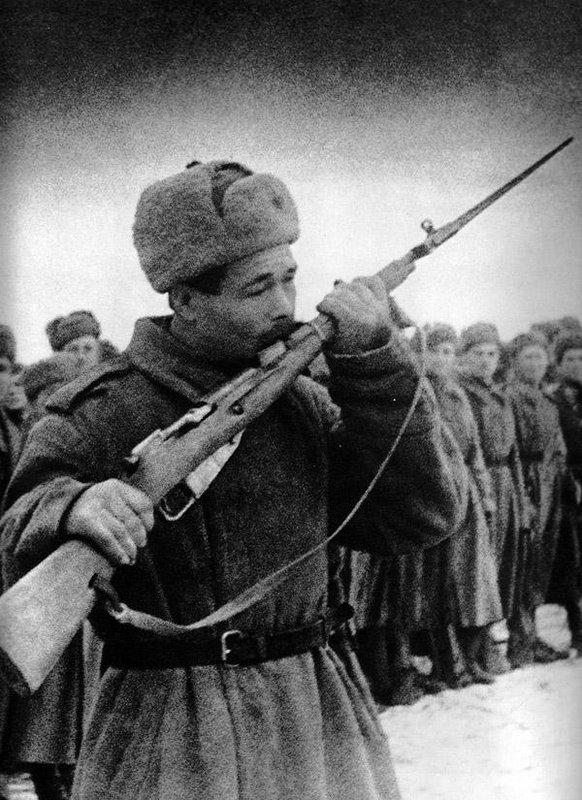
Our training began in Kubinka and classes lasted 8-10 hours daily, and since it was a military time, much attention was paid to fire and tactical training, physical education, careful study of small arms. The Army Faculty consisted of platoons, companies, each student was armed with a TT pistol, a PPSh submachine gun, ammunition and four hand grenades, and after hours we watched the sky, carried out patrol duty. More than once we were raised on alarm for combing the forest, destroying sabotage, landing groups and parachutists of the enemy. Since August, students of the second and third years began to go to the front and instead of them civilians mobilized into the army began to come: party political workers, teachers of the humanities, and students of the academy, including us, were ordered to help them in the development of military affairs. _x000D_
With the complication of the situation at the front and after the Battle of Smolensk, the Academy was transferred to Moscow and included in the troops defending Moscow. If necessary, the academy was entrusted with the defense of the Leningrad highway. After receiving this order, we carefully studied the buildings and structures, streets and lanes along the Leningradskoye Highway, and at night we patrolled the streets, were on duty on the roofs of houses. _x000D_
At the end of October 1941, the enemy approached the Naro-Fominsk - Kubinka line and soon the academy received an order to evacuate. We learned about this order later, and then we got on the trams on alarm, arrived at the station and plunged into the train. Then the acting Commander of our platoon, Litvinov, told us that the enemy had come very close to Moscow and had received an order from the command to relocate the academy to a new location and warned us that conversations and communication with the civilian population were strictly prohibited on the way. _x000D_
Thus, the Faculty of Ground Forces was evacuated from Moscow in early November, while other faculties were evacuated earlier. When leaving Moscow, the commanders of companies and courses ordered everyone to be on full alert, instructed on actions in emergency situations, on repelling attacks by sabotage groups of the enemy. _x000D_
For several days we remained in the dark about where we were going, and during the passage of Murom, Saransk learned, that we are going southeast. We celebrated the 24th anniversary of the Great October Revolution on the way with a meeting and a parade during a short stop in the middle of a forest. In mid-November, we arrived in the city of Belebey in the Bashkir Soviet Autonomous Republic and our platoon was housed in a building where two-story bunks were installed. Classes resumed and lasted 12-14 hours a day: in the afternoon there were tactics, shooting classes, in the evening - theoretical classes. Among the listeners, party and Komsomol work was continuously carried out and the Mongolian listeners, on an equal basis with everyone, participated in party meetings, received and carried out party instructions. _x000D_
Before the beginning of the party meeting, the secretary of the party organization of the faculty comrade Nazarov reported that, in addition to the communists, 5 members of the Mongolian People's Revolutionary Party are participating in the meeting. In the summer of 1942, according to the accelerated program of the war period, we completed our studies at the Military-Political Academy and returned to our homeland. _x000D_
Almost all of the Soviet students who graduated with us were sent to the Stalingrad front. Looking back at the past years, I remember with gratitude and warmth my studies at the academy, my fellow students, the leaders of the academy, who in the hard war years paid great attention to our knowledge acquisition. Written in 1970.
Sandiv Ravdan
Branch of troops: Ground Forces, Air Force (except for naval aviation), coastal service, NKVD troops, border troops. Studying at the Military-Political Academy. _x000D_
On the second day of the beginning of the Great Patriotic War of the Soviet people, we, four workers of the Political Administration of the Mongolian People's Revolutionary Army, arrived to study at the Lenin Military-Political Academy. We were enrolled as students of the Faculty of Ground Forces and a few days later were sent to the village of Kubinka, where the Academy's summer camp was located. For conspiracy purposes, Tserendorzh (later—Deputy Head of the Political Department of the Border and Internal Troops), Ochirov, Renzen (later—Head of the Department in the Society of Labor and Defense), Eristov, me—Robdanov, Kh. Dondova (later—Deputy Head of the Political Administration of the Army), the fifth was L. Toiv (he studied at a civilian university, later—Minister of Foreign Affairs), who became known as Vladimirov. _x000D_
Our training began in Kubinka and classes lasted 8-10 hours daily, and since it was a military time, much attention was paid to fire and tactical training, physical education, careful study of small arms. The Army Faculty consisted of platoons, companies, each student was armed with a TT pistol, a PPSh submachine gun, ammunition and four hand grenades, and after hours we watched the sky, carried out patrol duty. More than once we were raised on alarm for combing the forest, destroying sabotage, landing groups and parachutists of the enemy. Since August, students of the second and third years began to go to the front and instead of them civilians mobilized into the army began to come: party political workers, teachers of the humanities, and students of the academy, including us, were ordered to help them in the development of military affairs. _x000D_
With the complication of the situation at the front and after the Battle of Smolensk, the Academy was transferred to Moscow and included in the troops defending Moscow. If necessary, the academy was entrusted with the defense of the Leningrad highway. After receiving this order, we carefully studied the buildings and structures, streets and lanes along the Leningradskoye Highway, and at night we patrolled the streets, were on duty on the roofs of houses. _x000D_
At the end of October 1941, the enemy approached the Naro-Fominsk - Kubinka line and soon the academy received an order to evacuate. We learned about this order later, and then we got on the trams on alarm, arrived at the station and plunged into the train. Then the acting Commander of our platoon, Litvinov, told us that the enemy had come very close to Moscow and had received an order from the command to relocate the academy to a new location and warned us that conversations and communication with the civilian population were strictly prohibited on the way. _x000D_
Thus, the Faculty of Ground Forces was evacuated from Moscow in early November, while other faculties were evacuated earlier. When leaving Moscow, the commanders of companies and courses ordered everyone to be on full alert, instructed on actions in emergency situations, on repelling attacks by sabotage groups of the enemy. _x000D_
For several days we remained in the dark about where we were going, and during the passage of Murom, Saransk learned, that we are going southeast. We celebrated the 24th anniversary of the Great October Revolution on the way with a meeting and a parade during a short stop in the middle of a forest. In mid-November, we arrived in the city of Belebey in the Bashkir Soviet Autonomous Republic and our platoon was housed in a building where two-story bunks were installed. Classes resumed and lasted 12-14 hours a day: in the afternoon there were tactics, shooting classes, in the evening - theoretical classes. Among the listeners, party and Komsomol work was continuously carried out and the Mongolian listeners, on an equal basis with everyone, participated in party meetings, received and carried out party instructions. _x000D_
Before the beginning of the party meeting, the secretary of the party organization of the faculty comrade Nazarov reported that, in addition to the communists, 5 members of the Mongolian People's Revolutionary Party are participating in the meeting. In the summer of 1942, according to the accelerated program of the war period, we completed our studies at the Military-Political Academy and returned to our homeland. _x000D_
Almost all of the Soviet students who graduated with us were sent to the Stalingrad front. Looking back at the past years, I remember with gratitude and warmth my studies at the academy, my fellow students, the leaders of the academy, who in the hard war years paid great attention to our knowledge acquisition. Written in 1970.
0 comment




2026 © Russian Military Historical Society Developed by Jetmix