Back to
album
album
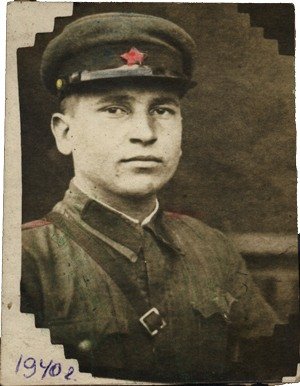
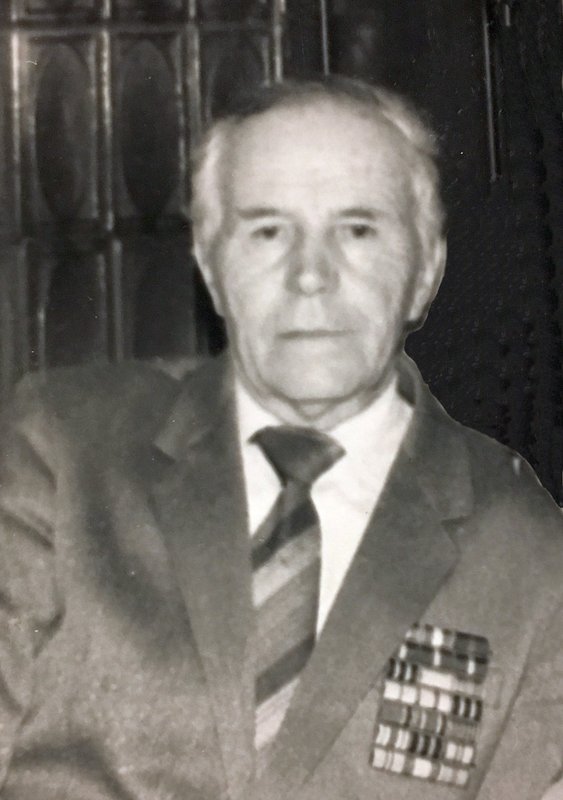
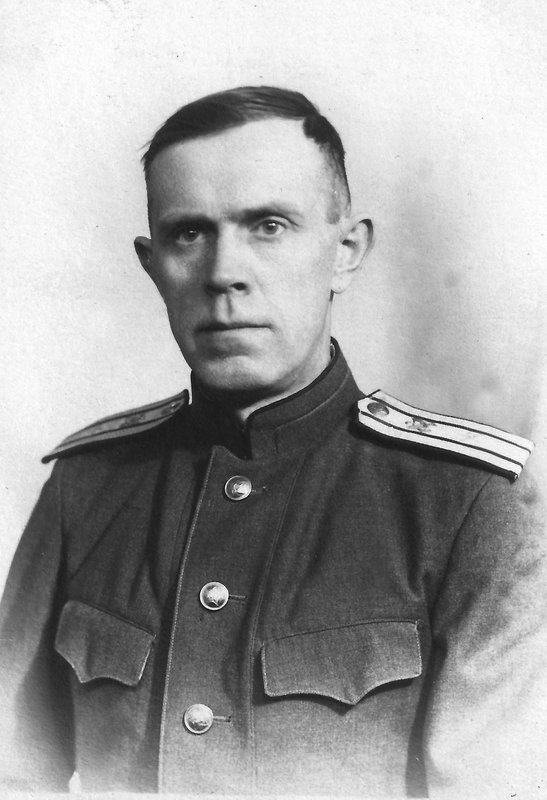
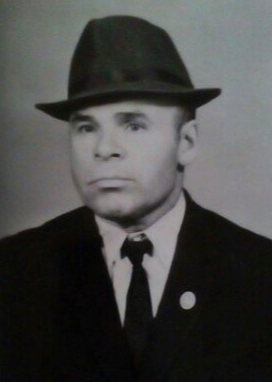
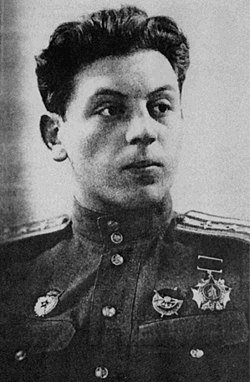
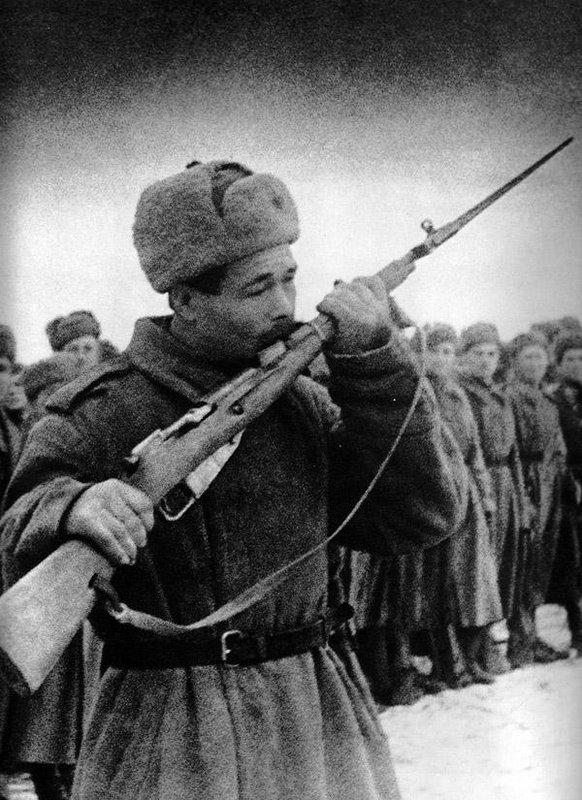
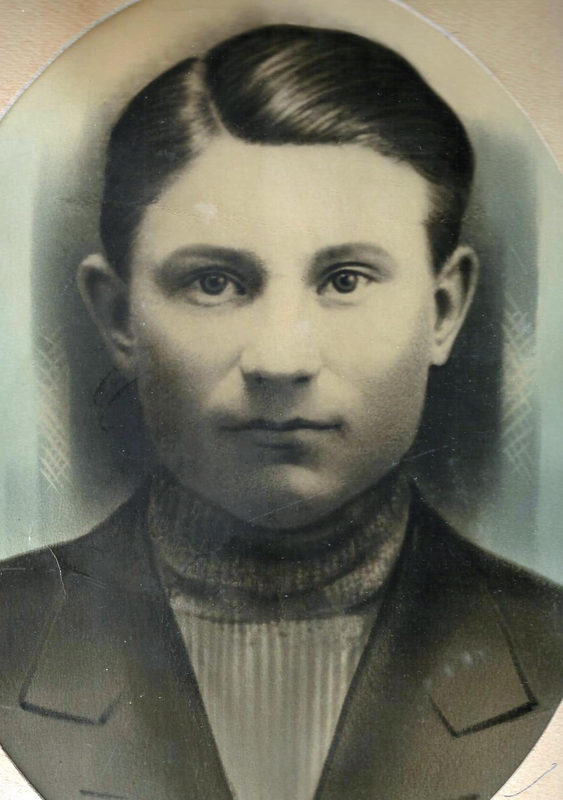
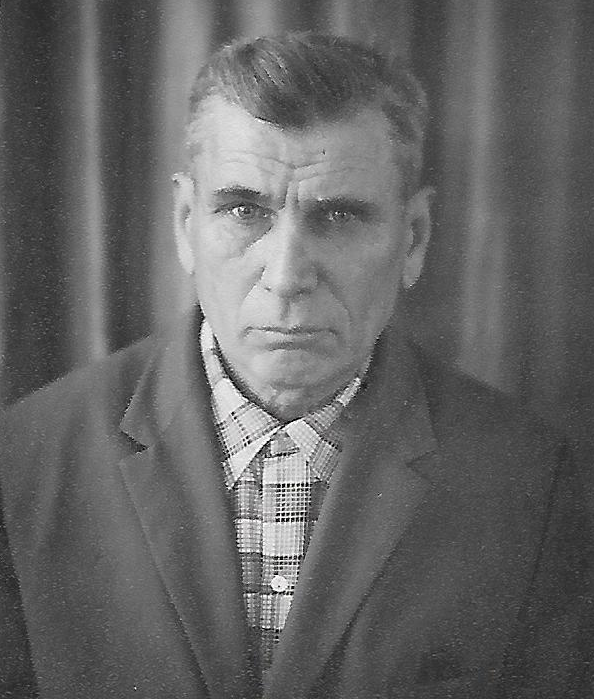
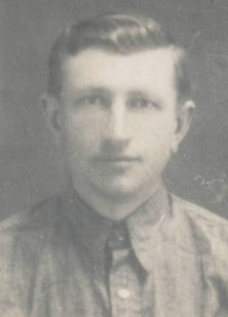
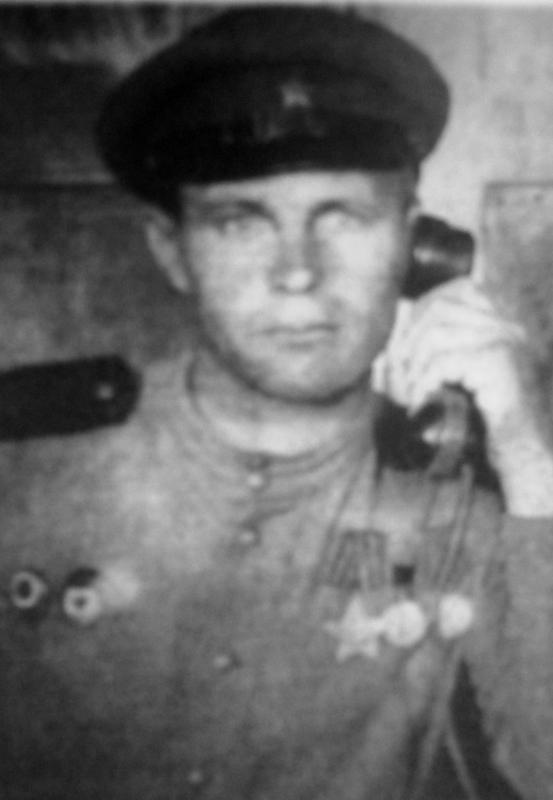
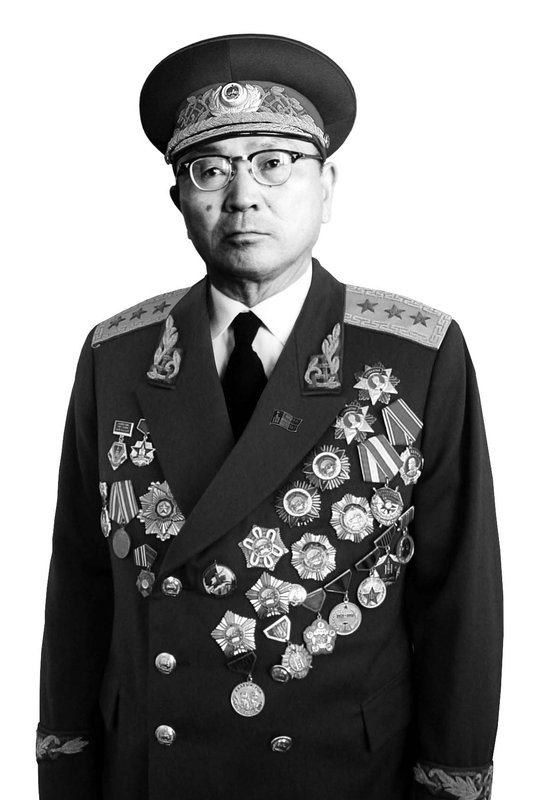
Sanin Ivan Petrovich
Rank: Red Army Soldier_x000D_
Division: 303rd Infantry Division (1st Formation). _x000D_
Sanin Ivan Petrovich is a participant of the Great Patriotic War, was born in the village of Sukmanovka, Tambov Region in 1896, into a peasant family. Before the war, by recruiting of his fellow villager, he and his wife Arina Sergeevna moved to Stalingrad to the village of Lesobaza, where a timber transshipment base had already been put into operation. He worked there as a carpenter for many years and returned after the war to this place. _x000D_
He was called to the front by the Kirov district military enlistment office of the city of Stalingrad in June 1941. He had been to the army since 1943. He ended up in the 845th Order of Suvorov Rifle Regiment / 4th Rifle Company / 303 of the Verkhnedneprovsk Red Banner Rifle Division of the 7th Guards Army (2nd Ukrainian Front). At the front he became a good shooter. He participated in the hardest battles near the city of Voronezh, Kharkov, Kirovograd, liberated Moldova, Hungary, Slovakia, and the Czech Republic from the Nazis. _x000D_
The Division he got into was formed in the Kemerovo Region. In April 1942, it was transferred to the 2nd Reserve Army in Lipetsk, where they received arms, and in the summer of the same year he was sent to the Voronezh Front. The fighters of the Division immediately entered the battle with the superior forces of the enemy. This was the first baptism of fire of the Red Army Soldier Ivan Sanin. In the fourth company next to him were young 19-20-year-old riflemen, and he was already 46 years old. But there was no combat experience. And it was necessary to set an example for the young. And Ivan Petrovich tried to be an authority for the fighters. For 4 days, fierce battles went on, during which the enemy was thrown back several kilometers north of Voronezh, and the Division took up more advantageous positions, going on the defensive. _x000D_
For the first time the Red Army Soldier Sanin faced a horror of the war, which did not leave him for a long time. He prayed to God not to be killed in the first combat. He was saved and survived. Then he remembered this combat for a long time, the unsuccessful attempt of the enemy to break through the division's defenses. _x000D_
And ahead there were battles for Kharkov, Chisinau, Balti, Bratislava, the crossing of the Dniester River. He was wounded several times, he was stunned by a blast wave, for a long time he could not recover from the hardest combat near the city of Balti, where he was seriously wounded, ended up in a hospital, but survived and continued to smash the enemy. He had reached Hungary, Czech Republic. _x000D_
The award "For Courage" always reminded him of the combat in the area of the Height 237, east of the city of Prerov (Czech Republic), located on the banks of the Becva River. It was April 30, 1945. The war was coming to an end. But the fight was deadly and terrible. Many fellow soldiers were killed. How he himself managed to survive, he does not know. He fought bravely and courageously, thinking only about how to destroy the enemy. At some decisive moment, he was able to personally destroy the enemy's firing depot with a hand grenade, thereby successfully repelling the counterattack of the fascist unit. For this feat he was awarded the medal "For Courage". He told with interest how he sang with the soldiers during the rest hours the anthem song of the Verkhnedneprovskaya Red Banner 303 Rifle Division, which was composed by one of the soldiers. Here is one verse and chorus of this hymn: More than life loving the Fatherland, we fought, not knowing weary, the country gave us a glorious order, and Stalin noted us in the orders! Forward, forward, Upper Dnieper fighters! The Motherland calls us to heroic deeds. Let our banner hang higher. Forward, Red Banner, forward!
Sanin Ivan Petrovich
Rank: Red Army Soldier_x000D_
Division: 303rd Infantry Division (1st Formation). _x000D_
Sanin Ivan Petrovich is a participant of the Great Patriotic War, was born in the village of Sukmanovka, Tambov Region in 1896, into a peasant family. Before the war, by recruiting of his fellow villager, he and his wife Arina Sergeevna moved to Stalingrad to the village of Lesobaza, where a timber transshipment base had already been put into operation. He worked there as a carpenter for many years and returned after the war to this place. _x000D_
He was called to the front by the Kirov district military enlistment office of the city of Stalingrad in June 1941. He had been to the army since 1943. He ended up in the 845th Order of Suvorov Rifle Regiment / 4th Rifle Company / 303 of the Verkhnedneprovsk Red Banner Rifle Division of the 7th Guards Army (2nd Ukrainian Front). At the front he became a good shooter. He participated in the hardest battles near the city of Voronezh, Kharkov, Kirovograd, liberated Moldova, Hungary, Slovakia, and the Czech Republic from the Nazis. _x000D_
The Division he got into was formed in the Kemerovo Region. In April 1942, it was transferred to the 2nd Reserve Army in Lipetsk, where they received arms, and in the summer of the same year he was sent to the Voronezh Front. The fighters of the Division immediately entered the battle with the superior forces of the enemy. This was the first baptism of fire of the Red Army Soldier Ivan Sanin. In the fourth company next to him were young 19-20-year-old riflemen, and he was already 46 years old. But there was no combat experience. And it was necessary to set an example for the young. And Ivan Petrovich tried to be an authority for the fighters. For 4 days, fierce battles went on, during which the enemy was thrown back several kilometers north of Voronezh, and the Division took up more advantageous positions, going on the defensive. _x000D_
For the first time the Red Army Soldier Sanin faced a horror of the war, which did not leave him for a long time. He prayed to God not to be killed in the first combat. He was saved and survived. Then he remembered this combat for a long time, the unsuccessful attempt of the enemy to break through the division's defenses. _x000D_
And ahead there were battles for Kharkov, Chisinau, Balti, Bratislava, the crossing of the Dniester River. He was wounded several times, he was stunned by a blast wave, for a long time he could not recover from the hardest combat near the city of Balti, where he was seriously wounded, ended up in a hospital, but survived and continued to smash the enemy. He had reached Hungary, Czech Republic. _x000D_
The award "For Courage" always reminded him of the combat in the area of the Height 237, east of the city of Prerov (Czech Republic), located on the banks of the Becva River. It was April 30, 1945. The war was coming to an end. But the fight was deadly and terrible. Many fellow soldiers were killed. How he himself managed to survive, he does not know. He fought bravely and courageously, thinking only about how to destroy the enemy. At some decisive moment, he was able to personally destroy the enemy's firing depot with a hand grenade, thereby successfully repelling the counterattack of the fascist unit. For this feat he was awarded the medal "For Courage". He told with interest how he sang with the soldiers during the rest hours the anthem song of the Verkhnedneprovskaya Red Banner 303 Rifle Division, which was composed by one of the soldiers. Here is one verse and chorus of this hymn: More than life loving the Fatherland, we fought, not knowing weary, the country gave us a glorious order, and Stalin noted us in the orders! Forward, forward, Upper Dnieper fighters! The Motherland calls us to heroic deeds. Let our banner hang higher. Forward, Red Banner, forward!
0 comment




2026 © Russian Military Historical Society Developed by Jetmix