Back to
album
album

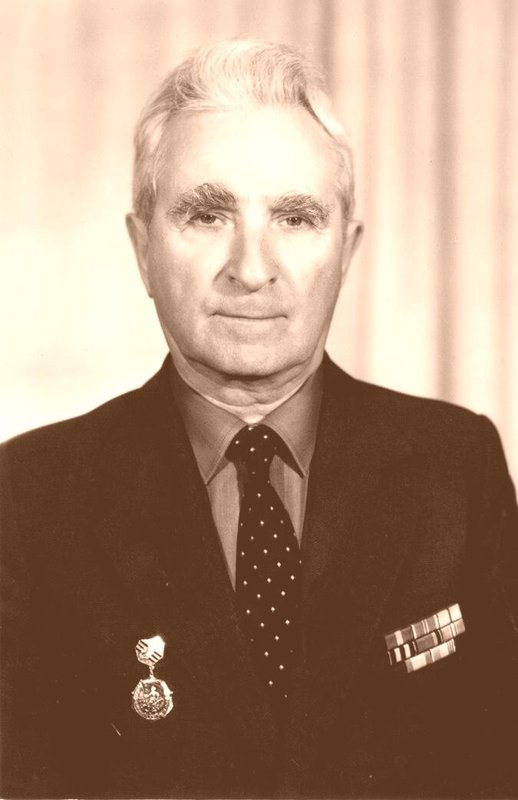


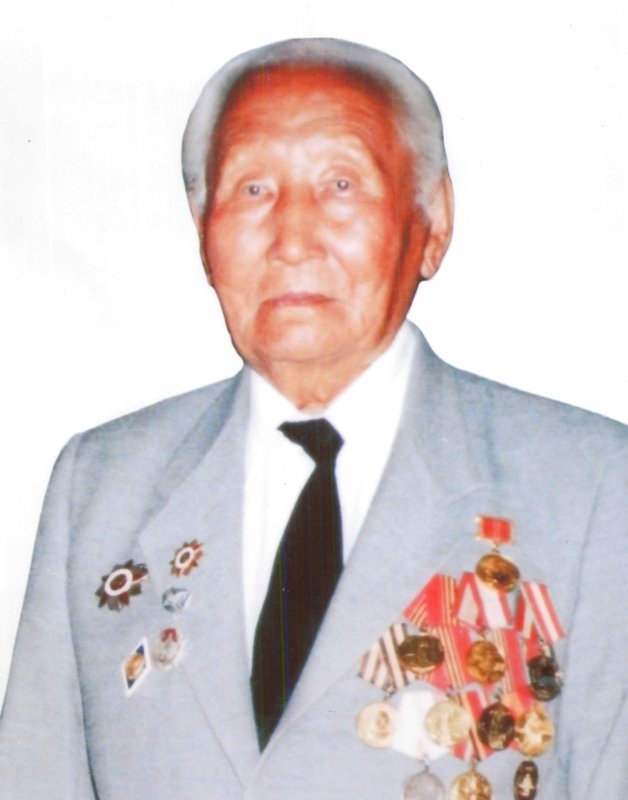


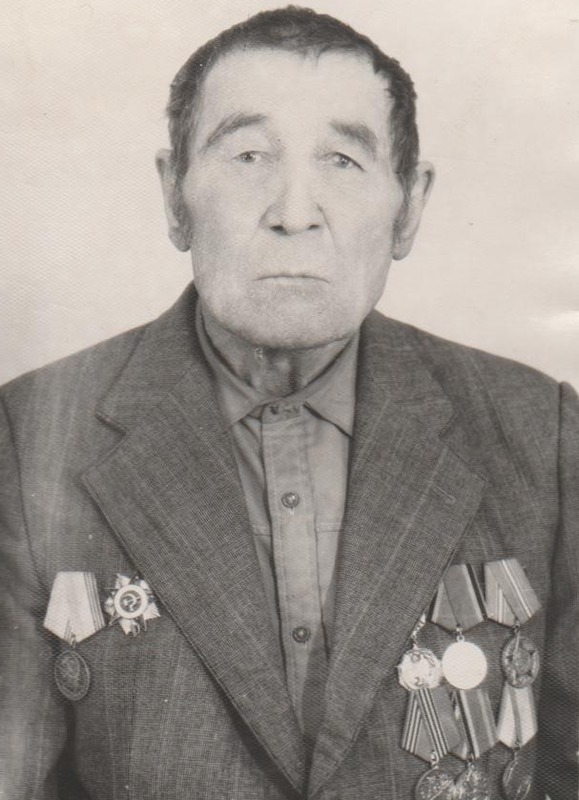

Erdniev Urungus Erdniev
Erdniev Urubdjur Erdnievich
Rank: Lieutenant. Branch of military: artillery. FROM THE AUTOBIOGRAPHY: Borned into a family of poor Kalmyk Gashun-Borgustinskogo village in the lake district of the Kalmyk ASSR. His mother died in 1916 and her father in 1918 of typhus. After the death of his parents, he lived with his grandmother, and then with his uncle, his father's own younger brother. From the spring of 1920 to the fall of 1922, he worked as a calf shepherd for the kulaks of the village of Kiselev, now Zavetninsky district of the Rostov region. From autumn 1922 to August 1924, he studied at the Gashun-Burgustin (primary) boarding school, organized at the expense of the local population. From September 1924 to October 1927, he studied and lived in the Kalm-Bazarin boarding school (a type of orphanage). In 1925, he joined the Komsomol, increasing his age by two years. From October 1927 to June 1930, he studied at the Kalmyk pedagogical technical school located in Astrakhan, where he began to get involved in active social work: he was the responsible editor of a wall newspaper, and was elected Secretary of the Komsomol cell. In June 1930, he graduated prematurely from the pedagogical College, receiving the title of primary school teacher. From July 1930 to August 1933. he worked as an elementary school teacher, inspector, and head teacher. RONO Sarpinsky District Committee of the Komsomol. From September 1933 to July 1938, he studied at the Moscow state Institute of history, philosophy and literature, at the faculty of history, after which, from September 1938 to August 1941, he worked as a Dean, head of the Department. Department of history and senior teacher of the Astrakhan pedagogical Institute named after S. M. Kirov. August 1941 to May 1944 he served in the Soviet army, was on the southern, South-Western, and II Ukrainian fronts, and was a teacher Of the first Leningrad order of Lenin and the red banner of the red October artillery school and the aviation school in Volsk. In April 1944, he was dismissed to the reserve on a national basis. From June 1944 to June 1946, he worked as a history teacher at Sokolovskaya secondary school No. 1 In the zonal district of the Altai territory. From June 1946 to September 1951. he worked as a senior lecturer and Dean of the historical faculty of the now Novokuznetsk, former Stalin pedagogical Institute, taught a course in ancient history and archaeology. From September 1951 to March 1952, he worked as the head of the Department. Marxism-Leninism Cabinet of the Siberian metallurgical Institute, from March 1952 to September 1956. he worked at the Medical school as a teacher of Latin and at the Trade and culinary school, where he conducted political studies. From September 1956 to July 1958, he worked at the Kemerovo pedagogical Institute as a senior lecturer in the Department of history, taught a course in the history of the ancient world and archeology. From July 1958 to December 1959, he worked as a Junior researcher at the all-Union research and design Institute, and from December 1959, as a senior researcher, head of the Department. Department of archeology and Ethnography of the Kalmyk research Institute of history, literature and language. In 1965, he defended his PhD thesis, and in 1973-his doctorate on the topic " Kalmyks (Historical and ethnographic research)".
Erdniev Urungus Erdniev
Erdniev Urubdjur Erdnievich
Rank: Lieutenant. Branch of military: artillery. FROM THE AUTOBIOGRAPHY: Borned into a family of poor Kalmyk Gashun-Borgustinskogo village in the lake district of the Kalmyk ASSR. His mother died in 1916 and her father in 1918 of typhus. After the death of his parents, he lived with his grandmother, and then with his uncle, his father's own younger brother. From the spring of 1920 to the fall of 1922, he worked as a calf shepherd for the kulaks of the village of Kiselev, now Zavetninsky district of the Rostov region. From autumn 1922 to August 1924, he studied at the Gashun-Burgustin (primary) boarding school, organized at the expense of the local population. From September 1924 to October 1927, he studied and lived in the Kalm-Bazarin boarding school (a type of orphanage). In 1925, he joined the Komsomol, increasing his age by two years. From October 1927 to June 1930, he studied at the Kalmyk pedagogical technical school located in Astrakhan, where he began to get involved in active social work: he was the responsible editor of a wall newspaper, and was elected Secretary of the Komsomol cell. In June 1930, he graduated prematurely from the pedagogical College, receiving the title of primary school teacher. From July 1930 to August 1933. he worked as an elementary school teacher, inspector, and head teacher. RONO Sarpinsky District Committee of the Komsomol. From September 1933 to July 1938, he studied at the Moscow state Institute of history, philosophy and literature, at the faculty of history, after which, from September 1938 to August 1941, he worked as a Dean, head of the Department. Department of history and senior teacher of the Astrakhan pedagogical Institute named after S. M. Kirov. August 1941 to May 1944 he served in the Soviet army, was on the southern, South-Western, and II Ukrainian fronts, and was a teacher Of the first Leningrad order of Lenin and the red banner of the red October artillery school and the aviation school in Volsk. In April 1944, he was dismissed to the reserve on a national basis. From June 1944 to June 1946, he worked as a history teacher at Sokolovskaya secondary school No. 1 In the zonal district of the Altai territory. From June 1946 to September 1951. he worked as a senior lecturer and Dean of the historical faculty of the now Novokuznetsk, former Stalin pedagogical Institute, taught a course in ancient history and archaeology. From September 1951 to March 1952, he worked as the head of the Department. Marxism-Leninism Cabinet of the Siberian metallurgical Institute, from March 1952 to September 1956. he worked at the Medical school as a teacher of Latin and at the Trade and culinary school, where he conducted political studies. From September 1956 to July 1958, he worked at the Kemerovo pedagogical Institute as a senior lecturer in the Department of history, taught a course in the history of the ancient world and archeology. From July 1958 to December 1959, he worked as a Junior researcher at the all-Union research and design Institute, and from December 1959, as a senior researcher, head of the Department. Department of archeology and Ethnography of the Kalmyk research Institute of history, literature and language. In 1965, he defended his PhD thesis, and in 1973-his doctorate on the topic " Kalmyks (Historical and ethnographic research)".
0 comment




2026 © Russian Military Historical Society Developed by Jetmix