Back to
album
album
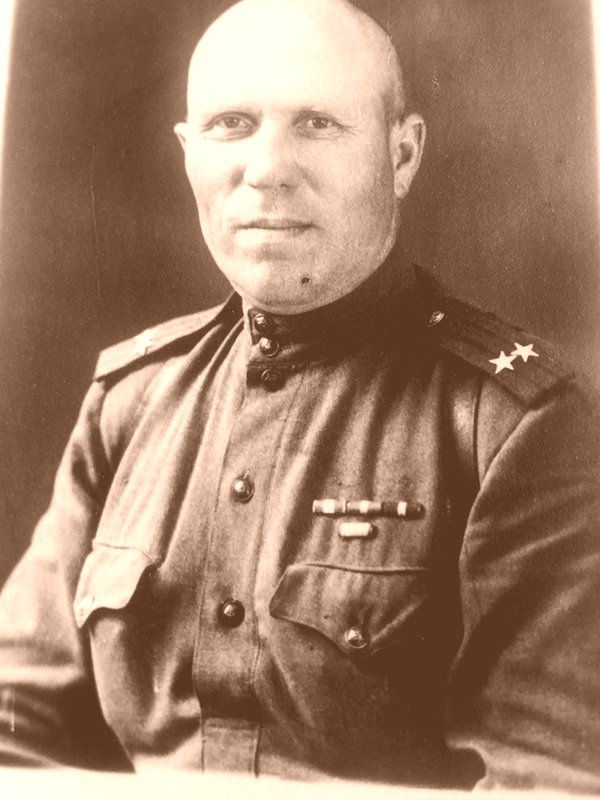

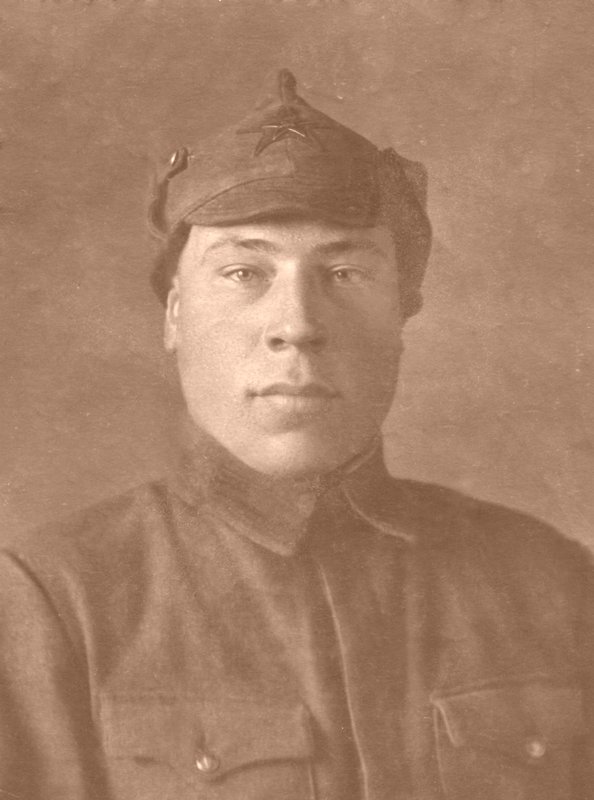

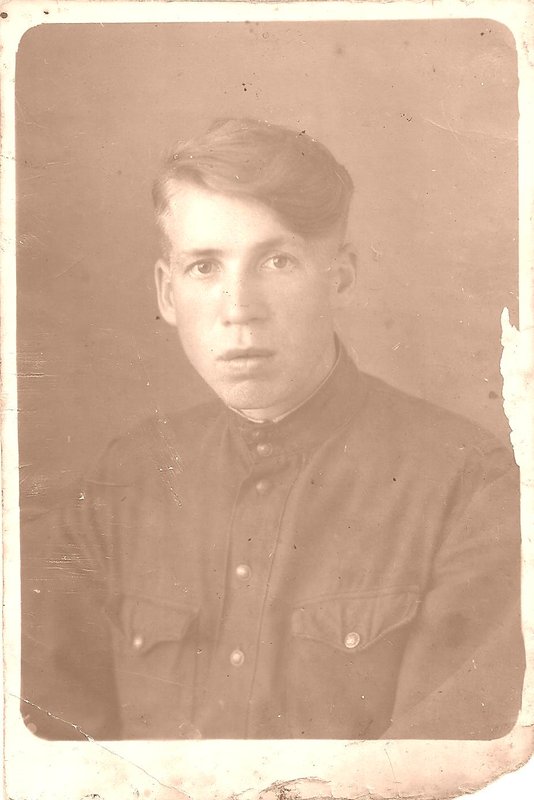
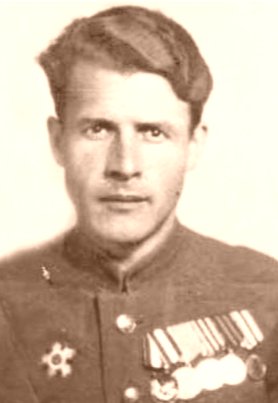

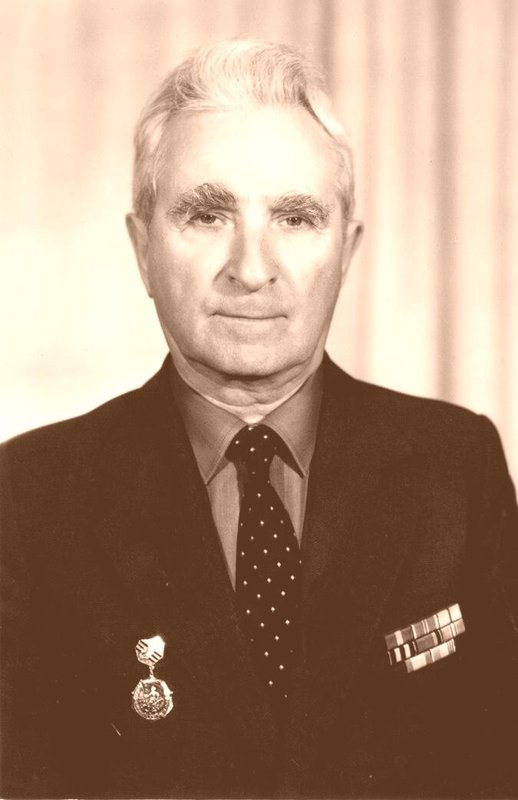


Raisky Konstantin Mikhailovich
Raiskiy Konstantin Mikhailovich_x000D_
_x000D_
Raiskiy Konstantin Mikhailovich was born on December 5, 1915 in Tambov in the family of a railway worker. Since 1932, he worked as a teacher of physics and mathematics in a junior secondary school in the Sampurskiy district of the Tambov region. In June 1940, he was drafted into the Red Army and served until the end of August 1946. The Great Patriotic War found him on the western border, near the town of Lomzha, North-West of Bialystok. There, as head of the automobile electric station (NPP-3) of the 203rd separate sapper battalion of the 55th rifle division, he participated in the construction of reinforced concrete firing points. Under the powerful attack of the German-fascist troops, our troops had to retreat with heavy fighting. The division in which he served retreated with heavy fighting in the direction of the city of Baranovichi (Western front). The defense here did not have time to prepare in time, and therefore the Nazis could not be kept on this line. The remnants of the 203rd separate sapper battalion were ordered to withdraw along with equipment in the direction of Bobruisk-Mogilev-Orsha. In Orsha, the battalion was replenished with personnel, and began mining roads and possible routes of the German offensive on Vitebsk. Soon the sapper battalion was subordinated to the engineering Department of the Western front, which held the defense near the city of Dorogobuzh for almost a month and a half. On September 28, the Germans again went on the offensive, breaking through our defenses. Our units were forced to withdraw to Vyazma. On October 3-4, 1941, German aircraft launched massive bombing attacks on the headquarters of the Western front. The battalion suffered serious losses. I received an order to destroy the remaining material part. There were still cars, but there was no fuel, so they left only the most necessary things. I had to make my way through the forest roads, up to the village of Klimentevo, which is about 20 km from Mozhaisk. The exit turned out to be extremely difficult, we moved only at night. For 2 weeks, the soldiers ate almost nothing, froze – autumn came early. On October 20, vehicles were sent for the remaining personnel. On the basis of the sapper battalion, the 64th separate pontoon-bridge battalion was formed, where K. M. Rayskiy served as the head of the technical unit. He was then transferred to the newly formed 88th separate pontoon bridge battalion. In the future, the battalion provided a crossing on the Ugra river near the city of Przemysl. From March 1943 to February 1944, K. M. Raiskiy studied at the officer training courses. After that, he was sent to the 48th officer regiment, where he served as a senior teacher of military topography until June 1944. On June 15, he was assigned to the 3-d guards Stalingrad mechanized corps as a rifle company commander. On June 23, as chief of staff of the 3-d rifle battalion of the 9th guards mechanized brigade, he took part in the offensive near the Rudnya station. As a result of successful actions, the Soviet troops liberated the cities of Borisov, Minsk, Molodechnoe, Vilnius, and Shaulay… The Supreme commander-in-Chief K. M. Raiskiy was thanked. From September 1944 until the end of the war with Germany, he participated in the battles to hold the Kurland group of German troops in the Baltic States. This largely prevented the German command from using additional reserves in the battles for Konigsberg and Berlin. The war with Nazi Germany ended victoriously. For fighting in the Western, 3rd Belorussian, 1st Baltic and Leningrad fronts, K. M. Raiskiy was awarded the Order of the Patriotic War, 2nd class, order of the Red Banner, Medals "For Bravery" and others. After a three-month rest and re-formation, he was transferred to the Trans-Baikal Front to participate in the war with militaristic Japan. On September 3, 1945, the Kwantung Army surrendered. After the end of the war with Japan, he served in the 54th heavy tank-self-propelled regiment as chief of staff of the submachine gun battalion. He was discharged from the army on August 29, 1946. From September 11, 1946 until July 1977, he worked as a mathematics teacher at the 129th school of working youth in the Taganskiy district of Moscow." He died on 28.06.2010._x000D_
.
Raisky Konstantin Mikhailovich
Raiskiy Konstantin Mikhailovich_x000D_
_x000D_
Raiskiy Konstantin Mikhailovich was born on December 5, 1915 in Tambov in the family of a railway worker. Since 1932, he worked as a teacher of physics and mathematics in a junior secondary school in the Sampurskiy district of the Tambov region. In June 1940, he was drafted into the Red Army and served until the end of August 1946. The Great Patriotic War found him on the western border, near the town of Lomzha, North-West of Bialystok. There, as head of the automobile electric station (NPP-3) of the 203rd separate sapper battalion of the 55th rifle division, he participated in the construction of reinforced concrete firing points. Under the powerful attack of the German-fascist troops, our troops had to retreat with heavy fighting. The division in which he served retreated with heavy fighting in the direction of the city of Baranovichi (Western front). The defense here did not have time to prepare in time, and therefore the Nazis could not be kept on this line. The remnants of the 203rd separate sapper battalion were ordered to withdraw along with equipment in the direction of Bobruisk-Mogilev-Orsha. In Orsha, the battalion was replenished with personnel, and began mining roads and possible routes of the German offensive on Vitebsk. Soon the sapper battalion was subordinated to the engineering Department of the Western front, which held the defense near the city of Dorogobuzh for almost a month and a half. On September 28, the Germans again went on the offensive, breaking through our defenses. Our units were forced to withdraw to Vyazma. On October 3-4, 1941, German aircraft launched massive bombing attacks on the headquarters of the Western front. The battalion suffered serious losses. I received an order to destroy the remaining material part. There were still cars, but there was no fuel, so they left only the most necessary things. I had to make my way through the forest roads, up to the village of Klimentevo, which is about 20 km from Mozhaisk. The exit turned out to be extremely difficult, we moved only at night. For 2 weeks, the soldiers ate almost nothing, froze – autumn came early. On October 20, vehicles were sent for the remaining personnel. On the basis of the sapper battalion, the 64th separate pontoon-bridge battalion was formed, where K. M. Rayskiy served as the head of the technical unit. He was then transferred to the newly formed 88th separate pontoon bridge battalion. In the future, the battalion provided a crossing on the Ugra river near the city of Przemysl. From March 1943 to February 1944, K. M. Raiskiy studied at the officer training courses. After that, he was sent to the 48th officer regiment, where he served as a senior teacher of military topography until June 1944. On June 15, he was assigned to the 3-d guards Stalingrad mechanized corps as a rifle company commander. On June 23, as chief of staff of the 3-d rifle battalion of the 9th guards mechanized brigade, he took part in the offensive near the Rudnya station. As a result of successful actions, the Soviet troops liberated the cities of Borisov, Minsk, Molodechnoe, Vilnius, and Shaulay… The Supreme commander-in-Chief K. M. Raiskiy was thanked. From September 1944 until the end of the war with Germany, he participated in the battles to hold the Kurland group of German troops in the Baltic States. This largely prevented the German command from using additional reserves in the battles for Konigsberg and Berlin. The war with Nazi Germany ended victoriously. For fighting in the Western, 3rd Belorussian, 1st Baltic and Leningrad fronts, K. M. Raiskiy was awarded the Order of the Patriotic War, 2nd class, order of the Red Banner, Medals "For Bravery" and others. After a three-month rest and re-formation, he was transferred to the Trans-Baikal Front to participate in the war with militaristic Japan. On September 3, 1945, the Kwantung Army surrendered. After the end of the war with Japan, he served in the 54th heavy tank-self-propelled regiment as chief of staff of the submachine gun battalion. He was discharged from the army on August 29, 1946. From September 11, 1946 until July 1977, he worked as a mathematics teacher at the 129th school of working youth in the Taganskiy district of Moscow." He died on 28.06.2010._x000D_
.
0 comment



2026 © Russian Military Historical Society Developed by Jetmix