Back to
album
album
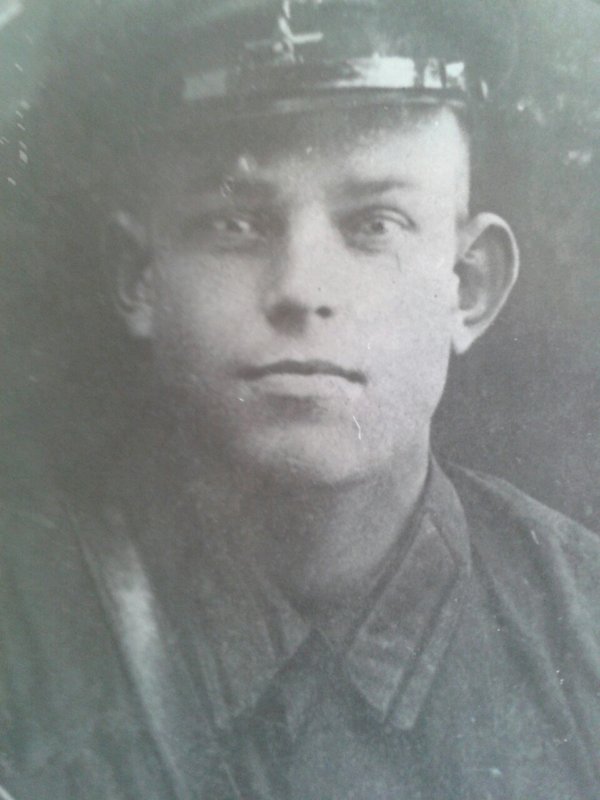
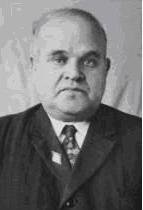
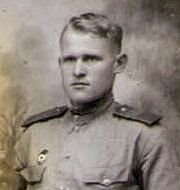
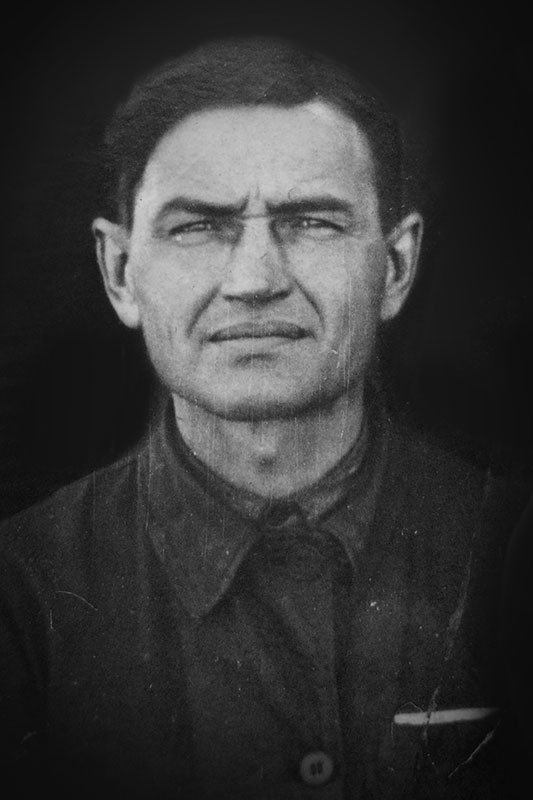
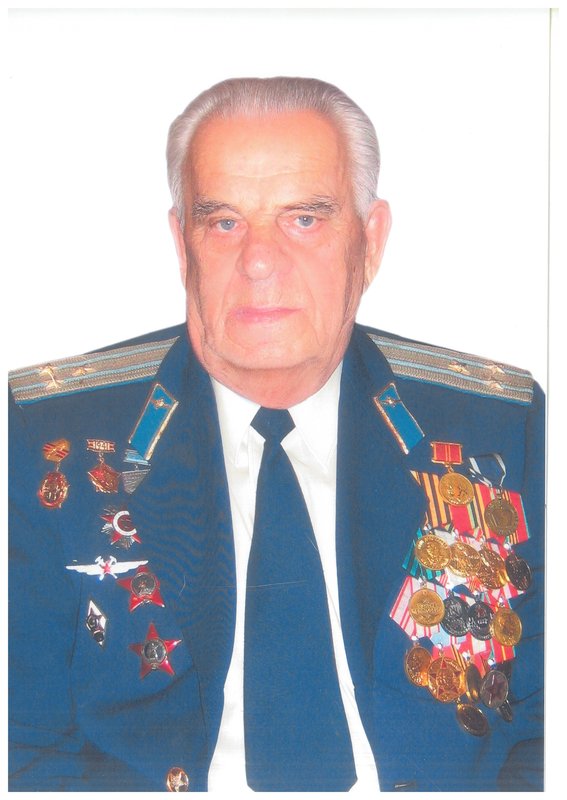
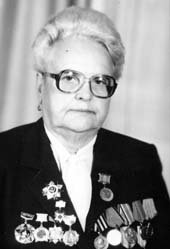
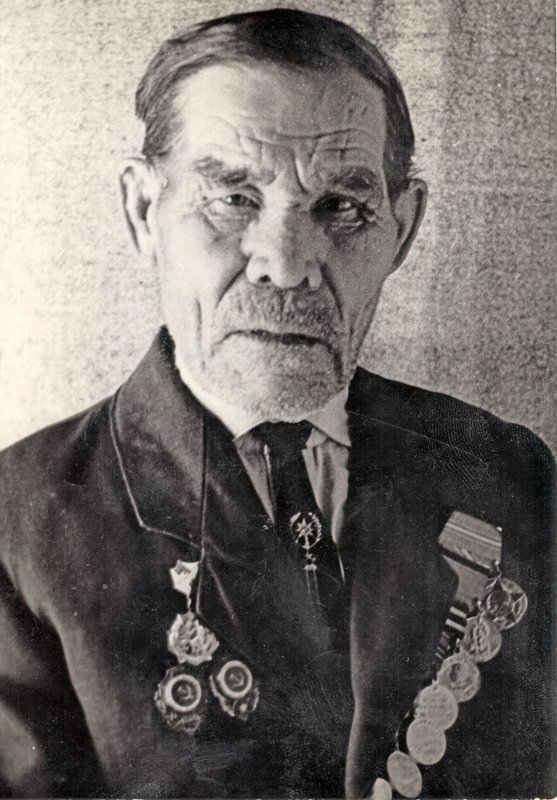
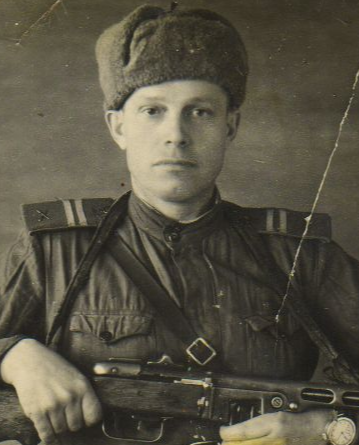
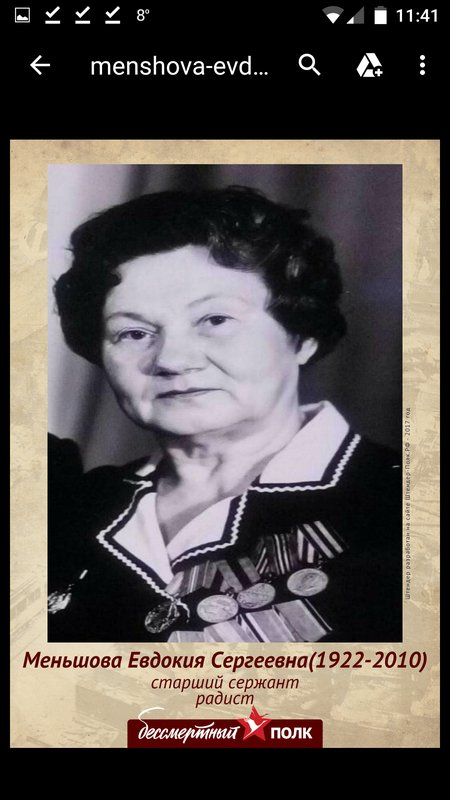
Vergeleken Elena Vladimirovna
Vergeleken Elena Vladimirovna_x000D_
_x000D_
Rank: Lieutenant of the medical service. Paramedic of the regimental medical center. Branch of service: army, air force (except marine aviation), the coast guard, the troops of the NKVD border troops. Division: 250th rifle Bobruisk red banner order of Suvorov division. 790 red banner order of Alexander Nevsky artillery regiment. After the liberation of the Kalinin region, our 250 SD was transferred to the North-Western front near Vatolino. The so-called local battles were fought here. The battles for Vatolino were inconclusive. There were heavy losses in manpower. At that time, the artillery regiment was not very good with shells, and tanks often remained on the battlefield, as the terrain there is swampy and tanks got stuck there. At that time, I was a senior medical officer. I do not undertake to characterize myself and other doctors, but after every soldier killed, every tank that failed, there were tears in our eyes. Above us, the German "Rama" - a scout that recorded every movement of units-flew endlessly. The plane spotted them, and then immediately began a mortar attack. So, in June, the commander of the 916 SP battalion Zharmukhanov came under mortar fire, a shell tore off his head. Regimental intelligence went to the rear of the enemy for the "language". But it was not easy to do this: the barbed wire in front of the German trenches, you hit it and hung on it empty cans made a deafening noise. They often had to return empty-handed, for which the division commander called them "empty-handed" out of spite. One day, the intelligence service, returning from a mission, ran into a minefield. As I bandaged the wounded, I heard a groan nearby. It was getting light, but I managed to crawl up to the wounded man. The blast had thrown him to the side, and he was fainting from the loss of blood, his severed arm hanging by a tiny piece of muscle. I had to cut off the dangling arm with scissors. After putting on a bandage, I helped him crawl back to his trenches, and then sent all the wounded in a gig to the medical unit. In doing our job of helping the wounded, we often forgot about the dangers that threatened us. Once, during a lull, tired, I sat down on a stump in a copse and did not hear major Nikitin N. N. approach me. "Well, soldier, did you hear that?" he asked, and suddenly bent my head low with his hands. At that moment, a shell exploded nearby, and one of the fragments screeched over my head. If the Commissar hadn't bent my head in time, I would have been lying on that field! It was hard to see and experience the death of the Commissar of the regiment shachnev Pyotr Andreevich in the battle for d. Monakovo in August 1942. In the battles for the liberation of Belarus, I was shell-shocked. Once in Moscow, a man came up to me at the train station, named our unit, and asked: "Are You Lena? "Yes," I said. He called himself a Buffoon, kissed my hand, and said: "You saved me, I remember You." It was a pleasant meeting, and I also want to say to everyone who remembers us, doctors, and our humble friends: "Be healthy! Thank you, dear!"
Vergeleken Elena Vladimirovna
Vergeleken Elena Vladimirovna_x000D_
_x000D_
Rank: Lieutenant of the medical service. Paramedic of the regimental medical center. Branch of service: army, air force (except marine aviation), the coast guard, the troops of the NKVD border troops. Division: 250th rifle Bobruisk red banner order of Suvorov division. 790 red banner order of Alexander Nevsky artillery regiment. After the liberation of the Kalinin region, our 250 SD was transferred to the North-Western front near Vatolino. The so-called local battles were fought here. The battles for Vatolino were inconclusive. There were heavy losses in manpower. At that time, the artillery regiment was not very good with shells, and tanks often remained on the battlefield, as the terrain there is swampy and tanks got stuck there. At that time, I was a senior medical officer. I do not undertake to characterize myself and other doctors, but after every soldier killed, every tank that failed, there were tears in our eyes. Above us, the German "Rama" - a scout that recorded every movement of units-flew endlessly. The plane spotted them, and then immediately began a mortar attack. So, in June, the commander of the 916 SP battalion Zharmukhanov came under mortar fire, a shell tore off his head. Regimental intelligence went to the rear of the enemy for the "language". But it was not easy to do this: the barbed wire in front of the German trenches, you hit it and hung on it empty cans made a deafening noise. They often had to return empty-handed, for which the division commander called them "empty-handed" out of spite. One day, the intelligence service, returning from a mission, ran into a minefield. As I bandaged the wounded, I heard a groan nearby. It was getting light, but I managed to crawl up to the wounded man. The blast had thrown him to the side, and he was fainting from the loss of blood, his severed arm hanging by a tiny piece of muscle. I had to cut off the dangling arm with scissors. After putting on a bandage, I helped him crawl back to his trenches, and then sent all the wounded in a gig to the medical unit. In doing our job of helping the wounded, we often forgot about the dangers that threatened us. Once, during a lull, tired, I sat down on a stump in a copse and did not hear major Nikitin N. N. approach me. "Well, soldier, did you hear that?" he asked, and suddenly bent my head low with his hands. At that moment, a shell exploded nearby, and one of the fragments screeched over my head. If the Commissar hadn't bent my head in time, I would have been lying on that field! It was hard to see and experience the death of the Commissar of the regiment shachnev Pyotr Andreevich in the battle for d. Monakovo in August 1942. In the battles for the liberation of Belarus, I was shell-shocked. Once in Moscow, a man came up to me at the train station, named our unit, and asked: "Are You Lena? "Yes," I said. He called himself a Buffoon, kissed my hand, and said: "You saved me, I remember You." It was a pleasant meeting, and I also want to say to everyone who remembers us, doctors, and our humble friends: "Be healthy! Thank you, dear!"
0 comment




2026 © Russian Military Historical Society Developed by Jetmix