


Antyukhova (Sokolova) Lyudmila Vasilievna
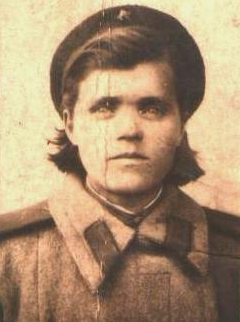
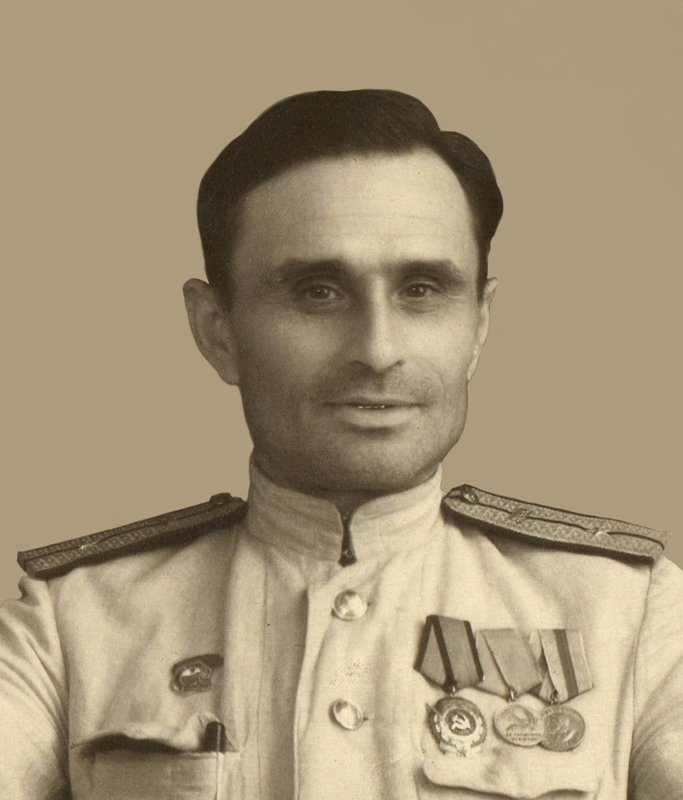
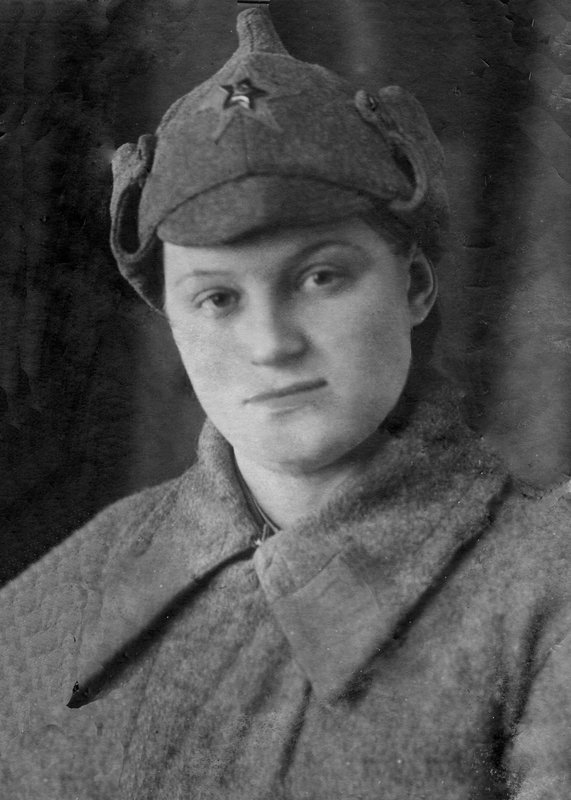
CITY: city of Leningrad DATE OF BIRTH: 07/15/1929 DATE OF DEATH: - HISTORY: “Survived death and the blockade” My wife's mother, Antyukhova (Sokolova) Lyudmila Vasilievna was born in 1929 in Leningrad on Vasilievsky Island. By the beginning of the Great Patriotic War, she graduated from the 4th grade of school. My father went to the front as a volunteer, despite the existing reservation, and she and her 7-year-old brother stayed with my mother in Leningrad. They refused to evacuate on the advice of their father, who assured them that the war would end soon, so they shouldn't leave. He could not then imagine that from the beginning of the war to its end, 1418 terrible, cruel days and nights, marked by tears and blood, defeats and death, would pass. Lyudmila did not go to the fifth grade, since the school did not work. My brother attended a kindergarten, and my mother worked at a factory. It was not easy, her work continued until eight in the evening, and then they removed the corpses of workers who died in the workplace. Before returning home, the mother went into the dining room, where she was allowed to scratch the cauldrons, on which the rest of the brew, which was a kind of a pile, a muddy liquid containing flour, adhered. Having brought home what she got, she diluted it with boiling water and fed the children. There was not enough food, they were starving and freezing. In late October - early November 1941, Lyudmila began to fade away, she did not have enough strength to get up. At the market, my mother exchanged a bone for things and made a broth, into which she threw a crouton. This, according to Lyudmila Vasilievna, saved her life. Mother forbade her to go to bed during the day, forced her to restore order at home, wipe the dust, go to the Gulf of Finland to fetch water, which she brought on a sled. It was severe frosts, there was no light, the water supply and sewerage system did not work, stoves and clothes were saved from frost, in which they were wrapped in order to preserve at least some warmth of the weakening body. Boys and men suffered especially hard from hunger, they died first. On March 23, 1942, Luda and her family were evacuated. They put their belongings on a sleigh, put their brother and went to Finland Station, where they were taken by train to Lake Ladoga, there they were put in cars and taken out along the "Road of Life". Recalling this terrible path, Lyudmila Vasilievna tells how the car in front drowned in the darkness of the night, and what horror it caused them. Then they were put in teplushki and taken to the Urals, where the plant where her mother worked was evacuated. On the way, their mother fell ill and they were taken off the train at Babaevo station, fortunately that an aunt lived 300 meters from the station, with whom they stayed. The Sokolov family was given cards, their mother was sent to work on a state farm in the village of Novoye, where they lived until September 1943. In August 1942, a letter came from his father, from which they learned that he was being treated in a hospital in the city of Kurgan, hoping for a recovery and a long-awaited meeting. But this was not destined to come true: Vasily Mikhailovich Sokolov died of his wounds on August 23, 1942. With the beginning of the school year, the Sokolovs moved to Babaevo, where the children began their studies. Mother got a job at a meat-packing plant, often had to go on business trips, accompany cattle sent to Leningrad when the blockade had already been broken. On one of these business trips, she visited her factory, where she was believed to be dead. There she applied for a return to her hometown and after a while she received it. Leaving the children to finish their studies until the end of the year, she went to Leningrad, where a destroyed and looted dwelling awaited her. At the beginning of summer, the entire Sokolov family settled in their former place of residence in Leningrad. There Lyudmila Vasilievna met Victory Day: "We learned from a radio message that Germany had surrendered and the war was over. The school held a solemn assembly and a festive dinner, where we received a bun and compote. It was the most delicious treat."
Antyukhova (Sokolova) Lyudmila Vasilievna
CITY: city of Leningrad DATE OF BIRTH: 07/15/1929 DATE OF DEATH: - HISTORY: “Survived death and the blockade” My wife's mother, Antyukhova (Sokolova) Lyudmila Vasilievna was born in 1929 in Leningrad on Vasilievsky Island. By the beginning of the Great Patriotic War, she graduated from the 4th grade of school. My father went to the front as a volunteer, despite the existing reservation, and she and her 7-year-old brother stayed with my mother in Leningrad. They refused to evacuate on the advice of their father, who assured them that the war would end soon, so they shouldn't leave. He could not then imagine that from the beginning of the war to its end, 1418 terrible, cruel days and nights, marked by tears and blood, defeats and death, would pass. Lyudmila did not go to the fifth grade, since the school did not work. My brother attended a kindergarten, and my mother worked at a factory. It was not easy, her work continued until eight in the evening, and then they removed the corpses of workers who died in the workplace. Before returning home, the mother went into the dining room, where she was allowed to scratch the cauldrons, on which the rest of the brew, which was a kind of a pile, a muddy liquid containing flour, adhered. Having brought home what she got, she diluted it with boiling water and fed the children. There was not enough food, they were starving and freezing. In late October - early November 1941, Lyudmila began to fade away, she did not have enough strength to get up. At the market, my mother exchanged a bone for things and made a broth, into which she threw a crouton. This, according to Lyudmila Vasilievna, saved her life. Mother forbade her to go to bed during the day, forced her to restore order at home, wipe the dust, go to the Gulf of Finland to fetch water, which she brought on a sled. It was severe frosts, there was no light, the water supply and sewerage system did not work, stoves and clothes were saved from frost, in which they were wrapped in order to preserve at least some warmth of the weakening body. Boys and men suffered especially hard from hunger, they died first. On March 23, 1942, Luda and her family were evacuated. They put their belongings on a sleigh, put their brother and went to Finland Station, where they were taken by train to Lake Ladoga, there they were put in cars and taken out along the "Road of Life". Recalling this terrible path, Lyudmila Vasilievna tells how the car in front drowned in the darkness of the night, and what horror it caused them. Then they were put in teplushki and taken to the Urals, where the plant where her mother worked was evacuated. On the way, their mother fell ill and they were taken off the train at Babaevo station, fortunately that an aunt lived 300 meters from the station, with whom they stayed. The Sokolov family was given cards, their mother was sent to work on a state farm in the village of Novoye, where they lived until September 1943. In August 1942, a letter came from his father, from which they learned that he was being treated in a hospital in the city of Kurgan, hoping for a recovery and a long-awaited meeting. But this was not destined to come true: Vasily Mikhailovich Sokolov died of his wounds on August 23, 1942. With the beginning of the school year, the Sokolovs moved to Babaevo, where the children began their studies. Mother got a job at a meat-packing plant, often had to go on business trips, accompany cattle sent to Leningrad when the blockade had already been broken. On one of these business trips, she visited her factory, where she was believed to be dead. There she applied for a return to her hometown and after a while she received it. Leaving the children to finish their studies until the end of the year, she went to Leningrad, where a destroyed and looted dwelling awaited her. At the beginning of summer, the entire Sokolov family settled in their former place of residence in Leningrad. There Lyudmila Vasilievna met Victory Day: "We learned from a radio message that Germany had surrendered and the war was over. The school held a solemn assembly and a festive dinner, where we received a bun and compote. It was the most delicious treat."
0 comment



2026 © Russian Military Historical Society Developed by Jetmix