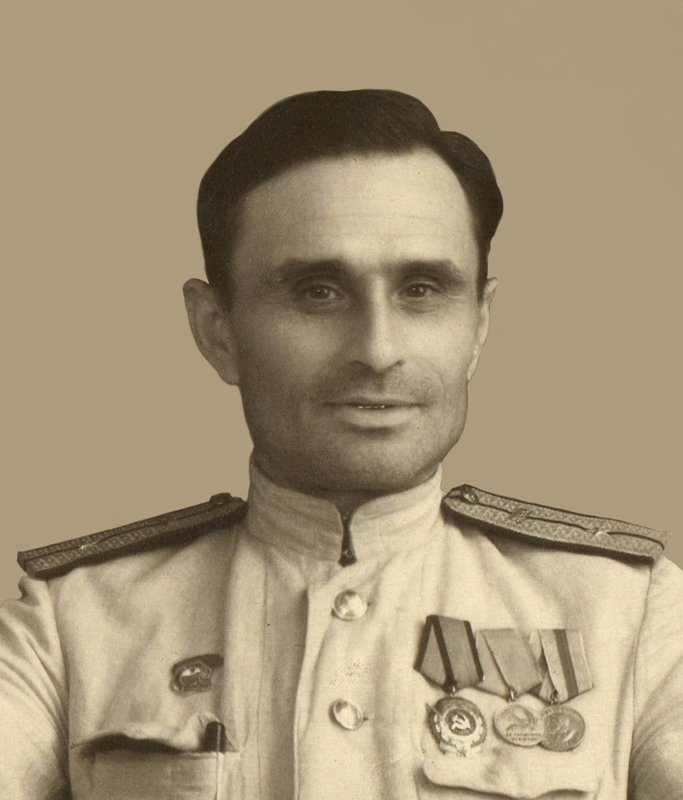
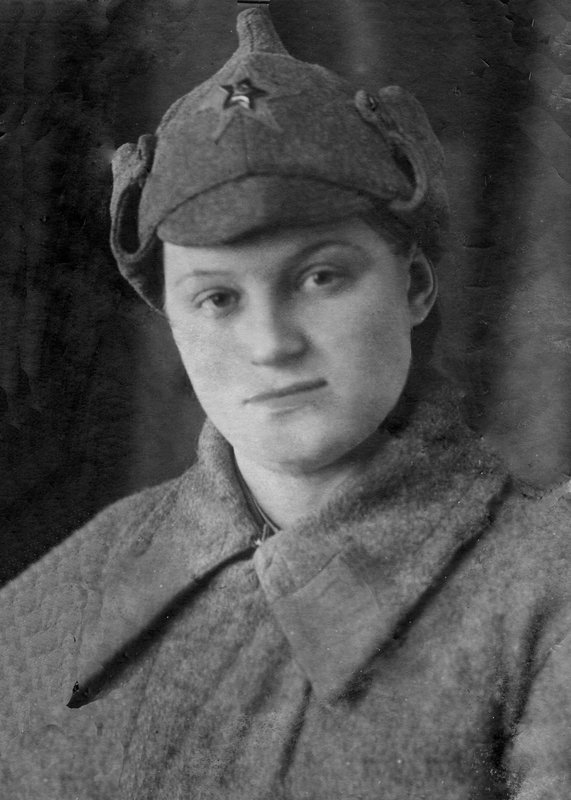
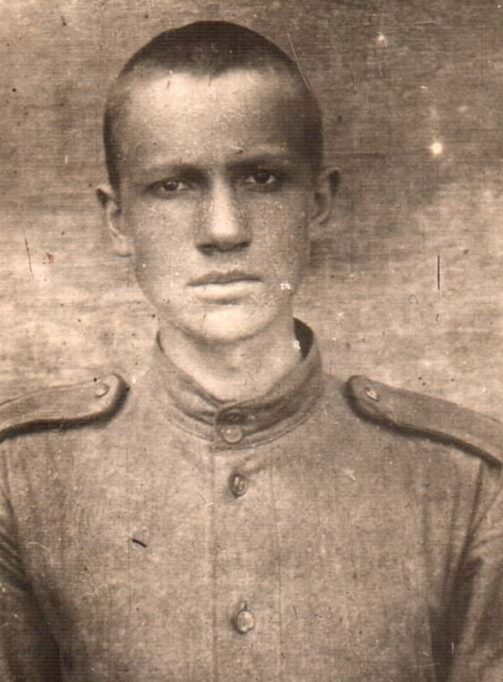
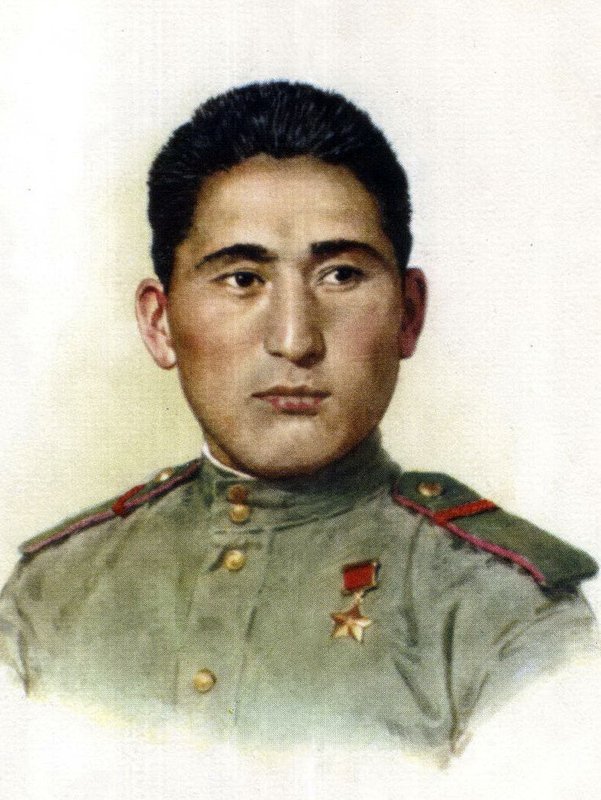
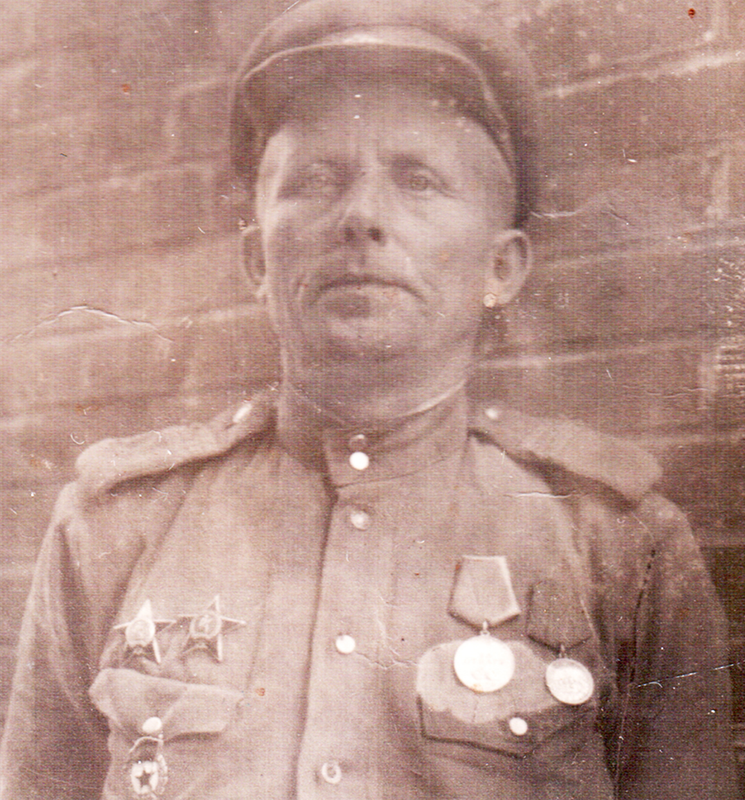
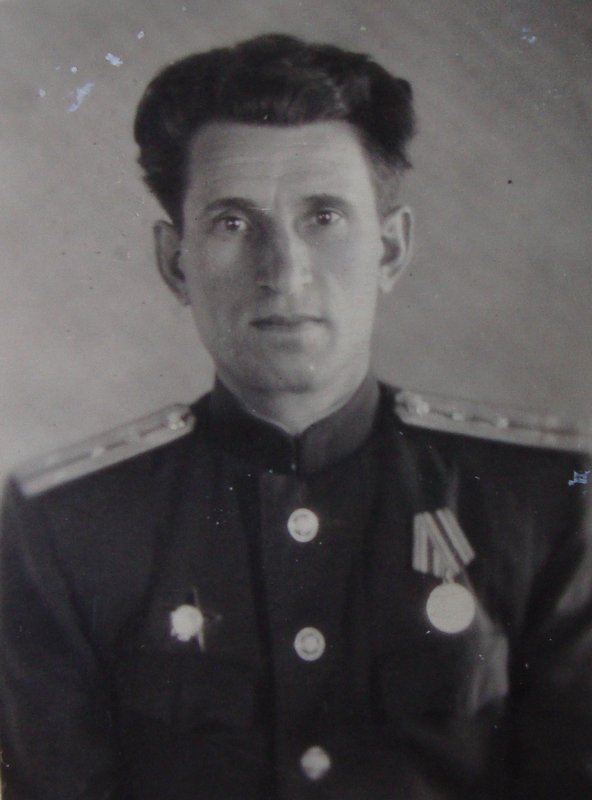



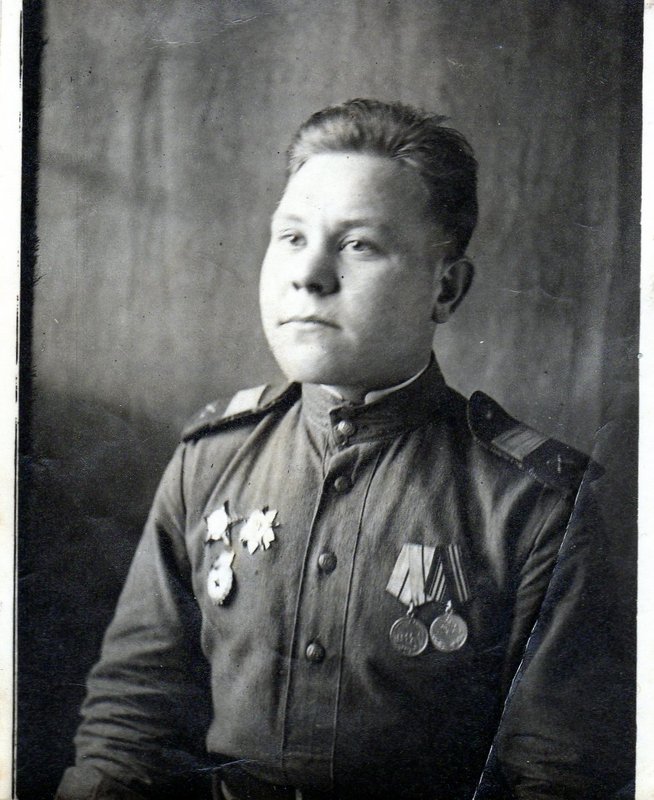
Antropov Mikhail Ignatievich
CITY: Novy Sharap village DATE OF BIRTH: 10/30/1921 DATE OF DEATH: - HISTORY: Title: Senior Sergeant Unit: 2nd Panzer Division Senior Sergeant, participant of the Stalingrad and Kursk battles, fought on the Central and 1st Belorussian fronts. She recalls: "If it had not been for the war, I would not have had to join the ranks. Two centimeters of height was not enough to be taken into the army. And when the war broke out, they did not refuse such" rejected ". Mikhail Ignatievich was drafted into the army at the very beginning of the war in 1942. After the courses of the young soldier, which took place in Barabinsk, he immediately fell under Kharkov, where there were fierce battles. Soon there was a retreat across the fields of Ukraine and the Don region. He was a mortar gunner. In one of the bloody battles near Nizhne-Cherskaya he was seriously wounded. "On October 19, 1942, a powerful offensive of the Soviet Army began. In this battle, I received my first wound and was sent to the hospital. After a little medical treatment, I again rushed to the front, because my comrades were there, it was very hard for them, because the military operations were not I returned when our unit was already south of Stalingrad.Here I had to fight under the command of General A.I .Eremenko, on November 13, 1942, together with my partner, we were sent on reconnaissance to clarify the location of the enemy's firing points. We completed the task, put the German positions on the map, and returned to the unit. " He defended Stalingrad as a mortar gunner. A mortar was smashed at Stalingrad, and he himself survived. After that, the Siberian was appointed commander of the assault group. Mikhail Ignatievich told how one night they managed to knock the Germans out of one two-story house. But early in the morning the Germans decided to return the house. They did not succeed - they repulsed the attack. It was in this battle that he was wounded for the second time. “After treatment, I was included in the 38th Motorcycle Rifle Brigade, I was the commander of a rifle squad. By the way, it was the soldiers of our brigade who captured the German military commander Paulus. Despite the fact that they fiercely defended, we succeeded. In this battle I was wounded for the third time. Again the hospital. And this time the young organism took over. After the hospital I graduated from the courses of radio operators and from then until the end of the war I did not part with the radio station. I threw it only when it got particularly hot and I had to shoot back. In Stalingrad, a rally was held in honor of the Victory of the Soviet troops. This Victory brought the Germans to their knees. Although they were still trying to take revenge on July 5, 1943 on the Kursk Bulge. Here I also had to participate In this battle I was a radio operator-mortar gunner, and in the first battle, we knocked out 15 tanks. In subsequent battles, our soldiers knocked out and burned another 47 enemy tanks, and not a step back. For these battles our regiment was awarded the title "Guards". He was awarded the Order of the Red Banner. But there were a lot of losses, and the command sent our regiment to a new formation in the rear, and we were given a little rest. After Kursk, they went on the offensive and by September 1943 they had already crossed the Dnieper. Then there was the liberation of Ukraine and Belarus, where we all had to participate in bloody battles. Behind the liberated cities: Mogilev, Suma, Gomel, Raschitsa, Chernigov. Minsk was liberated in three days. And on the Soviet-Polish border we stayed for some time, waiting for an order from Moscow to cross the state border. Then there was the crossing of the Vistula, the liberation of Warsaw and fascist Germany. How long did we go to her! After crossing the Oder on April 16, 1945, there was a large-scale offensive by Soviet troops. And exactly one week later, our guns hit Berlin. Freeing block after block, on May 2 we reached the Reichstag. And here it is, the long-awaited victory! I ended the war in Berlin by storming the Reichstag, then I was only 23 years old, but I was considered an old fighter, because I had 4 wounds (one at Stalingrad and in Poland, and two wounds in Belarus) and was awarded the Order of the "Red Star" and "Patriotic War". I believe that I have fulfilled my duty to the Fatherland to the end. "After the victory, the second tank tank, in which MI Antropov fought, remained in Germany, and for another year he served in military service. Only in 1946 he returned home, took relatives from the village and went to Berdsk, where he lived all his life.
Antropov Mikhail Ignatievich
CITY: Novy Sharap village DATE OF BIRTH: 10/30/1921 DATE OF DEATH: - HISTORY: Title: Senior Sergeant Unit: 2nd Panzer Division Senior Sergeant, participant of the Stalingrad and Kursk battles, fought on the Central and 1st Belorussian fronts. She recalls: "If it had not been for the war, I would not have had to join the ranks. Two centimeters of height was not enough to be taken into the army. And when the war broke out, they did not refuse such" rejected ". Mikhail Ignatievich was drafted into the army at the very beginning of the war in 1942. After the courses of the young soldier, which took place in Barabinsk, he immediately fell under Kharkov, where there were fierce battles. Soon there was a retreat across the fields of Ukraine and the Don region. He was a mortar gunner. In one of the bloody battles near Nizhne-Cherskaya he was seriously wounded. "On October 19, 1942, a powerful offensive of the Soviet Army began. In this battle, I received my first wound and was sent to the hospital. After a little medical treatment, I again rushed to the front, because my comrades were there, it was very hard for them, because the military operations were not I returned when our unit was already south of Stalingrad.Here I had to fight under the command of General A.I .Eremenko, on November 13, 1942, together with my partner, we were sent on reconnaissance to clarify the location of the enemy's firing points. We completed the task, put the German positions on the map, and returned to the unit. " He defended Stalingrad as a mortar gunner. A mortar was smashed at Stalingrad, and he himself survived. After that, the Siberian was appointed commander of the assault group. Mikhail Ignatievich told how one night they managed to knock the Germans out of one two-story house. But early in the morning the Germans decided to return the house. They did not succeed - they repulsed the attack. It was in this battle that he was wounded for the second time. “After treatment, I was included in the 38th Motorcycle Rifle Brigade, I was the commander of a rifle squad. By the way, it was the soldiers of our brigade who captured the German military commander Paulus. Despite the fact that they fiercely defended, we succeeded. In this battle I was wounded for the third time. Again the hospital. And this time the young organism took over. After the hospital I graduated from the courses of radio operators and from then until the end of the war I did not part with the radio station. I threw it only when it got particularly hot and I had to shoot back. In Stalingrad, a rally was held in honor of the Victory of the Soviet troops. This Victory brought the Germans to their knees. Although they were still trying to take revenge on July 5, 1943 on the Kursk Bulge. Here I also had to participate In this battle I was a radio operator-mortar gunner, and in the first battle, we knocked out 15 tanks. In subsequent battles, our soldiers knocked out and burned another 47 enemy tanks, and not a step back. For these battles our regiment was awarded the title "Guards". He was awarded the Order of the Red Banner. But there were a lot of losses, and the command sent our regiment to a new formation in the rear, and we were given a little rest. After Kursk, they went on the offensive and by September 1943 they had already crossed the Dnieper. Then there was the liberation of Ukraine and Belarus, where we all had to participate in bloody battles. Behind the liberated cities: Mogilev, Suma, Gomel, Raschitsa, Chernigov. Minsk was liberated in three days. And on the Soviet-Polish border we stayed for some time, waiting for an order from Moscow to cross the state border. Then there was the crossing of the Vistula, the liberation of Warsaw and fascist Germany. How long did we go to her! After crossing the Oder on April 16, 1945, there was a large-scale offensive by Soviet troops. And exactly one week later, our guns hit Berlin. Freeing block after block, on May 2 we reached the Reichstag. And here it is, the long-awaited victory! I ended the war in Berlin by storming the Reichstag, then I was only 23 years old, but I was considered an old fighter, because I had 4 wounds (one at Stalingrad and in Poland, and two wounds in Belarus) and was awarded the Order of the "Red Star" and "Patriotic War". I believe that I have fulfilled my duty to the Fatherland to the end. "After the victory, the second tank tank, in which MI Antropov fought, remained in Germany, and for another year he served in military service. Only in 1946 he returned home, took relatives from the village and went to Berdsk, where he lived all his life.
0 comment




2026 © Russian Military Historical Society Developed by Jetmix