


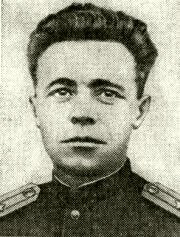
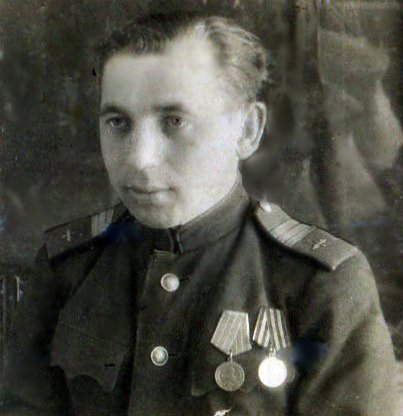
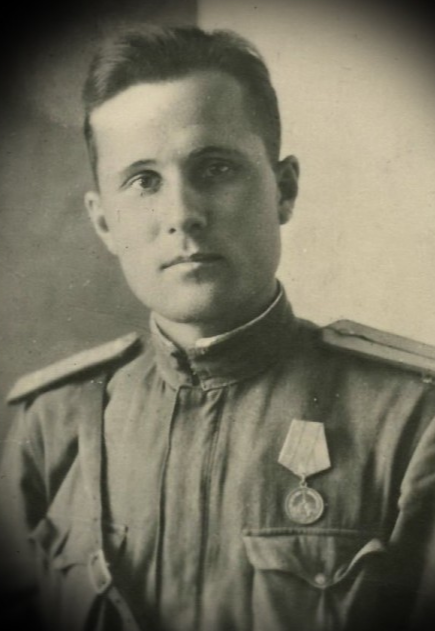
Alexandrov Nikolay Andreevich
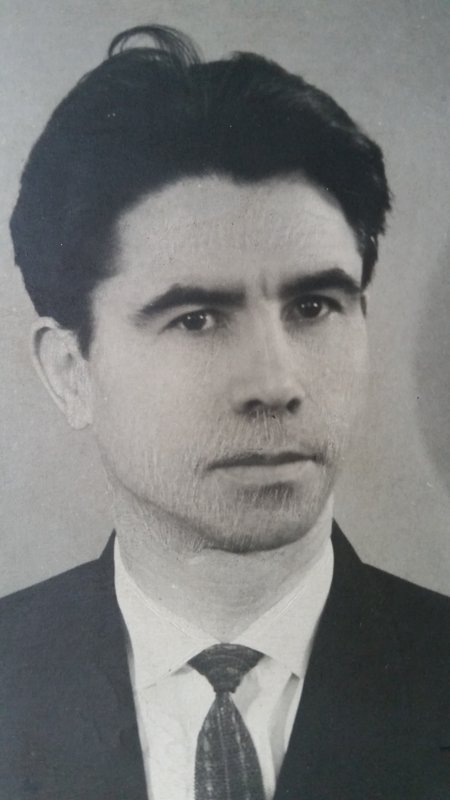
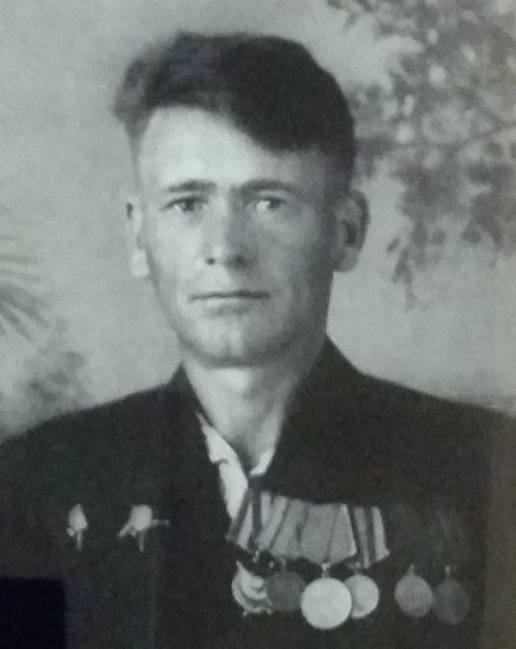
DATE OF BIRTH: 06/21/1916 DATE OF DEATH: - HISTORY: Type of troops: - ground forces, - air force (except naval aviation), - coastal service, - troops of the NKVD, - border troops. Subdivision: 128th Pskov Red Banner Infantry Division. Nikolai Aleksandrov was born in the village of Bolobonovo, Kurmysh District, Nizhny Novgorod Region on June 22, 1916. Later, he and his family moved to Nizhny Novgorod. In 1934 he married Maria Fyodorovna Zinovieva. Before the war, or rather until the summer of 1942, he worked as a turner at a Machine-Building Plant. He went to the front in the summer of 1942 as a volunteer. First, Nikolai Andreevich got into the courses of the political staff of the Red Army. While still a cadet, he had to participate in the Sinyavino operation (August 19 - October 10, 1942). It was an offensive operation by the Soviet troops of the Volkhov and Leningrad fronts. It was carried out against the German army of Army Group "North" with the aim of breaking the blockade of Leningrad. Despite the fact that the operation did not lead to a breakthrough of the blockade, the Soviet troops with their offensive thwarted the enemy's operation to capture Leningrad under the code name "Northern Lights". This operation diverted significant forces of German troops from Stalingrad and the North Caucasus. The trenches and dugouts were gradually filled with water. In order to somehow hide from enemy fire, the soldiers had to dig it out with buckets. For participation in the Sinyavino operation on December 22, 1942, Nikolai Andreevich was awarded the medal "For the Defense of Leningrad". After completing training in November 1942, he was appointed deputy company commander for political affairs in the 930th Infantry Regiment of the 256th Infantry Division of the 2nd Shock Army of the Volkhov Front. On January 12, 1943, the troops of the Leningrad and Volkhov fronts launched Operation Iskra and by January 18 they broke through the blockade of Leningrad. In the future, the Soviet troops were to continue the offensive to the south towards Mga and regain control over the Kirov railway. However, German troops fortified themselves on a new frontier. The main knot of the enemy's defense was the positions on the Sinyavinsky Heights. Two great heights crown the Sinyavinskaya ridge: one is north of the ruins of the village of Sinyavino with the remains of a church, and the other is south of the church. The Germans occupied these heights and the plateau between them, turning them into a fortress. From this "ram's forehead" for fifteen kilometers the entire peat lowland in the 180-degree sector to Lake Ladoga was viewed and shot through. The 2nd Shock Army was to link up with the troops of Leningrad. Various formations of Soviet troops attacked the Sinyavinsky heights, periodically replacing each other. Soviet units repeatedly burst into the village of Sinyavino, but each time they were thrown back by enemy counterattacks. In March 1943, my great-grandfather was appointed deputy company commander for political affairs in the 533th Infantry Regiment of the 128th Infantry Division. During the next battles on March 19, 1943, Nikolai Andreevich was seriously wounded.
Alexandrov Nikolay Andreevich
DATE OF BIRTH: 06/21/1916 DATE OF DEATH: - HISTORY: Type of troops: - ground forces, - air force (except naval aviation), - coastal service, - troops of the NKVD, - border troops. Subdivision: 128th Pskov Red Banner Infantry Division. Nikolai Aleksandrov was born in the village of Bolobonovo, Kurmysh District, Nizhny Novgorod Region on June 22, 1916. Later, he and his family moved to Nizhny Novgorod. In 1934 he married Maria Fyodorovna Zinovieva. Before the war, or rather until the summer of 1942, he worked as a turner at a Machine-Building Plant. He went to the front in the summer of 1942 as a volunteer. First, Nikolai Andreevich got into the courses of the political staff of the Red Army. While still a cadet, he had to participate in the Sinyavino operation (August 19 - October 10, 1942). It was an offensive operation by the Soviet troops of the Volkhov and Leningrad fronts. It was carried out against the German army of Army Group "North" with the aim of breaking the blockade of Leningrad. Despite the fact that the operation did not lead to a breakthrough of the blockade, the Soviet troops with their offensive thwarted the enemy's operation to capture Leningrad under the code name "Northern Lights". This operation diverted significant forces of German troops from Stalingrad and the North Caucasus. The trenches and dugouts were gradually filled with water. In order to somehow hide from enemy fire, the soldiers had to dig it out with buckets. For participation in the Sinyavino operation on December 22, 1942, Nikolai Andreevich was awarded the medal "For the Defense of Leningrad". After completing training in November 1942, he was appointed deputy company commander for political affairs in the 930th Infantry Regiment of the 256th Infantry Division of the 2nd Shock Army of the Volkhov Front. On January 12, 1943, the troops of the Leningrad and Volkhov fronts launched Operation Iskra and by January 18 they broke through the blockade of Leningrad. In the future, the Soviet troops were to continue the offensive to the south towards Mga and regain control over the Kirov railway. However, German troops fortified themselves on a new frontier. The main knot of the enemy's defense was the positions on the Sinyavinsky Heights. Two great heights crown the Sinyavinskaya ridge: one is north of the ruins of the village of Sinyavino with the remains of a church, and the other is south of the church. The Germans occupied these heights and the plateau between them, turning them into a fortress. From this "ram's forehead" for fifteen kilometers the entire peat lowland in the 180-degree sector to Lake Ladoga was viewed and shot through. The 2nd Shock Army was to link up with the troops of Leningrad. Various formations of Soviet troops attacked the Sinyavinsky heights, periodically replacing each other. Soviet units repeatedly burst into the village of Sinyavino, but each time they were thrown back by enemy counterattacks. In March 1943, my great-grandfather was appointed deputy company commander for political affairs in the 533th Infantry Regiment of the 128th Infantry Division. During the next battles on March 19, 1943, Nikolai Andreevich was seriously wounded.
0 comment



2026 © Russian Military Historical Society Developed by Jetmix