


Alkhimenok Illarion Romanovich
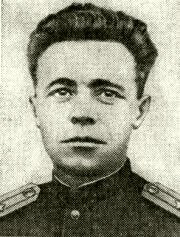
CITY: Belarus, village Dernovichi, Vitebsk region DATE OF BIRTH: 01/01/1906 DATE OF DEATH: 06/26/1944 HISTORY: Title: Red Army soldier. This is a story about the father of my mother-in-law, Alkhimenok Maya Illarionovna. His photographs have not survived. “My father, Alkhimenok Illarion Romanovich, was born in Belarus, in the village of Dernovichi, Vitebsk region, in 1906. In 1924 he was drafted into the army. Since he spent his entire childhood among horses, caring for them, he went to serve in the cavalry army, where he rose to the rank of lieutenant and squadron commander. He served in Tajikistan, fought with the Basmachs and helped establish Soviet power there. In 1933 he married my mother - Anokhina Evdokia Semyonovna. They had three children. In 1937, at the request of the commandant's office officer, for the anecdote told by the regiment commander about Stalin in the circle of officers, which included my father, they were all arrested. The arrests continued for several months until the entire command staff of the regiment was exposed. The wives were also arrested, from whom they demanded confessions that their husbands are enemies of the people. The children of the arrested officers were also subjected to repression, with the result that most of them died. Only three survived, who remained disabled, including myself, his daughter. According to the court, my father was sentenced to 10 years in prison in a political camp. On the second day of the war, all convicted political camps submitted an application with a request to send them to the front to defend their homeland in order to atone for their guilt before their country. On June 29, 1941, all prisoners, including the father, were formed and sent to the front by a penal battalion. The battalion ended up in Belarus, where there were fierce battles. My father was surrounded by a group of soldiers. But since he was born in these places and knew them well, he managed to reach the group of the partisan detachment and with the whole group of soldiers he entered this detachment, and until 1943 he fought in the partisan detachment. And my mother was sent a notice of the death of my father, and a pension was assigned to me. And when the partisan detachment was reunited with the active army in 1943 after the liberation of those places from the Nazis, my father wrote us a letter in which he informed us that he was alive and well and continued to fight in the active army. He also explained why he could have been presumed killed and told us about his death. Mom immediately reported to the social security agency that the notification was a mistake and the father was alive. Throughout 1943 and until June 1944, there was regular correspondence with my father from the front. In one of the letters, the father wrote that the commander of his unit wants to apply for his father to restore his officer rank. And my father asked my mother to go to the regiment where he served and take a track record for him. But my mother did not succeed in doing this, since the regiment was disbanded in other parts, and the documents were no longer in the same place. Mom told my father about this. And the father replied that his commander would try to get these documents through the Turkestan military district. The last messages from my father were two postcards from the front, in one of them he congratulated me on my birthday (on May 24, 1944, I turned 10). We received these cards at the end of June. I still have them, and I re-read them periodically. They are already barely readable. And on June 30, 1944, we received a notice that my father died on June 26, 1944 in Hungary. Due to the inconsistency in the numbers, my mother did not believe for a long time that he was dead, that this was again a mistake, and she was waiting for his return. But in 2016, through a computer, requesting information on where exactly my father was buried, I received unexpected news, a photocopy of notification No. 2014, certified by the unit commander Gulyaev and chief of staff Shalygin separately from the Guards Fighter Anti-Tank Division about the death of my father on June 26, 1944, but he was not buried in Hungary, in the Vitebsk region, Sennovsky district, the village of Baboedovo. And on October 19, 1960, by the Plenum of the Supreme Court of the USSR, the charges against Alkhimenok I.R. were canceled and the case was dismissed for lack of corpus delicti and in this case he was completely rehabilitated. My father was given back the rank of lieutenant officer, but after his death at the front, where he died as an ordinary soldier, "defending the Motherland, faithful to the military oath, showing heroism and courage." As written in the notice of his death. But in fact he was an officer and died as an officer of his homeland. " Recorded by Olga Valerievna Pakhomova.
Alkhimenok Illarion Romanovich
CITY: Belarus, village Dernovichi, Vitebsk region DATE OF BIRTH: 01/01/1906 DATE OF DEATH: 06/26/1944 HISTORY: Title: Red Army soldier. This is a story about the father of my mother-in-law, Alkhimenok Maya Illarionovna. His photographs have not survived. “My father, Alkhimenok Illarion Romanovich, was born in Belarus, in the village of Dernovichi, Vitebsk region, in 1906. In 1924 he was drafted into the army. Since he spent his entire childhood among horses, caring for them, he went to serve in the cavalry army, where he rose to the rank of lieutenant and squadron commander. He served in Tajikistan, fought with the Basmachs and helped establish Soviet power there. In 1933 he married my mother - Anokhina Evdokia Semyonovna. They had three children. In 1937, at the request of the commandant's office officer, for the anecdote told by the regiment commander about Stalin in the circle of officers, which included my father, they were all arrested. The arrests continued for several months until the entire command staff of the regiment was exposed. The wives were also arrested, from whom they demanded confessions that their husbands are enemies of the people. The children of the arrested officers were also subjected to repression, with the result that most of them died. Only three survived, who remained disabled, including myself, his daughter. According to the court, my father was sentenced to 10 years in prison in a political camp. On the second day of the war, all convicted political camps submitted an application with a request to send them to the front to defend their homeland in order to atone for their guilt before their country. On June 29, 1941, all prisoners, including the father, were formed and sent to the front by a penal battalion. The battalion ended up in Belarus, where there were fierce battles. My father was surrounded by a group of soldiers. But since he was born in these places and knew them well, he managed to reach the group of the partisan detachment and with the whole group of soldiers he entered this detachment, and until 1943 he fought in the partisan detachment. And my mother was sent a notice of the death of my father, and a pension was assigned to me. And when the partisan detachment was reunited with the active army in 1943 after the liberation of those places from the Nazis, my father wrote us a letter in which he informed us that he was alive and well and continued to fight in the active army. He also explained why he could have been presumed killed and told us about his death. Mom immediately reported to the social security agency that the notification was a mistake and the father was alive. Throughout 1943 and until June 1944, there was regular correspondence with my father from the front. In one of the letters, the father wrote that the commander of his unit wants to apply for his father to restore his officer rank. And my father asked my mother to go to the regiment where he served and take a track record for him. But my mother did not succeed in doing this, since the regiment was disbanded in other parts, and the documents were no longer in the same place. Mom told my father about this. And the father replied that his commander would try to get these documents through the Turkestan military district. The last messages from my father were two postcards from the front, in one of them he congratulated me on my birthday (on May 24, 1944, I turned 10). We received these cards at the end of June. I still have them, and I re-read them periodically. They are already barely readable. And on June 30, 1944, we received a notice that my father died on June 26, 1944 in Hungary. Due to the inconsistency in the numbers, my mother did not believe for a long time that he was dead, that this was again a mistake, and she was waiting for his return. But in 2016, through a computer, requesting information on where exactly my father was buried, I received unexpected news, a photocopy of notification No. 2014, certified by the unit commander Gulyaev and chief of staff Shalygin separately from the Guards Fighter Anti-Tank Division about the death of my father on June 26, 1944, but he was not buried in Hungary, in the Vitebsk region, Sennovsky district, the village of Baboedovo. And on October 19, 1960, by the Plenum of the Supreme Court of the USSR, the charges against Alkhimenok I.R. were canceled and the case was dismissed for lack of corpus delicti and in this case he was completely rehabilitated. My father was given back the rank of lieutenant officer, but after his death at the front, where he died as an ordinary soldier, "defending the Motherland, faithful to the military oath, showing heroism and courage." As written in the notice of his death. But in fact he was an officer and died as an officer of his homeland. " Recorded by Olga Valerievna Pakhomova.
0 comment



2026 © Russian Military Historical Society Developed by Jetmix