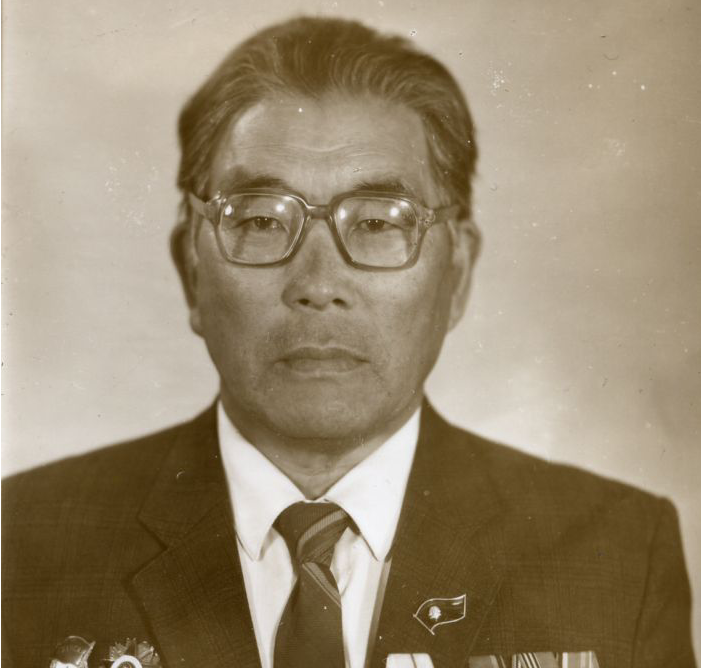
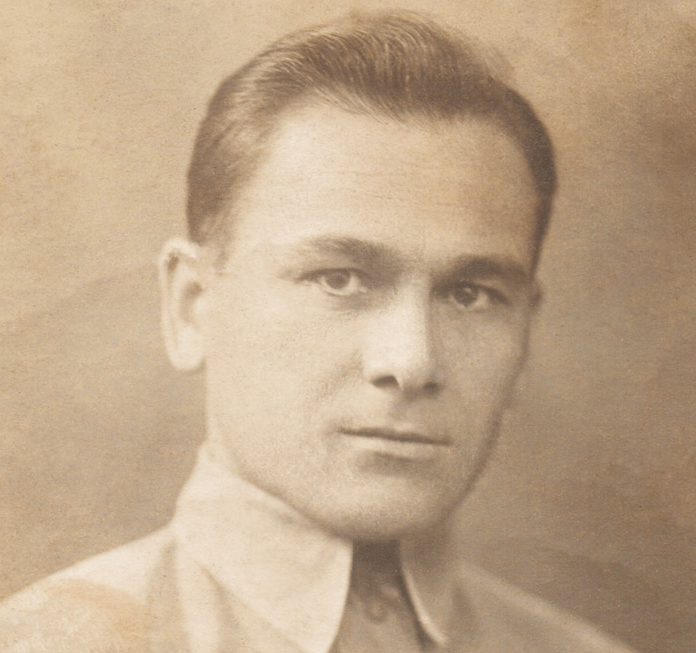

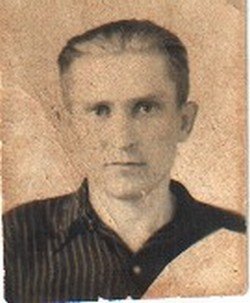
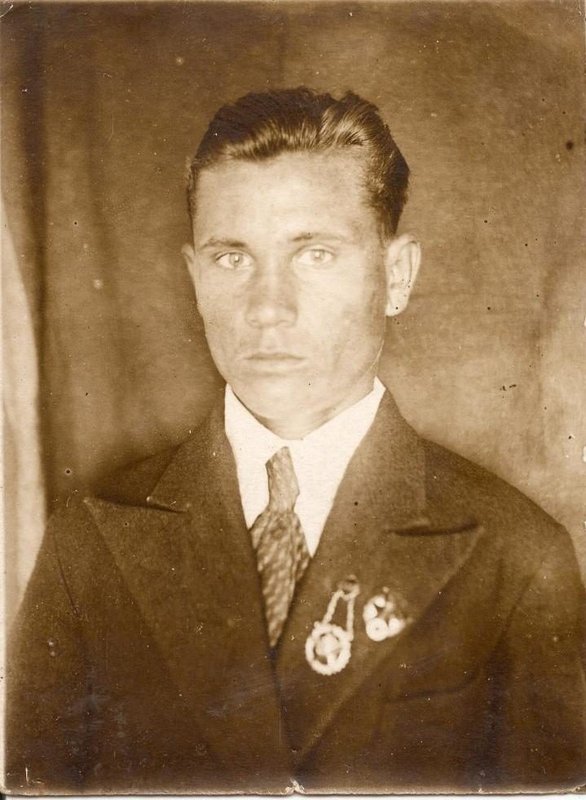


Esikov Ivan Dmitrievich
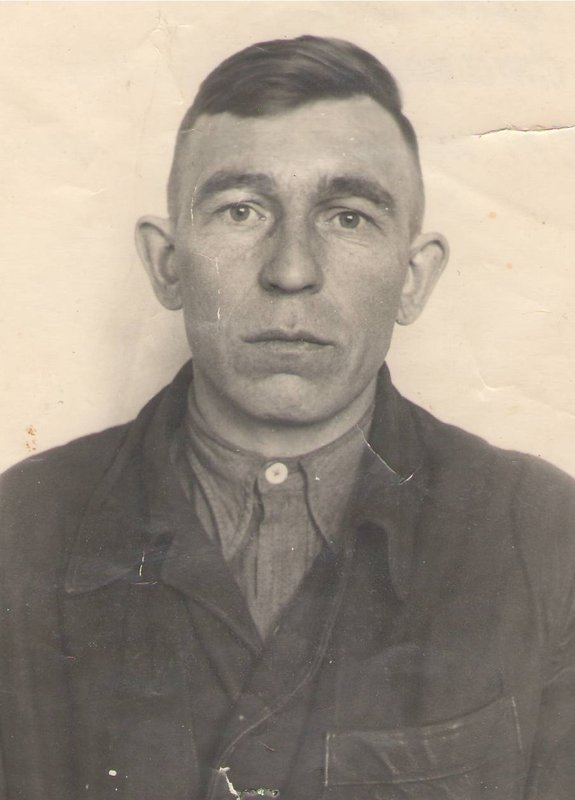
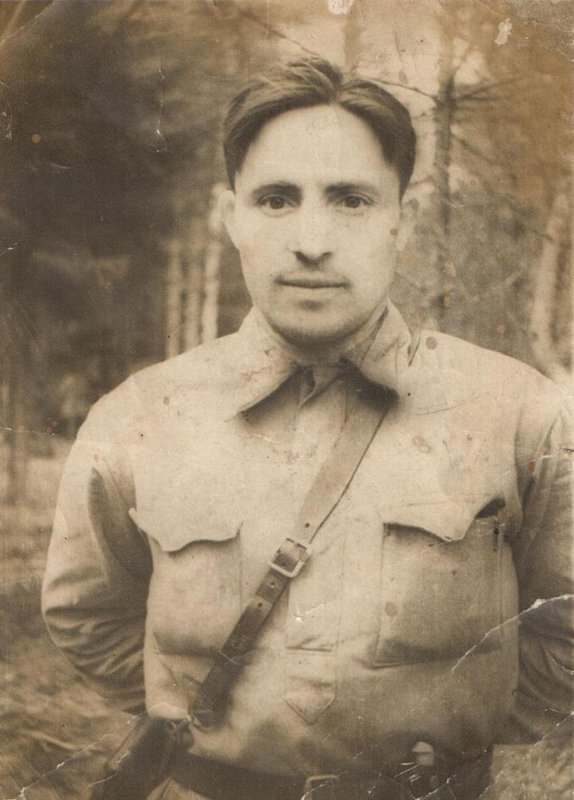
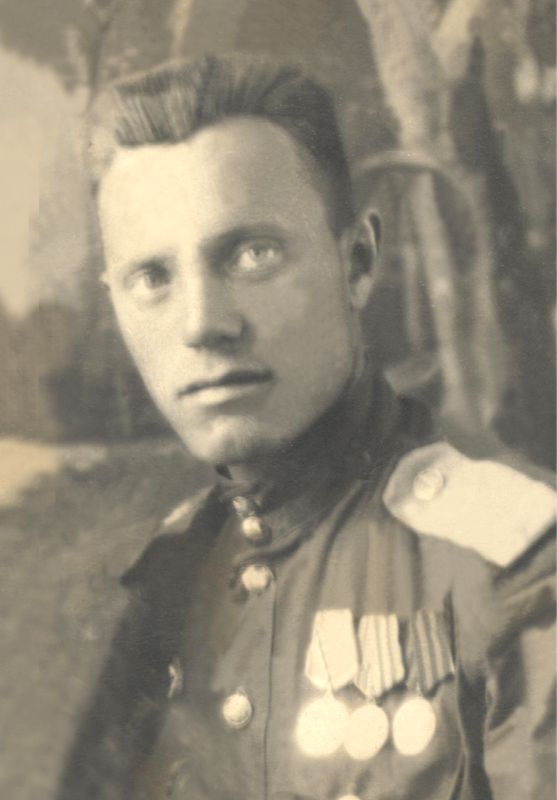
Rank: Private First Class. Corps: aviation Division: 54th bombing aviation of Oryol division. Ivan Yesikov was drafted into the Red Army in 1939 at the age of 22. He left his wife and little daughter at home. He participated in the Soviet-Finnish war (1939-1940). In 1941, he was registered in the 714th Airfield Service battalion, as a driver. From 1945 to 1947, he served in the military unit: 146th Separate Aviation technical battalion, as head of the oxygen station. He participated in many military operations, was awarded of medals, and participated in the liberation of Ukraine, Belarus, Poland, and Hungary. He returned home in 1947, where his wife and daughter were waiting for him. After that, my grandparents had three more daughters. Difficult conditions during the war, lack of sleep, rest, food had a bad effect on the health of my grandfather, he was very ill and passed away very early. He was only 46 years old. It is impossible to imagine combat flights of aircraft without the work that was performed by the personnel of the airfield service battalions in providing combat missions for the glorious pilots of the long-range aviation. Airfield Service battalion worked with a huge mass of ammunition, mostly bombs from fifty kilograms to one ton. Ammunition was delivered by several dozen wagons a day. They had to be unloaded, put in proper order, and brought to the aircraft parking places with three or four rounds of ammunition each. During the battles for Voronezh, Stalingrad, the Kursk bulge, and the Leningrad front, the Airfield Service battalion soldiers were literally physically exhausted, without sleep or rest, and provided combat sorties for ships in any weather. Ships that returned from their first sortie were refueled at the start and bombs were hung there. Vehicles, because of the deep snow, brought ammunition only to the sides of the airfield, they could not go further. The bombs were unloaded directly on the snow, from where the soldiers carried one two hundred-and-fifty kilogram bomb to the planes on sledges or skis in the deep and loose snow. There were not enough people, the volume was not controlled, and then the pilots, throwing off their overalls, also helped soldiers. Their work was not in vain. During this period, the first of ten Stalinist strikes was carried out… During the battle of the Kursk bulge, the Airfield Service battalion soldiers did not have enough 24 hours a day. During the day, they prepared planes, and at night they went to the combat guard. At night, the Germans bombed the airfield, scattered mines, these mines could blow up planes returning from a combat mission, and before they arrived, it was necessary to clear the runway of mines and fill in the craters. This was done again by soldiers and officers of the Airfield Service battalion. 1944-1945. The Airfield Service battalion No.714 served two air regiments at the same time on airfields: "Stronibaby "(Lviv) and "Melets " (Rzeszow) air hubs, in addition, provided significant assistance to other units in servicing the air regiments of the 4th Air Corps.
Esikov Ivan Dmitrievich
Rank: Private First Class. Corps: aviation Division: 54th bombing aviation of Oryol division. Ivan Yesikov was drafted into the Red Army in 1939 at the age of 22. He left his wife and little daughter at home. He participated in the Soviet-Finnish war (1939-1940). In 1941, he was registered in the 714th Airfield Service battalion, as a driver. From 1945 to 1947, he served in the military unit: 146th Separate Aviation technical battalion, as head of the oxygen station. He participated in many military operations, was awarded of medals, and participated in the liberation of Ukraine, Belarus, Poland, and Hungary. He returned home in 1947, where his wife and daughter were waiting for him. After that, my grandparents had three more daughters. Difficult conditions during the war, lack of sleep, rest, food had a bad effect on the health of my grandfather, he was very ill and passed away very early. He was only 46 years old. It is impossible to imagine combat flights of aircraft without the work that was performed by the personnel of the airfield service battalions in providing combat missions for the glorious pilots of the long-range aviation. Airfield Service battalion worked with a huge mass of ammunition, mostly bombs from fifty kilograms to one ton. Ammunition was delivered by several dozen wagons a day. They had to be unloaded, put in proper order, and brought to the aircraft parking places with three or four rounds of ammunition each. During the battles for Voronezh, Stalingrad, the Kursk bulge, and the Leningrad front, the Airfield Service battalion soldiers were literally physically exhausted, without sleep or rest, and provided combat sorties for ships in any weather. Ships that returned from their first sortie were refueled at the start and bombs were hung there. Vehicles, because of the deep snow, brought ammunition only to the sides of the airfield, they could not go further. The bombs were unloaded directly on the snow, from where the soldiers carried one two hundred-and-fifty kilogram bomb to the planes on sledges or skis in the deep and loose snow. There were not enough people, the volume was not controlled, and then the pilots, throwing off their overalls, also helped soldiers. Their work was not in vain. During this period, the first of ten Stalinist strikes was carried out… During the battle of the Kursk bulge, the Airfield Service battalion soldiers did not have enough 24 hours a day. During the day, they prepared planes, and at night they went to the combat guard. At night, the Germans bombed the airfield, scattered mines, these mines could blow up planes returning from a combat mission, and before they arrived, it was necessary to clear the runway of mines and fill in the craters. This was done again by soldiers and officers of the Airfield Service battalion. 1944-1945. The Airfield Service battalion No.714 served two air regiments at the same time on airfields: "Stronibaby "(Lviv) and "Melets " (Rzeszow) air hubs, in addition, provided significant assistance to other units in servicing the air regiments of the 4th Air Corps.
0 comment



2026 © Russian Military Historical Society Developed by Jetmix