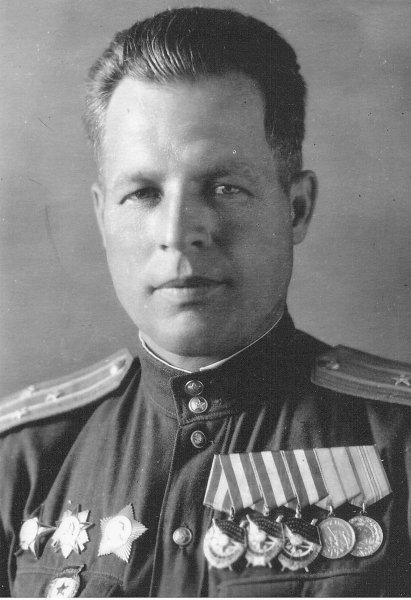
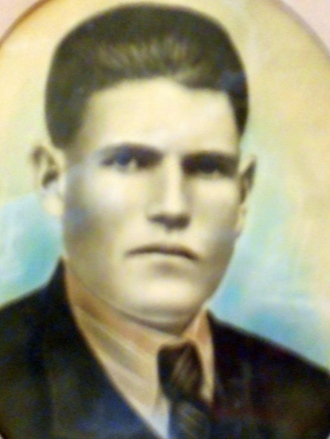
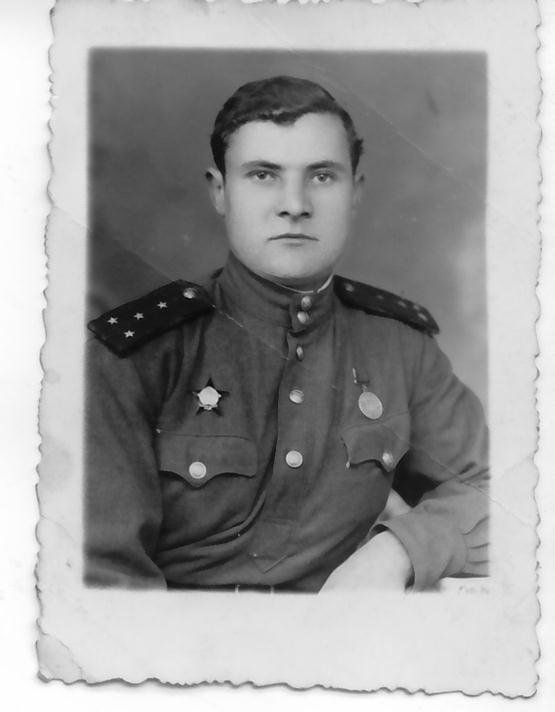
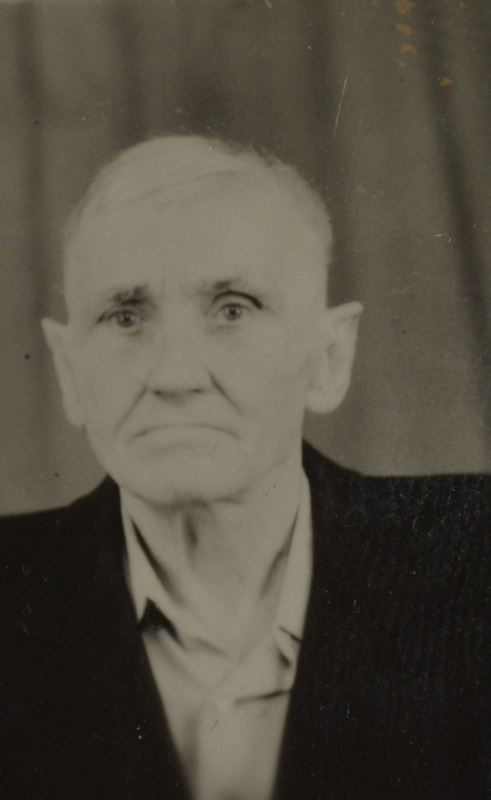
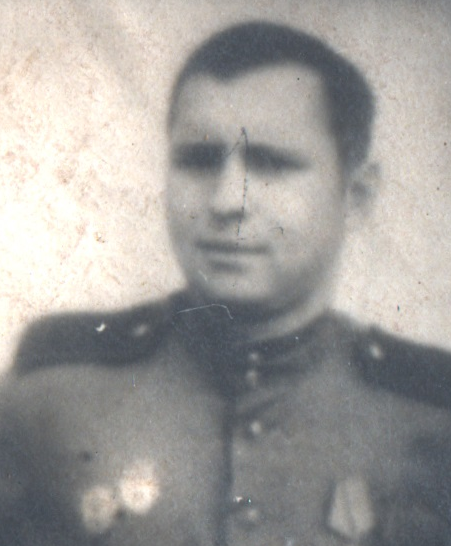
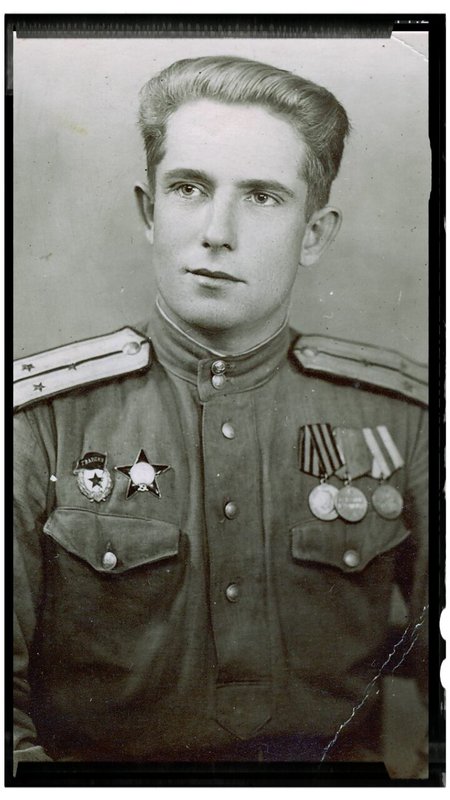
Kitaev Abdurahman (Andrew) Fetahovic (Fedorovich)
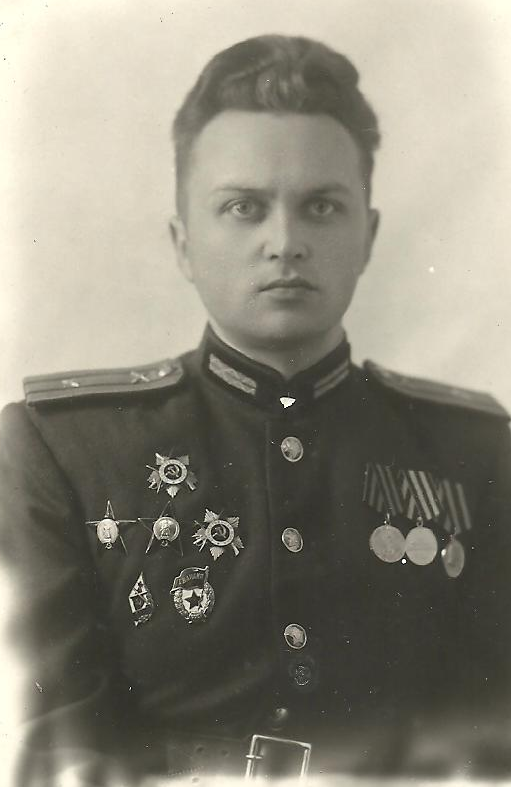
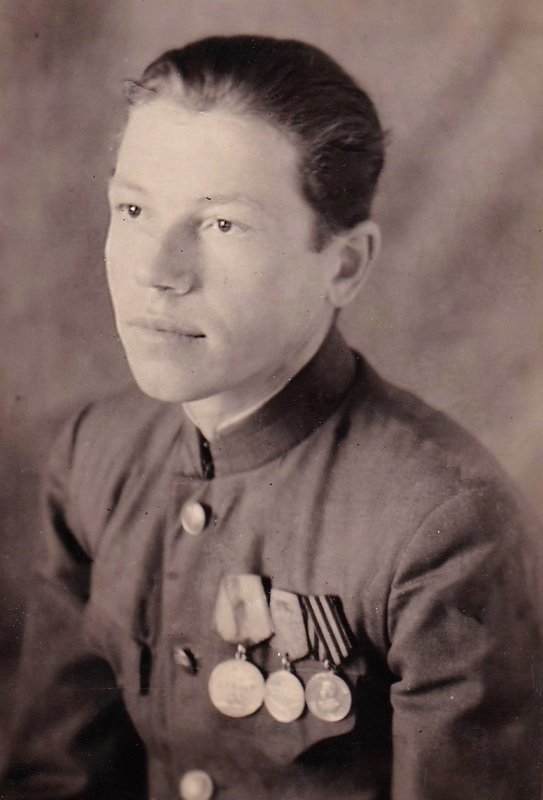
Kitaev Abdurakhman Fetyakhovich (Andrey Fedorovich) was born on 23 June 1921 in the village of Tatar Yunki, Krasnoslobodskij ujezd, Penza Province (now Torbejewskij District of the Republic of Mordovia). The family had six brothers who were raised by their father, as their mother died early. In 1938 Kitaev moved to Uzbekistan, to the city of Kokand. In 1940 Andrei was called up for military service in the Red Army. He went to serve in the 240th Rifle Regiment, which was stationed in the city of Kuibyshev. In the autumn of the same year he was transferred to the city of Ulyanovsk to the repair workshops of the field aviation. On June 22, 1941 the regiment, in which Corporal Kitaev served, was in summer camps when the meeting was reported. That was how Andrei learned that the war had begun. His military unit was urgently transferred to the town of Melekes, where the 336th Division was formed. Kitaev was assigned to the 909th Artillery Regiment of the 336th Division of the 1st Ukrainian Front. The enemy approached Moscow with a tremendous onslaught. We fought for every piece of land, for the capital of our country. Military position of the fighter Kitaev Artillery Reconnaissance Detachment. His job is not to let the enemy planes guess the true location of our units, to misinform the enemy by false fire. He received the first wound, then hospital treatment. Wounded again in the fighting for Ukraine, in the liberation of Lvov. The third time he was wounded in Poland in 1944. With this wound, Andrei passed through four hospitals and met with victory there. He was released in June 1945. After his release he was sent to the 350 Division Training Battalion to train cadets in military matters. For services to the Motherland Andrey Kitaev, medals "for bravery" "for military merit" and other awards. Andrew was discharged with the rank of sergeant and returned to civilian life in 1946. He arrived on Sakhalin Island in 1949. He worked on the railway. He lived in the village of Leonidovo in the Poronai district of the Sakhalin region. In 1945 he was awarded the Order of the Patriotic War II in honor of the 40th anniversary of the Victory in World War Two. He died on January 24, 2016.
Kitaev Abdurahman (Andrew) Fetahovic (Fedorovich)
Kitaev Abdurakhman Fetyakhovich (Andrey Fedorovich) was born on 23 June 1921 in the village of Tatar Yunki, Krasnoslobodskij ujezd, Penza Province (now Torbejewskij District of the Republic of Mordovia). The family had six brothers who were raised by their father, as their mother died early. In 1938 Kitaev moved to Uzbekistan, to the city of Kokand. In 1940 Andrei was called up for military service in the Red Army. He went to serve in the 240th Rifle Regiment, which was stationed in the city of Kuibyshev. In the autumn of the same year he was transferred to the city of Ulyanovsk to the repair workshops of the field aviation. On June 22, 1941 the regiment, in which Corporal Kitaev served, was in summer camps when the meeting was reported. That was how Andrei learned that the war had begun. His military unit was urgently transferred to the town of Melekes, where the 336th Division was formed. Kitaev was assigned to the 909th Artillery Regiment of the 336th Division of the 1st Ukrainian Front. The enemy approached Moscow with a tremendous onslaught. We fought for every piece of land, for the capital of our country. Military position of the fighter Kitaev Artillery Reconnaissance Detachment. His job is not to let the enemy planes guess the true location of our units, to misinform the enemy by false fire. He received the first wound, then hospital treatment. Wounded again in the fighting for Ukraine, in the liberation of Lvov. The third time he was wounded in Poland in 1944. With this wound, Andrei passed through four hospitals and met with victory there. He was released in June 1945. After his release he was sent to the 350 Division Training Battalion to train cadets in military matters. For services to the Motherland Andrey Kitaev, medals "for bravery" "for military merit" and other awards. Andrew was discharged with the rank of sergeant and returned to civilian life in 1946. He arrived on Sakhalin Island in 1949. He worked on the railway. He lived in the village of Leonidovo in the Poronai district of the Sakhalin region. In 1945 he was awarded the Order of the Patriotic War II in honor of the 40th anniversary of the Victory in World War Two. He died on January 24, 2016.
0 comment




2026 © Russian Military Historical Society Developed by Jetmix