Viktor Ivanovich Eronko
Viktor Ivanovich Eronko
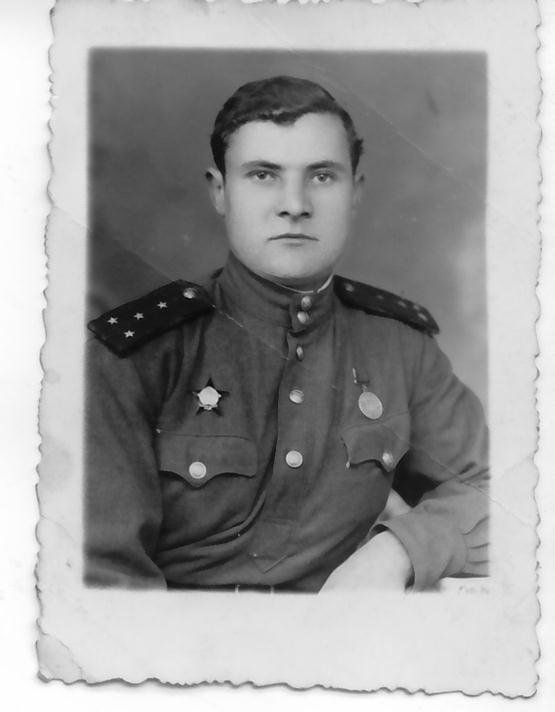
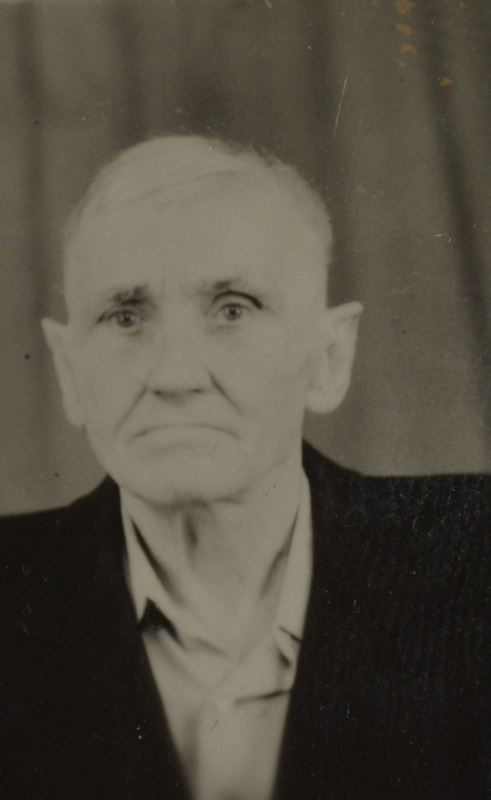
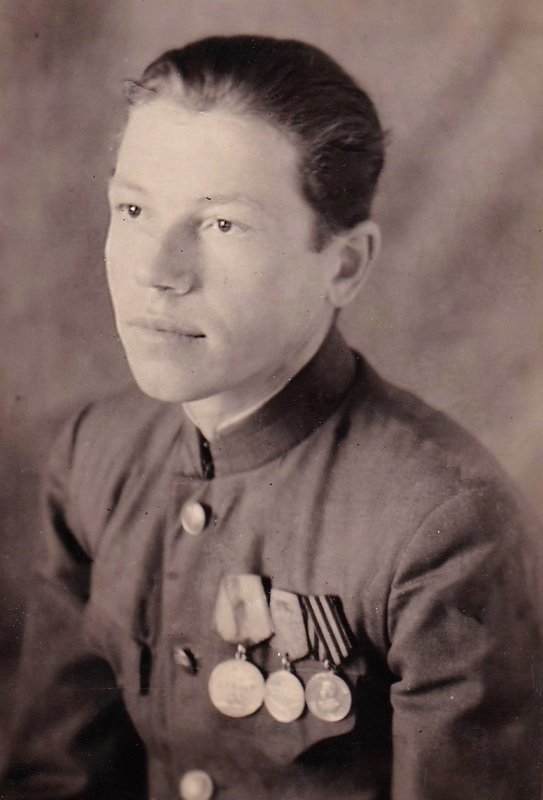
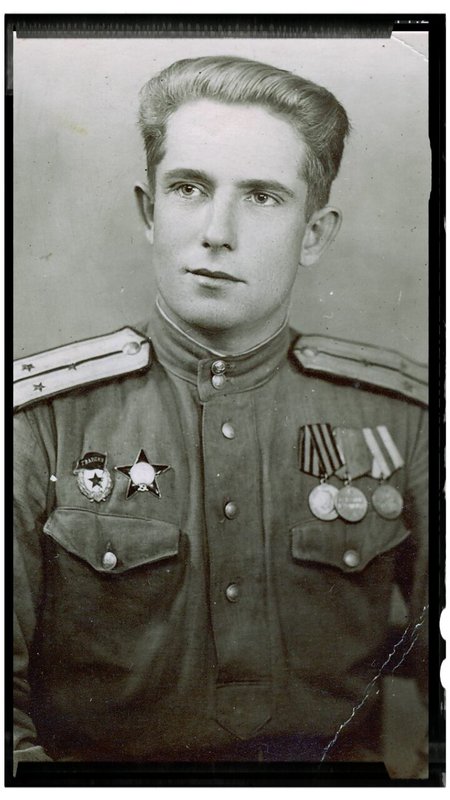
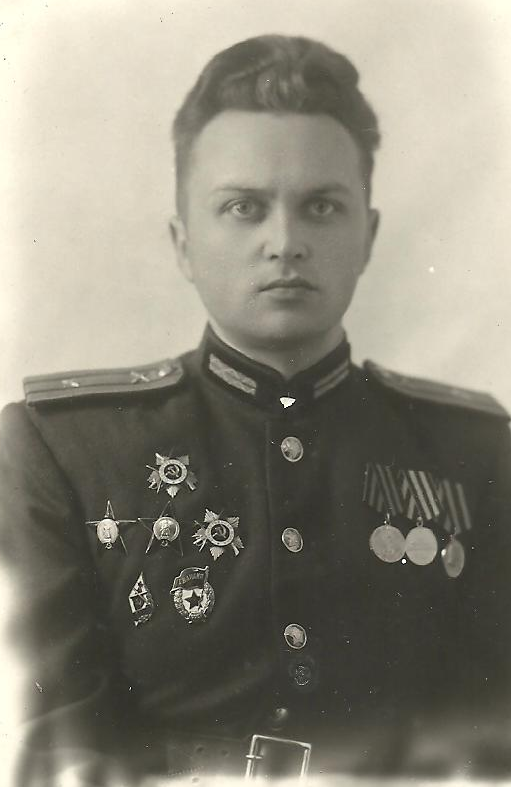
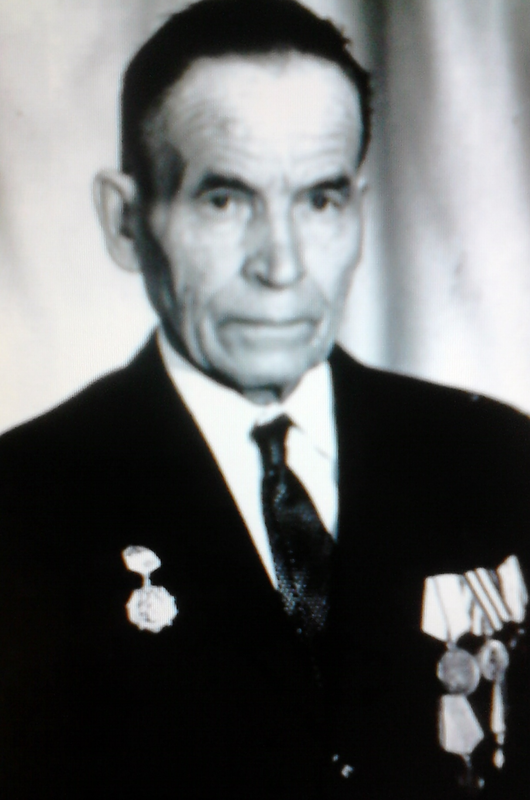
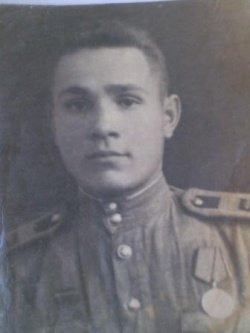
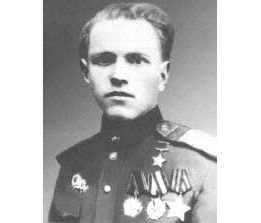
Viktor Ivanovich Eronko (1920-1991). Viktor Ivanovich Eeronko was born on 10 May 1920 in Polotsk, Vitebsk region of Belarus. He graduated from the incomplete secondary school and factory school, worked as a locksmith. As an 18-year-old boy he was sentenced by the Troika of the NKVD of the Moscow Region under Article 162 of the Criminal Code to four years for theft. Very quickly he found himself in the Kolyma camp, working as a miner in the gold mines near Susuman. Naturally, he regretted the crime committed in his youth. He was released in June 1942 and three months later he was appointed to the Red Army by the Military Commissariat of the Srednekansky district. Rank: Sergeant Major. Type of service: - ground troops, - air force (except naval aviation), - coast guard, troops of the NKVD, - border guard. Division: 250th Rifle Bobruisk red banner command of the Suvorov Division. 922 Red Banner Order of the Rifle Regiment Alexander Nevsky. Senior Sergeant Viktor Ivanovich Eronko , rifleman of the 45 mm cannon battery. At the end of 1942 he took the fight to the Nazis, was a gunner 922 250 infantry regiment, 3 Infantry Division, army of the 2nd Belarusian Front. In the early morning of 22 June 1944 there was dead silence over the front positions of the German troops in Belarus. It seemed that nothing unusual was to be expected on this day when suddenly everything came to life: a powerful barrage of artillery and air force fire fell on the enemy defense, the main forces of the three Soviet fronts went over to attack. Thus began the first day of the fourth year of the war and with it Operation Bagration. It also included the 250th rifle division of the 3rd army of Lieutenant General A.V. Gorbatov, a former Kolyma prisoner. The next day, when he broke through the defense of the village of Oserany, Sergeant Viktor Yeronko suppressed the fire of seven enemy machine gun spikes from his 45 mm gun, courageously crossed the Drut River. On 25 June 1944 he shot down two self-propelled guns and took part in the liberation of the town of Bobruisk. Five days later he fought with his anti-tank gun in the village Staraya Martinovka, at the highway Mogilev-Minsk, against superior enemy forces, hit three tanks with well-aimed shots and destroyed six vehicles with a large number of enemy infantry. On July 12, 1944, during the battle near the village of Peski (Mostovskiy district, Grodno region), after the death of the entire gun crew, V.I. Eronko continued firing at the enemy, destroying one assault gun, three machine guns and a company of soldiers. Three and a half months later, on October 26, Sergeant W. I. Eronko was awarded the title of Hero of Soviet Union. He then liberated Poland, fought in East Prussia, and took part in the battles for Berlin. His military awards are a testimony of bravery and courage: the Order of the Red Banner, the Order of the 1st Degree Patriotic War, the Order of the 3rd Degree of Glory, Medals for the Liberation of Warsaw, For the capture of Koenigsberg, For the capture of Berlin. After the end of the war Viktor Ivanovich returned to his home town Polotsk, restored destroyed buildings, industrial buildings and then built a new town - Novopolotsk. Peaceful work was crowned with a new award - the Order of October Revolution, he was also awarded the title "Deserved Rationalizer of the Belarusian SSR". Aronica was elected an honorary citizen of Polotsk and Novopolotsk. David Reisman , a journalist. EXCERPTS from the AWARD LIST for the TITLE " HERO of the SOVIET UNION: Comrade Eronko, which reflects the counterattacks of large enemy forces near the village of Sherstin, Gomel Region, knocked down four German tanks from 45 mm guns. After the enemy had wedged itself into our defenses, it bypassed the cannon from three sides, taking out the entire crew except Eronko. Left alone, Eronko fought back to the last grenade, destroying up to 50 Germans and not leaving the firing position. During the breakthrough of the enemy defense near the village of Oserane, Rogachevsky district, Gomel region, on June 24, 1944, comrade Jeronko destroyed 7 enemy machine-gun positions with direct fire, which ensured the advance of the rifle company without a single loss. In a night battle on 25 June 1944, west of the village of Oserane, the enemy counter-attacked four times with the support of self-propelled guns. In this battle, Comrade Eronko knocked out 2 self-propelled guns and destroyed 31 enemy soldiers. In the battles for the capture of the highway Mogilev-Minsk on 30.06.1944, near the village Staro-Martyanovka in the Chervensky district of the Mogilev region, the regiment cut off the enemy's escape route; the enemy tried to break out of the ring, for which they threw a large force of infantry and tanks. Eronko took out 3 tanks and 6 vehicles with infantry in this battle with direct fire. In the battle when crossing the river Shchara on 10.7.1944 the enemy tried to stop our infantry with machine gun fire, comrade Eronko destroyed 3 German machine guns with their calculation. North-East by m. Sands from the Baranowitschi area on 12.07.1944 comrade Eronko with his calculation steadfastly repulsed the counter attacks of the enemy, who tried to delay the advance of our units to an important railway point. During the battle the whole crew was incapacitated and left alone, Yeronko continued to destroy the advancing Germans from his gun, fired at close range at a distance of 80-100 m, destroyed 3 machine gun spikes, a self-propelled rifle, scattered and destroyed sometimes up to 100 enemy soldiers, this above all he contributed to the destruction of the enemy and to the recapture of an advantageous line.
Viktor Ivanovich Eronko
Viktor Ivanovich Eronko
Viktor Ivanovich Eronko (1920-1991). Viktor Ivanovich Eeronko was born on 10 May 1920 in Polotsk, Vitebsk region of Belarus. He graduated from the incomplete secondary school and factory school, worked as a locksmith. As an 18-year-old boy he was sentenced by the Troika of the NKVD of the Moscow Region under Article 162 of the Criminal Code to four years for theft. Very quickly he found himself in the Kolyma camp, working as a miner in the gold mines near Susuman. Naturally, he regretted the crime committed in his youth. He was released in June 1942 and three months later he was appointed to the Red Army by the Military Commissariat of the Srednekansky district. Rank: Sergeant Major. Type of service: - ground troops, - air force (except naval aviation), - coast guard, troops of the NKVD, - border guard. Division: 250th Rifle Bobruisk red banner command of the Suvorov Division. 922 Red Banner Order of the Rifle Regiment Alexander Nevsky. Senior Sergeant Viktor Ivanovich Eronko , rifleman of the 45 mm cannon battery. At the end of 1942 he took the fight to the Nazis, was a gunner 922 250 infantry regiment, 3 Infantry Division, army of the 2nd Belarusian Front. In the early morning of 22 June 1944 there was dead silence over the front positions of the German troops in Belarus. It seemed that nothing unusual was to be expected on this day when suddenly everything came to life: a powerful barrage of artillery and air force fire fell on the enemy defense, the main forces of the three Soviet fronts went over to attack. Thus began the first day of the fourth year of the war and with it Operation Bagration. It also included the 250th rifle division of the 3rd army of Lieutenant General A.V. Gorbatov, a former Kolyma prisoner. The next day, when he broke through the defense of the village of Oserany, Sergeant Viktor Yeronko suppressed the fire of seven enemy machine gun spikes from his 45 mm gun, courageously crossed the Drut River. On 25 June 1944 he shot down two self-propelled guns and took part in the liberation of the town of Bobruisk. Five days later he fought with his anti-tank gun in the village Staraya Martinovka, at the highway Mogilev-Minsk, against superior enemy forces, hit three tanks with well-aimed shots and destroyed six vehicles with a large number of enemy infantry. On July 12, 1944, during the battle near the village of Peski (Mostovskiy district, Grodno region), after the death of the entire gun crew, V.I. Eronko continued firing at the enemy, destroying one assault gun, three machine guns and a company of soldiers. Three and a half months later, on October 26, Sergeant W. I. Eronko was awarded the title of Hero of Soviet Union. He then liberated Poland, fought in East Prussia, and took part in the battles for Berlin. His military awards are a testimony of bravery and courage: the Order of the Red Banner, the Order of the 1st Degree Patriotic War, the Order of the 3rd Degree of Glory, Medals for the Liberation of Warsaw, For the capture of Koenigsberg, For the capture of Berlin. After the end of the war Viktor Ivanovich returned to his home town Polotsk, restored destroyed buildings, industrial buildings and then built a new town - Novopolotsk. Peaceful work was crowned with a new award - the Order of October Revolution, he was also awarded the title "Deserved Rationalizer of the Belarusian SSR". Aronica was elected an honorary citizen of Polotsk and Novopolotsk. David Reisman , a journalist. EXCERPTS from the AWARD LIST for the TITLE " HERO of the SOVIET UNION: Comrade Eronko, which reflects the counterattacks of large enemy forces near the village of Sherstin, Gomel Region, knocked down four German tanks from 45 mm guns. After the enemy had wedged itself into our defenses, it bypassed the cannon from three sides, taking out the entire crew except Eronko. Left alone, Eronko fought back to the last grenade, destroying up to 50 Germans and not leaving the firing position. During the breakthrough of the enemy defense near the village of Oserane, Rogachevsky district, Gomel region, on June 24, 1944, comrade Jeronko destroyed 7 enemy machine-gun positions with direct fire, which ensured the advance of the rifle company without a single loss. In a night battle on 25 June 1944, west of the village of Oserane, the enemy counter-attacked four times with the support of self-propelled guns. In this battle, Comrade Eronko knocked out 2 self-propelled guns and destroyed 31 enemy soldiers. In the battles for the capture of the highway Mogilev-Minsk on 30.06.1944, near the village Staro-Martyanovka in the Chervensky district of the Mogilev region, the regiment cut off the enemy's escape route; the enemy tried to break out of the ring, for which they threw a large force of infantry and tanks. Eronko took out 3 tanks and 6 vehicles with infantry in this battle with direct fire. In the battle when crossing the river Shchara on 10.7.1944 the enemy tried to stop our infantry with machine gun fire, comrade Eronko destroyed 3 German machine guns with their calculation. North-East by m. Sands from the Baranowitschi area on 12.07.1944 comrade Eronko with his calculation steadfastly repulsed the counter attacks of the enemy, who tried to delay the advance of our units to an important railway point. During the battle the whole crew was incapacitated and left alone, Yeronko continued to destroy the advancing Germans from his gun, fired at close range at a distance of 80-100 m, destroyed 3 machine gun spikes, a self-propelled rifle, scattered and destroyed sometimes up to 100 enemy soldiers, this above all he contributed to the destruction of the enemy and to the recapture of an advantageous line.
0 comment



2026 © Russian Military Historical Society Developed by Jetmix