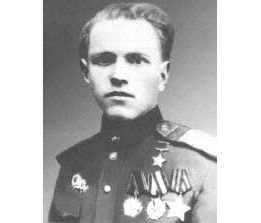
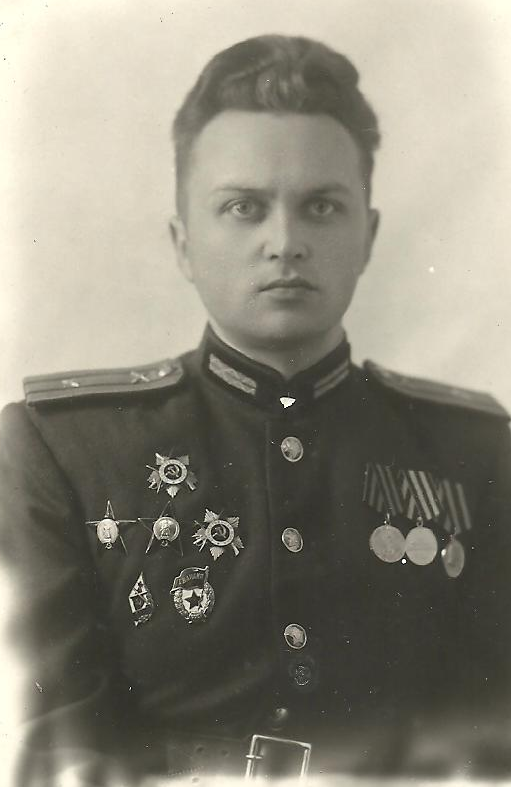
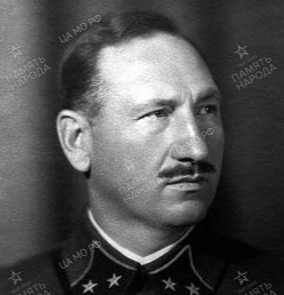
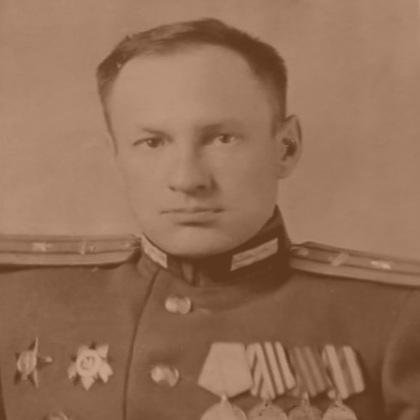
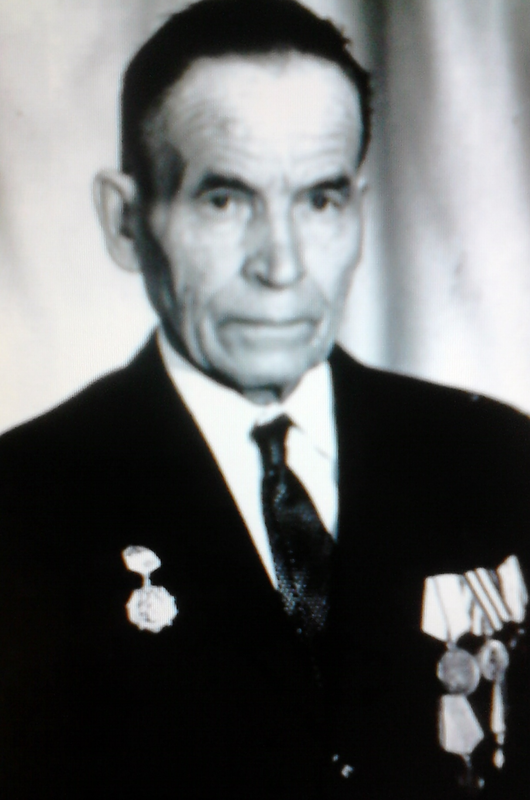
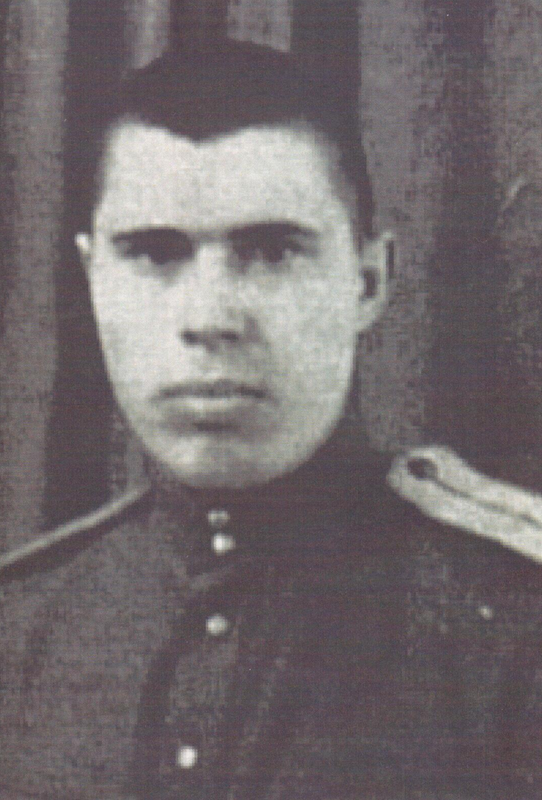
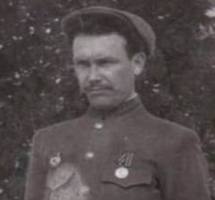
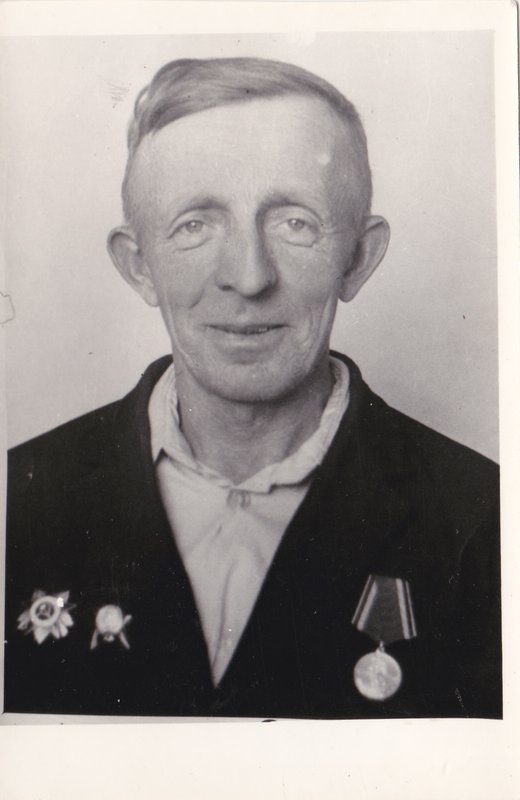
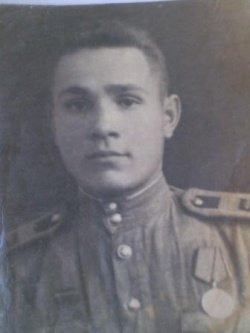
Ermolaev Alexander Ivanovich
Rank: Chief of Armed Forces: Land Forces, Air Force (except naval aviation), Coastal Service, NKVD troops, Border Guard. Alexander Ivanovich Ermolaev was born on 28 March 1924 in s. Ognev - Maydan, Ermolayevich, later the family moved to p. of Red Tongues. Alexander Ivanovich 's father was an educated man, worked as chairman of the kolkhoz. Alexander Ivanovich graduated from the primary school in the village Krasnye Yazyki, and the secondary school in Pokrov-Maidan. Every day he walked with other children to the school in the field, both in the cold and in the rain. He did not have to decide, there was no transport at that time. As a child he was a lively, agile, athletic boy, learned well. After finishing school he got, like many children, a job in the collective farm "Krasny Plowman".In 1942 Alexander Ivanovich was brought to the army. It ends up in "sand camps", as the distribution points were called in former times. There he studied military affairs and prepared for the front. The food was bad and the soldiers were malnourished. Those who knew how to hold a saw and an ax were offered to go and cut wood. Alexander Ivanovich agreed. He said that the food was better there and even handed out dry rations. He did not spend much time logging. After training, the 54th Brigade will be sent to the front. Alexander Ivanovich fought on the Leningrad front. The soldiers always went on the attack with the words: "For the fatherland! For the fatherland! For Stalin! Hurray!", Alexander Ivanovich said to his family: "The war is much more terrible than shown in the movies - it is horror, death, blood. Soldiers died not only in battle, but also during a break during lunch, with a spoon in hand." During the war Alexander Ivanovich reached Poland. Many times he went on reconnaissance for the "language". Unfortunately not all of them came back alive, but he was lucky. He was seriously wounded three times: on his arm, leg and chest. The most serious wound was a tangential shrapnel wound in the right half of the chest on September 4, 1943. Alexander Ivanovich has been treated in the evacuation hospital 2747 in the town of Borovichi near Leningrad since September 28. He left the hospital on 6 December 1943 to join the convalescence battalion for 20 days. After that he went back to the front. The wound in his chest was so severe and deep. After he was wounded in the leg, Alexander Ivanovich spent about a month in the DNO hospital. Lyudmila Alexandrovna, the daughter of Alexander Ivanovich, said that after the war her father was very disturbed by his leg wounded in battle. "If there was a chance I would cut it off," Alexander Ivanovich said to his daughter. In 1944 Alexander Ivanovich was sent to the Orel, Order of Lenin Tank School with a red banner. Then again to the front, then again to the war. In 1947 Alexander Ivanovich was released from Poland. The city of Gorky (today Nizhny Novgorod ) was reached by train, and then on the old road to Sergach - on foot. The meeting with family was very touching. His mother and his eight-year-old sister Valya got to know him. They searched the crowd for him and asked other soldiers about him. The war changed him a lot. He left as a young 18-year-old boy and returned as a real man. The mother stood in a circle of soldiers, asked about her son, and he was very close. And here are the words: "Mother! I am here, I am back, mother! They hugged and kissed each other, and Valya threw her arms around her older brother's neck. During the Great Patriotic War, Alexander Ivanovich was awarded the Order of the Patriotic War, the Medal "For Bravery", the Medal "For Victory over Germany in the Great Patriotic War 1941 - 1945" and thus ended the war for Alexander Ermolaev. His daughter, Lyudmila Alexandrovna Ermolaeva (now Chizhova) said: "my father was always honest, fair, loved to defend his civilian position, taught us to bear the pain courageously, as he endured at the front". The story of how he, together with other soldiers, was taken to hospital as a wounded man in dirty, blood-soaked calf carts, touched us emotionally and brought tears to our eyes. In such moments you cannot help but be amazed at the strength of the Russian character, the courage and perseverance of our people, the desire to live and win. After demobilization Alexander Ivanovich got a job in an electric power station in the city of Lyskovo. In this city he met his future wife Tatyana Fyodorovna, who was a student at the pedagogical school of Lyskovo at that time. Married, the couple moved to Siemiany. Alexander Ivanovich got a job in GOSSTRAKH, in Worotynets, attended courses in Kaluga. In 1951 he came to work at the Semyansk School as a teacher of physical education, drawing and drawing. He entered the pedagogical school of Lyskovo for extramural study. He finished his studies in Gorodets, as the school was moved there. Unfortunately Alexander Ivanovich is no longer alive. Fate decreed that he died on May 9, 2004, on the day of the celebration of the 59th anniversary of the Great Victory. His feat will forever remain in our hearts, the hearts of his family and friends.
Ermolaev Alexander Ivanovich
Rank: Chief of Armed Forces: Land Forces, Air Force (except naval aviation), Coastal Service, NKVD troops, Border Guard. Alexander Ivanovich Ermolaev was born on 28 March 1924 in s. Ognev - Maydan, Ermolayevich, later the family moved to p. of Red Tongues. Alexander Ivanovich 's father was an educated man, worked as chairman of the kolkhoz. Alexander Ivanovich graduated from the primary school in the village Krasnye Yazyki, and the secondary school in Pokrov-Maidan. Every day he walked with other children to the school in the field, both in the cold and in the rain. He did not have to decide, there was no transport at that time. As a child he was a lively, agile, athletic boy, learned well. After finishing school he got, like many children, a job in the collective farm "Krasny Plowman".In 1942 Alexander Ivanovich was brought to the army. It ends up in "sand camps", as the distribution points were called in former times. There he studied military affairs and prepared for the front. The food was bad and the soldiers were malnourished. Those who knew how to hold a saw and an ax were offered to go and cut wood. Alexander Ivanovich agreed. He said that the food was better there and even handed out dry rations. He did not spend much time logging. After training, the 54th Brigade will be sent to the front. Alexander Ivanovich fought on the Leningrad front. The soldiers always went on the attack with the words: "For the fatherland! For the fatherland! For Stalin! Hurray!", Alexander Ivanovich said to his family: "The war is much more terrible than shown in the movies - it is horror, death, blood. Soldiers died not only in battle, but also during a break during lunch, with a spoon in hand." During the war Alexander Ivanovich reached Poland. Many times he went on reconnaissance for the "language". Unfortunately not all of them came back alive, but he was lucky. He was seriously wounded three times: on his arm, leg and chest. The most serious wound was a tangential shrapnel wound in the right half of the chest on September 4, 1943. Alexander Ivanovich has been treated in the evacuation hospital 2747 in the town of Borovichi near Leningrad since September 28. He left the hospital on 6 December 1943 to join the convalescence battalion for 20 days. After that he went back to the front. The wound in his chest was so severe and deep. After he was wounded in the leg, Alexander Ivanovich spent about a month in the DNO hospital. Lyudmila Alexandrovna, the daughter of Alexander Ivanovich, said that after the war her father was very disturbed by his leg wounded in battle. "If there was a chance I would cut it off," Alexander Ivanovich said to his daughter. In 1944 Alexander Ivanovich was sent to the Orel, Order of Lenin Tank School with a red banner. Then again to the front, then again to the war. In 1947 Alexander Ivanovich was released from Poland. The city of Gorky (today Nizhny Novgorod ) was reached by train, and then on the old road to Sergach - on foot. The meeting with family was very touching. His mother and his eight-year-old sister Valya got to know him. They searched the crowd for him and asked other soldiers about him. The war changed him a lot. He left as a young 18-year-old boy and returned as a real man. The mother stood in a circle of soldiers, asked about her son, and he was very close. And here are the words: "Mother! I am here, I am back, mother! They hugged and kissed each other, and Valya threw her arms around her older brother's neck. During the Great Patriotic War, Alexander Ivanovich was awarded the Order of the Patriotic War, the Medal "For Bravery", the Medal "For Victory over Germany in the Great Patriotic War 1941 - 1945" and thus ended the war for Alexander Ermolaev. His daughter, Lyudmila Alexandrovna Ermolaeva (now Chizhova) said: "my father was always honest, fair, loved to defend his civilian position, taught us to bear the pain courageously, as he endured at the front". The story of how he, together with other soldiers, was taken to hospital as a wounded man in dirty, blood-soaked calf carts, touched us emotionally and brought tears to our eyes. In such moments you cannot help but be amazed at the strength of the Russian character, the courage and perseverance of our people, the desire to live and win. After demobilization Alexander Ivanovich got a job in an electric power station in the city of Lyskovo. In this city he met his future wife Tatyana Fyodorovna, who was a student at the pedagogical school of Lyskovo at that time. Married, the couple moved to Siemiany. Alexander Ivanovich got a job in GOSSTRAKH, in Worotynets, attended courses in Kaluga. In 1951 he came to work at the Semyansk School as a teacher of physical education, drawing and drawing. He entered the pedagogical school of Lyskovo for extramural study. He finished his studies in Gorodets, as the school was moved there. Unfortunately Alexander Ivanovich is no longer alive. Fate decreed that he died on May 9, 2004, on the day of the celebration of the 59th anniversary of the Great Victory. His feat will forever remain in our hearts, the hearts of his family and friends.
0 comment




2026 © Russian Military Historical Society Developed by Jetmix