
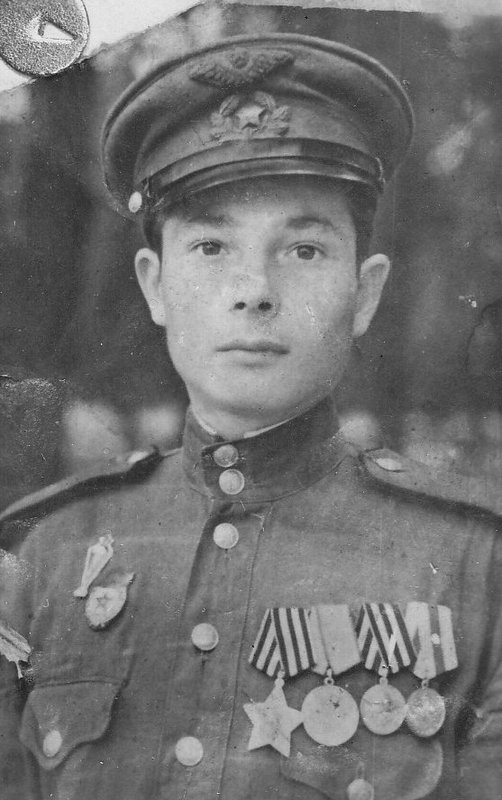
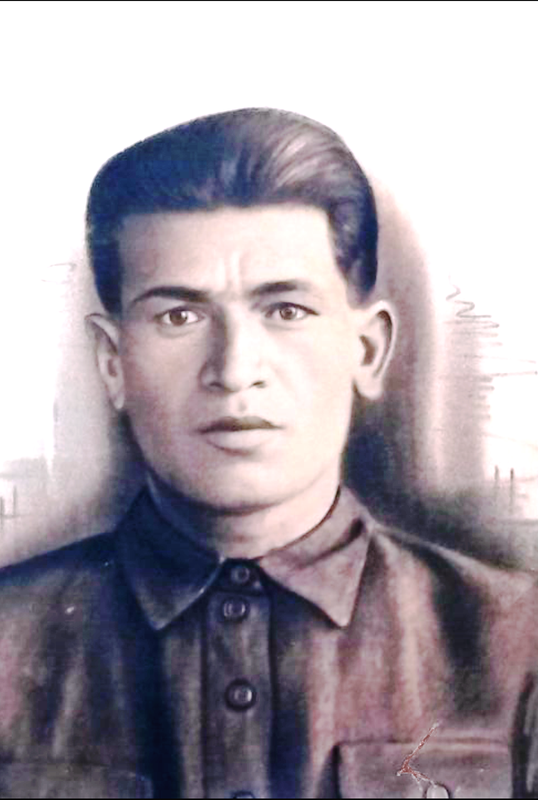
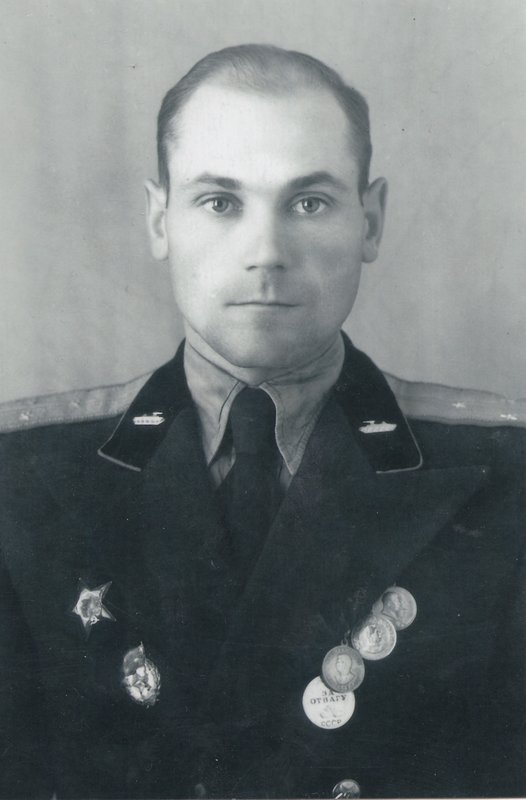
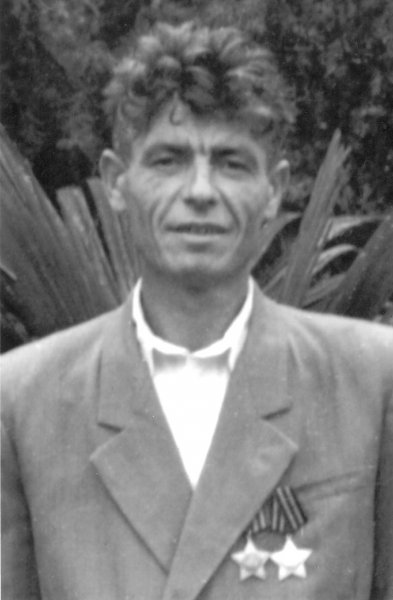
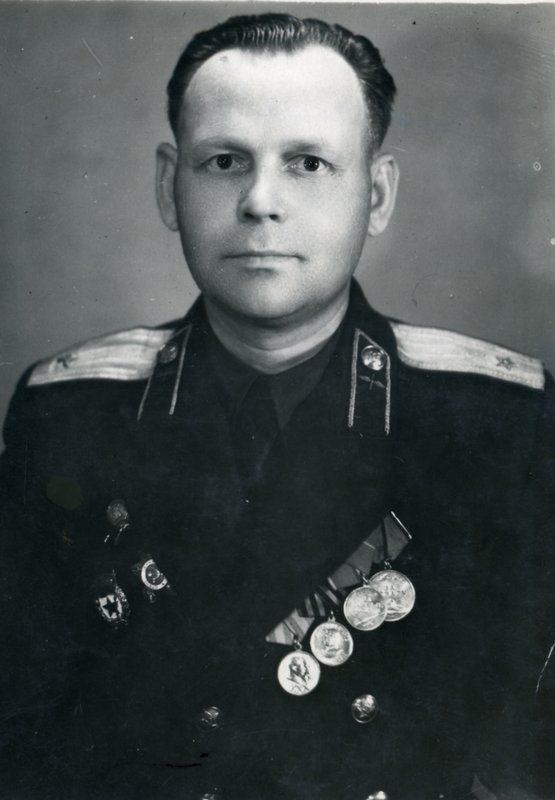
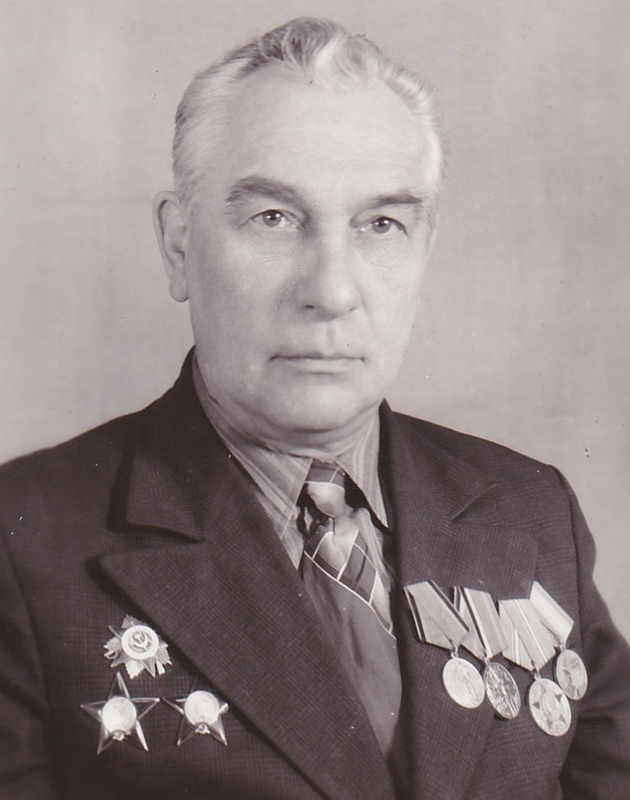
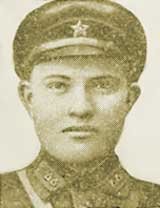
Gluhov Fedor Dmitrievich
Fyodor Dmitrievich Glukhov was born in 1906. At the end of September 1943, the troops of the Steppe Front began to reach the Dnieper. In all units, a collection of improvised ferry means along the Vorskla and Orel rivers was organized in advance. On carts and cars moving towards the Dnieper, one could see empty barrels, old boats, logs, boards, boxes of nails, ropes and even doors from destroyed houses. A small fishing boat was carried on a cart by the commander of the machine-gun crew, Fedor Glukhov. He bought it in the village of Kobelyaki in the Poltava region. The old owner said then: "Take my boat, sonny, it will come in handy. And for now I can do without it. Just drive the damned fiends out of our Ukrainian land as quickly as possible." Glukhov gave the peasant a trophy horse. The regiment reached the Dnieper at the end of the day on September 29. The large village of Derievka was visible across the river. Our scouts managed to visit this village last night and collect detailed information about the enemy's defense. The command decided to start the crossing. Glukhov was the party organizer of the machine-gun company. In the evening, when they received the order to force, he gathered the communists. The conversation was short. The Party organizer said that the battalion was being crossed first, that at first there would be no tanks and divisional artillery on the bridgehead, so the main burden when repelling enemy counterattacks would fall on the machine gunners. He called on the communists to set an example in battle, to explain to the soldiers the enormous importance of the task ahead. An hour and a half before dawn, the companies began to cross the Dnieper. Enemy artillery intensively shelled the left bank and the mirror of the river, but the battalion crossed almost without losses and attacked the enemy on the move. Glukhov advanced to the coastal height, destroyed the enemy machine gun with hand grenades and installed his "maxim" in its place. The Nazis, in the roar of the battle, did not yet know about this and moved in the rear of their positions without any precautions. From the height of Glukhov, all this was clearly visible, and he began to shoot in long bursts along the trenches in which the Nazis had accumulated. The fire was devastating. The Nazis, having lost more than 60 of their soldiers and officers, could not withstand the lead downpour from the flank and the onslaught of rifle companies from the front and began to retreat to the village. Glukhov continued to mow down the fleeing enemies with fire. Soon the first three trenches were seized. There was a short pause. Now that dawn had dawned, the Germans understood the situation and launched counterattacks, which, with short breaks, continued for many days in a row. They were especially fierce on 6 October. In the sector of a battalion that had thinned out in battles, the enemy threw 23 tanks with machine gunners into battle. Cutting off the infantry from the tanks, Glukhov exterminated two platoons of machine gunners from his machine gun. After repelling the onslaught of the enemy, the battalion launched an attack and captured the tactically important height 122.7. In the battles for the height, Glukhov destroyed an armored vehicle and three machine guns. In this battle, the brave guardsman was killed. Glukhov F.D. died on October 6, 1943.
Gluhov Fedor Dmitrievich
Fyodor Dmitrievich Glukhov was born in 1906. At the end of September 1943, the troops of the Steppe Front began to reach the Dnieper. In all units, a collection of improvised ferry means along the Vorskla and Orel rivers was organized in advance. On carts and cars moving towards the Dnieper, one could see empty barrels, old boats, logs, boards, boxes of nails, ropes and even doors from destroyed houses. A small fishing boat was carried on a cart by the commander of the machine-gun crew, Fedor Glukhov. He bought it in the village of Kobelyaki in the Poltava region. The old owner said then: "Take my boat, sonny, it will come in handy. And for now I can do without it. Just drive the damned fiends out of our Ukrainian land as quickly as possible." Glukhov gave the peasant a trophy horse. The regiment reached the Dnieper at the end of the day on September 29. The large village of Derievka was visible across the river. Our scouts managed to visit this village last night and collect detailed information about the enemy's defense. The command decided to start the crossing. Glukhov was the party organizer of the machine-gun company. In the evening, when they received the order to force, he gathered the communists. The conversation was short. The Party organizer said that the battalion was being crossed first, that at first there would be no tanks and divisional artillery on the bridgehead, so the main burden when repelling enemy counterattacks would fall on the machine gunners. He called on the communists to set an example in battle, to explain to the soldiers the enormous importance of the task ahead. An hour and a half before dawn, the companies began to cross the Dnieper. Enemy artillery intensively shelled the left bank and the mirror of the river, but the battalion crossed almost without losses and attacked the enemy on the move. Glukhov advanced to the coastal height, destroyed the enemy machine gun with hand grenades and installed his "maxim" in its place. The Nazis, in the roar of the battle, did not yet know about this and moved in the rear of their positions without any precautions. From the height of Glukhov, all this was clearly visible, and he began to shoot in long bursts along the trenches in which the Nazis had accumulated. The fire was devastating. The Nazis, having lost more than 60 of their soldiers and officers, could not withstand the lead downpour from the flank and the onslaught of rifle companies from the front and began to retreat to the village. Glukhov continued to mow down the fleeing enemies with fire. Soon the first three trenches were seized. There was a short pause. Now that dawn had dawned, the Germans understood the situation and launched counterattacks, which, with short breaks, continued for many days in a row. They were especially fierce on 6 October. In the sector of a battalion that had thinned out in battles, the enemy threw 23 tanks with machine gunners into battle. Cutting off the infantry from the tanks, Glukhov exterminated two platoons of machine gunners from his machine gun. After repelling the onslaught of the enemy, the battalion launched an attack and captured the tactically important height 122.7. In the battles for the height, Glukhov destroyed an armored vehicle and three machine guns. In this battle, the brave guardsman was killed. Glukhov F.D. died on October 6, 1943.
0 comment



2026 © Russian Military Historical Society Developed by Jetmix