


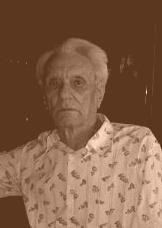


Golovin Dmitry Fyodorovich
Born in 1920 in the village of Nizhni Apochki, the Gorshechensky district, the Kursk region. When he was seven years old his mother died. Some time later the father married a second time. Immediately after the end of seven years school my grandfather went to work. First, he worked on recruitment for six months, then he went to Moscow, where he spent two years building the Palace of Soviets. In 1940 he was called up into the army. He got to the Far East. The 140th separate coast guard rifle regiment in which he served was located in the Olga Bay. At the time the leadership believed that the country was about to be attacked by Japan. Therefore, the recruits were heavily engaged in strengthening the areas that were considered most likely for the landing of Japanese troops. When the news came that the country was attacked by the Nazis, almost everyone immediately wrote a statement asking to be sent to the front. But the commander said: “Guys, take your time, this war is enough for everyone.” And indeed, at the end of 1942 he was already at the Kubinka station near Moscow, where the 172nd rifle division was being formed. In the Far East my grandfather was trained as a radio operator, so he was assigned to the 222nd communications troop. Soon the division was sent to the Voronezh front. They found themselves in a hot place-near the Donets river - just at one of the bases of the famous Kursk salient. It was in this direction that the Germans repeatedly tried to break through our defenses and encircle the troops that had advanced far ahead. No more than ten of his thirty colleagues were still alive. My grandfather said that he was lucky in the war: no matter how many dangerous cases there were, it seemed that some unknown force led away from the dangerous place… But once he was still wounded. Already in Western Ukraine, in Rivne. A splinter caught his leg. It happened in the winter, so he also got frostbite. He spent three months in hospital in Zhytomyr and then returned to his division. Some of them did not reach Berlin quite a bit. They reached the Neisse river and then turned to Prague. On the way there they came across Russians in German uniforms - Vlasovites. They marched with white flags and surrendered. On the Elbe, in the city of Chemnitz, the part stood for ten days. Dmitry Fedotovich said that he saw Americans there for the first time but not white, but black – African-Americans. They drove around the city in jeeps. He also met with English pilots. Their plane was shot down and they lived with the Russians until the Soviets joined the allies. For the capture of the city of Belokurakino my grandfather was awarded the order of the Red Star. The order of the Patriotic War of the second degree also was received at the front, and of the first degree – already in peacetime. There are also many medals. The grandfather returned home, to Nizhnije Apochki, in 8 years, after construction in Moscow, military service and the war. Then he married. A daughter was born. For fifteen years he worked on a logging machine in geological exploration, looking for iron ore. Then he worked as an accountant on a farm in the collective farm “Mayak” of the Znamensky village council. He didn't like to talk about the war. He remembered mostly funny and curious cases. And always said: “There is nothing heroic in defending the Fatherland which is in mortal danger. This is the sacred duty of everyone who loves their Homeland.” He died in 2004.
Golovin Dmitry Fyodorovich
Born in 1920 in the village of Nizhni Apochki, the Gorshechensky district, the Kursk region. When he was seven years old his mother died. Some time later the father married a second time. Immediately after the end of seven years school my grandfather went to work. First, he worked on recruitment for six months, then he went to Moscow, where he spent two years building the Palace of Soviets. In 1940 he was called up into the army. He got to the Far East. The 140th separate coast guard rifle regiment in which he served was located in the Olga Bay. At the time the leadership believed that the country was about to be attacked by Japan. Therefore, the recruits were heavily engaged in strengthening the areas that were considered most likely for the landing of Japanese troops. When the news came that the country was attacked by the Nazis, almost everyone immediately wrote a statement asking to be sent to the front. But the commander said: “Guys, take your time, this war is enough for everyone.” And indeed, at the end of 1942 he was already at the Kubinka station near Moscow, where the 172nd rifle division was being formed. In the Far East my grandfather was trained as a radio operator, so he was assigned to the 222nd communications troop. Soon the division was sent to the Voronezh front. They found themselves in a hot place-near the Donets river - just at one of the bases of the famous Kursk salient. It was in this direction that the Germans repeatedly tried to break through our defenses and encircle the troops that had advanced far ahead. No more than ten of his thirty colleagues were still alive. My grandfather said that he was lucky in the war: no matter how many dangerous cases there were, it seemed that some unknown force led away from the dangerous place… But once he was still wounded. Already in Western Ukraine, in Rivne. A splinter caught his leg. It happened in the winter, so he also got frostbite. He spent three months in hospital in Zhytomyr and then returned to his division. Some of them did not reach Berlin quite a bit. They reached the Neisse river and then turned to Prague. On the way there they came across Russians in German uniforms - Vlasovites. They marched with white flags and surrendered. On the Elbe, in the city of Chemnitz, the part stood for ten days. Dmitry Fedotovich said that he saw Americans there for the first time but not white, but black – African-Americans. They drove around the city in jeeps. He also met with English pilots. Their plane was shot down and they lived with the Russians until the Soviets joined the allies. For the capture of the city of Belokurakino my grandfather was awarded the order of the Red Star. The order of the Patriotic War of the second degree also was received at the front, and of the first degree – already in peacetime. There are also many medals. The grandfather returned home, to Nizhnije Apochki, in 8 years, after construction in Moscow, military service and the war. Then he married. A daughter was born. For fifteen years he worked on a logging machine in geological exploration, looking for iron ore. Then he worked as an accountant on a farm in the collective farm “Mayak” of the Znamensky village council. He didn't like to talk about the war. He remembered mostly funny and curious cases. And always said: “There is nothing heroic in defending the Fatherland which is in mortal danger. This is the sacred duty of everyone who loves their Homeland.” He died in 2004.
0 comment



2026 © Russian Military Historical Society Developed by Jetmix