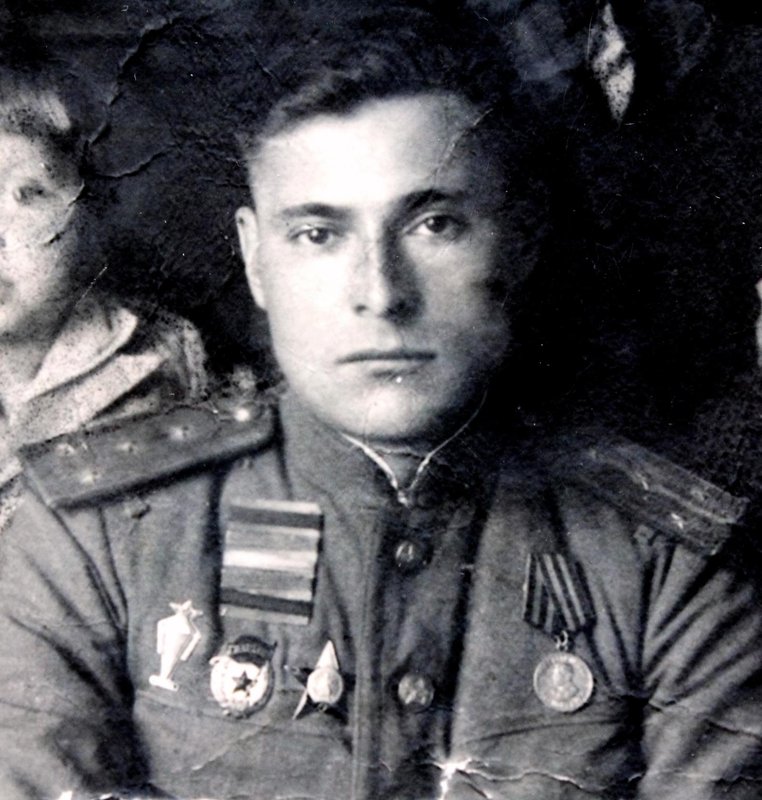
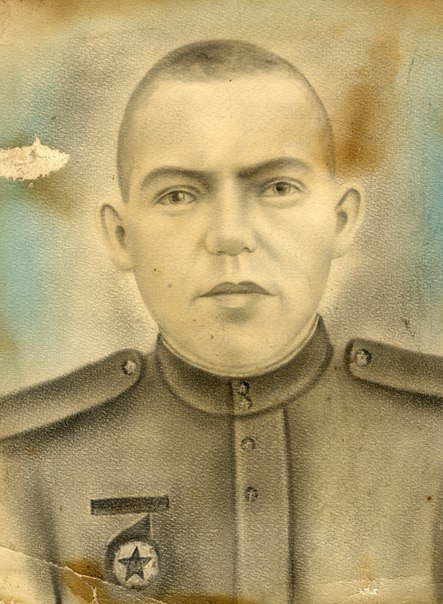
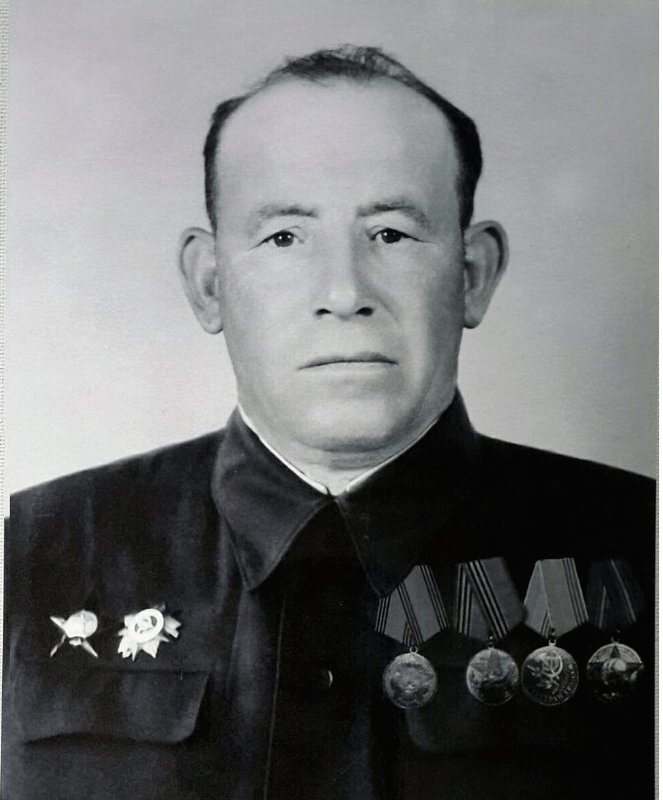
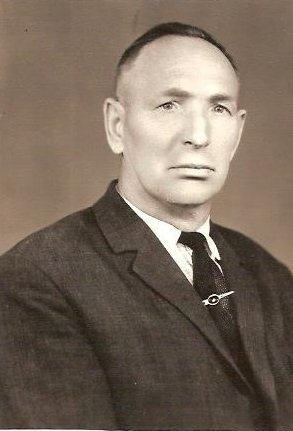
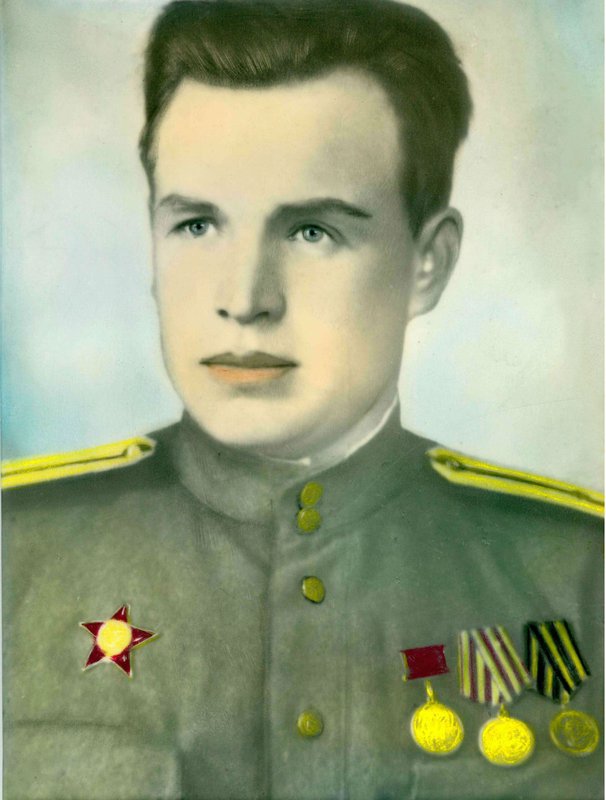
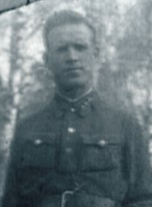
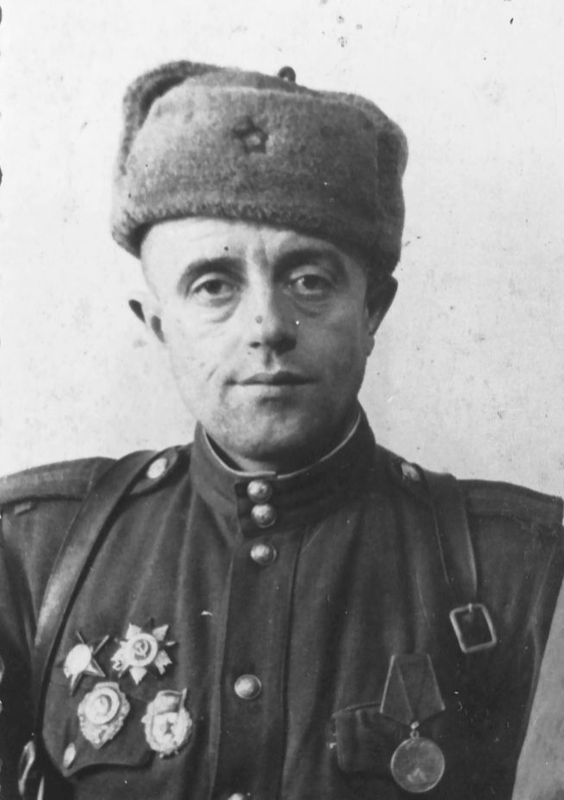
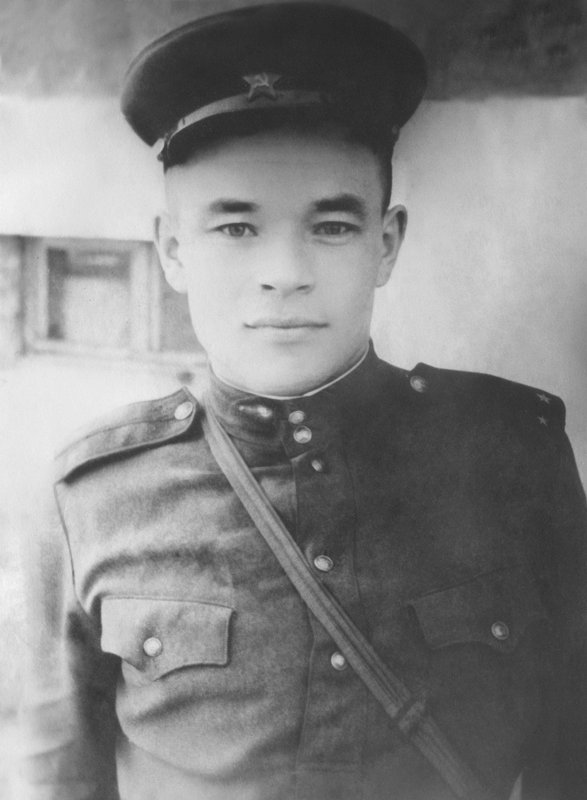
Sokolnikov Afanasy Iosifovich
Rank: Lieutenant _x000D_
Branch: Ground Forces, Air Force (except naval aviation), coastal service, NKVD troops, border troops _x000D_
Subdivision: 93rd Guards Rifle Kharkiv twice Red Banner Orders of Suvorov and Kutuzov _x000D_
Sokolnikov Afanasy Iosifovich, was drafted into the army in 1942 by the North-Baikal Commissariat. At that time, the guy from Lake Baikal was 19 years old. He was sent to serve in the Far East, where he received news of the death at the front of his father, Joseph Petrovich Sokolnikov. Wanting to avenge his father, he wanted to be sent to the war front. _x000D_
As a result, he was sent to the active army and fell under Stalingrad. As part of a group of foot reconnaissance, he participated in the battles at the Kursk Bulge, near Prokhorovka, Kharkov, liberated Ukraine, Poland, Germany. With a victory, he had reached Berlin. He was wounded four times. _x000D_
He was awarded orders and medals for his heroic efforts. From the recently opened archival documents, we found out the datails of these high front-line awards. _x000D_
In 1943, a Reconnaissance platoon of foot Reconnaissance of the 285th Guards Rifle Regiment, Sokolnikov A.I. was awarded the Order of the Red Star. In the area of the village of Znamenka, a group of recons under the command of my grandfather made their way to the rear of the enemy and attacked the outpost of the Germans. Senior group Sokolnikov A.I. captured a machine gun and began to fire at the retreating Germans. As a result of the military operation, 5 Germans were taken prisoner and several units of captured weapons were captured. In 1945, the platoon Commander of the 156th Separate Reconnaissance company of the 134th Infantry Division A.I. Sokolnikov. was awarded the Order of the Patriotic War 1 degree. _x000D_
During the offensive from the Vistula to the Oder, he repeatedly performed combat missions of the command to capture prisoners of the "tongues". On February 1, 1945, in the area of the village of Baryanshi, the Guard Lieutenant Sokolnikov with his group destroyed the enemy bunker in one throw and captured 8 fascists. In pursuit of the enemy, the recons organized an ambush behind enemy lines and destroyed a platoon of German infantry. Over the entire period of the offensive, Sokolnikov's Reconnaissance group captured 29 "tongues", and killed 115 soldiers and officers. _x000D_
One of the most valuable awards of my grandfather is the Order of Alexander Nevsky, the junior order among the captainship awards. _x000D_
Such orders were awarded to officers in the position of Platoon, Company, Battalion Commander. Junior Lieutenant Sokolnikov was awarded the Order of Alexander Nevsky for completing a combat mission to capture a control prisoner near the village of Shlyakhtinsky Lyas. This happened on the night of September 23-24, 1944. After 3 days of observation, his reconnaissance group was supposed to take the "prisoner tongue". The recons neutralized the sentry and moved along the trench. _x000D_
My grandfather was the first to see two Germans standing at the machine gun and rushed at them. In hand-to-hand combat, he killed one of them and wounded the other. He himself was wounded in the head, but continued to lead the operation. As a result, the wounded prisoner was taken to the headquarters, where he voluntarily told valuable information. And then they saw each other at the hospital. The German was very frightened by this meeting, and his grandfather told him: “Don't be afraid. Nobody will touch an unarmed man, ”and offered to smoke. And while the German prisoner was at the hospital, he was called "Sokolnikov's godson". _x000D_
In March 1947 he was mobilized and returned to his native land. And in the fall of 1947, he met his Annushka, who became his faithful companion for life. Together they came to the legendary construction site of the Bratsk hydroelectric power station and remained loyal to this city. Together they raised five beautiful daughters in Bratsk. Together they rejoiced at the birth of grandchildren and great-grandchildren. But his health undermined at the front did not allow grandfather to live longer. He passed away in 1994._x000D_
Talaev, Ivan Petrovich_x000D_
_x000D_
Rank: Starshina_x000D_
Branch of troops: Ground Forces, Air Force (except for naval aviation), coastal service, NKVD troops, border troops. _x000D_
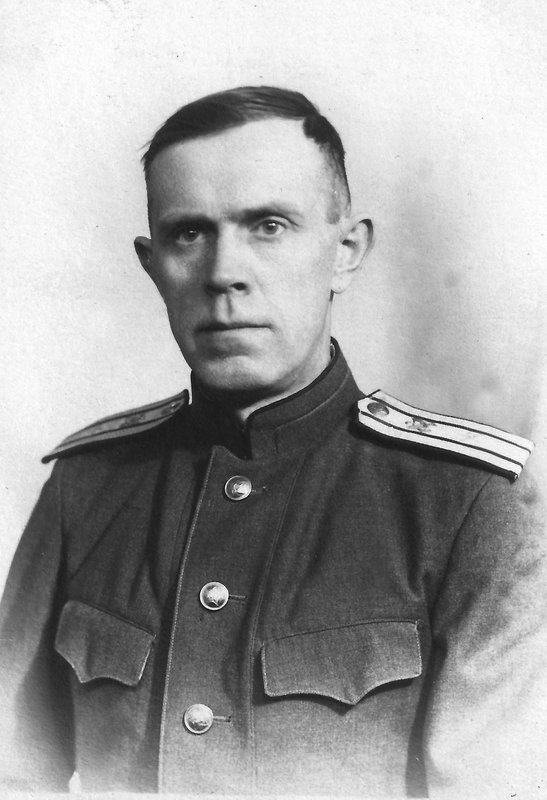
Talaev Ivan Petrovich from December 9, 1939 to March 1940 was a participant in the Finnish Campaign as a driver in the 884th Motor Transport Battalion. From June 1941 to November 1943, as part of the 9th Guards Separate Anti-Aircraft Division, he fought on the Leningrad Front. In 1941 he walked in the First Column of the "Road of Life" to Leningrad on the ice of Lake Ladoga, driving a lorry, and was later awarded the Order of the Patriotic War, II degree. Then he took part in the battles near Leningrad. He was 2 times surrounded. _x000D_
Grandmother received 2 funerals, but luckily he survived. Leaving the encirclement as part of the unit, according to the order of the commander, everyone buried their military papers. Subsequently on February 11, 1943, my grandfather was sentenced to 10 years in prison, but his sentence was changed and sent to a Disciplinary Battalion. There he fought heroically and was seriously wounded on November 7 in the stomach and head. He was in a military hospital for treatment from November 1943 to April 1944. Then he fought in the 61st Separate Automobile Battalion of the Baltic Front as a driver, was a squad leader. _x000D_
He was the member of the East Prussian operation. Somewhere near Konigsberg he was seriously wounded and was sent to a military hospital in Moscow for treatment. He had served until October 15, 1945. They offered to stay to work as a mechanic in the capital, but he decided to return to his native north. He was demobilized. In the depot-war period, he worked as a Senior Mechanic in the military registration and enlistment office in the city of Nyandoma, Arkhangelsk Region. Of the awards he was very dear to the badge "Veteran of the Karelian Front 1941-1945". In 1980 he was awarded the second Order of the Patriotic War, 1st degree. He lived a happy life, had 5 children! He passed away of a heart attack on September 29, 1985.
Sokolnikov Afanasy Iosifovich
Rank: Lieutenant _x000D_
Branch: Ground Forces, Air Force (except naval aviation), coastal service, NKVD troops, border troops _x000D_
Subdivision: 93rd Guards Rifle Kharkiv twice Red Banner Orders of Suvorov and Kutuzov _x000D_
Sokolnikov Afanasy Iosifovich, was drafted into the army in 1942 by the North-Baikal Commissariat. At that time, the guy from Lake Baikal was 19 years old. He was sent to serve in the Far East, where he received news of the death at the front of his father, Joseph Petrovich Sokolnikov. Wanting to avenge his father, he wanted to be sent to the war front. _x000D_
As a result, he was sent to the active army and fell under Stalingrad. As part of a group of foot reconnaissance, he participated in the battles at the Kursk Bulge, near Prokhorovka, Kharkov, liberated Ukraine, Poland, Germany. With a victory, he had reached Berlin. He was wounded four times. _x000D_
He was awarded orders and medals for his heroic efforts. From the recently opened archival documents, we found out the datails of these high front-line awards. _x000D_
In 1943, a Reconnaissance platoon of foot Reconnaissance of the 285th Guards Rifle Regiment, Sokolnikov A.I. was awarded the Order of the Red Star. In the area of the village of Znamenka, a group of recons under the command of my grandfather made their way to the rear of the enemy and attacked the outpost of the Germans. Senior group Sokolnikov A.I. captured a machine gun and began to fire at the retreating Germans. As a result of the military operation, 5 Germans were taken prisoner and several units of captured weapons were captured. In 1945, the platoon Commander of the 156th Separate Reconnaissance company of the 134th Infantry Division A.I. Sokolnikov. was awarded the Order of the Patriotic War 1 degree. _x000D_
During the offensive from the Vistula to the Oder, he repeatedly performed combat missions of the command to capture prisoners of the "tongues". On February 1, 1945, in the area of the village of Baryanshi, the Guard Lieutenant Sokolnikov with his group destroyed the enemy bunker in one throw and captured 8 fascists. In pursuit of the enemy, the recons organized an ambush behind enemy lines and destroyed a platoon of German infantry. Over the entire period of the offensive, Sokolnikov's Reconnaissance group captured 29 "tongues", and killed 115 soldiers and officers. _x000D_
One of the most valuable awards of my grandfather is the Order of Alexander Nevsky, the junior order among the captainship awards. _x000D_
Such orders were awarded to officers in the position of Platoon, Company, Battalion Commander. Junior Lieutenant Sokolnikov was awarded the Order of Alexander Nevsky for completing a combat mission to capture a control prisoner near the village of Shlyakhtinsky Lyas. This happened on the night of September 23-24, 1944. After 3 days of observation, his reconnaissance group was supposed to take the "prisoner tongue". The recons neutralized the sentry and moved along the trench. _x000D_
My grandfather was the first to see two Germans standing at the machine gun and rushed at them. In hand-to-hand combat, he killed one of them and wounded the other. He himself was wounded in the head, but continued to lead the operation. As a result, the wounded prisoner was taken to the headquarters, where he voluntarily told valuable information. And then they saw each other at the hospital. The German was very frightened by this meeting, and his grandfather told him: “Don't be afraid. Nobody will touch an unarmed man, ”and offered to smoke. And while the German prisoner was at the hospital, he was called "Sokolnikov's godson". _x000D_
In March 1947 he was mobilized and returned to his native land. And in the fall of 1947, he met his Annushka, who became his faithful companion for life. Together they came to the legendary construction site of the Bratsk hydroelectric power station and remained loyal to this city. Together they raised five beautiful daughters in Bratsk. Together they rejoiced at the birth of grandchildren and great-grandchildren. But his health undermined at the front did not allow grandfather to live longer. He passed away in 1994._x000D_
Talaev, Ivan Petrovich_x000D_
_x000D_
Rank: Starshina_x000D_
Branch of troops: Ground Forces, Air Force (except for naval aviation), coastal service, NKVD troops, border troops. _x000D_
Talaev Ivan Petrovich from December 9, 1939 to March 1940 was a participant in the Finnish Campaign as a driver in the 884th Motor Transport Battalion. From June 1941 to November 1943, as part of the 9th Guards Separate Anti-Aircraft Division, he fought on the Leningrad Front. In 1941 he walked in the First Column of the "Road of Life" to Leningrad on the ice of Lake Ladoga, driving a lorry, and was later awarded the Order of the Patriotic War, II degree. Then he took part in the battles near Leningrad. He was 2 times surrounded. _x000D_
Grandmother received 2 funerals, but luckily he survived. Leaving the encirclement as part of the unit, according to the order of the commander, everyone buried their military papers. Subsequently on February 11, 1943, my grandfather was sentenced to 10 years in prison, but his sentence was changed and sent to a Disciplinary Battalion. There he fought heroically and was seriously wounded on November 7 in the stomach and head. He was in a military hospital for treatment from November 1943 to April 1944. Then he fought in the 61st Separate Automobile Battalion of the Baltic Front as a driver, was a squad leader. _x000D_
He was the member of the East Prussian operation. Somewhere near Konigsberg he was seriously wounded and was sent to a military hospital in Moscow for treatment. He had served until October 15, 1945. They offered to stay to work as a mechanic in the capital, but he decided to return to his native north. He was demobilized. In the depot-war period, he worked as a Senior Mechanic in the military registration and enlistment office in the city of Nyandoma, Arkhangelsk Region. Of the awards he was very dear to the badge "Veteran of the Karelian Front 1941-1945". In 1980 he was awarded the second Order of the Patriotic War, 1st degree. He lived a happy life, had 5 children! He passed away of a heart attack on September 29, 1985.
0 comment



2026 © Russian Military Historical Society Developed by Jetmix