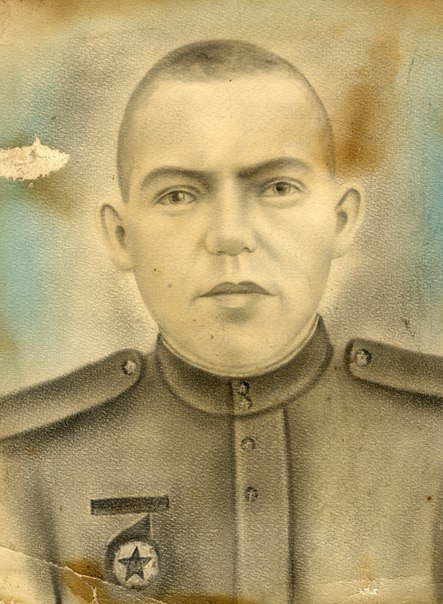
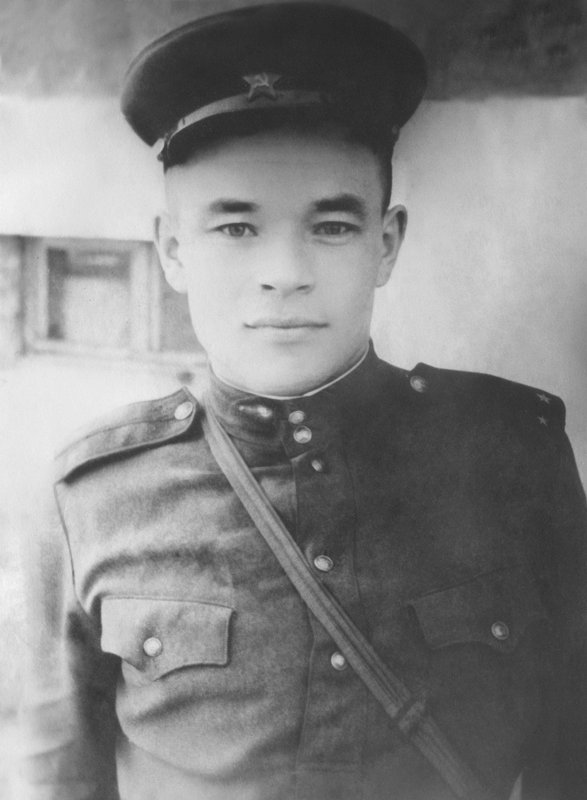
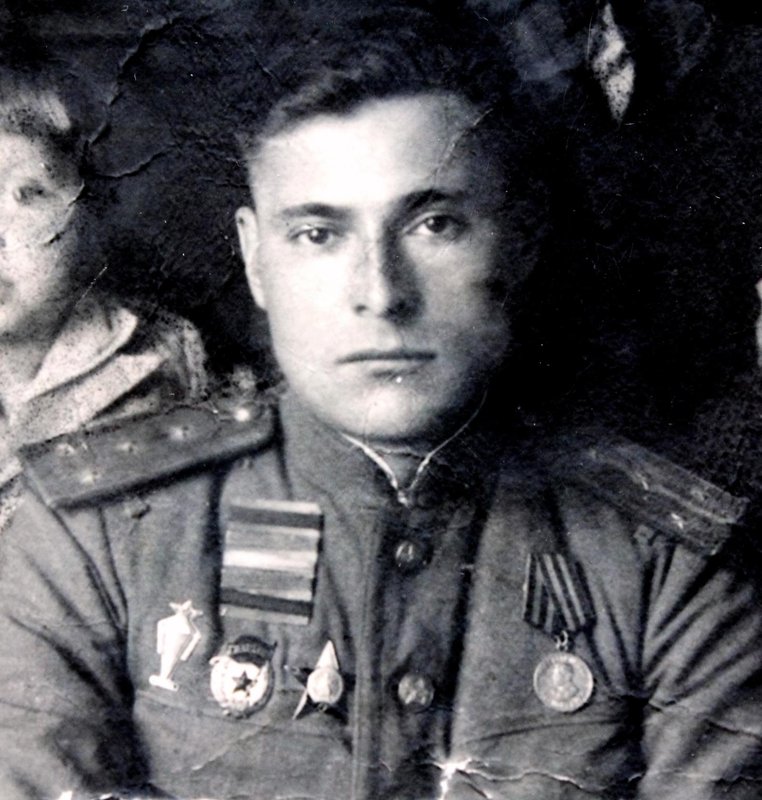
Starukhin Nikolay Trofimovich
Rank: Captain. _x000D_
Branch of troops: Ground Forces, Air Force (except for naval aviation), coastal service, NKVD troops, border troops. _x000D_
My grandfather, Starukhin Nikolai Trofimovich, lived in the remote Siberian outback in the village Malaya Kada of the Irkutsk Region and was a hereditary hunter. _x000D_
Once he showed me "Memories and Reflections" by G.K. Zhukov and said that these military memoirs mention an episode of a combat on the river Ugra and the name of his Commander, Captain I.G. Starchak. _x000D_
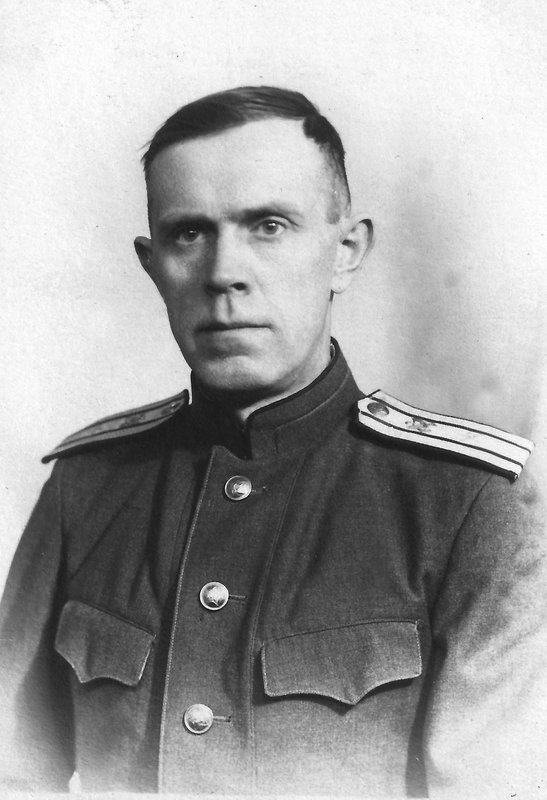
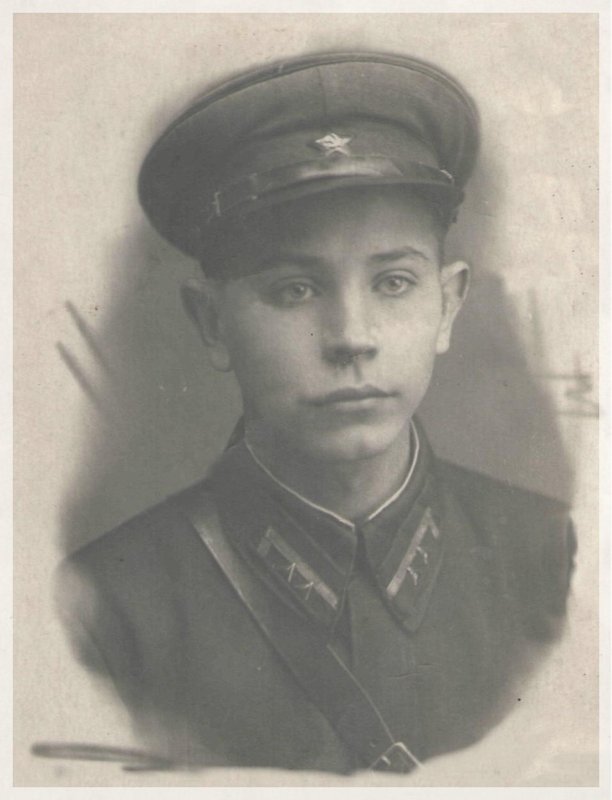
From the stories of my grandfather, I learned that he was a paratrooper, but at the beginning of the war he fought in the trenches in a Separate Joined Airborne Brigade. He rose to the rank of Captain of the Red Army. After the death of N.T. Starukhin, I found the memoirs of I.G. Starchak, where, apparently, my grandfather is also mentioned, however, with a slightly distorted surname. At the same time I.G. Strachak says that during the war many soldiers and officers passed before him, and many names were erased from memory. _x000D_
The detachment of I.G. Starchak not far from Yukhnov defended by a bridge over the Ugra river, blocked the way for the Nazis, thereby giving time for the withdrawal of the Red Army and for the construction of new defensive lines. Now there is a monument to the detachment of I.G. Starchak in the form of a cannon during the Great Patriotic War. _x000D_
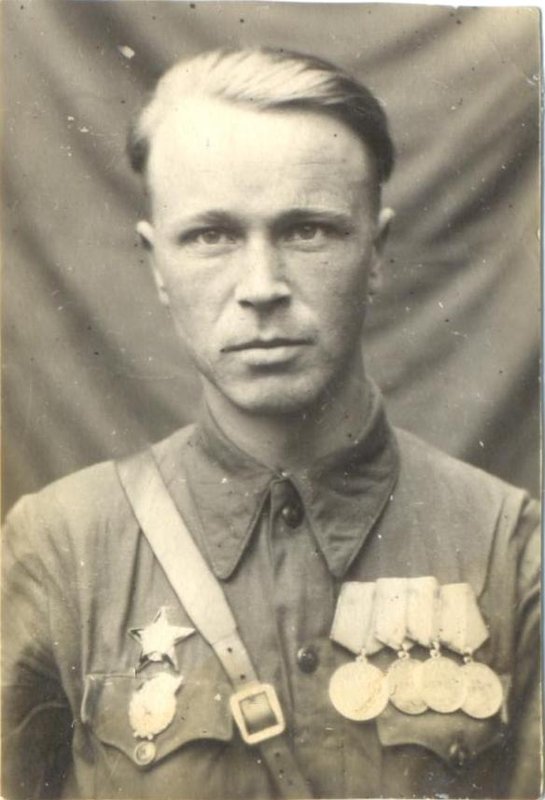
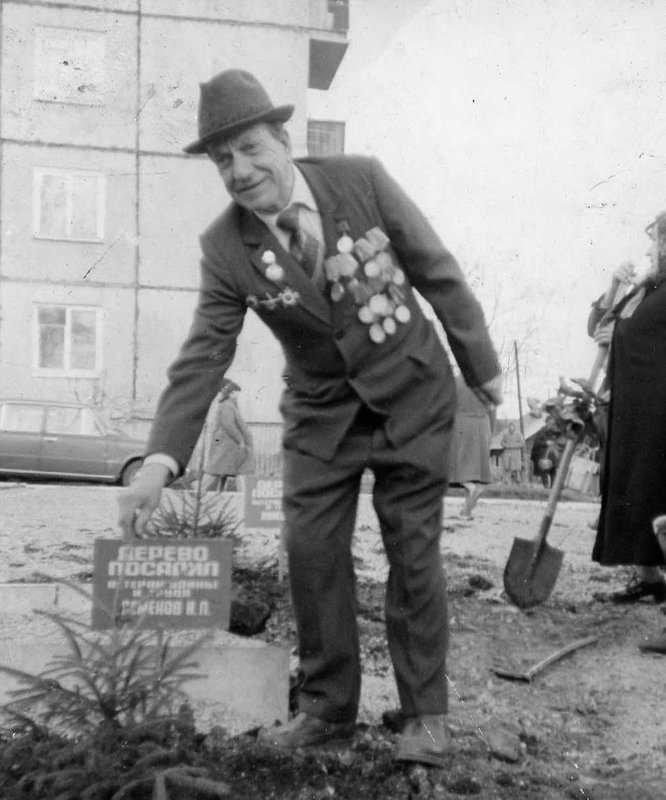
My grandfather N.T. Starukhin was wounded several times. He had military awards, orders and medals. He finished the war in the city of Konigsberg (Kaliningrad). After the flooding of the village of Malaya Kada by the Bratsk reservoir, my grandfather and his family moved to the village of Kaltuk, Bratsk district. _x000D_
After the war N.T. Starukhin worked as a construction foreman at the Bratsky sovkhoz. Many construction projects were built under his leadership. In the village everyone respected grandfather. He always went to School on the eve of Victory Day on May 9 and told his students about how and where he fought. At a local rally, he always stood in the ranks of veterans at the monument to the fallen fellow villagers.
Starukhin Nikolay Trofimovich
Rank: Captain. _x000D_
Branch of troops: Ground Forces, Air Force (except for naval aviation), coastal service, NKVD troops, border troops. _x000D_
My grandfather, Starukhin Nikolai Trofimovich, lived in the remote Siberian outback in the village Malaya Kada of the Irkutsk Region and was a hereditary hunter. _x000D_
Once he showed me "Memories and Reflections" by G.K. Zhukov and said that these military memoirs mention an episode of a combat on the river Ugra and the name of his Commander, Captain I.G. Starchak. _x000D_
From the stories of my grandfather, I learned that he was a paratrooper, but at the beginning of the war he fought in the trenches in a Separate Joined Airborne Brigade. He rose to the rank of Captain of the Red Army. After the death of N.T. Starukhin, I found the memoirs of I.G. Starchak, where, apparently, my grandfather is also mentioned, however, with a slightly distorted surname. At the same time I.G. Strachak says that during the war many soldiers and officers passed before him, and many names were erased from memory. _x000D_
The detachment of I.G. Starchak not far from Yukhnov defended by a bridge over the Ugra river, blocked the way for the Nazis, thereby giving time for the withdrawal of the Red Army and for the construction of new defensive lines. Now there is a monument to the detachment of I.G. Starchak in the form of a cannon during the Great Patriotic War. _x000D_
My grandfather N.T. Starukhin was wounded several times. He had military awards, orders and medals. He finished the war in the city of Konigsberg (Kaliningrad). After the flooding of the village of Malaya Kada by the Bratsk reservoir, my grandfather and his family moved to the village of Kaltuk, Bratsk district. _x000D_
After the war N.T. Starukhin worked as a construction foreman at the Bratsky sovkhoz. Many construction projects were built under his leadership. In the village everyone respected grandfather. He always went to School on the eve of Victory Day on May 9 and told his students about how and where he fought. At a local rally, he always stood in the ranks of veterans at the monument to the fallen fellow villagers.
0 comment



2026 © Russian Military Historical Society Developed by Jetmix