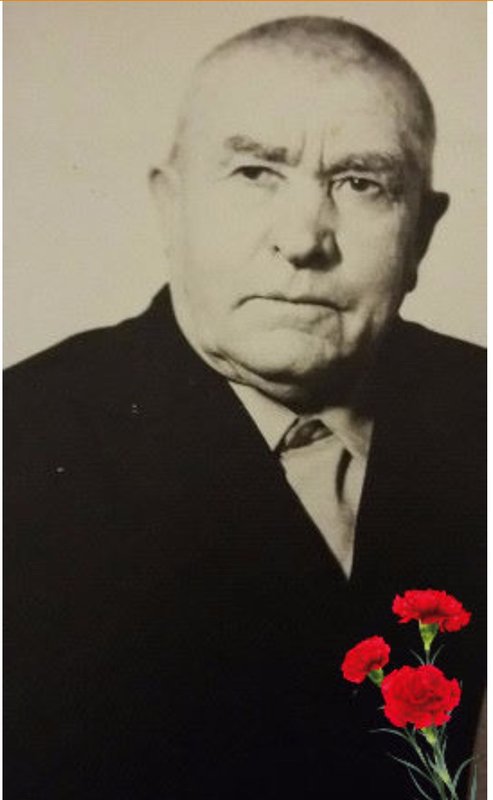
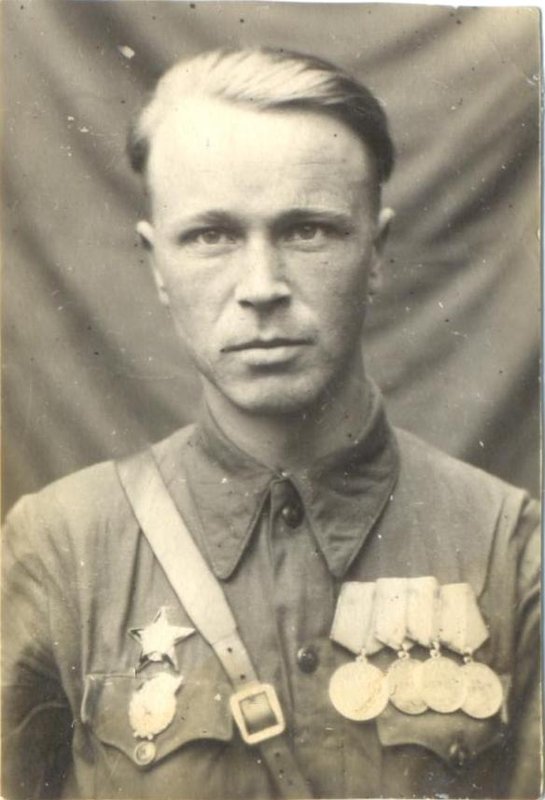
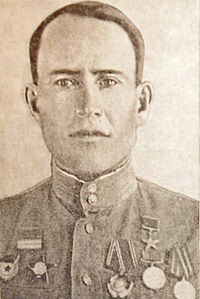
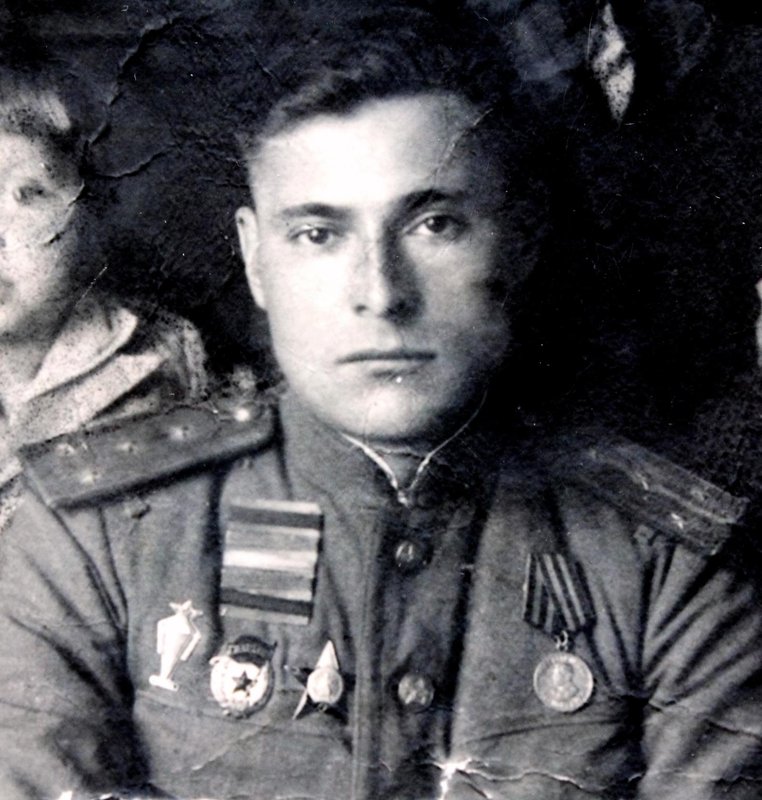
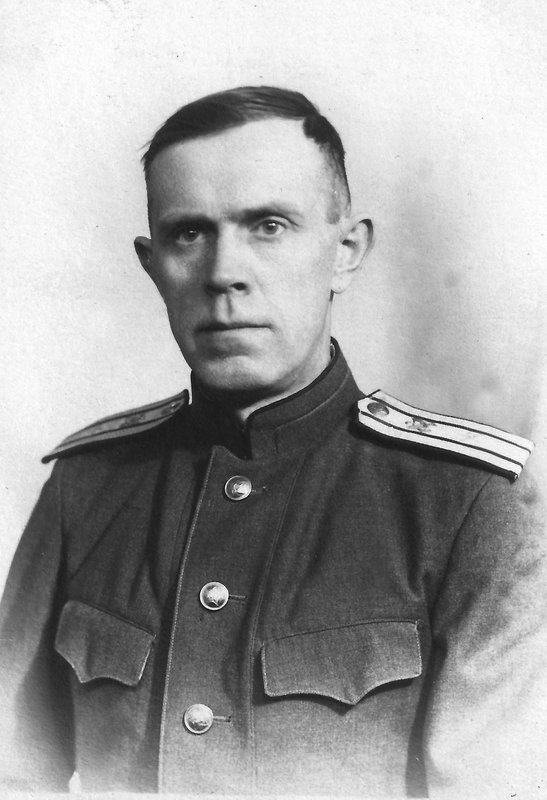
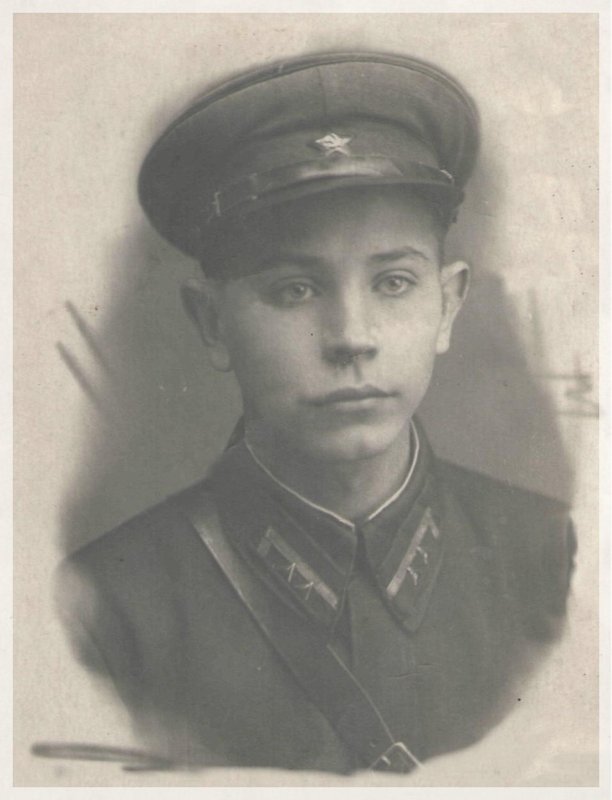
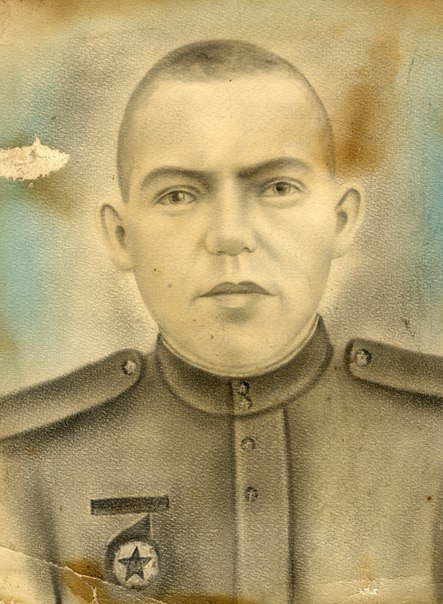
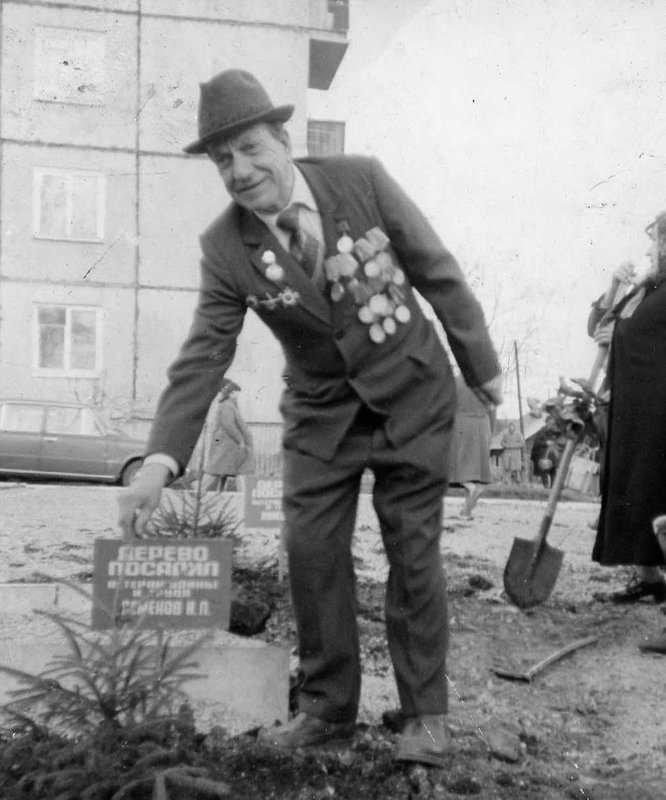
Semyonov Ivan Lvovich
Branch of troops: Ground forces, Air Force (except naval aviation), coastal service, NKVD troops, border troops _x000D_
Subdivision: 399th Infantry Novozybkovskaya Red Banner Order of Suvorov Division. _x000D_
_x000D_
Ivan Semyonov, as part of the regimental reconnaissance of the 1345th Infantry Regiment of the 399th Infantry Division, fought on the Central Front. He defended Moscow, took part in the Battle of the Kursk Bulge, beat the Nazis on the land of Belarus. For his heroism and courage, he was more than once presented to state awards. _x000D_
Today the family of Ivan Lvovich carefully preserves his medals and orders: medals "For Courage", "For Military Merit", "For Victory over Germany in the Great Patriotic War of 1941-1945", the Order of the Red Star, the Order of the Patriotic War of the 1st degree. _x000D_
He mentioned about hardships for the infantrymen, especially women, during the war. In particular, in the 16th Lithuanian Division, 60% were women. For example, they carried a 60 kg of a machine gun. We helped them as best we could. Then Stalin issued an order to leave women to serve as communication technicians, in medical battalions, at work in headquarters. _x000D_
Once our troops broke through the enemy's defenses and went on the offensive 80 km to the west. Artillery and provisions were carried on horseback. It was winter, the horses were getting stuck in the snowdrifts. The carts fell behind, we went ahead. There was no food, for 2-3 days the fighters did not receive anything. Then they delivered us flour, 200 grams per person, but there was no salt. We made cakes, rubbish, but without salt, within a week the soldiers began to get sick and fall. _x000D_
On October 13, 1943, Ivan was wounded in the head. A heavy eleven-gram bullet interrupted his right optic nerve and was stuck 2.5 mm from the cerebral cortex, threatening his life every minute. After a year of treatment in hospitals, Ivan returned home to the village of Rybnoye. Only 20% of vision remained. _x000D_
Returning home, Ivan studied to be an Accountant-economist, and before retiring worked at the Constriction Bureau in Uyara. Together with his wife Nina Ilyinichna, they raised children. Son Vitaly devoted himself to education. Alexander became a miner. Lyudmila devoted herself to trade and her youngest daughter Galina was an assistant to her father. At the request of the Chairman of the All-Russian Society of the Blind, he headed the Uyarsk Blind Society and subsequently was its Chairman. He passed away on October 16, 1995. He was buried in Uyar.
Semyonov Ivan Lvovich
Branch of troops: Ground forces, Air Force (except naval aviation), coastal service, NKVD troops, border troops _x000D_
Subdivision: 399th Infantry Novozybkovskaya Red Banner Order of Suvorov Division. _x000D_
_x000D_
Ivan Semyonov, as part of the regimental reconnaissance of the 1345th Infantry Regiment of the 399th Infantry Division, fought on the Central Front. He defended Moscow, took part in the Battle of the Kursk Bulge, beat the Nazis on the land of Belarus. For his heroism and courage, he was more than once presented to state awards. _x000D_
Today the family of Ivan Lvovich carefully preserves his medals and orders: medals "For Courage", "For Military Merit", "For Victory over Germany in the Great Patriotic War of 1941-1945", the Order of the Red Star, the Order of the Patriotic War of the 1st degree. _x000D_
He mentioned about hardships for the infantrymen, especially women, during the war. In particular, in the 16th Lithuanian Division, 60% were women. For example, they carried a 60 kg of a machine gun. We helped them as best we could. Then Stalin issued an order to leave women to serve as communication technicians, in medical battalions, at work in headquarters. _x000D_
Once our troops broke through the enemy's defenses and went on the offensive 80 km to the west. Artillery and provisions were carried on horseback. It was winter, the horses were getting stuck in the snowdrifts. The carts fell behind, we went ahead. There was no food, for 2-3 days the fighters did not receive anything. Then they delivered us flour, 200 grams per person, but there was no salt. We made cakes, rubbish, but without salt, within a week the soldiers began to get sick and fall. _x000D_
On October 13, 1943, Ivan was wounded in the head. A heavy eleven-gram bullet interrupted his right optic nerve and was stuck 2.5 mm from the cerebral cortex, threatening his life every minute. After a year of treatment in hospitals, Ivan returned home to the village of Rybnoye. Only 20% of vision remained. _x000D_
Returning home, Ivan studied to be an Accountant-economist, and before retiring worked at the Constriction Bureau in Uyara. Together with his wife Nina Ilyinichna, they raised children. Son Vitaly devoted himself to education. Alexander became a miner. Lyudmila devoted herself to trade and her youngest daughter Galina was an assistant to her father. At the request of the Chairman of the All-Russian Society of the Blind, he headed the Uyarsk Blind Society and subsequently was its Chairman. He passed away on October 16, 1995. He was buried in Uyar.
0 comment




2026 © Russian Military Historical Society Developed by Jetmix