Back to
album
album
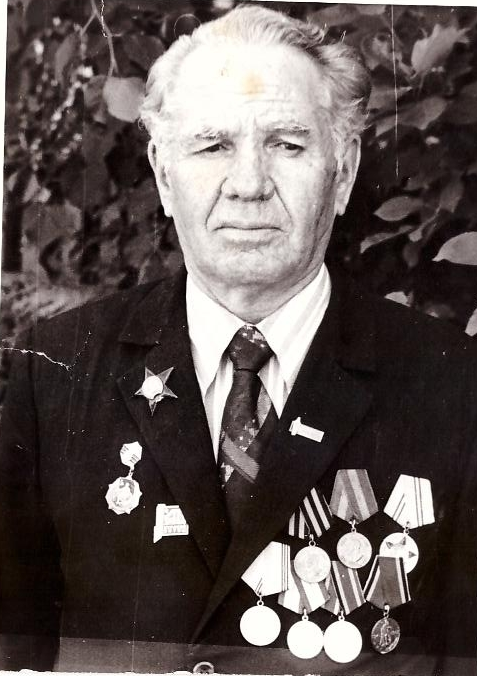
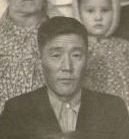
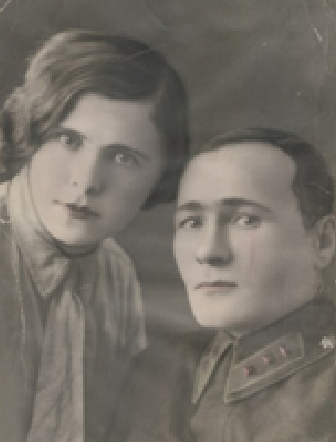

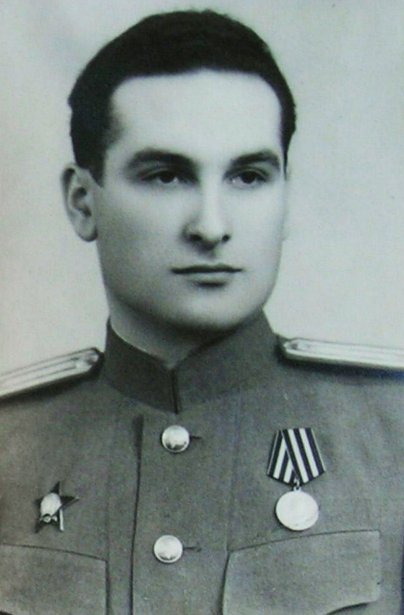
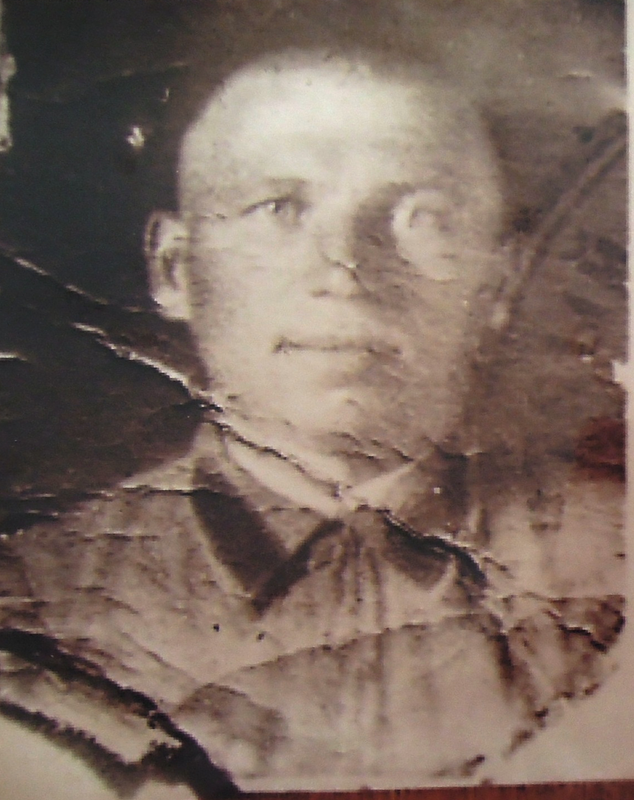
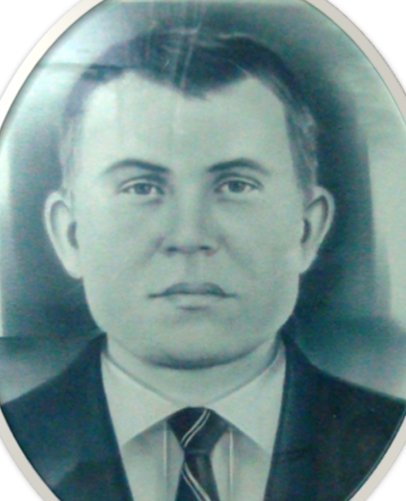


Tsvetkov Petr Ivanovich
Rank: Junior sergeant Type of troops: Armored and mechanized troops Subdivision: 23rd Panzer Division Peter Ivanovich Tsvetkov. born in 1907, village Bystriki. Drafted in 1941, Olenino Jr. sergeant, art. telephone operator of the control company of the 23rd guards separate tank brigade. Non-partisan. He died in battle on February 19, 1944 in the Bukshtyny area of the Vitebsk region at an altitude of 213.4, which is 1.5 km west of the village of Sverchki. Tsvetkova's wife Anna Timofeevna, seven children. Buried: reburied in a mass grave in the village. Shapurs of the Vitebsk region of the Vitebsk region. (Book of Memory, Oleninsky District) Central Archive of the Moscow Region: -fond number 58-inventory number 18002-source 148 Please, think carefully, reading these lines: to overcome only one square meter of land near the villages of Sharki, Myaklovo, Bukshtyny, Orlovo, in winter, spring and early summer of 1944 - the price was one human life ... From the memoirs of Petrova. In winter, the unit where Nadezhda fought was sent to Vitebsk. They walked on a march, trail in trail, who passed by, fell on a mine, bled out and remained in the eternal settlement. There were frosts. The overcoat and German boots did not save well from the cold. In the villages, they were not allowed to sleep for fear of infectious diseases that might remain after the Germans. We spent the night in the open air, three kilometers from the village. They laid pine needles on the snow, lay on their sides one to the other, covered a raincoat on top - with a tent. They stand up, feel neither arms nor legs, they are numb. The commander gives the command: "Landmark number 1, there and back - run." So people were warmed, from "their own heart". During the march, there was a case when, at a halt in the afternoon, they gave a concentrate and two crackers each, two soldiers did not answer the roll call. Petrova went to look for them, and saw that they were sitting, huddled together, frozen. The soldiers froze in the trenches, they had to sleep on their haunches on the front line, they couldn't raise their heads, the Germans would "take them off." From the archived help. Until January 18, our troops fought heavy battles, trying to bypass Vitebsk from the north - west and southeast - the most important center of enemy defense. During the bloody battles, Gorodok was liberated - an important transport hub, more than six enemy divisions were defeated. However, the objectives of the operation were not fully completed. The troops of the Western Front were involved in further operations. At the beginning of February, fierce fighting broke out again in the Vitebsk direction. Petrova told about these battles. They immediately occupied the village of Kolodezi. Passing the village, they did not even think that it was occupied by the Germans. Someone shouted that there were German dugouts here. The Fritzes began to shoot, running out, who in what. Our fighters got caught in the crossfire. Nadezhda was passed along the chain: "Guard sergeant to the battalion commander." Her battalion was to launch the offensive, and the reserve battalion to consolidate the success. Petrova was instructed to find this battalion. She slid down the hill and began to search. Finding the battalion, she brought it to the village. There was a fight on the hill. The commander's face is covered in blood. Hope began to bandage him. She lowered one knee to the ground, and set the other to the Fritz. And then the wound was covered in blood. I finished dressing, the commander sees nothing. She told him to crawl after her. Hope crawled and gave him commands until she lost consciousness. She remembers the barking of the dogs as they put her in the boat on which the wounded were taken out. It was painful. She woke up in a field hospital. From there she was sent to Bezhetsk, where her leg was amputated. A shrapnel shattered her right knee joint. Then a hospital in Yaroslavl, Chita. In Chita, Nadezhda was made a prosthesis, and on October 28, 1944, after being discharged, she went to her homeland, to Irbei. Archive transcript. In February 1944, the Hitlerite command hastily transferred corps reserves, tank units, and infantry from other sectors of the front to the Vitebsk direction. All the forces of the third tank army of the fascists were concentrated in the Vitebsk region: 15 divisions, incl. 1 tank, 17 field artillery battalions, 6 mortar battalions, 5 assault gun brigades, 2 "tiger" tank battalions, 2 battalions of heavy anti-tank guns. The further offensive had to be stopped, since as a result of a long continuous offensive, the number of Soviet divisions dropped to 4-5 thousand. The superiority of the Soviet troops became minimal. The Vitebsk operation ended only in the summer of 1944. After artillery barrage of hundreds of guns, mortars, "Katyusha" - the sky converged to the ground, everything sank in clouds of smoke, dust, fire, the enemy's defense was broken. Vitebsk and Orsha were released. War is a tension of physical and mental, moral forces. Dirt, cold, malnutrition and hard physical work exhausted a person more terrible than battles. Military fiction, journalism and other sources say little about this. And without this there will be no true picture of the war. Fighting battles, fights, successes and defeats - one side. What a person faces in war every day: everyday life, living conditions - the other side. Only by combining these sides, we get the whole, objective.The memories of the direct participants in the events can help in this: in our case, the Irbeys who fought on different fronts during the Second World War, highlighting the common things that each soldier faced. One of the components of success in a battle is the rapid, unexpected for the enemy, transfer of military units from one sector to another. Studying the history of the Second World War, I see that the Soviet command often used this in their strategy. Without the necessary means of transport, the entire burden fell on the feet of the Soviet soldier, making many kilometers of long transitions without sleep or rest. We slept on the go, catching each other, confusing where reality is and where sleep, experiencing enormous physical stress. After difficult transitions, the soldiers acted with a crowbar and a sapper shovel, digging countless trenches and dugouts. In a swampy area, after half an hour, they were filled with water. Neither lie down nor sit normally. We were sitting on cakes. Rain drizzles from above, water from below. You cannot make fires, there is nowhere to warm up. The phenomenon of war - in these conditions people did not get colds. Maybe it helped that from October to May they gave out front-line "hundred grams", but most likely, nervous and physical stress affected, increasing the body's resistance. The most common disease was head lice. Dirt and crowded people contributed to this. The lice were large and white, "already glowing", even crawling over the eyebrows. They were cleaned off, thrown into the fire, on the stove, and when the opportunity arose, the linen was boiled in barrels. In winter, the linen was frozen and left in the cold. There was often nowhere to wash. In winter, even drinking water was extracted from the snow by putting it in a handkerchief and squeezing water out of it. The soldiers suffered from a lack of vitamins "night blindness". Fleeing from her, they steamed the needles and drank. Outfit was a little saved from the cold: an overcoat, a quilted jacket, thick underwear. Many did not wear boots, but boots, putting them on two-meter windings. In severe frosts, footcloths froze to the shoes. The main food was crackers and bread. The field kitchen often did not reach the front line. The Germans fired at the kitchen in the first place, and then the soldiers were forced not to eat for two or three days. In addition to weapons, each soldier had a duffel bag, a gas mask, a sapper shovel, a bowler hat and a spoon for a shank. They slept depending on the length of time they were in place: first in the trenches, then in dugouts on the floor, then in dugouts they made one or two tiered bunks. The soldier's speech abounded with swear words and rudeness. This maintained rigor and discipline. The fear of death appeared in moments of calm - "will I live", when the risk of dying was the smallest. This feeling disappeared when the soldier went on the attack. Long-term battles dulled all feelings - "you can't remember yourself." In order for the fighter to come to his senses, it took at least 2-3 days. Often this time the enemy did not give.
Tsvetkov Petr Ivanovich
Rank: Junior sergeant Type of troops: Armored and mechanized troops Subdivision: 23rd Panzer Division Peter Ivanovich Tsvetkov. born in 1907, village Bystriki. Drafted in 1941, Olenino Jr. sergeant, art. telephone operator of the control company of the 23rd guards separate tank brigade. Non-partisan. He died in battle on February 19, 1944 in the Bukshtyny area of the Vitebsk region at an altitude of 213.4, which is 1.5 km west of the village of Sverchki. Tsvetkova's wife Anna Timofeevna, seven children. Buried: reburied in a mass grave in the village. Shapurs of the Vitebsk region of the Vitebsk region. (Book of Memory, Oleninsky District) Central Archive of the Moscow Region: -fond number 58-inventory number 18002-source 148 Please, think carefully, reading these lines: to overcome only one square meter of land near the villages of Sharki, Myaklovo, Bukshtyny, Orlovo, in winter, spring and early summer of 1944 - the price was one human life ... From the memoirs of Petrova. In winter, the unit where Nadezhda fought was sent to Vitebsk. They walked on a march, trail in trail, who passed by, fell on a mine, bled out and remained in the eternal settlement. There were frosts. The overcoat and German boots did not save well from the cold. In the villages, they were not allowed to sleep for fear of infectious diseases that might remain after the Germans. We spent the night in the open air, three kilometers from the village. They laid pine needles on the snow, lay on their sides one to the other, covered a raincoat on top - with a tent. They stand up, feel neither arms nor legs, they are numb. The commander gives the command: "Landmark number 1, there and back - run." So people were warmed, from "their own heart". During the march, there was a case when, at a halt in the afternoon, they gave a concentrate and two crackers each, two soldiers did not answer the roll call. Petrova went to look for them, and saw that they were sitting, huddled together, frozen. The soldiers froze in the trenches, they had to sleep on their haunches on the front line, they couldn't raise their heads, the Germans would "take them off." From the archived help. Until January 18, our troops fought heavy battles, trying to bypass Vitebsk from the north - west and southeast - the most important center of enemy defense. During the bloody battles, Gorodok was liberated - an important transport hub, more than six enemy divisions were defeated. However, the objectives of the operation were not fully completed. The troops of the Western Front were involved in further operations. At the beginning of February, fierce fighting broke out again in the Vitebsk direction. Petrova told about these battles. They immediately occupied the village of Kolodezi. Passing the village, they did not even think that it was occupied by the Germans. Someone shouted that there were German dugouts here. The Fritzes began to shoot, running out, who in what. Our fighters got caught in the crossfire. Nadezhda was passed along the chain: "Guard sergeant to the battalion commander." Her battalion was to launch the offensive, and the reserve battalion to consolidate the success. Petrova was instructed to find this battalion. She slid down the hill and began to search. Finding the battalion, she brought it to the village. There was a fight on the hill. The commander's face is covered in blood. Hope began to bandage him. She lowered one knee to the ground, and set the other to the Fritz. And then the wound was covered in blood. I finished dressing, the commander sees nothing. She told him to crawl after her. Hope crawled and gave him commands until she lost consciousness. She remembers the barking of the dogs as they put her in the boat on which the wounded were taken out. It was painful. She woke up in a field hospital. From there she was sent to Bezhetsk, where her leg was amputated. A shrapnel shattered her right knee joint. Then a hospital in Yaroslavl, Chita. In Chita, Nadezhda was made a prosthesis, and on October 28, 1944, after being discharged, she went to her homeland, to Irbei. Archive transcript. In February 1944, the Hitlerite command hastily transferred corps reserves, tank units, and infantry from other sectors of the front to the Vitebsk direction. All the forces of the third tank army of the fascists were concentrated in the Vitebsk region: 15 divisions, incl. 1 tank, 17 field artillery battalions, 6 mortar battalions, 5 assault gun brigades, 2 "tiger" tank battalions, 2 battalions of heavy anti-tank guns. The further offensive had to be stopped, since as a result of a long continuous offensive, the number of Soviet divisions dropped to 4-5 thousand. The superiority of the Soviet troops became minimal. The Vitebsk operation ended only in the summer of 1944. After artillery barrage of hundreds of guns, mortars, "Katyusha" - the sky converged to the ground, everything sank in clouds of smoke, dust, fire, the enemy's defense was broken. Vitebsk and Orsha were released. War is a tension of physical and mental, moral forces. Dirt, cold, malnutrition and hard physical work exhausted a person more terrible than battles. Military fiction, journalism and other sources say little about this. And without this there will be no true picture of the war. Fighting battles, fights, successes and defeats - one side. What a person faces in war every day: everyday life, living conditions - the other side. Only by combining these sides, we get the whole, objective.The memories of the direct participants in the events can help in this: in our case, the Irbeys who fought on different fronts during the Second World War, highlighting the common things that each soldier faced. One of the components of success in a battle is the rapid, unexpected for the enemy, transfer of military units from one sector to another. Studying the history of the Second World War, I see that the Soviet command often used this in their strategy. Without the necessary means of transport, the entire burden fell on the feet of the Soviet soldier, making many kilometers of long transitions without sleep or rest. We slept on the go, catching each other, confusing where reality is and where sleep, experiencing enormous physical stress. After difficult transitions, the soldiers acted with a crowbar and a sapper shovel, digging countless trenches and dugouts. In a swampy area, after half an hour, they were filled with water. Neither lie down nor sit normally. We were sitting on cakes. Rain drizzles from above, water from below. You cannot make fires, there is nowhere to warm up. The phenomenon of war - in these conditions people did not get colds. Maybe it helped that from October to May they gave out front-line "hundred grams", but most likely, nervous and physical stress affected, increasing the body's resistance. The most common disease was head lice. Dirt and crowded people contributed to this. The lice were large and white, "already glowing", even crawling over the eyebrows. They were cleaned off, thrown into the fire, on the stove, and when the opportunity arose, the linen was boiled in barrels. In winter, the linen was frozen and left in the cold. There was often nowhere to wash. In winter, even drinking water was extracted from the snow by putting it in a handkerchief and squeezing water out of it. The soldiers suffered from a lack of vitamins "night blindness". Fleeing from her, they steamed the needles and drank. Outfit was a little saved from the cold: an overcoat, a quilted jacket, thick underwear. Many did not wear boots, but boots, putting them on two-meter windings. In severe frosts, footcloths froze to the shoes. The main food was crackers and bread. The field kitchen often did not reach the front line. The Germans fired at the kitchen in the first place, and then the soldiers were forced not to eat for two or three days. In addition to weapons, each soldier had a duffel bag, a gas mask, a sapper shovel, a bowler hat and a spoon for a shank. They slept depending on the length of time they were in place: first in the trenches, then in dugouts on the floor, then in dugouts they made one or two tiered bunks. The soldier's speech abounded with swear words and rudeness. This maintained rigor and discipline. The fear of death appeared in moments of calm - "will I live", when the risk of dying was the smallest. This feeling disappeared when the soldier went on the attack. Long-term battles dulled all feelings - "you can't remember yourself." In order for the fighter to come to his senses, it took at least 2-3 days. Often this time the enemy did not give.
0 comment




2026 © Russian Military Historical Society Developed by Jetmix