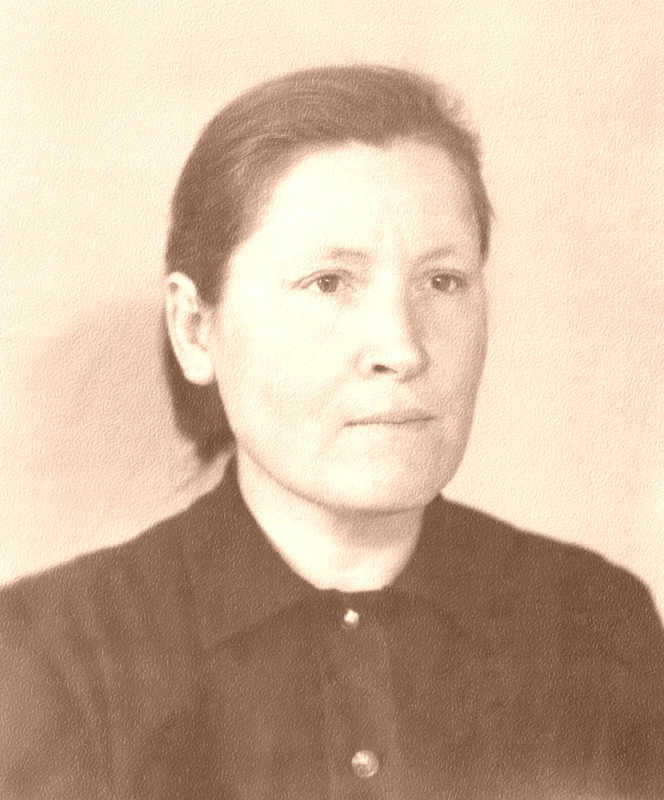
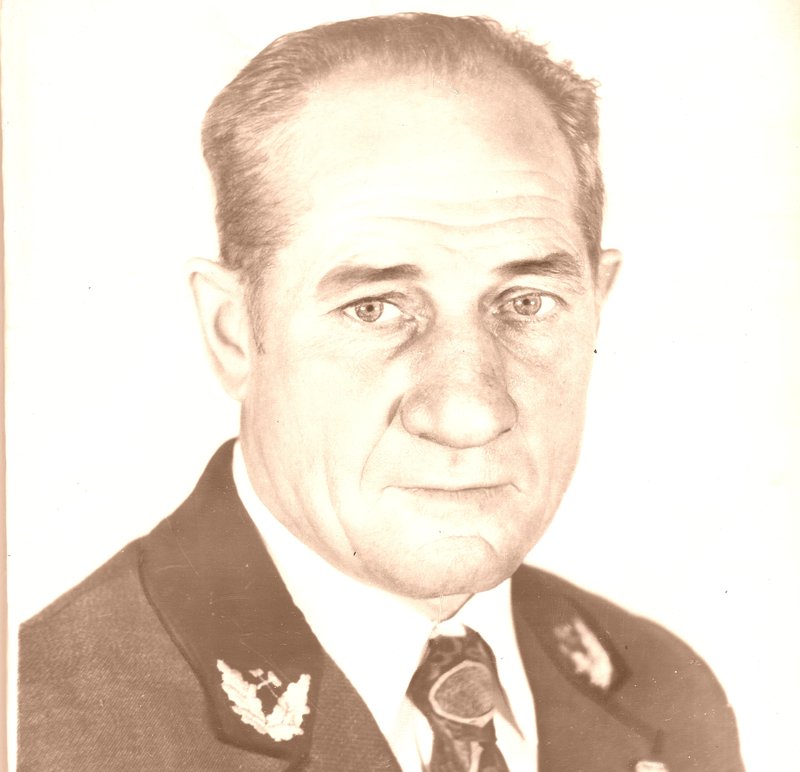
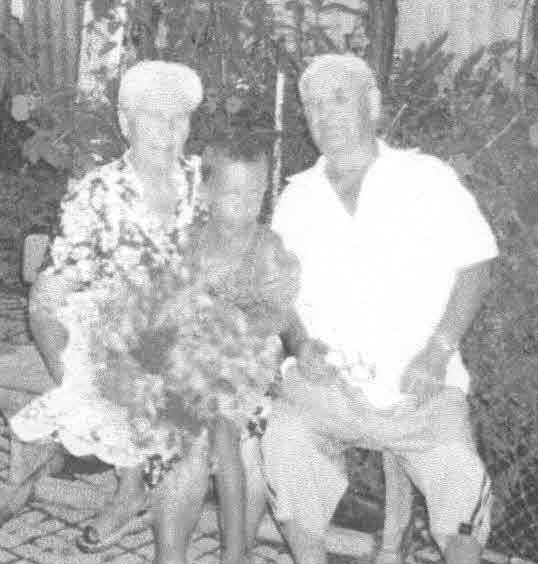
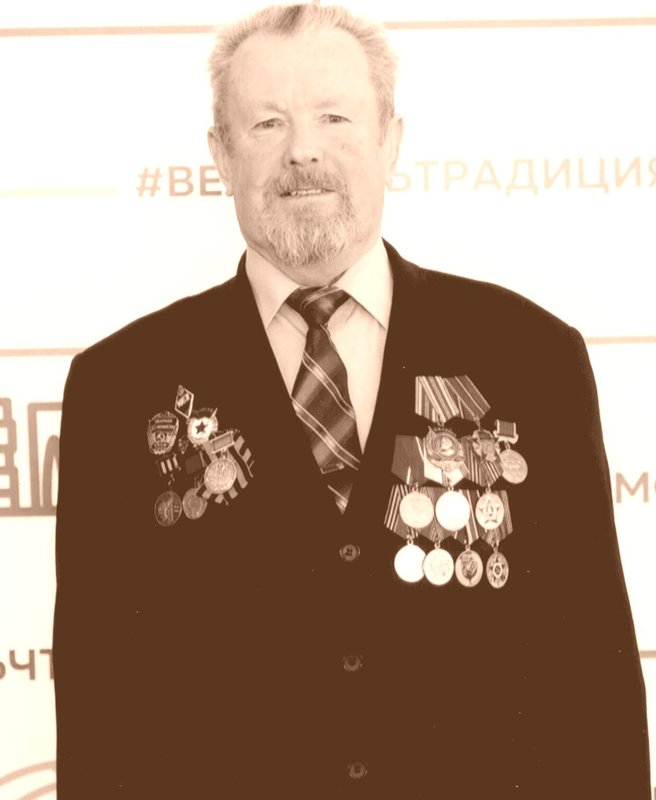
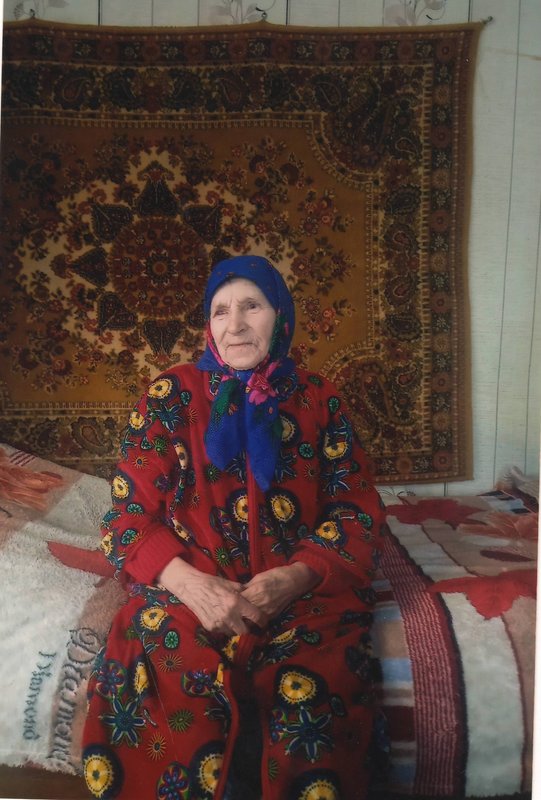
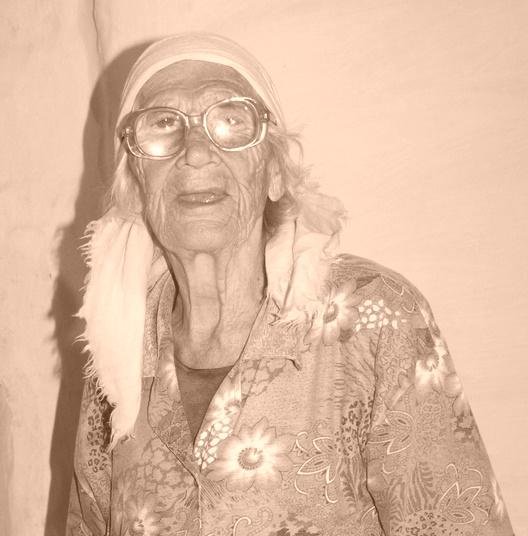
Bazhenova Rufina Nikolaevna
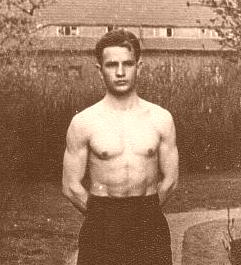
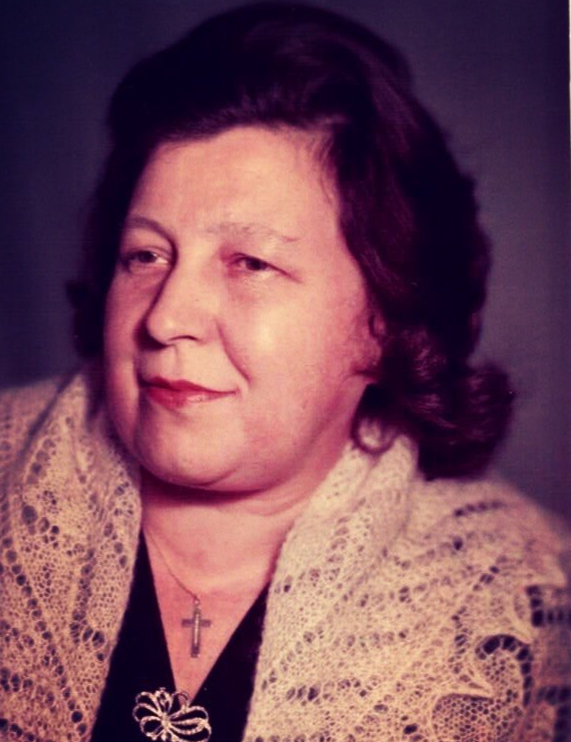
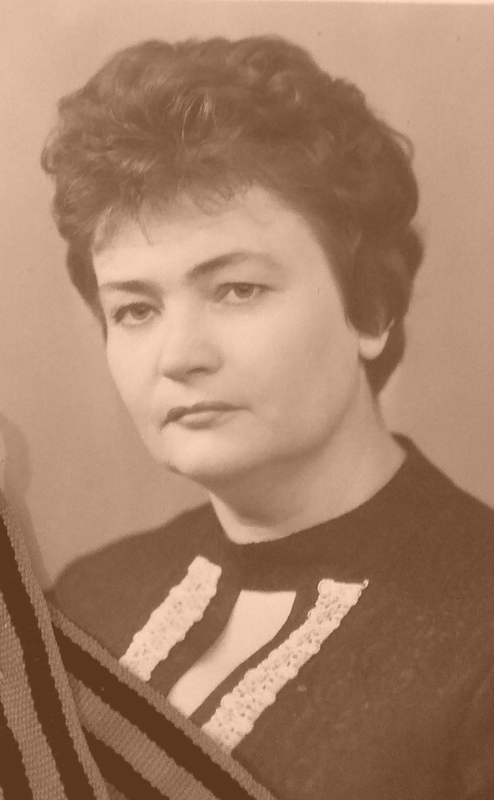
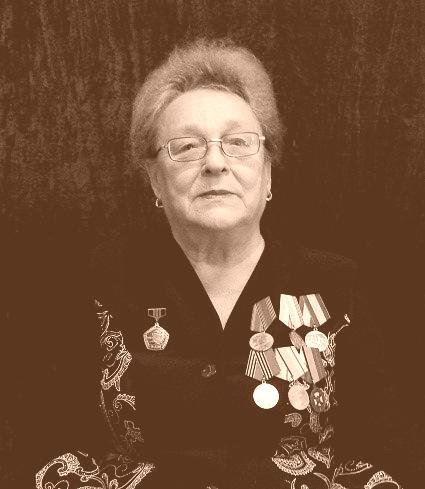
When the Great Patriotic War began, Bazhenova Rufina Nikolaevna was 12 years old. In their trans-Ural village Krysie, Makushinsky district, Kurgan region, a hospital was organized. And for the children of the wartime, the hospital became a favorite place. Boys and girls used to go there. They read poetry, sang, even danced, showed who could do something. It was a holiday for the wounded when the children came. They asked the children about everything, they themselves told a lot, argued among themselves about how to hit the fascists in order to smash them with one blow. Children grew up early in wartime. And my grandmother not only raised the morale of the wounded soldiers, but also helped the medical workers, washed bloody bandages, dried them, rolled them into a roller. The household also fell on the shoulders of the teenagers, they bought bread, kerosene, and other meager goods by ration cards, cooked a meager dinner from sorrel, nettle, plantain, spiced with a pinch of cereal . Hosted while adults were at work and came home after dark. In summer it was easier, in summer you can find food everywhere, pick mushrooms, berries, fish on the lake. Bread, most often baked with grass, from quinoa and clover. They collected the grass ahead of time, dried it in bunches in the entryway on perches, then dried it in the oven, spreading a canopy, pounded the grass in a mortar - dust rose. This dust was grass flour. It was shaken off the canvas and black cakes were baked interspersed with the remnants of rye flour. My grandmother was the eldest in the family, so she also took care of the younger brothers. Her mother, Maria Grigorievna Bazhenova, my great-grandmother worked on a collective farm, my father, my great-grandfather, Nikolai Ivanovich Bazhenov, went to the front in the first months of the war. At first he wrote letters from the training school, and then from the front, served in p / p 2143, was wounded, but after the hospital he was back in operation. In the village, during the war, there was one person who was the most desirable and at the same time the most unwanted for everyone. This is the postman. They expected letters from her, expected news, which she learned in the village council and in the mail. The soldiers' letters were without envelopes, in the form of triangles, but these were the most dear news to the heart. Several of these soldiers' triangles, which have turned yellow from time to time, are carefully kept by my grandmother. It is a living testimony of that time, written in pencil lines: “How are you living? I'm fine, little has been written about military affairs, more and more questions about the life of the family. But the postman could also bring sad news. Death notice is a terrible word. They were not expected. And they were waiting for the soldiers' letters. Dated in February 1943, the sad news of the "missing" private soldier Bazhenov N.I. was the last mention of the combat path of my great-grandfather. Presumably, he died in the battles near Rzhev, it was from there that the last letters were sent. Information about my great-grandfather, Nikolai Ivanovich, I also found on the "Memory of the People" portal. Battle of Rzhev 1941-1943 - the bloodiest battle in the history of mankind. And the most hushed up by historians. On the Rzhevsky bridgehead there were 2/3 divisions of the "Center" army for the attack on Moscow. The losses of Soviet troops in the battles near Rzhev amounted to more than 2 million people, twice the losses in the Battle of Stalingrad. The 29th Army was killed in the forests near Rzhev. The city itself has been turned into a lunar landscape. Only 248 people survived of the city's 40,000 population. After a fierce 15-month battle, Rzhev was never taken - the Germans themselves withdrew to prepared positions. War is a terrible word, there should never be war again. I want to live in peace. And so that everyone on our land live peacefully. We must keep the peace and be proud of our ancestors who gave it to us. My grandmother is a home front worker, she has jubilee awards in connection with the celebration of the Victory Day of the Soviet people in the Great Patriotic War. I hope that we will preserve her stories about the war childhood and the post-war period of our history, passing it on to each other. The only thing that we can and should do today is to preserve the memory of both the military and labor affairs of our ancestors. The household also fell on the shoulders of the teenagers, they bought bread, kerosene, and other meager goods by ration cards, cooked a meager dinner from sorrel, nettle, plantain, spiced with a pinch of cereal . Hosted while adults were at work and came home after dark. In summer it was easier, in summer you can find food everywhere, pick mushrooms, berries, fish on the lake. Bread, most often baked with grass, from quinoa and clover. They collected the grass ahead of time, dried it in bunches in the entryway on perches, then dried it in the oven, spreading a canopy, pounded the grass in a mortar - dust rose. This dust was grass flour. It was shaken off the canvas and black cakes were baked interspersed with the remnants of rye flour. My grandmother was the eldest in the family, so she also took care of the younger brothers. Her mother, Maria Grigorievna Bazhenova, my great-grandmother worked on a collective farm, my father, my great-grandfather, Nikolai Ivanovich Bazhenov, went to the front in the first months of the war. At first he wrote letters from the training school, and then from the front, served in p / p 2143, was wounded, but after the hospital he was back in operation.In the village, during the war, there was one person who was the most desirable and at the same time the most unwanted for everyone. This is the postman. They expected letters from her, expected news, which she learned in the village council and in the mail. The soldiers' letters were without envelopes, in the form of triangles, but these were the most dear news to the heart. Several of these soldiers' triangles, which have turned yellow from time to time, are carefully kept by my grandmother. It is a living testimony of that time, written in pencil lines: “How are you living? I'm fine, "little has been written about military affairs, more and more questions about the life of the family. But the postman could also bring sad news. Funeral is a terrible word. They were not expected. And they were waiting for the soldiers' letters. Dated in February 1943, the sad news of the "missing" private soldier Bazhenov N.I. was the last mention of the combat path of my great-grandfather. Presumably, he died in the battles near Rzhev, it was from there that the last letters were sent. Information about my great-grandfather, Nikolai Ivanovich, I also found on the "Memory of the People" portal. Battle of Rzhev 1941-1943 - the bloodiest battle in the history of mankind. And the most hushed up by historians. On the Rzhevsky bridgehead there were 2/3 divisions of the "Center" army for the attack on Moscow. The losses of Soviet troops in the battles near Rzhev amounted to more than 2 million people, twice the losses in the Battle of Stalingrad. The 29th Army was killed in the forests near Rzhev. The city itself has been turned into a lunar landscape. Only 248 people survived of the city's 40,000 population. After a fierce 15-month battle, Rzhev was never taken - the Germans themselves withdrew to prepared positions. War is a terrible word, there should never be war again. I want to live in peace. And so that everyone on our land live peacefully. We must keep the peace and be proud of our ancestors who gave it to us. My grandmother is a home front worker, she has jubilee awards in connection with the celebration of the Victory Day of the Soviet people in the Great Patriotic War. I hope that we will preserve her stories about the war childhood and the post-war period of our history, passing it on to each other. The only thing that we can and should do today is to preserve the memory of both the military and labor affairs of our ancestors.
Bazhenova Rufina Nikolaevna
When the Great Patriotic War began, Bazhenova Rufina Nikolaevna was 12 years old. In their trans-Ural village Krysie, Makushinsky district, Kurgan region, a hospital was organized. And for the children of the wartime, the hospital became a favorite place. Boys and girls used to go there. They read poetry, sang, even danced, showed who could do something. It was a holiday for the wounded when the children came. They asked the children about everything, they themselves told a lot, argued among themselves about how to hit the fascists in order to smash them with one blow. Children grew up early in wartime. And my grandmother not only raised the morale of the wounded soldiers, but also helped the medical workers, washed bloody bandages, dried them, rolled them into a roller. The household also fell on the shoulders of the teenagers, they bought bread, kerosene, and other meager goods by ration cards, cooked a meager dinner from sorrel, nettle, plantain, spiced with a pinch of cereal . Hosted while adults were at work and came home after dark. In summer it was easier, in summer you can find food everywhere, pick mushrooms, berries, fish on the lake. Bread, most often baked with grass, from quinoa and clover. They collected the grass ahead of time, dried it in bunches in the entryway on perches, then dried it in the oven, spreading a canopy, pounded the grass in a mortar - dust rose. This dust was grass flour. It was shaken off the canvas and black cakes were baked interspersed with the remnants of rye flour. My grandmother was the eldest in the family, so she also took care of the younger brothers. Her mother, Maria Grigorievna Bazhenova, my great-grandmother worked on a collective farm, my father, my great-grandfather, Nikolai Ivanovich Bazhenov, went to the front in the first months of the war. At first he wrote letters from the training school, and then from the front, served in p / p 2143, was wounded, but after the hospital he was back in operation. In the village, during the war, there was one person who was the most desirable and at the same time the most unwanted for everyone. This is the postman. They expected letters from her, expected news, which she learned in the village council and in the mail. The soldiers' letters were without envelopes, in the form of triangles, but these were the most dear news to the heart. Several of these soldiers' triangles, which have turned yellow from time to time, are carefully kept by my grandmother. It is a living testimony of that time, written in pencil lines: “How are you living? I'm fine, little has been written about military affairs, more and more questions about the life of the family. But the postman could also bring sad news. Death notice is a terrible word. They were not expected. And they were waiting for the soldiers' letters. Dated in February 1943, the sad news of the "missing" private soldier Bazhenov N.I. was the last mention of the combat path of my great-grandfather. Presumably, he died in the battles near Rzhev, it was from there that the last letters were sent. Information about my great-grandfather, Nikolai Ivanovich, I also found on the "Memory of the People" portal. Battle of Rzhev 1941-1943 - the bloodiest battle in the history of mankind. And the most hushed up by historians. On the Rzhevsky bridgehead there were 2/3 divisions of the "Center" army for the attack on Moscow. The losses of Soviet troops in the battles near Rzhev amounted to more than 2 million people, twice the losses in the Battle of Stalingrad. The 29th Army was killed in the forests near Rzhev. The city itself has been turned into a lunar landscape. Only 248 people survived of the city's 40,000 population. After a fierce 15-month battle, Rzhev was never taken - the Germans themselves withdrew to prepared positions. War is a terrible word, there should never be war again. I want to live in peace. And so that everyone on our land live peacefully. We must keep the peace and be proud of our ancestors who gave it to us. My grandmother is a home front worker, she has jubilee awards in connection with the celebration of the Victory Day of the Soviet people in the Great Patriotic War. I hope that we will preserve her stories about the war childhood and the post-war period of our history, passing it on to each other. The only thing that we can and should do today is to preserve the memory of both the military and labor affairs of our ancestors. The household also fell on the shoulders of the teenagers, they bought bread, kerosene, and other meager goods by ration cards, cooked a meager dinner from sorrel, nettle, plantain, spiced with a pinch of cereal . Hosted while adults were at work and came home after dark. In summer it was easier, in summer you can find food everywhere, pick mushrooms, berries, fish on the lake. Bread, most often baked with grass, from quinoa and clover. They collected the grass ahead of time, dried it in bunches in the entryway on perches, then dried it in the oven, spreading a canopy, pounded the grass in a mortar - dust rose. This dust was grass flour. It was shaken off the canvas and black cakes were baked interspersed with the remnants of rye flour. My grandmother was the eldest in the family, so she also took care of the younger brothers. Her mother, Maria Grigorievna Bazhenova, my great-grandmother worked on a collective farm, my father, my great-grandfather, Nikolai Ivanovich Bazhenov, went to the front in the first months of the war. At first he wrote letters from the training school, and then from the front, served in p / p 2143, was wounded, but after the hospital he was back in operation.In the village, during the war, there was one person who was the most desirable and at the same time the most unwanted for everyone. This is the postman. They expected letters from her, expected news, which she learned in the village council and in the mail. The soldiers' letters were without envelopes, in the form of triangles, but these were the most dear news to the heart. Several of these soldiers' triangles, which have turned yellow from time to time, are carefully kept by my grandmother. It is a living testimony of that time, written in pencil lines: “How are you living? I'm fine, "little has been written about military affairs, more and more questions about the life of the family. But the postman could also bring sad news. Funeral is a terrible word. They were not expected. And they were waiting for the soldiers' letters. Dated in February 1943, the sad news of the "missing" private soldier Bazhenov N.I. was the last mention of the combat path of my great-grandfather. Presumably, he died in the battles near Rzhev, it was from there that the last letters were sent. Information about my great-grandfather, Nikolai Ivanovich, I also found on the "Memory of the People" portal. Battle of Rzhev 1941-1943 - the bloodiest battle in the history of mankind. And the most hushed up by historians. On the Rzhevsky bridgehead there were 2/3 divisions of the "Center" army for the attack on Moscow. The losses of Soviet troops in the battles near Rzhev amounted to more than 2 million people, twice the losses in the Battle of Stalingrad. The 29th Army was killed in the forests near Rzhev. The city itself has been turned into a lunar landscape. Only 248 people survived of the city's 40,000 population. After a fierce 15-month battle, Rzhev was never taken - the Germans themselves withdrew to prepared positions. War is a terrible word, there should never be war again. I want to live in peace. And so that everyone on our land live peacefully. We must keep the peace and be proud of our ancestors who gave it to us. My grandmother is a home front worker, she has jubilee awards in connection with the celebration of the Victory Day of the Soviet people in the Great Patriotic War. I hope that we will preserve her stories about the war childhood and the post-war period of our history, passing it on to each other. The only thing that we can and should do today is to preserve the memory of both the military and labor affairs of our ancestors.
0 comment



2026 © Russian Military Historical Society Developed by Jetmix