Shamova Maria Alexandrovna
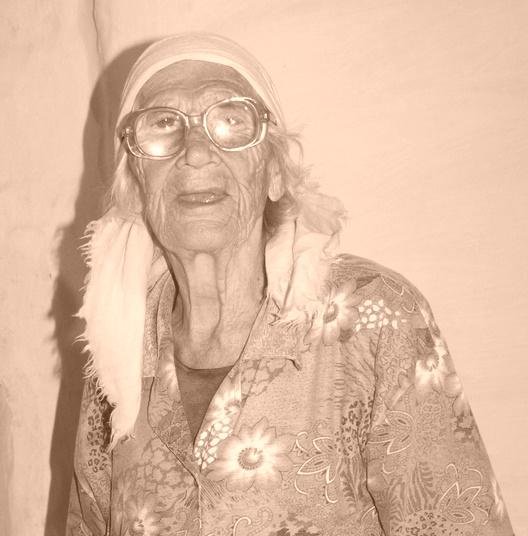
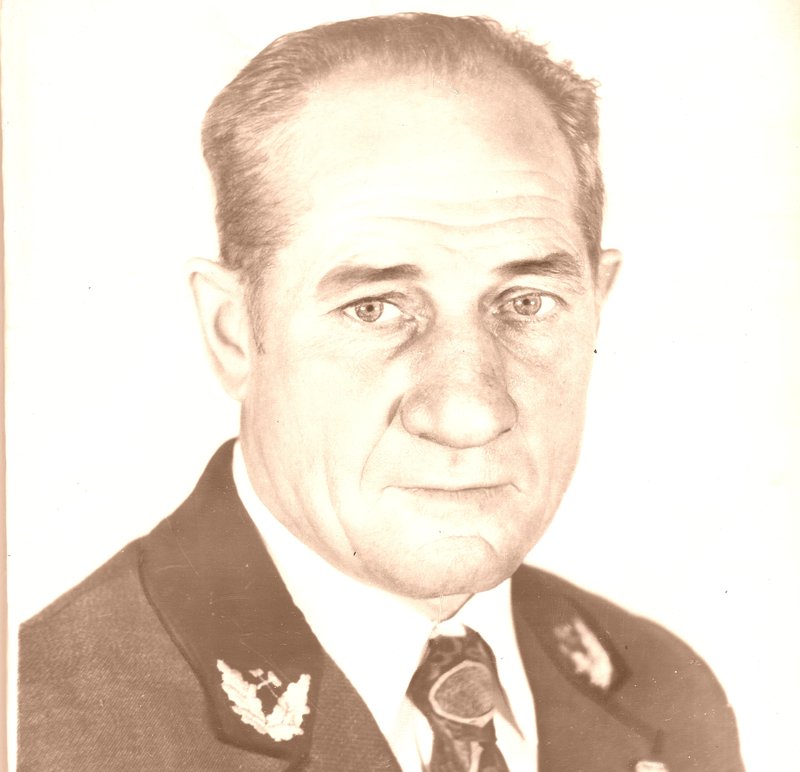
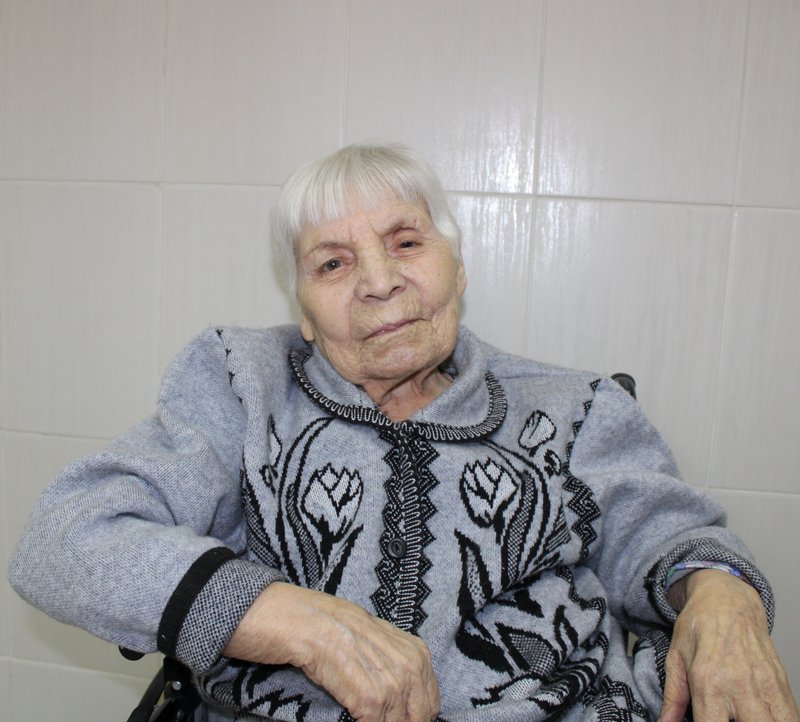
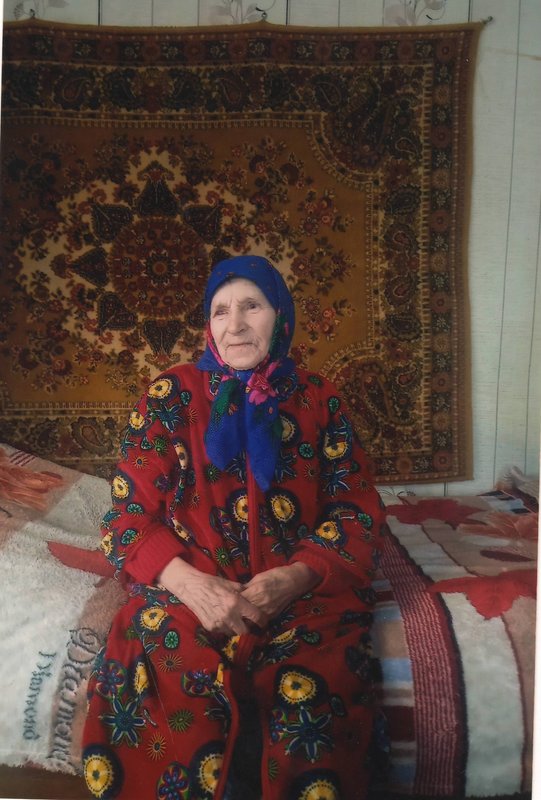
Shamova Maria Alexandrovna. Was born on November 25, 1929 in the village of Olshanka. In 1937, she went to the Olshansk eight-year school. In 1944, she finished 7 classes.
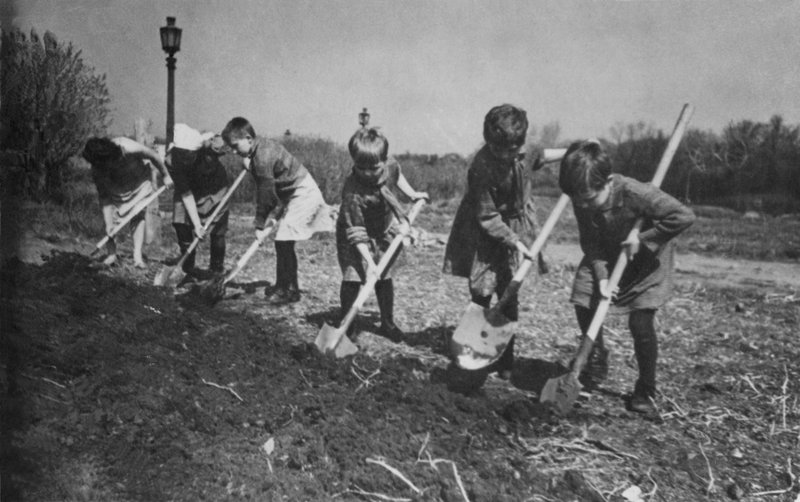
“From the radio message we learned that the war had started, the screams of women spread throughout the village. People were crying and screaming. My father was taken to the military registration and enlistment office right from the field on the first day of the war. He died in 1942 near Smolensk. Mom had three daughters left, she worked all the time on the collective farm in various jobs. We also took part in the work both in the field and in the warehouses. I had to work not only on holiday, I was released from school to help during sowing and harvesting. What kind of work did the schoolchildren take part in? We created guard posts for bread protection, carried out raids on readiness checks on collective farms for field work, collected ears, fertilizers, cut the tops of potato tubers for planting, looked after young growth on livestock farms, made shields for snow retention. The main rear occupation for children and adults during the war years was labour, hard and painstaking, which made it possible to provide those living in the rear with some kind of food and provide all possible assistance to the front. In the beginning, women and children had to learn to do everything without men, with their own hands. All those women and children managed to survive ”- says Maria Alexandrovna.
Shamova Maria Alexandrovna
Shamova Maria Alexandrovna. Was born on November 25, 1929 in the village of Olshanka. In 1937, she went to the Olshansk eight-year school. In 1944, she finished 7 classes.
“From the radio message we learned that the war had started, the screams of women spread throughout the village. People were crying and screaming. My father was taken to the military registration and enlistment office right from the field on the first day of the war. He died in 1942 near Smolensk. Mom had three daughters left, she worked all the time on the collective farm in various jobs. We also took part in the work both in the field and in the warehouses. I had to work not only on holiday, I was released from school to help during sowing and harvesting. What kind of work did the schoolchildren take part in? We created guard posts for bread protection, carried out raids on readiness checks on collective farms for field work, collected ears, fertilizers, cut the tops of potato tubers for planting, looked after young growth on livestock farms, made shields for snow retention. The main rear occupation for children and adults during the war years was labour, hard and painstaking, which made it possible to provide those living in the rear with some kind of food and provide all possible assistance to the front. In the beginning, women and children had to learn to do everything without men, with their own hands. All those women and children managed to survive ”- says Maria Alexandrovna.
0 comment



2026 © Russian Military Historical Society Developed by Jetmix