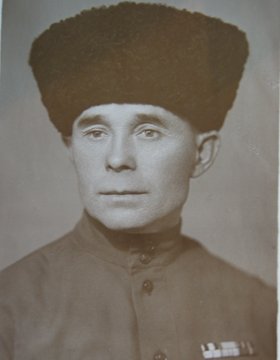
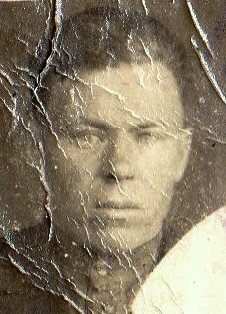
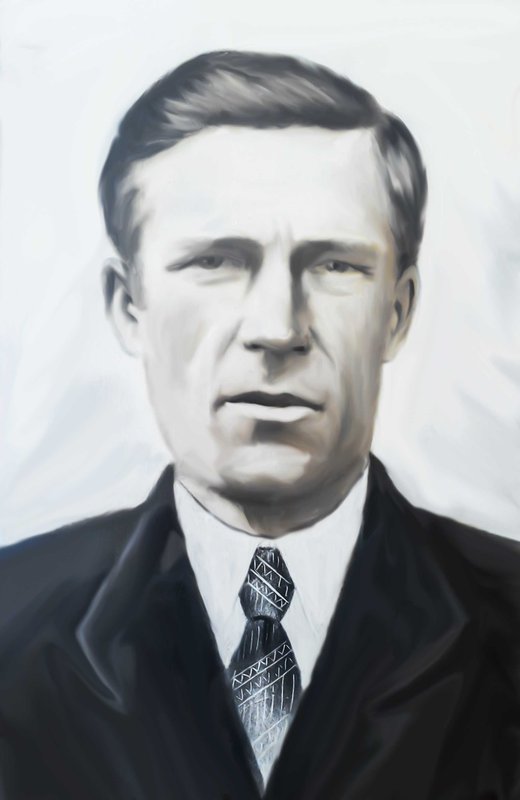
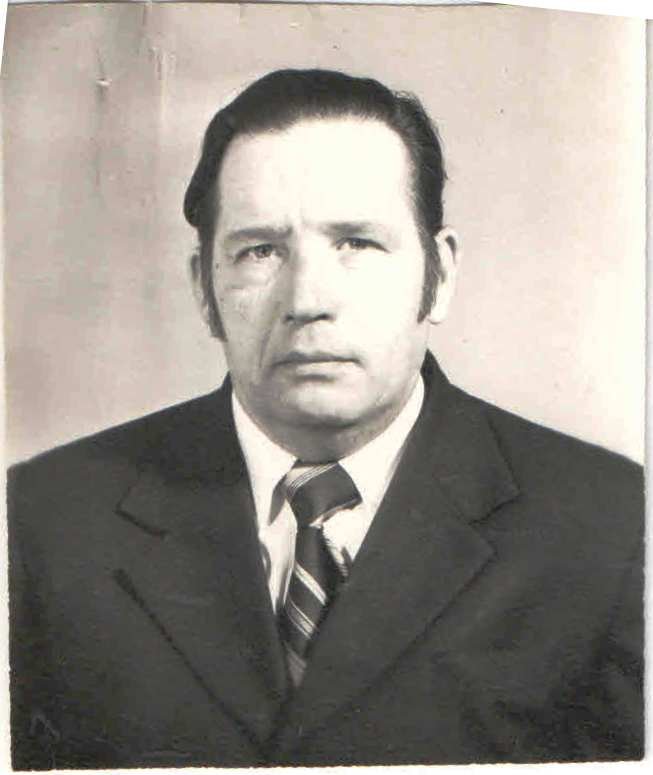
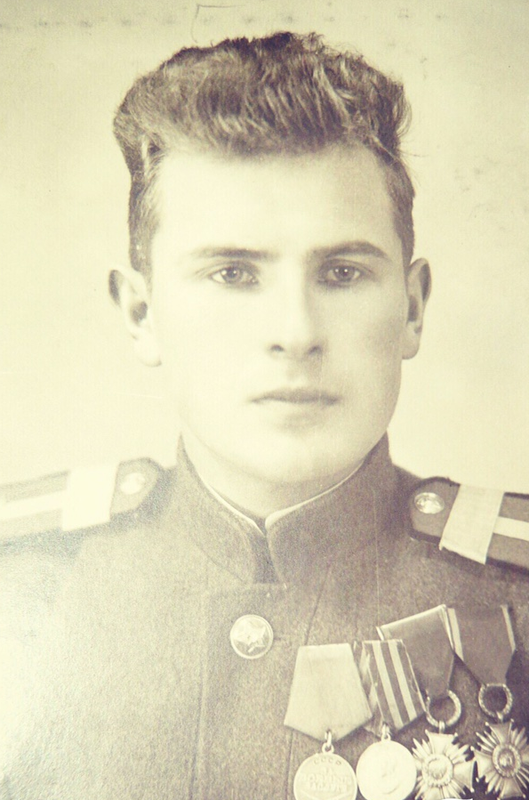
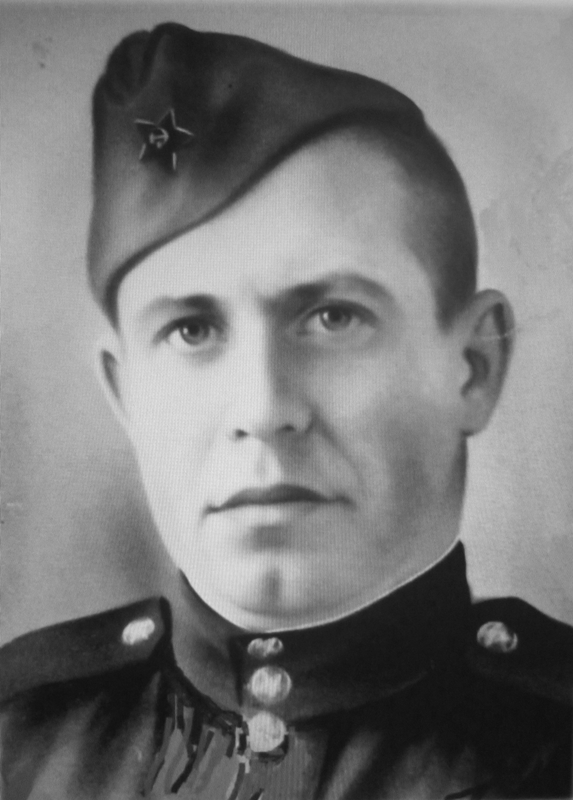
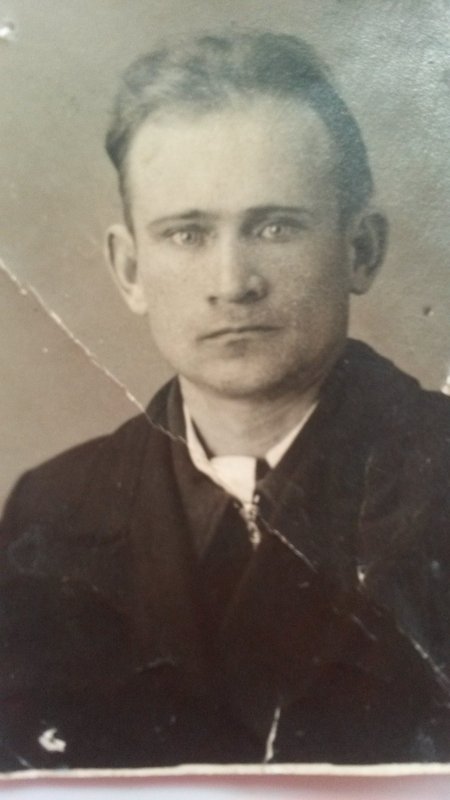
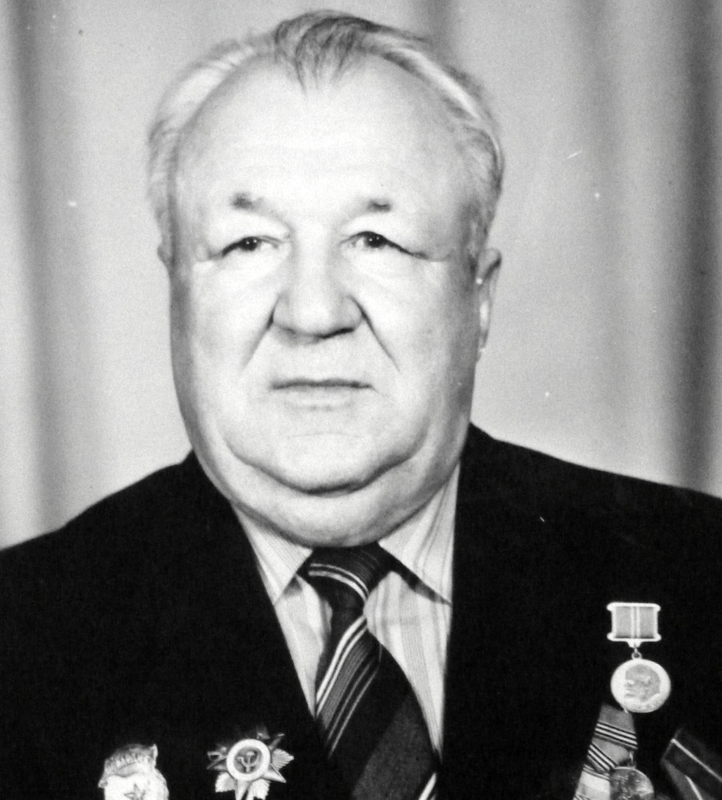
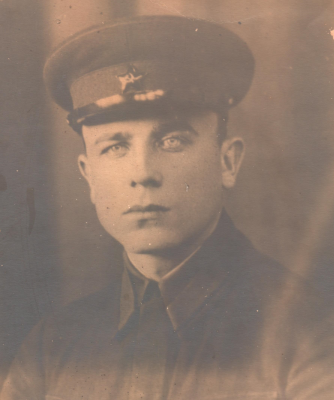
Tomaev, Sozyriko Mikhailovich
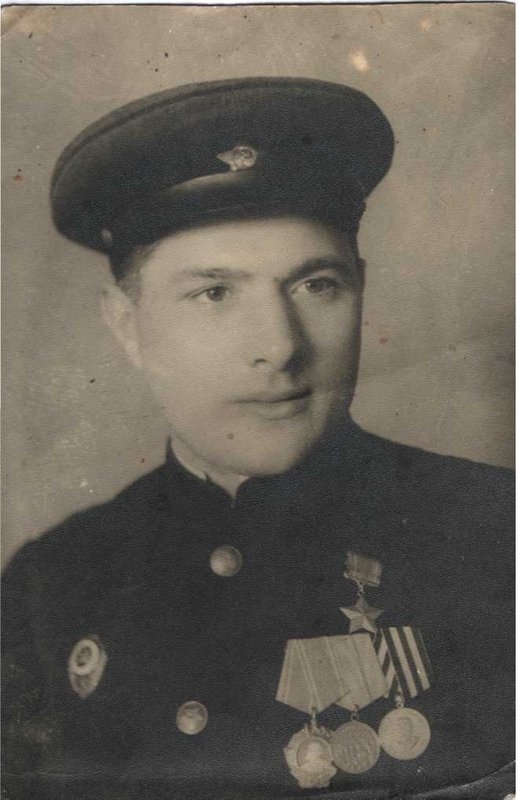
Sozyriko Tomaev's youth ended early enough. As a young guy, he went to war. Having received serious injuries in the first two years of hostilities, he, nevertheless, barely recovered, rushed back to the front. In 1942, being a machine gunner of the 41st Squad of the Reconnaissance Battalion of the 4th Rifle Division, during the battles in the M-Belozerka-Tumashevka area of the Zaporozhye Region, Tomaev shot down an enemy aircraft with fierce machine gun fire. For his accomplished efforts, Sozyriko was awarded the Order of the Red Banner. _x000D_
And in the summer of 1943, he was sent to the disposal of the Leningrad Headquarters of the partisan movement. Now he had to test his strength by participating in a partisan war. Arriving at the 6th Partisan Brigade, Tomaev was assigned to command a platoon of the 4th Company. The partisans operating in the Pskov Region became a powerful threatening force for the invaders. Sudden, bold raids haunted the Nazis. The population strongly supported them. Some villages were actually under their complete control. When a native of the village of Nart, Ardon Region of our republic, began his service in the Brigade, the partisans settled in the village of Zelensk. He was instructed to organize the defense of this village. _x000D_
Under his leadership, the partisans dug trenches, zigzag passages, and equipped bunkers. The village was surrounded by a solid defensive ring. In mid-August, the Germans sent large forces against them. On August 17, a large detachment of the Nazis began to attack the village, six to seven times larger than the partisan forces. But the defenders of the village boldly accepted the combat and not only withstood it, but also thoroughly battered the fascists. _x000D_
Having stumbled upon such stubborn and organized resistance, the Nazis retreated from the village and themselves went on the defensive. So the first baptism of fire of Sozyriko in the partisan war passed successfully. _x000D_
Soon, Tomaev was instructed to mine the railway between Serebryanka and Plyussa stations. Along this line, the invaders delivered ammunition and manpower to the front, and exported stolen goods to Germany. The worthy son of Ossetia went on a mission with the partisans Spiridonov and Ermolaev. Leaving them in ambush, he proceeded to mine the railroad tracks. The road was heavily guarded. From time to time the Germans fired machine-gun fire through the forest. Choosing the moment when the sentries moved away from the canvas, Tomaev quickly set mines and began to wait. Finally, the train formation appeared. Moments later, a violent explosion shook the air. Flame and black smoke engulfed a steam locomotive and carriages with exploding ammunition ... A week later, Tomaev's platoon dismantled a section of the road between Plyussa and Krasnye Strugi stations. As a result, the Plyussky railway junction was permanently out of order. Later, the command of the 6th Partisan Brigade decided to liquidate a large German garrison in the village of Lyubochary. Having made a hard night crossing through forests and swamps, the partisans unexpectedly attacked the fascist garrison and destroyed it. In this combat, Sozyriko showed himself as a brave and skillful warrior. His friends in the detachment more than once recalled how skillfully he threw grenades into the windows of houses where the Germans were hiding. The partisans mowed down the surviving invaders in bursts. _x000D_
In September 1943, comrade Tomaev was instructed to carry out a new sabotage on the railway. People from other platoons were selected at his disposal. Tomaev carefully thought out the operation, conducted preliminary reconnaissance patrol. It was decided to make explosions north of the Mshinskaya station. According to the plan, the partisans approached the station from the northeast and occupied the approaches to it, standing two or three meters apart. Having stretched out a chain for a long distance, they began to mine the road. At this time, the Nazis who discovered the partisans opened fire. But the partisans staunchly defended themselves. Sozyriko jerked to the enemy bunker and threw grenades at it. The partisans killed all the guards. Tomaev went on his next combat mission alone. _x000D_
In the afternoon, he made his way onto the railway between the stations of Luta and Tolmachevo. Neatly disguised in the forest, he watched the movement of trains. After waiting for darkness, he planted mines, and again hid in the forest. A couple of hours later, the enemy train took off into the air._x000D_
_x000D_
In October, the Nazis, frightened by the incessant sabotage, pulled together large forces to guard the road. The partisans were instructed to attack the Mshinskaya station and clear it of the invaders. It was a hard and dangerous operation. The Company set out for its execution at night. We walked through the forest, through a hard-to-pass swamp, knee-deep in water. They approached the station quietly and opened machine-gun fire on command. The partisans broke through to the station and inflicted fierce losses on the Nazis. But the resistance of the enemies was stubborn. Many people's avengers fell in the combat, the Company Commander was also mortally wounded, as a result of which the command passed to Sozyriko Tomaev. And soon the partisans made a bold raid at the Plyussa station, inflicting an unexpected blow on the Nazis and forcing them to retreat. The carriages of the trains headed towards the besieged Leningrad flew downhill. In the same operation, Sozyriko Tomaev was wounded again, but continued to fight and lead the combat. _x000D_
Sozyriko Mikhailovich Tomaev participated in the operations of the 6th Partisan Brigade until March 1944, when, after the disbandment of partisan detachments, he was again sent to the Soviet Army. Until the very end of the Great Patriotic War, he was at the front. _x000D_
And having demobilized, he returned to his native Ossetia. He returned with several orders and 14 medals. Already at home, he learned with sadness and pain that his younger brother Zanchora, who is still considered missing, had not returned from the battlefield. In peacetime, as well as in wartime, Sozyriko Mikhailovich remained a modest and hardworking person. For many years he worked in forestry in the Kurtatinsky gorge. He was always in the midst of public life. _x000D_
He was elected a Deputy of the Fiagdon village council. Later, the award of the Labor Veteran was added to his military awards. The former partisan was versatile in any job. In the late 60s, he built a wonderful house with his own hands in the village of Khidikus, in which he lived with his family, wife Zinaida and daughter Tamara. _x000D_
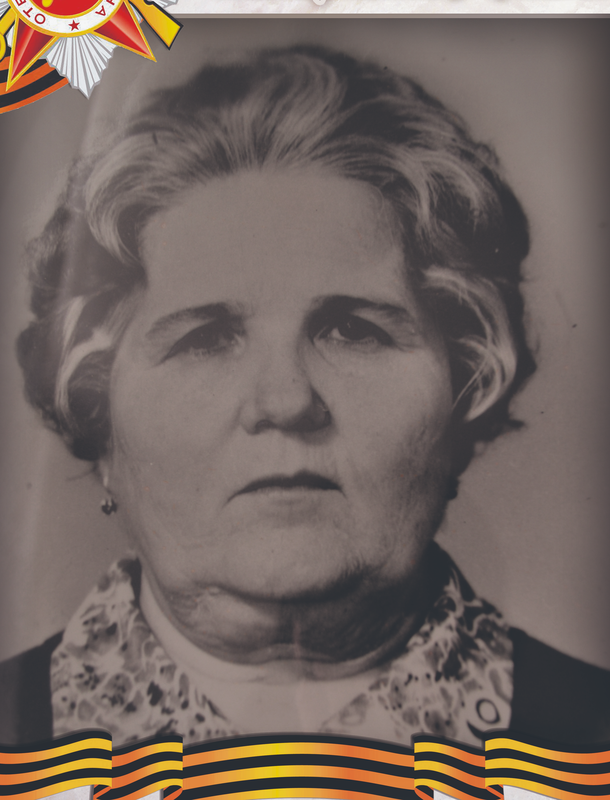
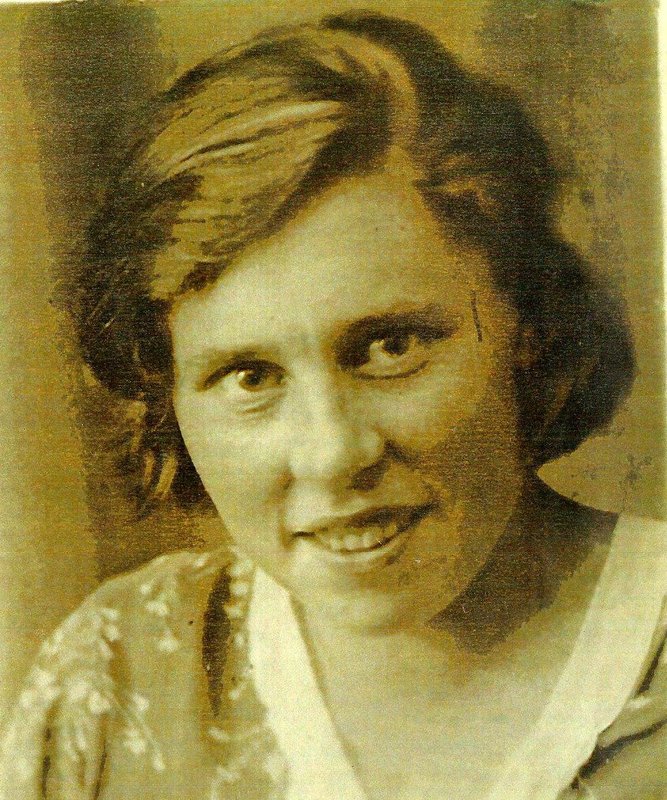
By the way, I would like to say a few words about Zinaida Tomaeva (Kretova). Arriving in Ossetia from the Kalinin Region, she learned the Ossetian language in a short time, and throughout her life she observed all local customs. She was especially good at making traditional Ossetian dishes. Zinaida Fyodorovna highly appreciated the name of the Tomaevs, and they, in turn, loved her. _x000D_
The last years of his busy life, Sozyriko Tomaev spent in his native village of Nart. He had many plans and ideas, but the severe wounds received on the battlefields did not pass without leaving a trace. In 1988 he passed away, but I want to believe that the lives of such people do not pass just like that. I would like to believe that they are alive, as long as they are, at least, remembered.