Back to
album
album
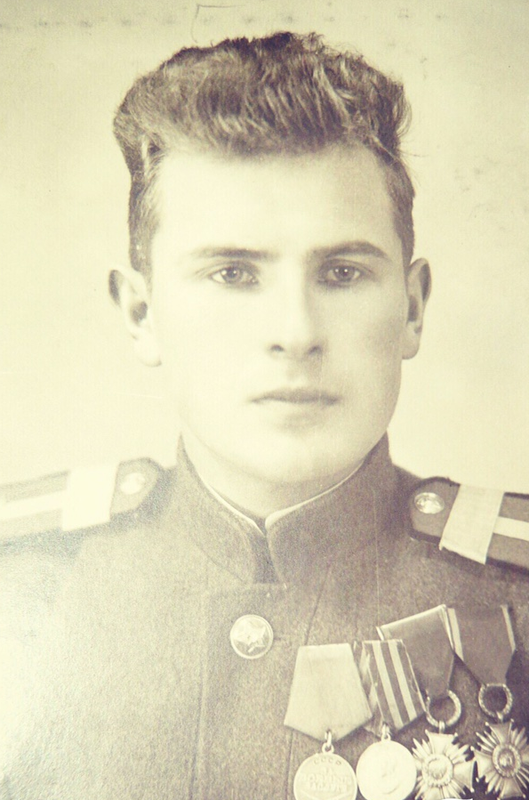
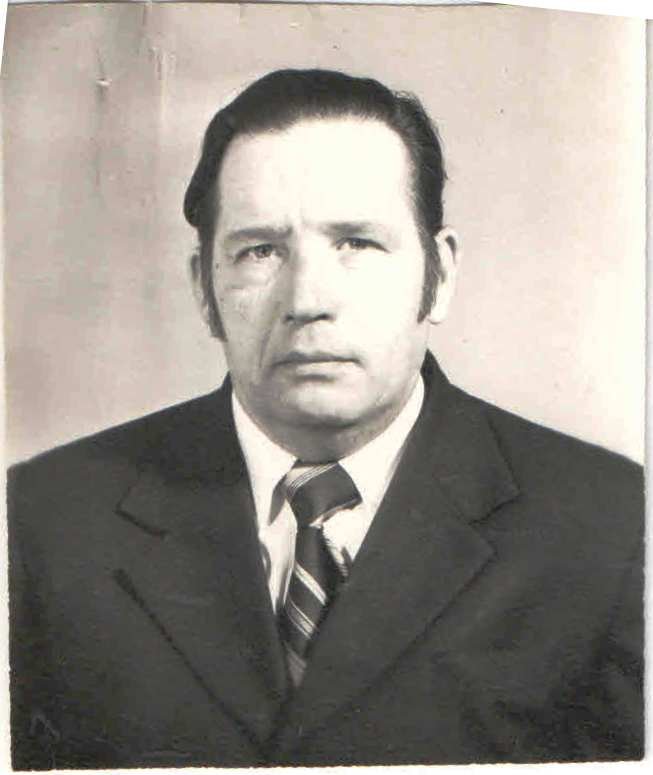
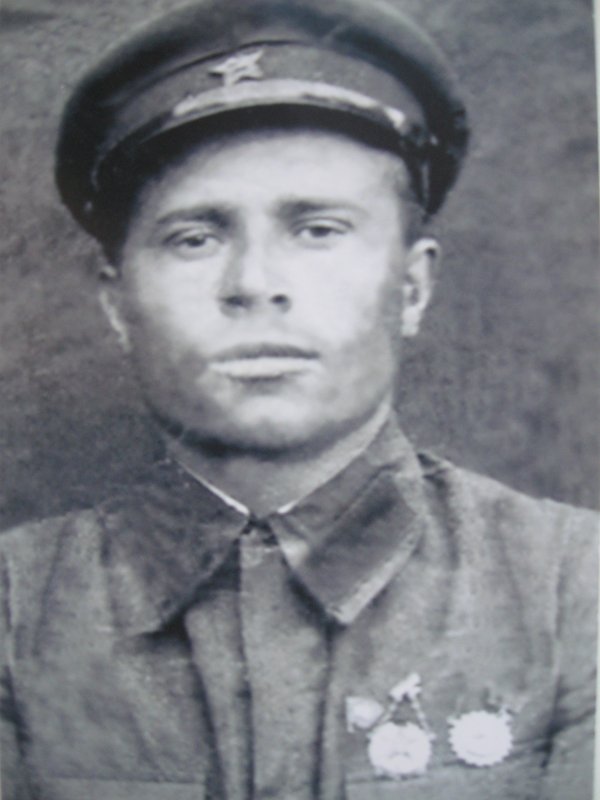
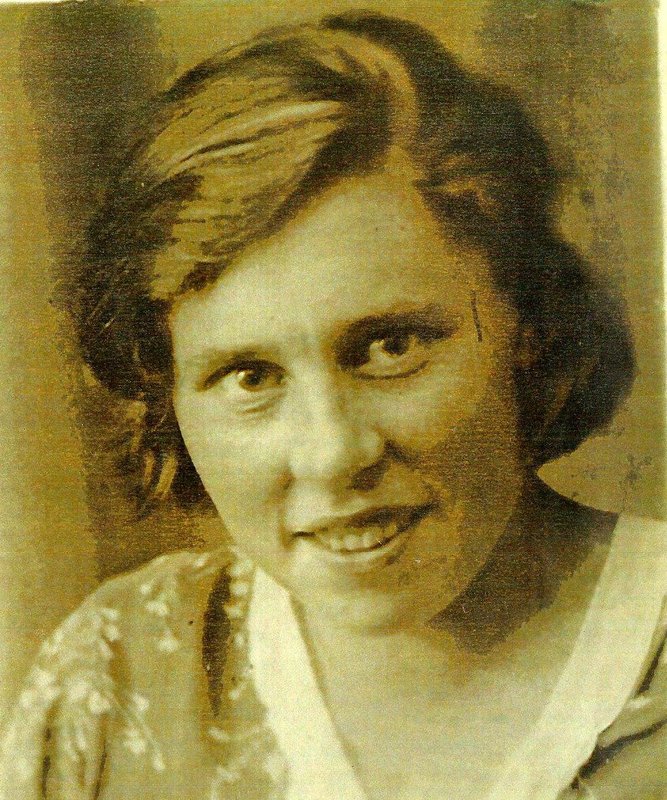
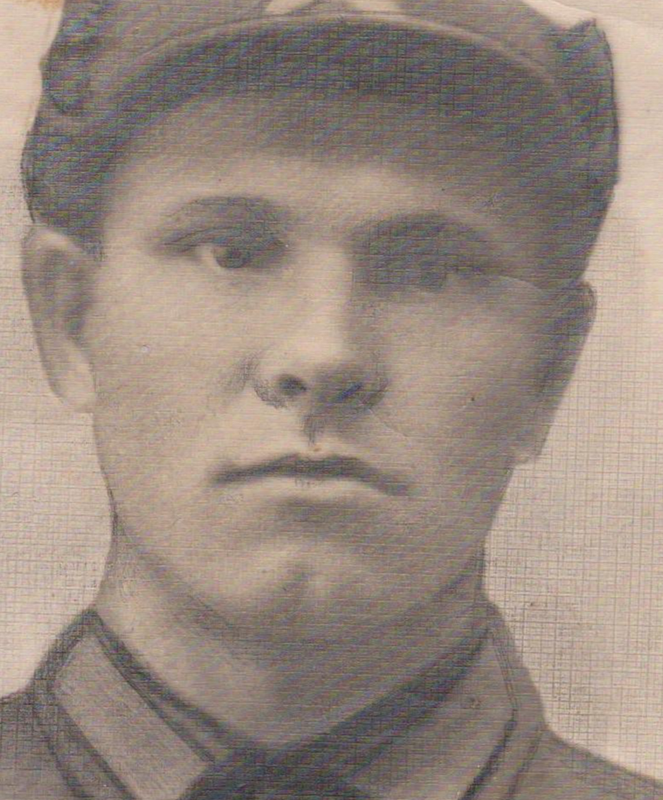
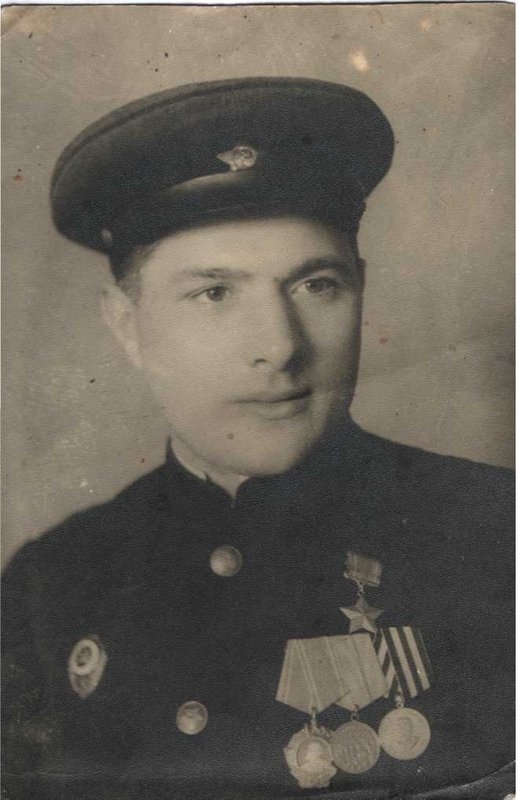
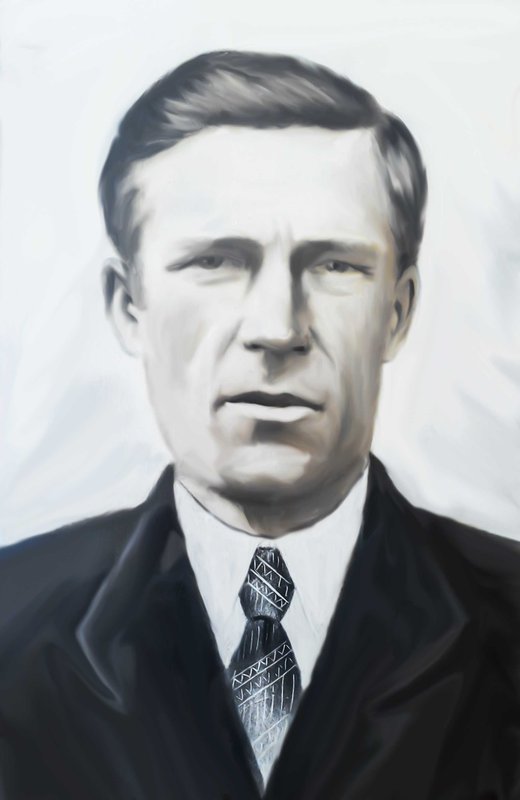
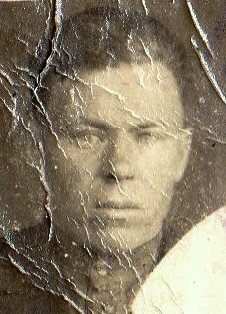
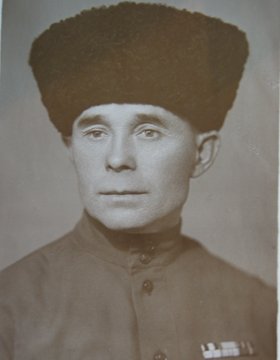
Savin, Victor Stepanovich
Rank: Junior Lieutenant. Branch of troops: Ground Forces. The Great Patriotic War found Viktor Savin in the city of Berdichevo, Zhytomyr Region, where he served in active army since April 1941. A Separate Motorized Pontoon-bridge Battalion, in which pontooner Viktor Stepanovich Savin fought, was front-line subordination, and it was transferred from one front to another. The Battalion had to cross the rivers Seversky Donets, Vorskla, Dnieper, Dniester, Prut, Western Dvina, Vistula, Oder, Spree, etc. to direct and build, maintain ferry crossings under enemy fire. In the autumn and winter of 1942-1943. V.S. Savin worked on the Volga crossing as part of the 64th Army of the Stalingrad Front. He transported a huge amount of military supplies, equipment and soldiers who held the defenses south of Stalingrad. _x000D_
In the summer of 1943, as part of the 7th Guards Army (formerly 64th) V.S. Savin took part in the battles at the Kursk Bulge. When the offensive began, the Battalion had to cross the Seversky Donets and Vorskla rivers. Soviet troops steadily approached the Dnieper. On the night of September 28-29, 1943, the Battalion Commander received an order to begin a landing crossing across the Dnieper. The area of the crossing was near the village of Saloshino, Poltava Region. On a dark night, the paratroopers began to cross. The dispatched subunits captured a foot strong on the western bank of the Dnieper: 8 km in front width and 6 km in depth. This piece of land was shot through by the enemy. _x000D_
On the morning of September 29, the Nazis unleashed fire of all types of ammunition on the destruction of our soldiers who had occupied a foot strong on the right bank. There was nowhere to retreat, during the daytime the river could not be crossed due to the actions of the enemy's aviation and artillery, and until the evening without reinforcements it could not hold out. A hard situation arose. The warriors who were on the given foot strong were bleeding to death and suffered fierce losses. The order of the command was at any cost to transfer equipment and manpower to the foot strong and pick up the wounded in the daytime. But all attempts were unsuccessful, two ferries were sunk. Dusk soon fell. _x000D_
In the most hard conditions, under continuous enemy fire, V.S. Savin and his comrades made 16 voyages to the right bank of the Dnieper, ferrying manpower and equipment. On the seventeenth flight of V. S. Savin loaded 4 Anti-tank guns with crews into the landing pontoon. Already near the coast, the pontoon was damaged and began to sink. V. S. Savin jumped into the water and pulled the pontoon to the shore. When the guns were unloaded, he poured water, plugged the holes with his tunic and swam to the left bank again. _x000D_
By the decree of the Presidium of the Supreme Soviet of the USSR, Viktor Stepanovich Savin, among others, was awarded the title of Hero of the Soviet Union for crossing the Dnieper and firmly consolidating the foot strong on the western bank of the Dnieper. After the Dnieper V. S. Savin, together with his Battalion, reached Berlin.
Savin, Victor Stepanovich
Rank: Junior Lieutenant. Branch of troops: Ground Forces. The Great Patriotic War found Viktor Savin in the city of Berdichevo, Zhytomyr Region, where he served in active army since April 1941. A Separate Motorized Pontoon-bridge Battalion, in which pontooner Viktor Stepanovich Savin fought, was front-line subordination, and it was transferred from one front to another. The Battalion had to cross the rivers Seversky Donets, Vorskla, Dnieper, Dniester, Prut, Western Dvina, Vistula, Oder, Spree, etc. to direct and build, maintain ferry crossings under enemy fire. In the autumn and winter of 1942-1943. V.S. Savin worked on the Volga crossing as part of the 64th Army of the Stalingrad Front. He transported a huge amount of military supplies, equipment and soldiers who held the defenses south of Stalingrad. _x000D_
In the summer of 1943, as part of the 7th Guards Army (formerly 64th) V.S. Savin took part in the battles at the Kursk Bulge. When the offensive began, the Battalion had to cross the Seversky Donets and Vorskla rivers. Soviet troops steadily approached the Dnieper. On the night of September 28-29, 1943, the Battalion Commander received an order to begin a landing crossing across the Dnieper. The area of the crossing was near the village of Saloshino, Poltava Region. On a dark night, the paratroopers began to cross. The dispatched subunits captured a foot strong on the western bank of the Dnieper: 8 km in front width and 6 km in depth. This piece of land was shot through by the enemy. _x000D_
On the morning of September 29, the Nazis unleashed fire of all types of ammunition on the destruction of our soldiers who had occupied a foot strong on the right bank. There was nowhere to retreat, during the daytime the river could not be crossed due to the actions of the enemy's aviation and artillery, and until the evening without reinforcements it could not hold out. A hard situation arose. The warriors who were on the given foot strong were bleeding to death and suffered fierce losses. The order of the command was at any cost to transfer equipment and manpower to the foot strong and pick up the wounded in the daytime. But all attempts were unsuccessful, two ferries were sunk. Dusk soon fell. _x000D_
In the most hard conditions, under continuous enemy fire, V.S. Savin and his comrades made 16 voyages to the right bank of the Dnieper, ferrying manpower and equipment. On the seventeenth flight of V. S. Savin loaded 4 Anti-tank guns with crews into the landing pontoon. Already near the coast, the pontoon was damaged and began to sink. V. S. Savin jumped into the water and pulled the pontoon to the shore. When the guns were unloaded, he poured water, plugged the holes with his tunic and swam to the left bank again. _x000D_
By the decree of the Presidium of the Supreme Soviet of the USSR, Viktor Stepanovich Savin, among others, was awarded the title of Hero of the Soviet Union for crossing the Dnieper and firmly consolidating the foot strong on the western bank of the Dnieper. After the Dnieper V. S. Savin, together with his Battalion, reached Berlin.
0 comment




2026 © Russian Military Historical Society Developed by Jetmix