Back to
album
album
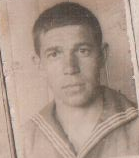
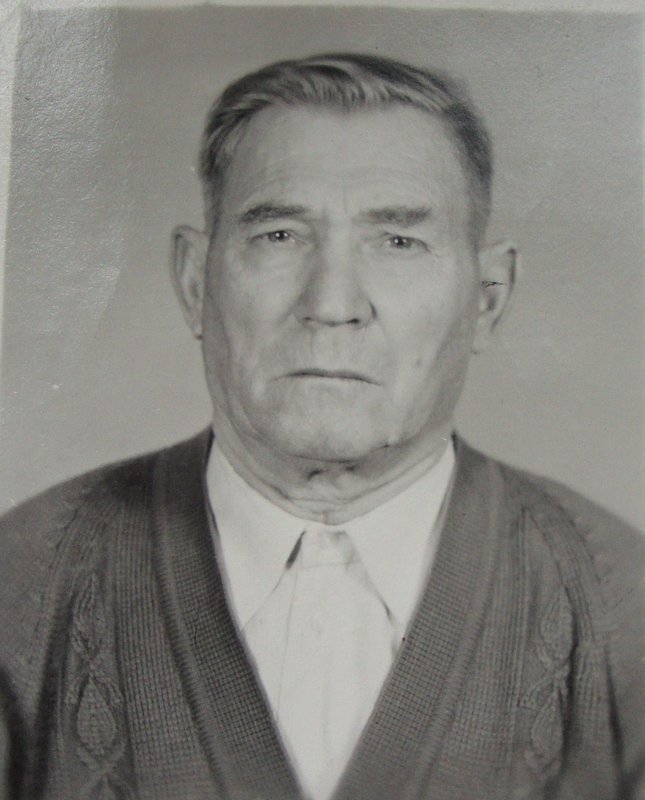
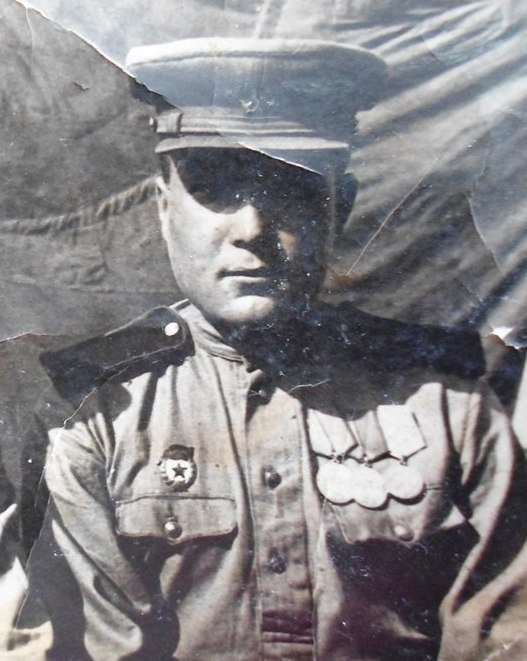
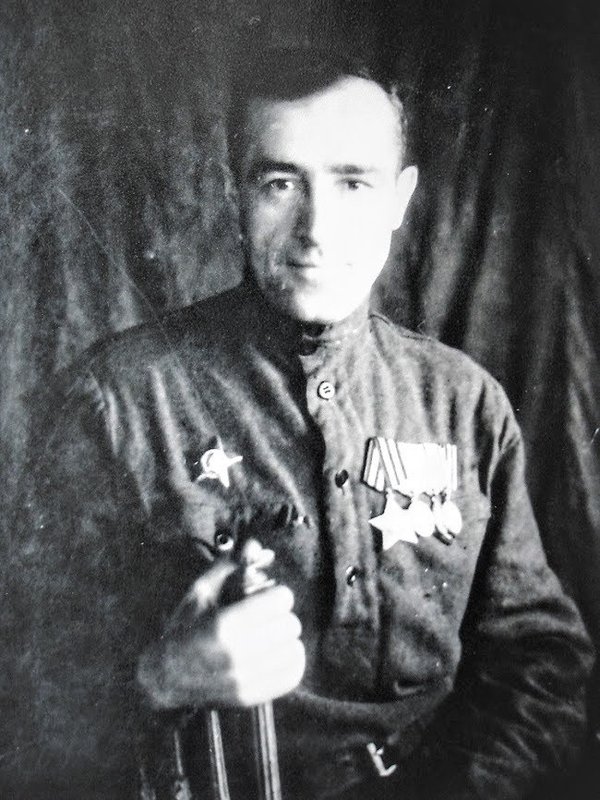
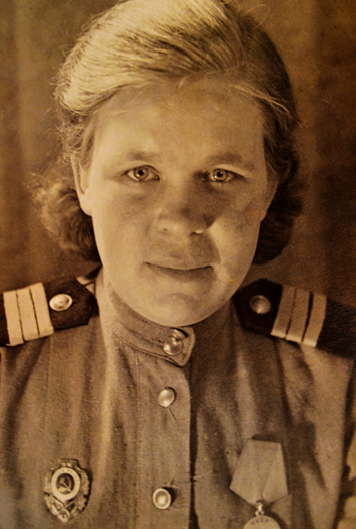
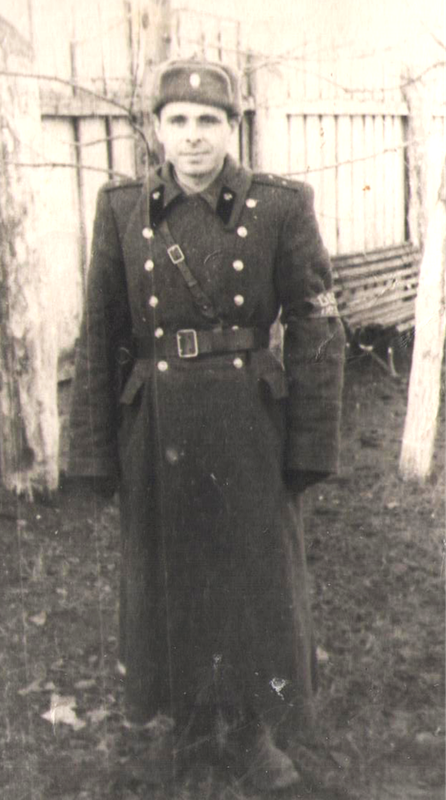
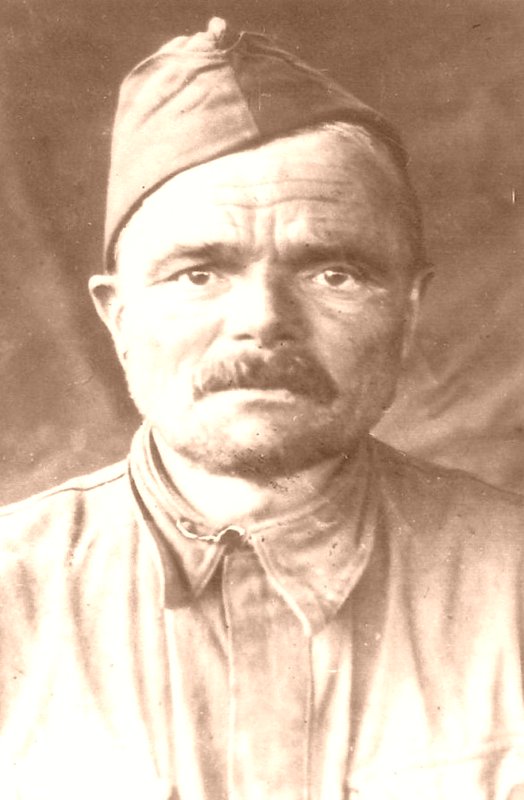
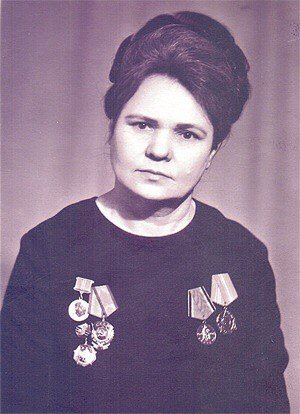
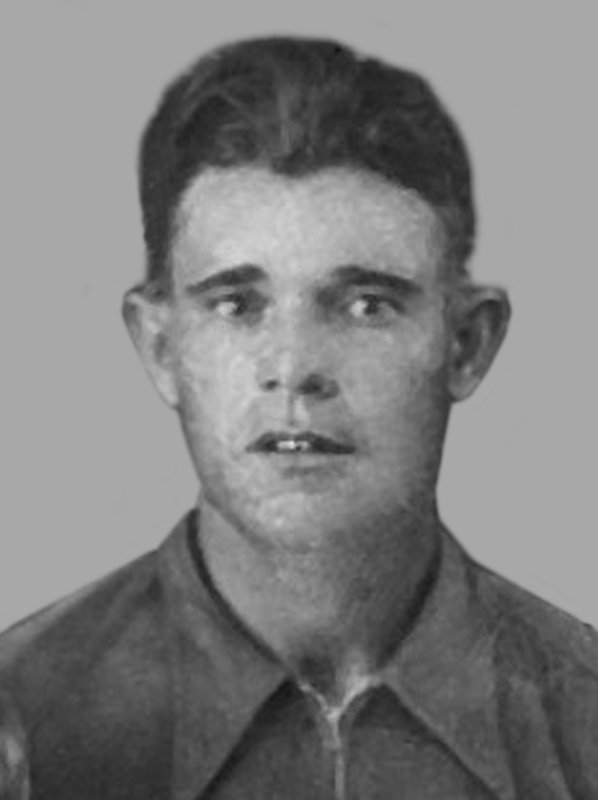
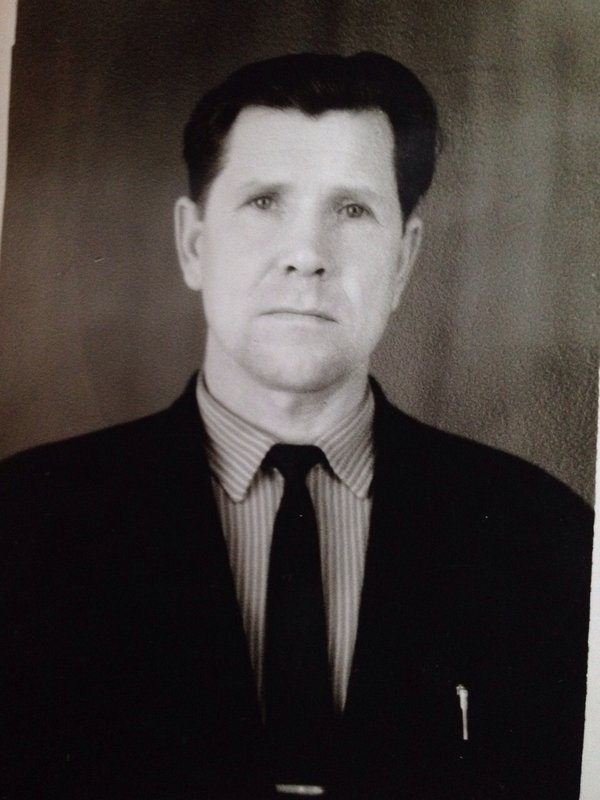
Volodin Nikolay Tikhonovich
Rank: Major. Type of troops: Technical troops (CW, railway, motor transport, radio technical, road troops, topographic). When the Great Patriotic war began, my grandfather was 13 years old. He, like all children of the pre-war period, studied at school, made plans for the future. My grandfather lived in the ancient picturesque town of Yelets, Lipetsk region. Already in October 1941, German troops approached Yelets. On December 1, the Germans took the city. However, they were unable to establish their own order, as our army liberated the city three days later. My grandfather worked on clearing the rubble of the city. In 1943, he entered the construction technical school and continued to work on the restoration and construction of his native city. My grandfather-Volodin Nikolai Tikhonovich - did not participate in the fighting, does not have military awards, as he was a teenager during the war. However, with his studies and work, he helped his homeland to survive in difficult years and defeat the enemy. My grandfather was a member of the labour front during the great Patriotic war. After the defeat of the Nazis near Yelets, my grandfather worked on clearing the rubble of the city from bombing. It was very difficult and hard work, but he courageously worked on a par with adults, restoring the destroyed hometown. In 1948, he was drafted into the Soviet Army and linked his entire life with military service in peacetime as part of the railway troops. At that time, active construction of Railways began. It so happened that my grandfather served in the most responsible places – he built Railways first in Mongolia, and then he was transferred to Siberia. Then the grandiose construction of the TRANS-Baikal railway began there. My grandfather told me a lot about the service. It is very difficult to build a railway, especially in the mountains. To make a road there, you had to dig tunnels. The road led along Lake Baikal. To prevent water from overflowing and eroding the road, they put dams. Then there were new construction projects in my grandfather's life: Azerbaijan, Ukraine, a section of the Moscow – Ryazan railway, and then the construction of the century-the Baikal-Amur mainline. My grandfather has many awards. He received his awards in peacetime for heroic and selfless work on the most difficult and responsible sections of railway construction.
Volodin Nikolay Tikhonovich
Rank: Major. Type of troops: Technical troops (CW, railway, motor transport, radio technical, road troops, topographic). When the Great Patriotic war began, my grandfather was 13 years old. He, like all children of the pre-war period, studied at school, made plans for the future. My grandfather lived in the ancient picturesque town of Yelets, Lipetsk region. Already in October 1941, German troops approached Yelets. On December 1, the Germans took the city. However, they were unable to establish their own order, as our army liberated the city three days later. My grandfather worked on clearing the rubble of the city. In 1943, he entered the construction technical school and continued to work on the restoration and construction of his native city. My grandfather-Volodin Nikolai Tikhonovich - did not participate in the fighting, does not have military awards, as he was a teenager during the war. However, with his studies and work, he helped his homeland to survive in difficult years and defeat the enemy. My grandfather was a member of the labour front during the great Patriotic war. After the defeat of the Nazis near Yelets, my grandfather worked on clearing the rubble of the city from bombing. It was very difficult and hard work, but he courageously worked on a par with adults, restoring the destroyed hometown. In 1948, he was drafted into the Soviet Army and linked his entire life with military service in peacetime as part of the railway troops. At that time, active construction of Railways began. It so happened that my grandfather served in the most responsible places – he built Railways first in Mongolia, and then he was transferred to Siberia. Then the grandiose construction of the TRANS-Baikal railway began there. My grandfather told me a lot about the service. It is very difficult to build a railway, especially in the mountains. To make a road there, you had to dig tunnels. The road led along Lake Baikal. To prevent water from overflowing and eroding the road, they put dams. Then there were new construction projects in my grandfather's life: Azerbaijan, Ukraine, a section of the Moscow – Ryazan railway, and then the construction of the century-the Baikal-Amur mainline. My grandfather has many awards. He received his awards in peacetime for heroic and selfless work on the most difficult and responsible sections of railway construction.
0 comment



2026 © Russian Military Historical Society Developed by Jetmix