Back to
album
album
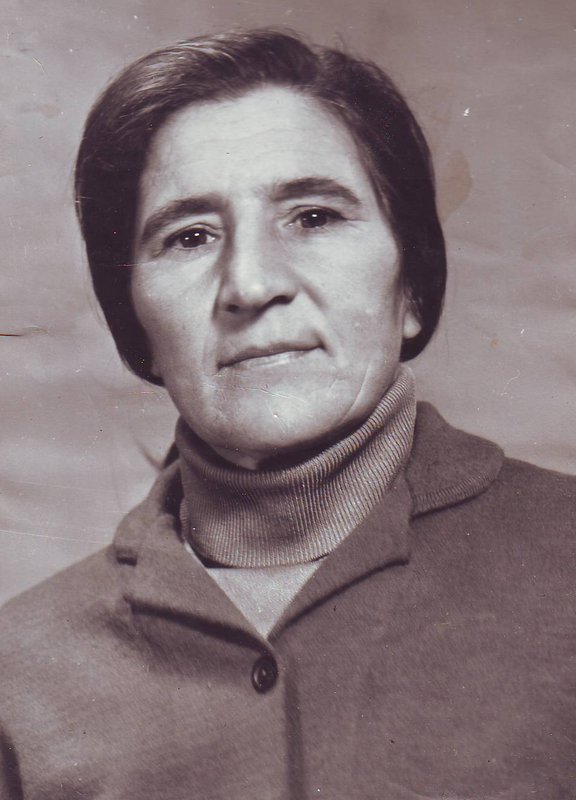
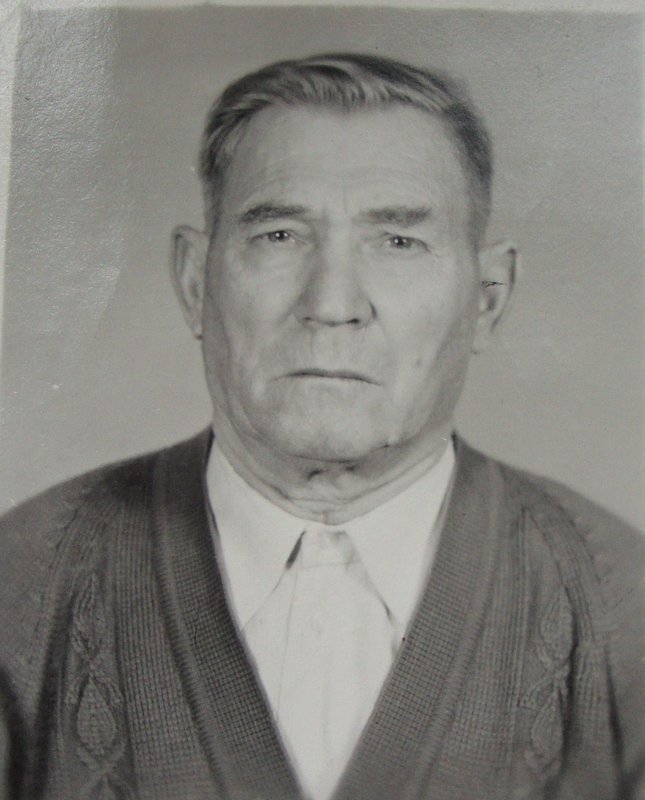
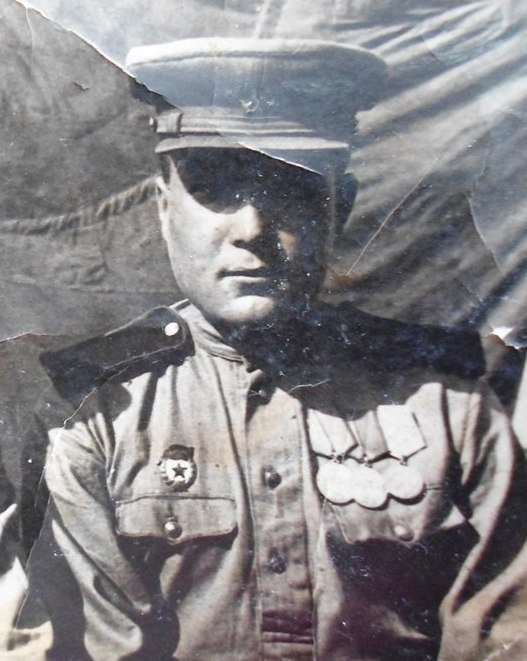
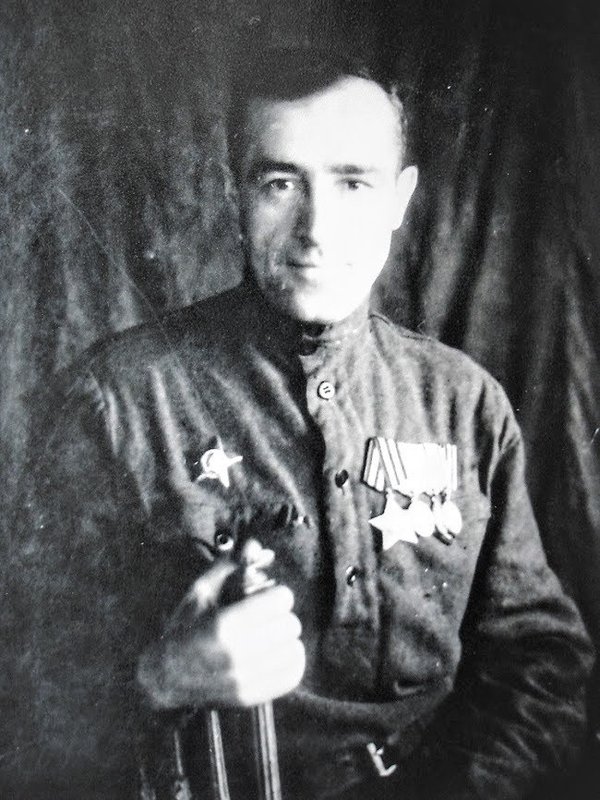
Andrey Dmitrievich Vodolazov
Andrey Dmitrievich Vodolazov_x000D_
_x000D_
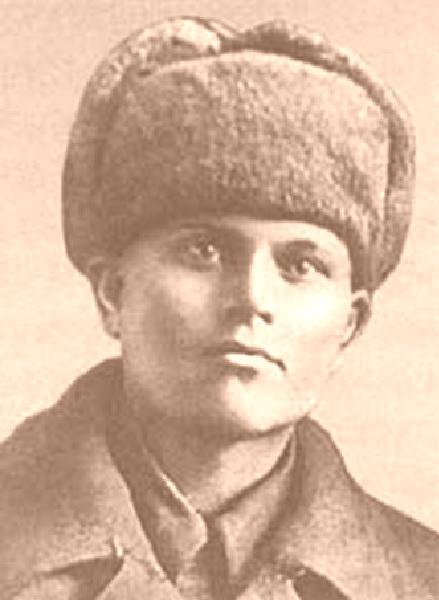
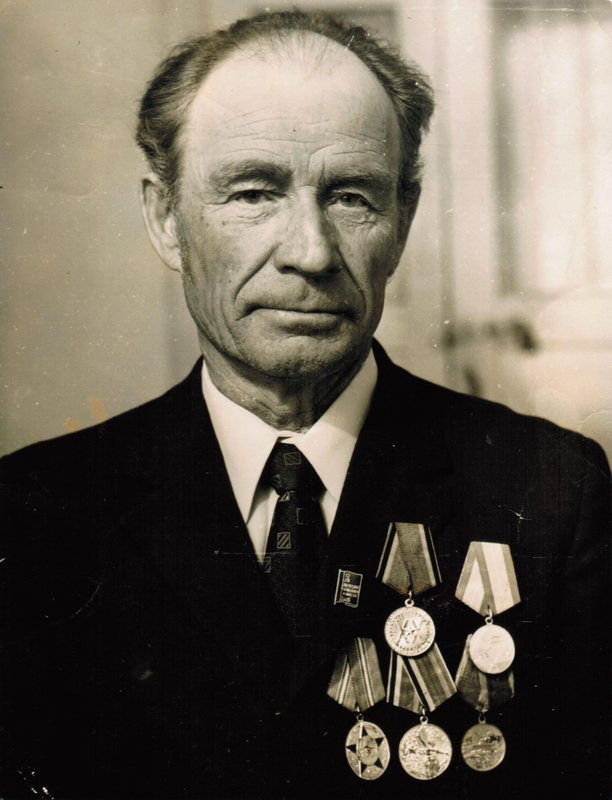
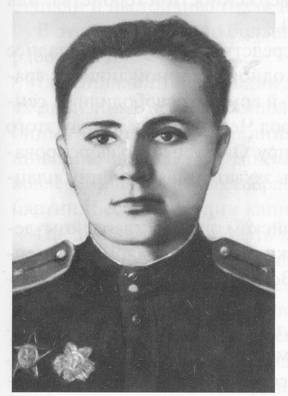
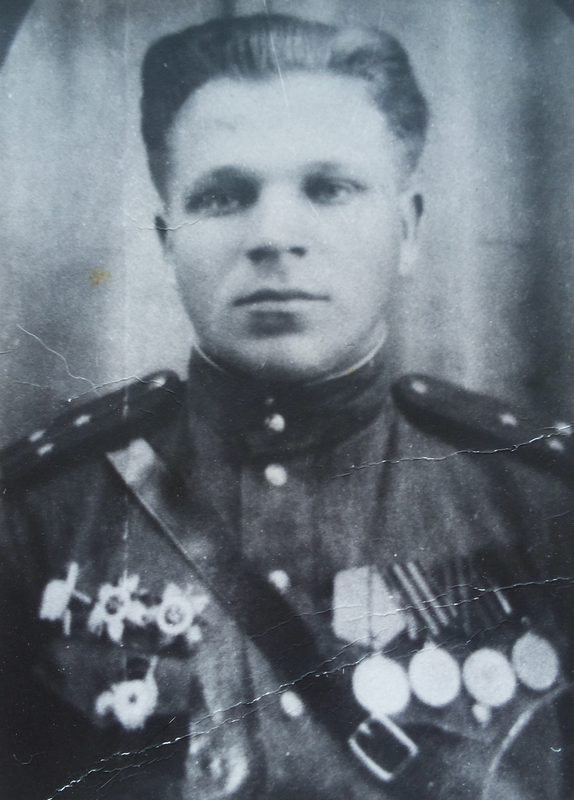
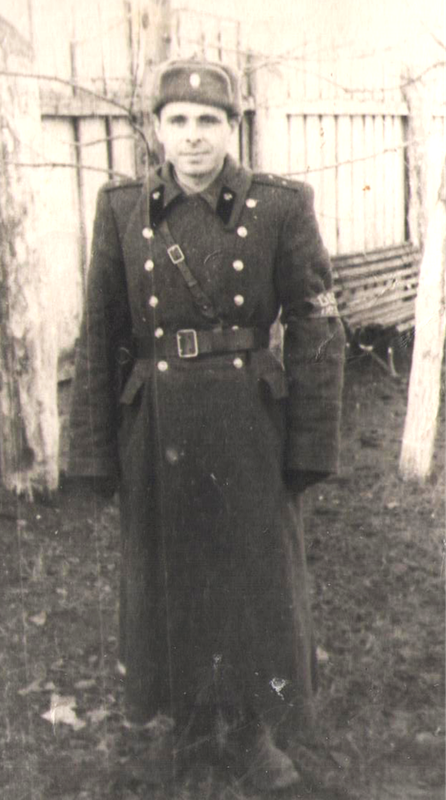
Title: Sergeant Branch of the army: Artillery. This was an old soldier Vodolazov. There are events over which time has no control, and the further back the years go, the clearer their greatness becomes. Such events include the Great Patriotic war. When you look back at the historical path of the country, get acquainted with the fate of our people, make sure that the predictions about the fate of Russia are true – it is immortal. Any other state would not have withstood a tenth of the trials that our compatriots have befallen. What is the secret of life force? The strength of any state is in its citizens, in their ability and desire to protect their native land, to work honestly and creatively. The fate of a country and a citizen are inseparable. These are words about the older generation of my family – my great-grandfather. Andrey Dmitrievich Vodolazov – my great-grandfather, was born on September 3, 1916. His childhood was difficult, as he grew up without parents. His father died in the Civil war, and his mother died when he was 11 years old. He had to live on a farm, where he worked as a feeder: he fed the cattle, and in the summer, he worked as a shepherd. Everyone felt sorry for the early orphan, people helped in any way they could. In 1936, the Peskov district military enlistment office called him up to the Black sea Navy, where he served for 5 years on a cargo boat “Wolf”. The war found Andrey Dmitrievich in the city of Stalingrad, where he left his native village and worked at a factory. Under the law on labour service, he was assigned to his factory, which produced weapons for the front. When the enemy began to approach Stalingrad, he had to take up arms. Andrey Dmitrievich fought shoulder to shoulder with the Stalingrad militia, soldiers and sailors for every inch of Stalingrad land. With great joy, he learned about the Red Army's transition to the offensive and finished off the fascists in the city. After the end of the battle of Stalingrad, Andrey Dmitrievich was sent to train as an anti-aircraft gunner. In the early spring of 1943, he was appointed a commander of the 292 separate anti-aircraft artillery division. Andrey Dmitrievich had to go through the pitch-black heat of the battle of Kursk. The Central front under the command of K. K. Rokossovsky took the heaviest blow of the enemy's tank columns. In the same days, there were fierce battles for air supremacy between the Soviet and German aircraft. The task of the division was to provide maximum assistance to aviation by destroying enemy bombers and fighters. And all this in the conditions of ground combat, when it seemed that the earth was splitting from the explosions, and everything was burning around. For every soldier, the war does not pass without a trace; it leaves a wound in every heart. Here, in 1943, Andrey Dmitrievich received a severe concussion and spent a long time in the hospital. On discharge, he went back to the front, where he was appointed senior commander of the 293 separate anti-aircraft artillery division. So, in January 1945, the fighting for the liberation of Poland began. Expelling the Nazis from Warsaw, Krakow, freeing dozens of Polish cities, the first Belorussian front moved to Berlin, Andrei Dmitrievich remembers razed cities, miserable, poor Polish villages and joy in the eyes of people waiting for their liberators. Andrey Dmitrievich - a participant of the assault of Berlin. For two weeks, there were bloody battles in the city, but even here, the anti-aircraft gunners had enough work. The enemy threw the last remnants of their aircraft at the attacking troops and found death from the accurate fire of anti-aircraft gunners. For military services during the great Patriotic war, Andrey Dmitrievich was awarded medals: for participation in the battles for Rostov-on-Don 20.10.1941, the defence of the Volga on May 9, 1943, Warsaw January 1945, Berlin April 1945, the medal for the defence of Stalingrad, for the liberation of Warsaw, for the conquest of Berlin, for the victory over Germany. Returning from the front to his native village, a soldier who had been missing the land was happy to join the collective farm life. For many years, Andrey Dmitrievich worked as a tractor driver, then in animal husbandry and always conscientiously performed his duties. It was difficult for Andrey Dmitrievich and his wife Alexandra Yakovlevna: hard work on the collective farm and household, raising five children. In the evenings, neighbours gathered on benches near the house under the branches. Andrey Dmitrievich took out an old accordion, and long Ukrainian songs and fervent ditties poured over the village. The laughter continued until late at night. Happy is a man if he has managed to preserve the youth of his soul until old age. This is the role that the war played in my family's history. How many people died, how many children were orphaned, how many mothers lost their sons, and how many wives lost their husbands. How many destinies were destroyed by the war, how many hearts were torn apart. It hurts to think about it, but you can't stop thinking about it!
Andrey Dmitrievich Vodolazov
Andrey Dmitrievich Vodolazov_x000D_
_x000D_
Title: Sergeant Branch of the army: Artillery. This was an old soldier Vodolazov. There are events over which time has no control, and the further back the years go, the clearer their greatness becomes. Such events include the Great Patriotic war. When you look back at the historical path of the country, get acquainted with the fate of our people, make sure that the predictions about the fate of Russia are true – it is immortal. Any other state would not have withstood a tenth of the trials that our compatriots have befallen. What is the secret of life force? The strength of any state is in its citizens, in their ability and desire to protect their native land, to work honestly and creatively. The fate of a country and a citizen are inseparable. These are words about the older generation of my family – my great-grandfather. Andrey Dmitrievich Vodolazov – my great-grandfather, was born on September 3, 1916. His childhood was difficult, as he grew up without parents. His father died in the Civil war, and his mother died when he was 11 years old. He had to live on a farm, where he worked as a feeder: he fed the cattle, and in the summer, he worked as a shepherd. Everyone felt sorry for the early orphan, people helped in any way they could. In 1936, the Peskov district military enlistment office called him up to the Black sea Navy, where he served for 5 years on a cargo boat “Wolf”. The war found Andrey Dmitrievich in the city of Stalingrad, where he left his native village and worked at a factory. Under the law on labour service, he was assigned to his factory, which produced weapons for the front. When the enemy began to approach Stalingrad, he had to take up arms. Andrey Dmitrievich fought shoulder to shoulder with the Stalingrad militia, soldiers and sailors for every inch of Stalingrad land. With great joy, he learned about the Red Army's transition to the offensive and finished off the fascists in the city. After the end of the battle of Stalingrad, Andrey Dmitrievich was sent to train as an anti-aircraft gunner. In the early spring of 1943, he was appointed a commander of the 292 separate anti-aircraft artillery division. Andrey Dmitrievich had to go through the pitch-black heat of the battle of Kursk. The Central front under the command of K. K. Rokossovsky took the heaviest blow of the enemy's tank columns. In the same days, there were fierce battles for air supremacy between the Soviet and German aircraft. The task of the division was to provide maximum assistance to aviation by destroying enemy bombers and fighters. And all this in the conditions of ground combat, when it seemed that the earth was splitting from the explosions, and everything was burning around. For every soldier, the war does not pass without a trace; it leaves a wound in every heart. Here, in 1943, Andrey Dmitrievich received a severe concussion and spent a long time in the hospital. On discharge, he went back to the front, where he was appointed senior commander of the 293 separate anti-aircraft artillery division. So, in January 1945, the fighting for the liberation of Poland began. Expelling the Nazis from Warsaw, Krakow, freeing dozens of Polish cities, the first Belorussian front moved to Berlin, Andrei Dmitrievich remembers razed cities, miserable, poor Polish villages and joy in the eyes of people waiting for their liberators. Andrey Dmitrievich - a participant of the assault of Berlin. For two weeks, there were bloody battles in the city, but even here, the anti-aircraft gunners had enough work. The enemy threw the last remnants of their aircraft at the attacking troops and found death from the accurate fire of anti-aircraft gunners. For military services during the great Patriotic war, Andrey Dmitrievich was awarded medals: for participation in the battles for Rostov-on-Don 20.10.1941, the defence of the Volga on May 9, 1943, Warsaw January 1945, Berlin April 1945, the medal for the defence of Stalingrad, for the liberation of Warsaw, for the conquest of Berlin, for the victory over Germany. Returning from the front to his native village, a soldier who had been missing the land was happy to join the collective farm life. For many years, Andrey Dmitrievich worked as a tractor driver, then in animal husbandry and always conscientiously performed his duties. It was difficult for Andrey Dmitrievich and his wife Alexandra Yakovlevna: hard work on the collective farm and household, raising five children. In the evenings, neighbours gathered on benches near the house under the branches. Andrey Dmitrievich took out an old accordion, and long Ukrainian songs and fervent ditties poured over the village. The laughter continued until late at night. Happy is a man if he has managed to preserve the youth of his soul until old age. This is the role that the war played in my family's history. How many people died, how many children were orphaned, how many mothers lost their sons, and how many wives lost their husbands. How many destinies were destroyed by the war, how many hearts were torn apart. It hurts to think about it, but you can't stop thinking about it!
0 comment




2026 © Russian Military Historical Society Developed by Jetmix