Back to
album
album
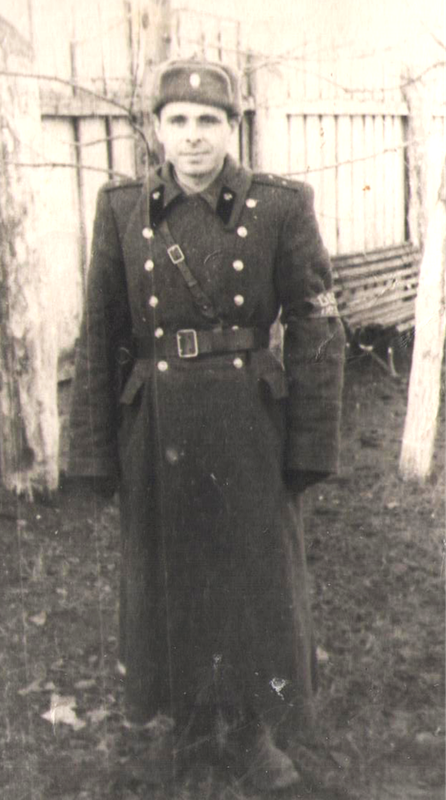
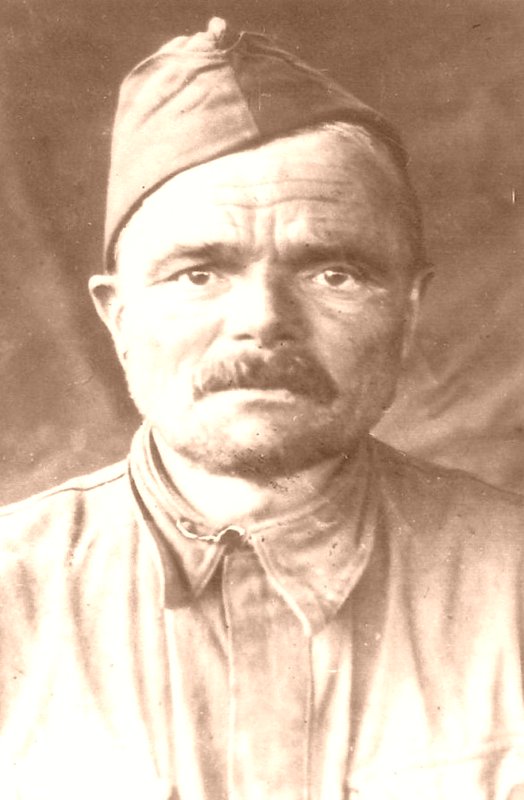
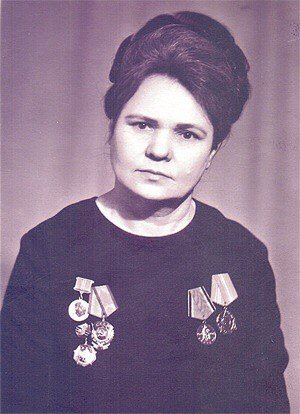
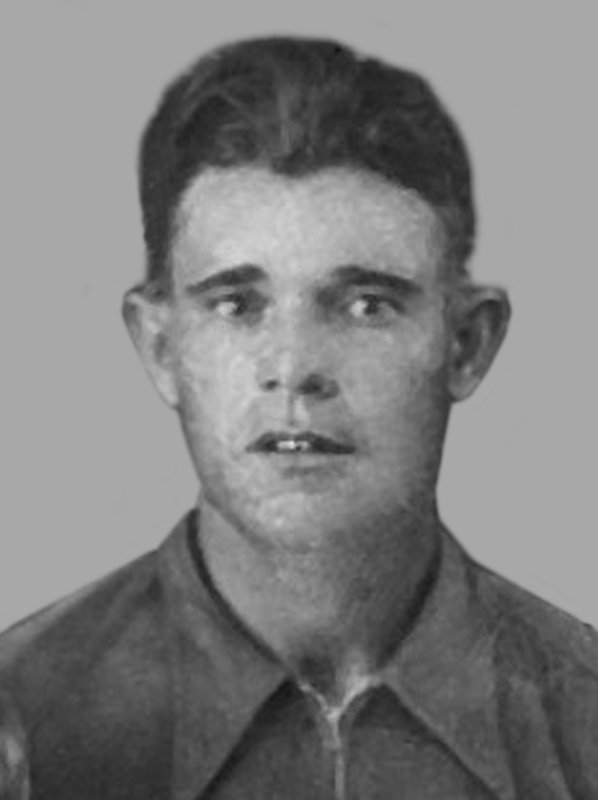
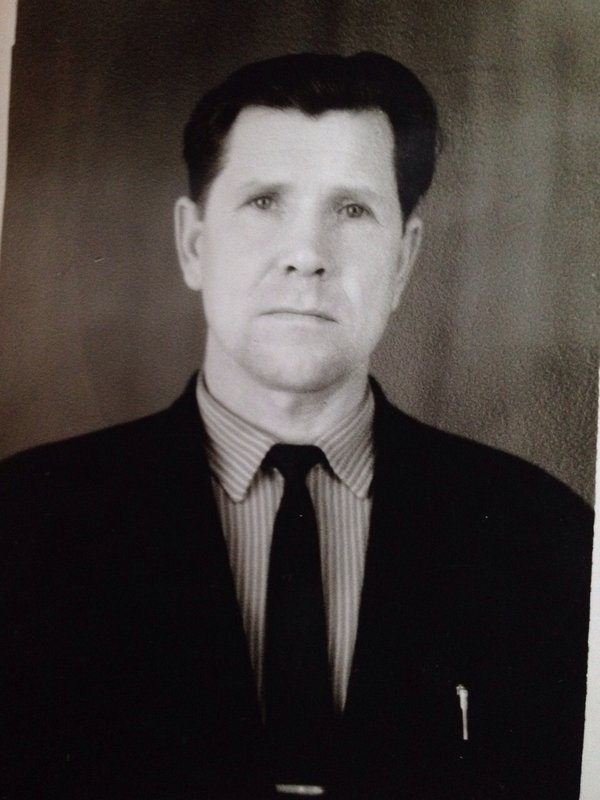
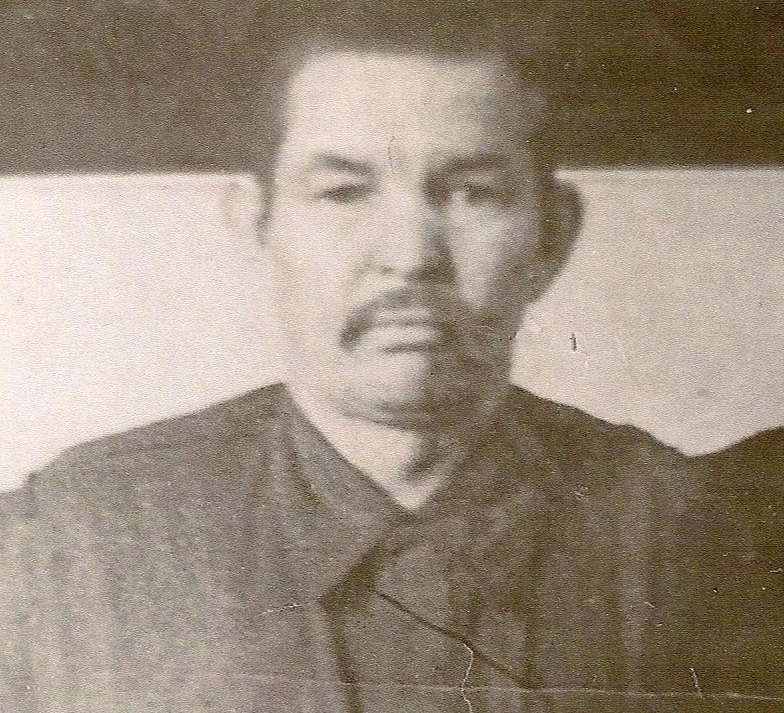
Vitvinin Andrey Ivanovich
Vitvinin Andrey Ivanovich_x000D_
_x000D_
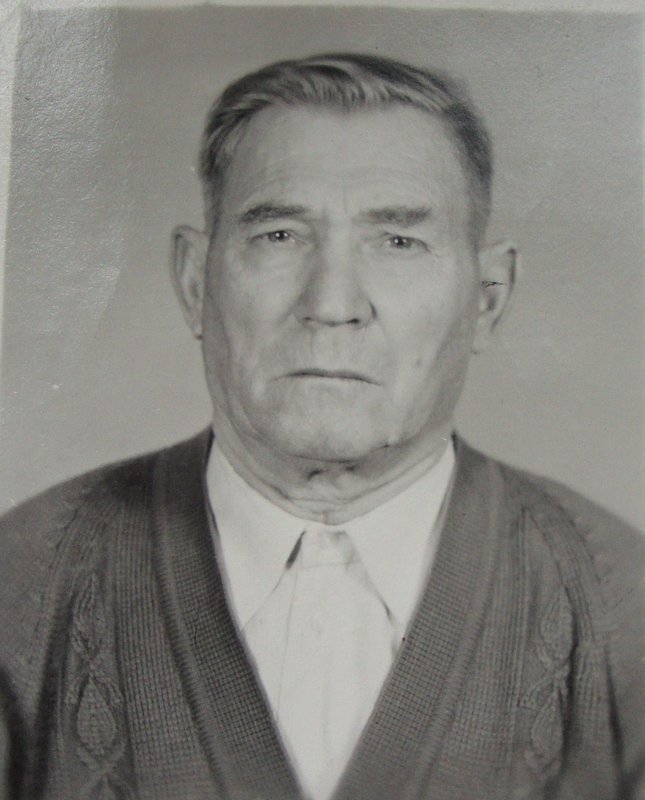
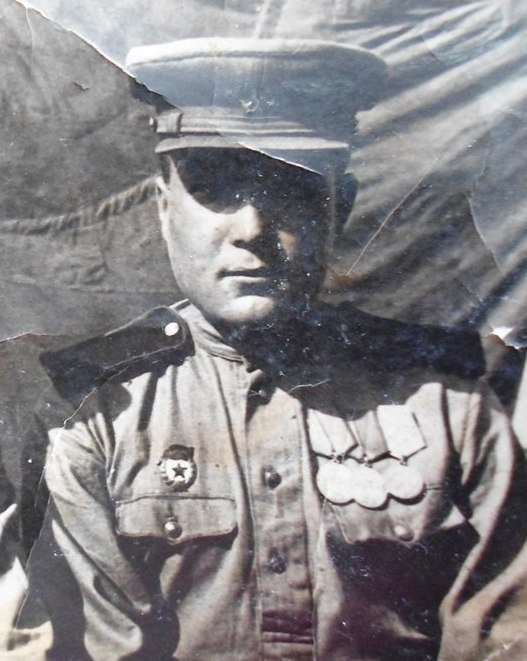
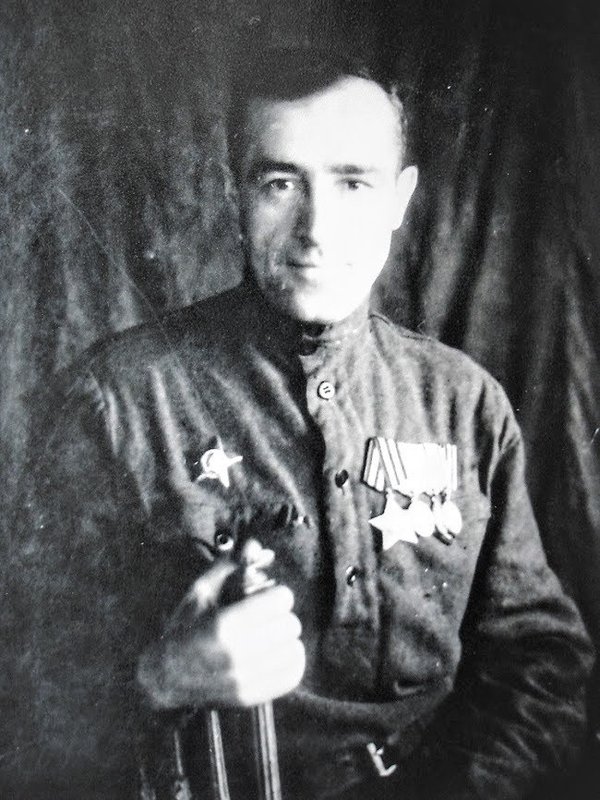
Andrey Ivanovich Vitvinin – my great-grandfather, who took part in the great Patriotic war of 1941-1945. Born in 1896 in the village of Khoroshaviny, Arbazhsky district, Kirov region. He graduated from three classes of the parochial school with honours. In 1915, at the age of 19, he went to the front of the first imperialist war. He graduated from the training team, became a junior commander-non-commissioned officer. In 1918, after the conclusion of the Brest peace, he returned home, but soon was again called up to the Red Army, where he served until 1921. In 1930, Andrey Ivanovich was one of the first to join the collective farm and was mainly in leadership positions of the Khoroshavinsky collective farm and the Roevsky village Council. Called to the front in 1942 by the Khoroshavinsky district military Commissariat of the Roevsky selsoviet of the Arbazhsky district of the Kirov region. From that moment on, Andrey Ivanovich Vitvinin fought on the Leningrad front as part of the 284th rifle regiment of the 86th rifle division. Military rank-private, military speciality-shooter. The 284th rifle regiment, formed in December 1941, was the first special NKVD protection regiment designed to protect the ice route as the only way connecting the enemy-blocked city of Leningrad with the inner country and its industrial centres. During the period of service on the protection of the Ladoga Lake highway, the regiment brilliantly fulfilled its combat mission. From February 1942, it was part of the 86th rifle division. On April 24, 1942, the regiment took an active part in holding a bridgehead on the left bank of the Neva River – "Nevsky Pyatachok". In September 1942, the regiment's units were the first to cross the Neva River, where they fought a heroic struggle to capture and hold the captured bridgehead. In January 1943 the division the regiment was involved in breaking the blockade of Leningrad; the battalions, crossed the Neva river, broke through long-term defenсes on the Eastern Bank of the Neva river near the city of Shlisselburg and one of the first broke through the enemy ring is connected with part of the Volkhov front. From the 86th infantry division, where he served as A. I. Vitvinin, a letter of thanks was sent to the Arbazhsky district, which was published on August 5, 1942, in the newspaper "Kolkhoznaya stroika" of the Arbazhsky district: "Andrey Ivanovich Vitvinin serves in our unit. We inform you that upon arrival to our unit, this fighter proved to be a devoted patriot of our Motherland, a loyal son of the Soviet people. He is not young in age, but some young people had to learn from him, with what temperament, with what desire he performs any task of command. This fighter serves as an example in our division; he is listed as an excellent student of the combat mission. We thank the RC VKP (b), the District Executive Committee and the district military Commissariat for a dedicated messenger to protect the city of Leningrad. The political leader Olevanov, commander senior Lieutenant Navarin". Since January 14, 1944, the 284th rifle regiment has been actively fighting in the first echelon from the area of Pulkovo heights. From the report of the chief of staff of the 86th rifle division, Colonel Khokhlov: "In January 1944, the regiment as part of the division breaks through the enemy's defences in the area of Pushkin, while simultaneously protecting the left flank of the 42nd Army, operating in the direction of the main attack. In the future, withstanding fierce counterattacks of the enemy continues the offensive. The regiment's capture of one of the most important points of resistance in the enemy's defence in the area of Pushkin contributed to the overall success in defeating and clearing the Leningrad region of German invaders. During the period of heavy fighting for the liberation of the Leningrad region from the German invaders, the regiment-personnel showed a lot of heroism." On January 25, 1944, the 284th rifle regiment occupied the German stronghold of Voiskovitsy station and the locality of Ilkino (Leningrad region), thereby cutting the railway and the Krasnogvardeysk (now Gatchina) – Kingisepp highway, because of which German troops could not evacuate the encircled group of troops blocking and shelling the city of Leningrad. Having the Voiskovitsy and Il'kino, warriors infantry division supported 871th light artillery regiment and 220th tank brigade, did not allow the breakthrough of the fascist tanks and infantry from the environment. The task set by the command was completed, but the price of this small victory was high: in a few days of fighting, 80% of the personnel were killed. Unfortunately, because of a fierce battle that unfolded on January 25, 1944, A. I. Vitvinin was also killed, not having lived to lift the blockade of the city of Leningrad for two days. Since at that time the Soviet troops were actively attacking, Andrey Ivanovich was buried in a common mass grave, the location of which was later lost. In the 1970s, search teams of Leningrad pioneers found the burial of Soviet soldiers. According to a note in a shell casing found among the personal belongings of the victims, Andrey Ivanovich Vitvinin was identified. Together with 141 Soviet soldiers and officers, he was reburied in a mass grave at the Voiskovitsy station in the Gatchinsky district of the Leningrad region.
Vitvinin Andrey Ivanovich
Vitvinin Andrey Ivanovich_x000D_
_x000D_
Andrey Ivanovich Vitvinin – my great-grandfather, who took part in the great Patriotic war of 1941-1945. Born in 1896 in the village of Khoroshaviny, Arbazhsky district, Kirov region. He graduated from three classes of the parochial school with honours. In 1915, at the age of 19, he went to the front of the first imperialist war. He graduated from the training team, became a junior commander-non-commissioned officer. In 1918, after the conclusion of the Brest peace, he returned home, but soon was again called up to the Red Army, where he served until 1921. In 1930, Andrey Ivanovich was one of the first to join the collective farm and was mainly in leadership positions of the Khoroshavinsky collective farm and the Roevsky village Council. Called to the front in 1942 by the Khoroshavinsky district military Commissariat of the Roevsky selsoviet of the Arbazhsky district of the Kirov region. From that moment on, Andrey Ivanovich Vitvinin fought on the Leningrad front as part of the 284th rifle regiment of the 86th rifle division. Military rank-private, military speciality-shooter. The 284th rifle regiment, formed in December 1941, was the first special NKVD protection regiment designed to protect the ice route as the only way connecting the enemy-blocked city of Leningrad with the inner country and its industrial centres. During the period of service on the protection of the Ladoga Lake highway, the regiment brilliantly fulfilled its combat mission. From February 1942, it was part of the 86th rifle division. On April 24, 1942, the regiment took an active part in holding a bridgehead on the left bank of the Neva River – "Nevsky Pyatachok". In September 1942, the regiment's units were the first to cross the Neva River, where they fought a heroic struggle to capture and hold the captured bridgehead. In January 1943 the division the regiment was involved in breaking the blockade of Leningrad; the battalions, crossed the Neva river, broke through long-term defenсes on the Eastern Bank of the Neva river near the city of Shlisselburg and one of the first broke through the enemy ring is connected with part of the Volkhov front. From the 86th infantry division, where he served as A. I. Vitvinin, a letter of thanks was sent to the Arbazhsky district, which was published on August 5, 1942, in the newspaper "Kolkhoznaya stroika" of the Arbazhsky district: "Andrey Ivanovich Vitvinin serves in our unit. We inform you that upon arrival to our unit, this fighter proved to be a devoted patriot of our Motherland, a loyal son of the Soviet people. He is not young in age, but some young people had to learn from him, with what temperament, with what desire he performs any task of command. This fighter serves as an example in our division; he is listed as an excellent student of the combat mission. We thank the RC VKP (b), the District Executive Committee and the district military Commissariat for a dedicated messenger to protect the city of Leningrad. The political leader Olevanov, commander senior Lieutenant Navarin". Since January 14, 1944, the 284th rifle regiment has been actively fighting in the first echelon from the area of Pulkovo heights. From the report of the chief of staff of the 86th rifle division, Colonel Khokhlov: "In January 1944, the regiment as part of the division breaks through the enemy's defences in the area of Pushkin, while simultaneously protecting the left flank of the 42nd Army, operating in the direction of the main attack. In the future, withstanding fierce counterattacks of the enemy continues the offensive. The regiment's capture of one of the most important points of resistance in the enemy's defence in the area of Pushkin contributed to the overall success in defeating and clearing the Leningrad region of German invaders. During the period of heavy fighting for the liberation of the Leningrad region from the German invaders, the regiment-personnel showed a lot of heroism." On January 25, 1944, the 284th rifle regiment occupied the German stronghold of Voiskovitsy station and the locality of Ilkino (Leningrad region), thereby cutting the railway and the Krasnogvardeysk (now Gatchina) – Kingisepp highway, because of which German troops could not evacuate the encircled group of troops blocking and shelling the city of Leningrad. Having the Voiskovitsy and Il'kino, warriors infantry division supported 871th light artillery regiment and 220th tank brigade, did not allow the breakthrough of the fascist tanks and infantry from the environment. The task set by the command was completed, but the price of this small victory was high: in a few days of fighting, 80% of the personnel were killed. Unfortunately, because of a fierce battle that unfolded on January 25, 1944, A. I. Vitvinin was also killed, not having lived to lift the blockade of the city of Leningrad for two days. Since at that time the Soviet troops were actively attacking, Andrey Ivanovich was buried in a common mass grave, the location of which was later lost. In the 1970s, search teams of Leningrad pioneers found the burial of Soviet soldiers. According to a note in a shell casing found among the personal belongings of the victims, Andrey Ivanovich Vitvinin was identified. Together with 141 Soviet soldiers and officers, he was reburied in a mass grave at the Voiskovitsy station in the Gatchinsky district of the Leningrad region.
0 comment




2026 © Russian Military Historical Society Developed by Jetmix