Back to
album
album
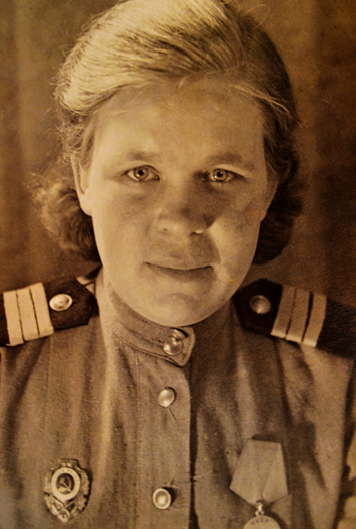
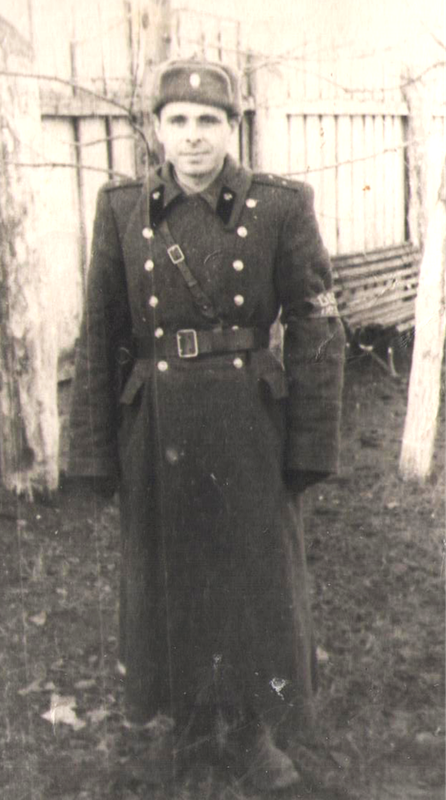
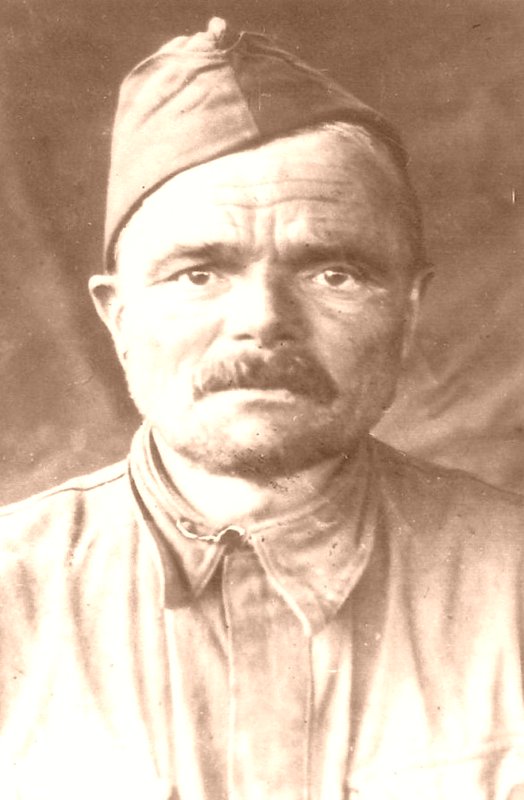
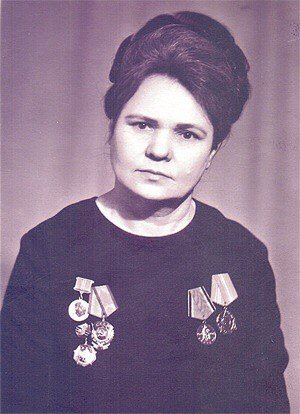
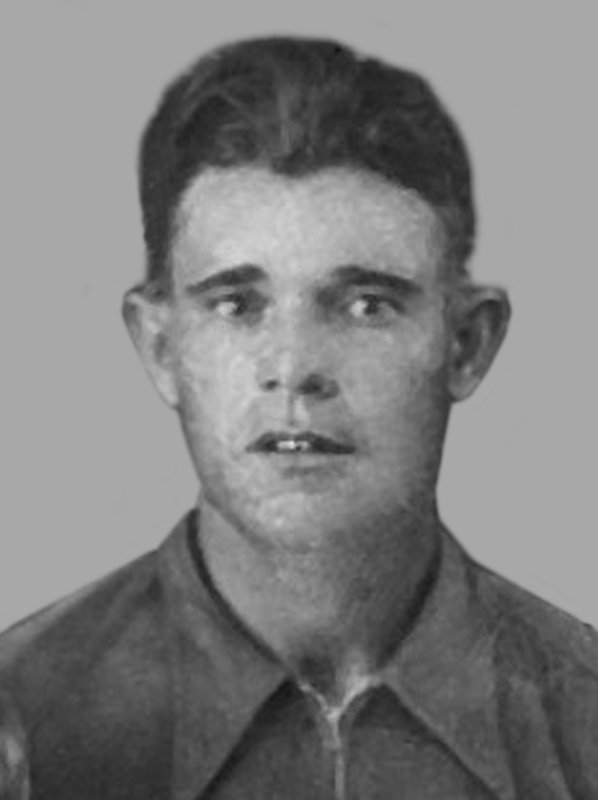
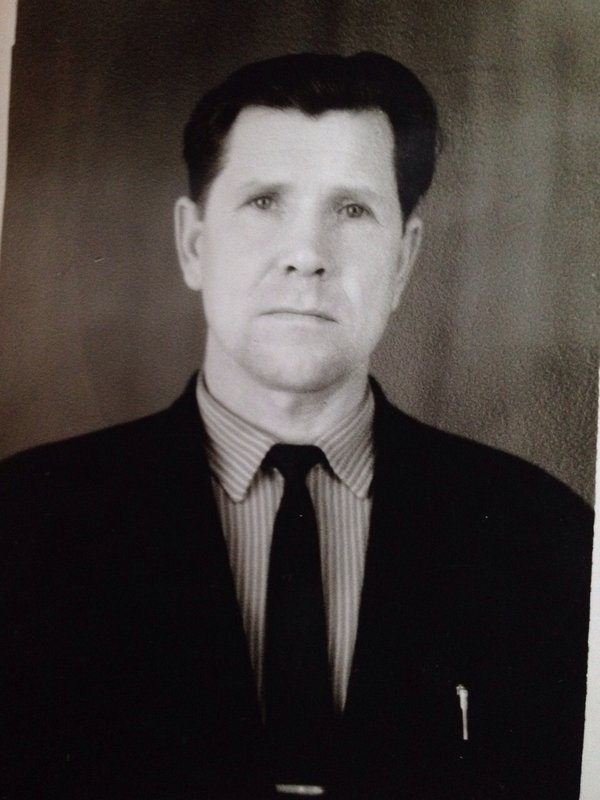
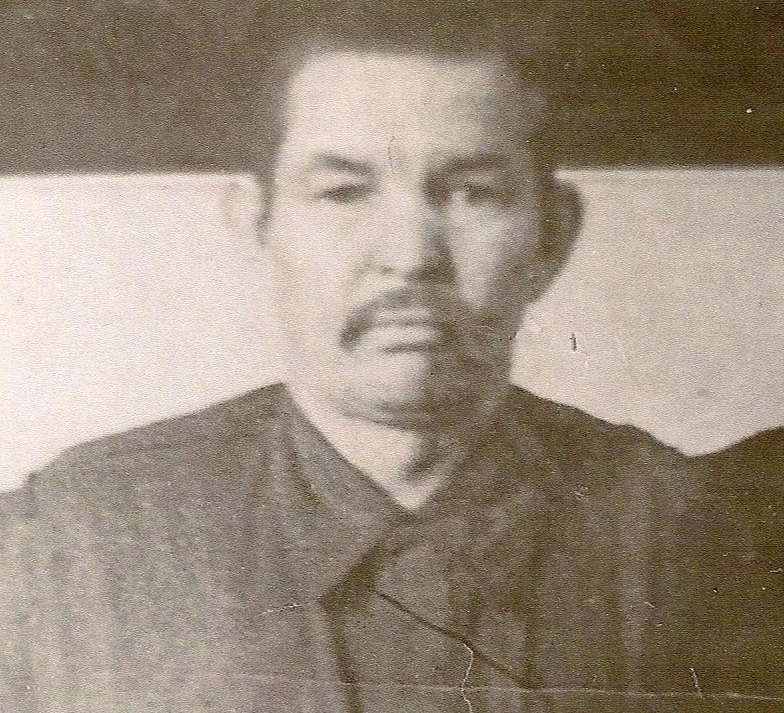
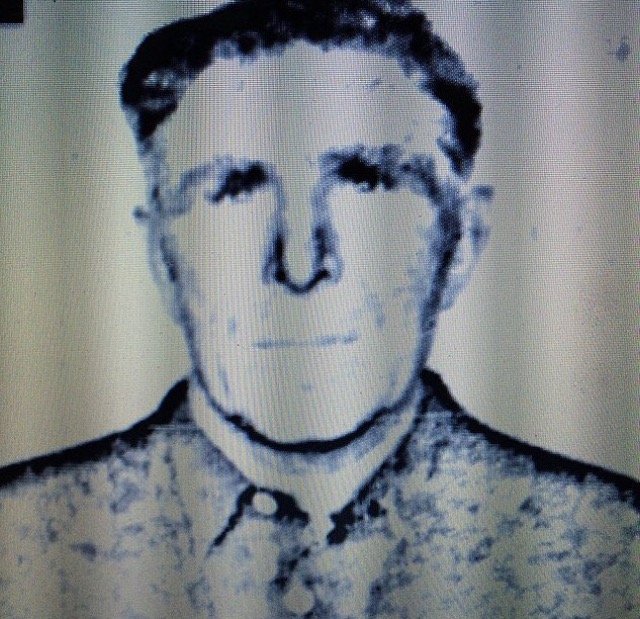
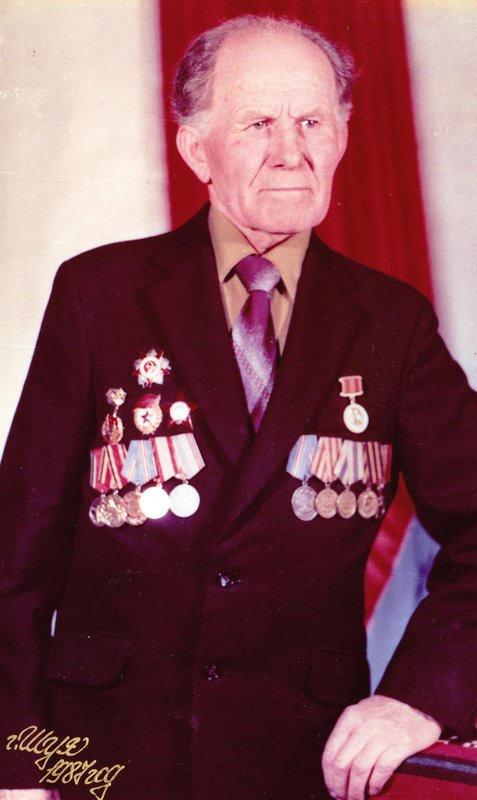
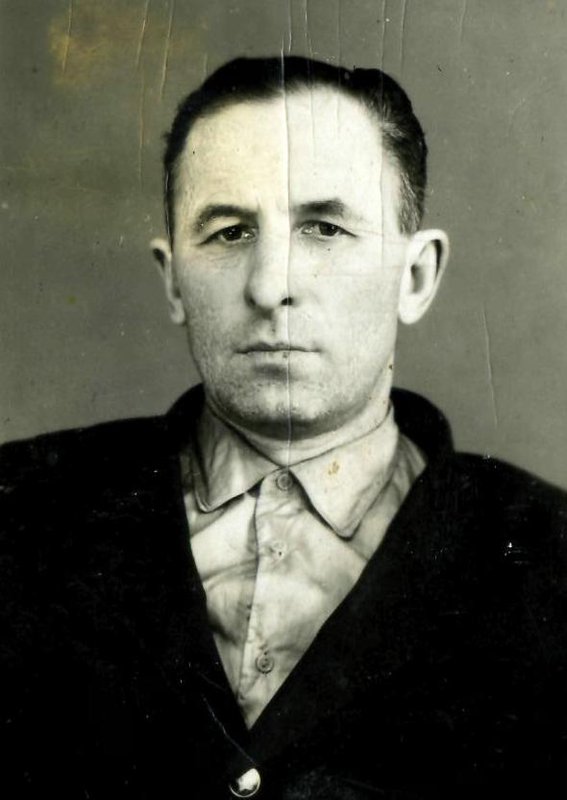
Vlasenko Vasily Iosifovich
Rank: Lieutenant Type of troops: Land forces, air force (except naval aviation), coast service, NKVD troops, border guard Unit: fourth cavalry division Vasily Vlasenko 1919g. R. in the Rostov region, Kasharsky district, N.-Kalinovsky s/s. in the red army since 1941 place of conscription: Kasharsky RVC, Rostov region, Kasharsky district. Member of the Komsomol. At the front since 1944. In January, the corps units were sent through the open flank of the enemy to RAID through the Polesie marshes to capture the Kalinkovichi-Brest railway and assist the front troops in capturing Mozyr and Kalinkovichi. 4th GW. The CD successfully advanced through extremely difficult terrain, bypassing resistance points, but was unable to cross to the Northern Bank of the river. Pripyat at Kostyukovichi. Then the division was moved to the West and successfully crossed the ice of the Pripyat East of Skrygalovo, supporting parts of the 17th guards CD. on January 15-17, the division's soldiers repelled enemy counterattacks, holding a bridgehead on the North Bank of the Pripyat and firing at the highway and railway Kalinkovichi-Brest. January 18, rifle units replaced KAV divisions.T he corps on the bridgehead. For its outstanding role in the liberation of the cities of Mozyr and Kalinkovichi, the fourth GV KD (as well as other divisions of the corps) received the honorary name "Mozyr". Until July 1944, units of the second guards KK were in reserve, and then took part in operation Bagration as part of the "horse-mechanized Kryukov group" (2nd guards KK and 11th tank corps) of the 1st Belorussian front. The task of the group was to force the Western bug and cut off the army Group "Center" of the escape route beyond the Vistula. 4-I GV. KD successfully advanced, covering the city of Vlodava from the West and forcing the enemy to retreat. Then the 4th GW. KD seized an important road junction town of międzyrzec, capturing rich booty. In the area of Sedlec, parts of the corps engaged in heavy fighting with enemy reserves, which were trying to help the encircled group South-East of Brest. Soldiers of the fourth guards division repulsed the enemy attacks and after six days of fighting captured the city of Sedlec. The 11th guards cavalry red Banner regiment of the 4th guards KD was given the honorary name "Sedletsky". After the completion of the Lublin-Brest operation, parts of the second guards KK were withdrawn to the front reserve. 1945 January 15, 1945 part of the second guards. The KK crossed the Vistula river near the Magnushevsky bridgehead and entered the breakthrough on January 16 (the Vistula-Oder operation). The cavalrymen advanced north, cutting off the enemy's escape routes in the Warsaw area, again reached the Vistula in the Plock area, and then captured the city of Bromberg (Bydgoszcz). Following the operation, the 4th guards division was awarded the Order of the red banner. Subsequently, the cavalrymen developed an offensive in Pomerania, and in the battles of February 27-March 1 broke through the "Pomeranian wall". Fourth GW. KD on the left flank of the corps provided a joint with the first army of The Polish Army, and then forced a March into the breakthrough and developed an offensive in the direction of Poltsin. At the final stage of the great Patriotic war, the second guards regiment took part in the Berlin operation. On April 20, the fourth GV. KD (15th GV. KP) broke through the enemy's defences South of Frankfurt-on the Oder. Then the corps was regrouped with the task of striking from the North at the rear of the enemy group departing from Frankfurt. On April 23, the fourth GV. KD failed in an attempt to force the R. Spree under heavy enemy fire and was withdrawn to the corps reserve. The division covered the flanks and rear of the corps from enemy formations trying to break out of the encirclement. On April 27, the corps was assigned the task of bypassing Berlin from the North, defeating the enemy and reaching the Elbe. In the battles for the city of Frizak, the soldiers of the 4th GV. KD distinguished themselves, the commanders of the 15th GV. KP Smirnov AA became a Hero of the Soviet Union. In the battle for the city of Skierniewice, łowicz, Bromberg. Guard Lieutenant Vlasenko showed himself to be a brave and courageous officer; his PTR platoon repeatedly destroyed enemy firing points and equipment with well-aimed shots from a PTR rifle. In the battle for the city of Bromberg on January 24, 1945. V. I. Vlasenko was one of the first to break into the city dragging the soldiers with him and showing an example of courage and fearlessness. When the seriously wounded squadron commander was in the crossfire of the enemy, platoon leader Vlasenko, despising death, pulled out the wounded commander, where he was also seriously wounded. By order No. 13 / n of February 20, 1945. 2-th GUARDS red banner CAVALRY CORPS, on behalf of the PVS of the USSR for exemplary performance of fighting tasks of command at the front struggle with the Nazis, and for his valour and courage at the 4 guards cavalry division Mozyr, awarded the Order of Patriotic War I grade the platoon commander of 11 AV cavalry regiment, Guards Lieutenant Vlasenko Vasily Iosifovich.
Vlasenko Vasily Iosifovich
Rank: Lieutenant Type of troops: Land forces, air force (except naval aviation), coast service, NKVD troops, border guard Unit: fourth cavalry division Vasily Vlasenko 1919g. R. in the Rostov region, Kasharsky district, N.-Kalinovsky s/s. in the red army since 1941 place of conscription: Kasharsky RVC, Rostov region, Kasharsky district. Member of the Komsomol. At the front since 1944. In January, the corps units were sent through the open flank of the enemy to RAID through the Polesie marshes to capture the Kalinkovichi-Brest railway and assist the front troops in capturing Mozyr and Kalinkovichi. 4th GW. The CD successfully advanced through extremely difficult terrain, bypassing resistance points, but was unable to cross to the Northern Bank of the river. Pripyat at Kostyukovichi. Then the division was moved to the West and successfully crossed the ice of the Pripyat East of Skrygalovo, supporting parts of the 17th guards CD. on January 15-17, the division's soldiers repelled enemy counterattacks, holding a bridgehead on the North Bank of the Pripyat and firing at the highway and railway Kalinkovichi-Brest. January 18, rifle units replaced KAV divisions.T he corps on the bridgehead. For its outstanding role in the liberation of the cities of Mozyr and Kalinkovichi, the fourth GV KD (as well as other divisions of the corps) received the honorary name "Mozyr". Until July 1944, units of the second guards KK were in reserve, and then took part in operation Bagration as part of the "horse-mechanized Kryukov group" (2nd guards KK and 11th tank corps) of the 1st Belorussian front. The task of the group was to force the Western bug and cut off the army Group "Center" of the escape route beyond the Vistula. 4-I GV. KD successfully advanced, covering the city of Vlodava from the West and forcing the enemy to retreat. Then the 4th GW. KD seized an important road junction town of międzyrzec, capturing rich booty. In the area of Sedlec, parts of the corps engaged in heavy fighting with enemy reserves, which were trying to help the encircled group South-East of Brest. Soldiers of the fourth guards division repulsed the enemy attacks and after six days of fighting captured the city of Sedlec. The 11th guards cavalry red Banner regiment of the 4th guards KD was given the honorary name "Sedletsky". After the completion of the Lublin-Brest operation, parts of the second guards KK were withdrawn to the front reserve. 1945 January 15, 1945 part of the second guards. The KK crossed the Vistula river near the Magnushevsky bridgehead and entered the breakthrough on January 16 (the Vistula-Oder operation). The cavalrymen advanced north, cutting off the enemy's escape routes in the Warsaw area, again reached the Vistula in the Plock area, and then captured the city of Bromberg (Bydgoszcz). Following the operation, the 4th guards division was awarded the Order of the red banner. Subsequently, the cavalrymen developed an offensive in Pomerania, and in the battles of February 27-March 1 broke through the "Pomeranian wall". Fourth GW. KD on the left flank of the corps provided a joint with the first army of The Polish Army, and then forced a March into the breakthrough and developed an offensive in the direction of Poltsin. At the final stage of the great Patriotic war, the second guards regiment took part in the Berlin operation. On April 20, the fourth GV. KD (15th GV. KP) broke through the enemy's defences South of Frankfurt-on the Oder. Then the corps was regrouped with the task of striking from the North at the rear of the enemy group departing from Frankfurt. On April 23, the fourth GV. KD failed in an attempt to force the R. Spree under heavy enemy fire and was withdrawn to the corps reserve. The division covered the flanks and rear of the corps from enemy formations trying to break out of the encirclement. On April 27, the corps was assigned the task of bypassing Berlin from the North, defeating the enemy and reaching the Elbe. In the battles for the city of Frizak, the soldiers of the 4th GV. KD distinguished themselves, the commanders of the 15th GV. KP Smirnov AA became a Hero of the Soviet Union. In the battle for the city of Skierniewice, łowicz, Bromberg. Guard Lieutenant Vlasenko showed himself to be a brave and courageous officer; his PTR platoon repeatedly destroyed enemy firing points and equipment with well-aimed shots from a PTR rifle. In the battle for the city of Bromberg on January 24, 1945. V. I. Vlasenko was one of the first to break into the city dragging the soldiers with him and showing an example of courage and fearlessness. When the seriously wounded squadron commander was in the crossfire of the enemy, platoon leader Vlasenko, despising death, pulled out the wounded commander, where he was also seriously wounded. By order No. 13 / n of February 20, 1945. 2-th GUARDS red banner CAVALRY CORPS, on behalf of the PVS of the USSR for exemplary performance of fighting tasks of command at the front struggle with the Nazis, and for his valour and courage at the 4 guards cavalry division Mozyr, awarded the Order of Patriotic War I grade the platoon commander of 11 AV cavalry regiment, Guards Lieutenant Vlasenko Vasily Iosifovich.
0 comment



2026 © Russian Military Historical Society Developed by Jetmix