Back to
album
album
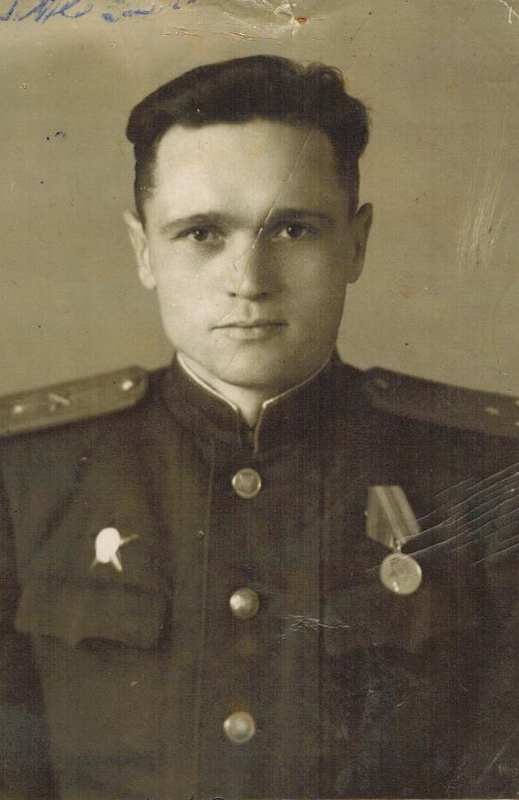
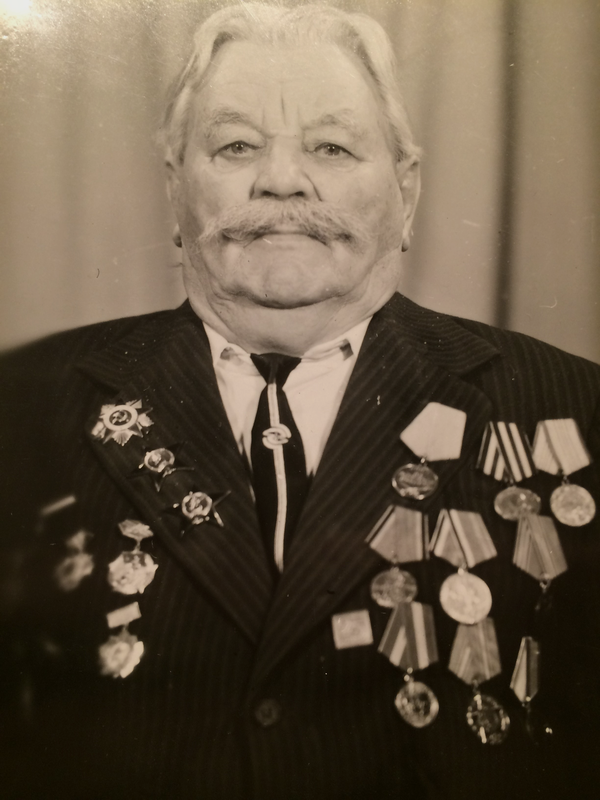
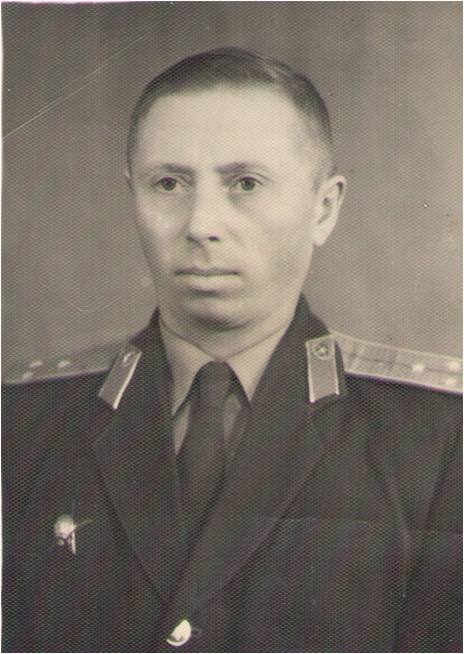
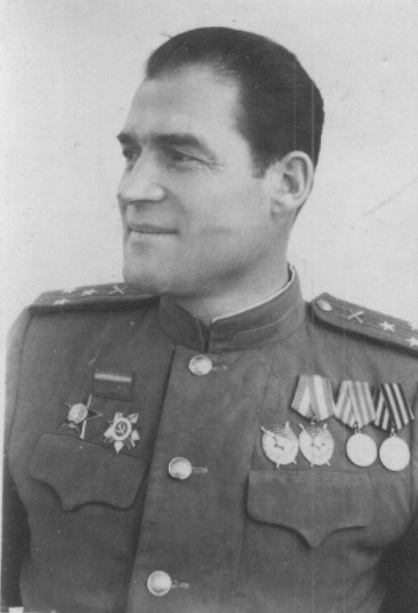
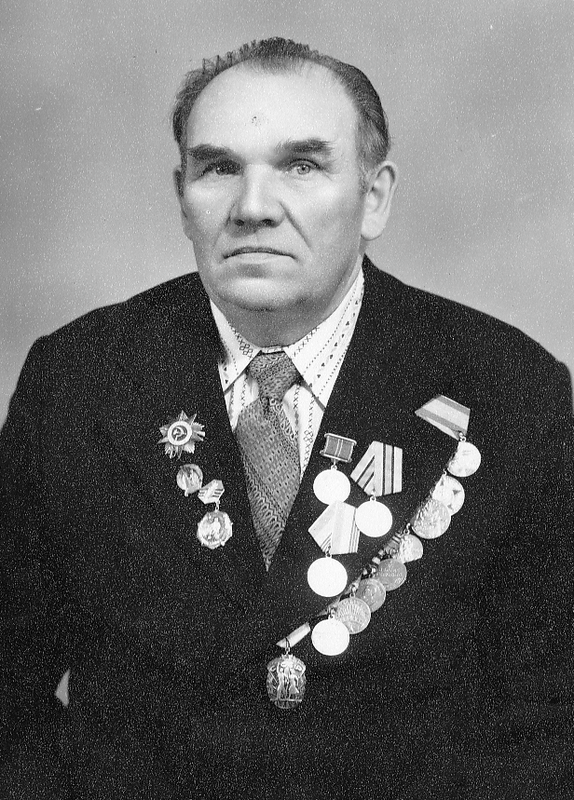
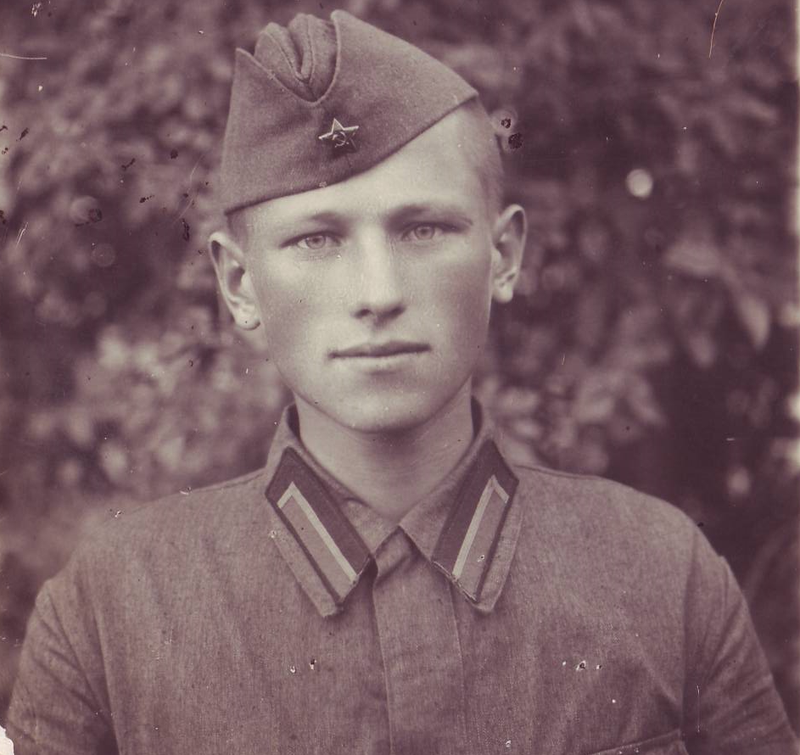
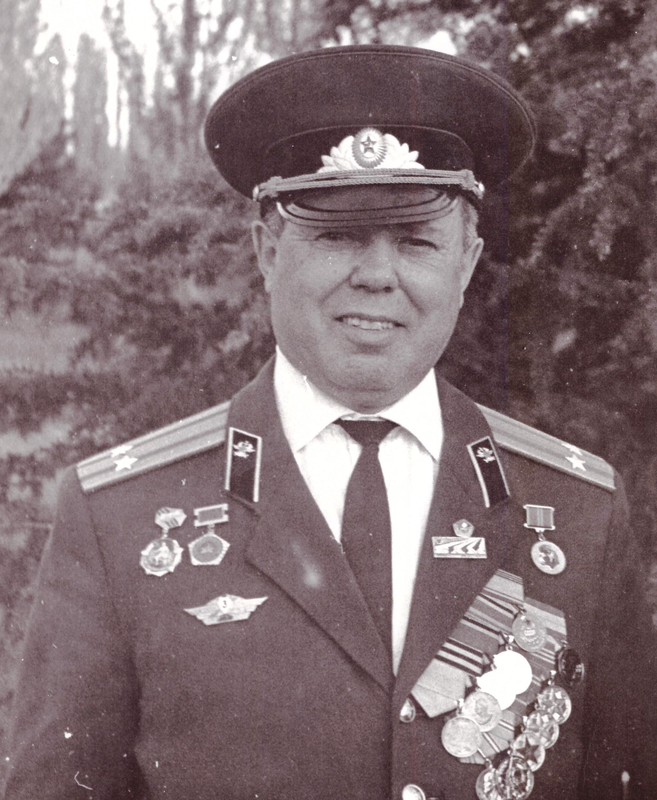
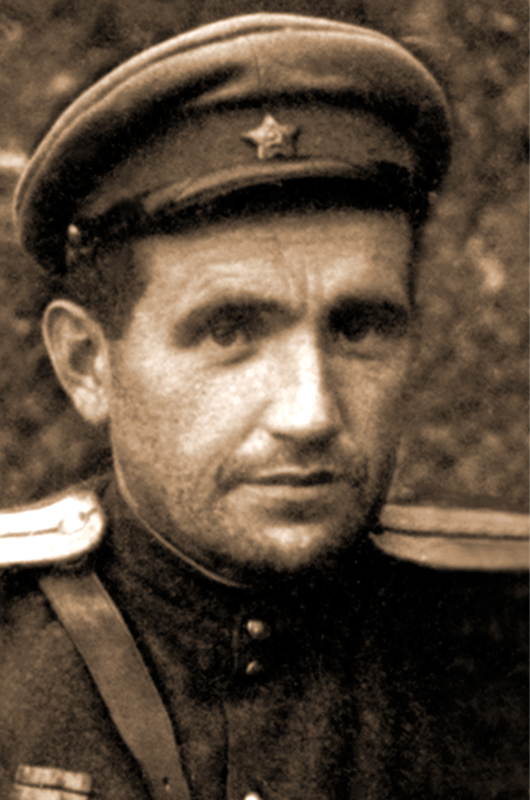
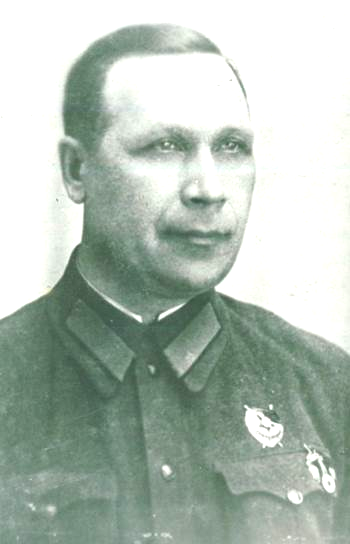
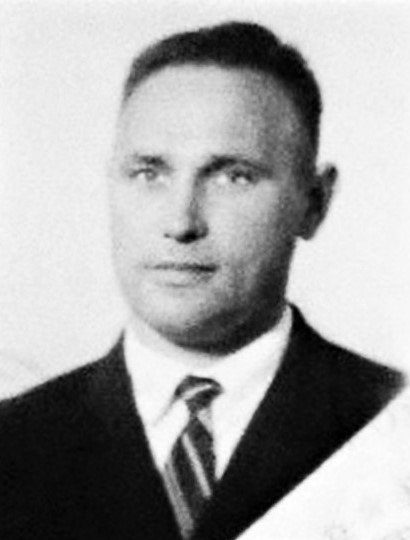
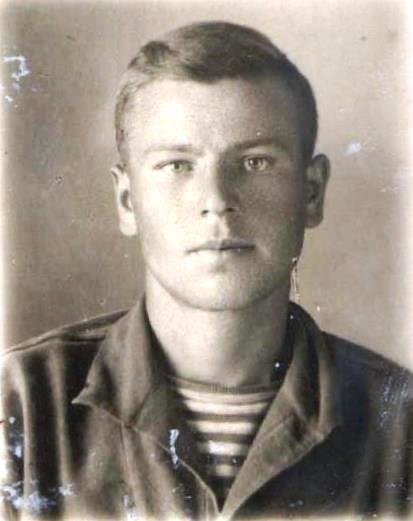
Paliy, Dmitry Stepanovich
Rank: Lieutenant. _x000D_
Unit: 8th Infantry Division (2nd formation). _x000D_
On August 14, 1941, my great-grandfather was drafted by the Dzhurunsky military registration and enlistment office of the Aktobe Region and sent to the Frunzensk Military Infantry School. The training was accelerated, they were engaged in 12 hours. It was very hard to study. In the summertime, they lived in tents outside the city, where training took place. And in November 1941 he was placed in the building of the Technical School. The School had 2,000 cadets. When the fascist troops approached Moscow, they formed a cadet Brigade from three battalions and sent them to the front. Grandfather was in the fourth Battalion, he and other cadets were sent to complete their studies. In early March 1942, the Regiment as part of the Division was sent to the front in Novomoskovsk (formerly Stalinogorsk). In the newspaper Orskaya Chronicle, I read: “The city was a terrible sight: destroyed houses, there was no station building at all, only a railway. We went on a campaign to the Bryansk front. It was hard to walk: there was much snow, we were awkward. After a while, my hearing was restored. Fortunately, no one died in this combat. _x000D_
All his life great-grandfather kept the captured German spoon-fork, which the soldiers gave him. His fellows scrawled his name and surname of their Rifle Platoon Commander on its surface. In July 1942, the great-grandfather first saw the rocket launchers Katyushas, which fired three shots at the advancing Germans, stopping their attack. On May 9, the regiment went on the offensive with the support of tanks. By the end of the day, our positions were restored to 30 kilometers, which had previously been occupied by the enemy. To the west of the village of Nikolskoye, Nikolsky District, Oryol Region, on July 9, 1942, attacking the retreating enemy, he destroyed up to 30 Germans with his platoon. Here he was seriously wounded.
Paliy, Dmitry Stepanovich
Rank: Lieutenant. _x000D_
Unit: 8th Infantry Division (2nd formation). _x000D_
On August 14, 1941, my great-grandfather was drafted by the Dzhurunsky military registration and enlistment office of the Aktobe Region and sent to the Frunzensk Military Infantry School. The training was accelerated, they were engaged in 12 hours. It was very hard to study. In the summertime, they lived in tents outside the city, where training took place. And in November 1941 he was placed in the building of the Technical School. The School had 2,000 cadets. When the fascist troops approached Moscow, they formed a cadet Brigade from three battalions and sent them to the front. Grandfather was in the fourth Battalion, he and other cadets were sent to complete their studies. In early March 1942, the Regiment as part of the Division was sent to the front in Novomoskovsk (formerly Stalinogorsk). In the newspaper Orskaya Chronicle, I read: “The city was a terrible sight: destroyed houses, there was no station building at all, only a railway. We went on a campaign to the Bryansk front. It was hard to walk: there was much snow, we were awkward. After a while, my hearing was restored. Fortunately, no one died in this combat. _x000D_
All his life great-grandfather kept the captured German spoon-fork, which the soldiers gave him. His fellows scrawled his name and surname of their Rifle Platoon Commander on its surface. In July 1942, the great-grandfather first saw the rocket launchers Katyushas, which fired three shots at the advancing Germans, stopping their attack. On May 9, the regiment went on the offensive with the support of tanks. By the end of the day, our positions were restored to 30 kilometers, which had previously been occupied by the enemy. To the west of the village of Nikolskoye, Nikolsky District, Oryol Region, on July 9, 1942, attacking the retreating enemy, he destroyed up to 30 Germans with his platoon. Here he was seriously wounded.
0 comment



2026 © Russian Military Historical Society Developed by Jetmix