Back to
album
album
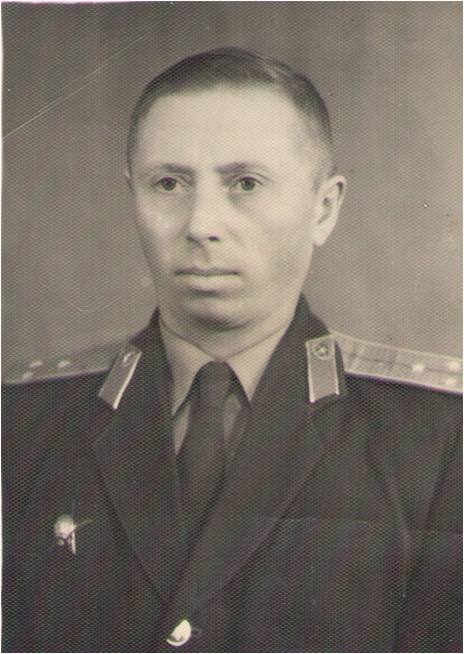
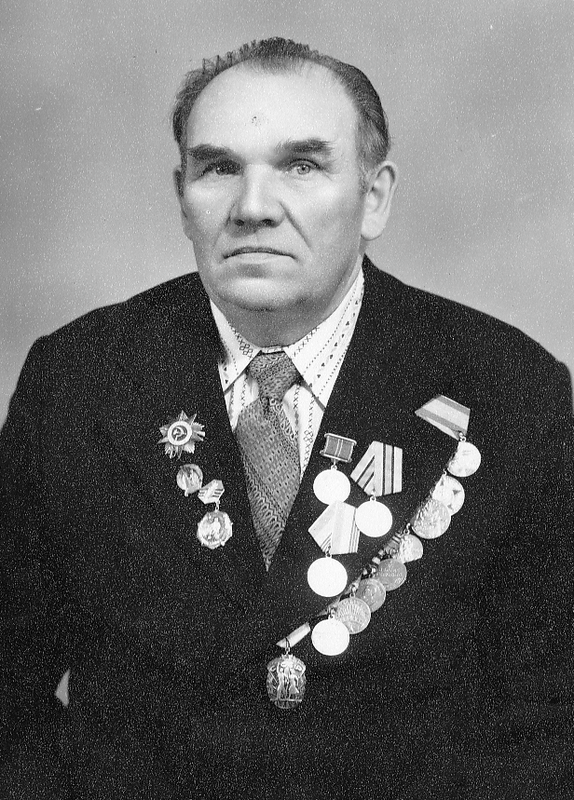
Paleony Andrey Grigorievich
Rank: Sergeant._x000D_
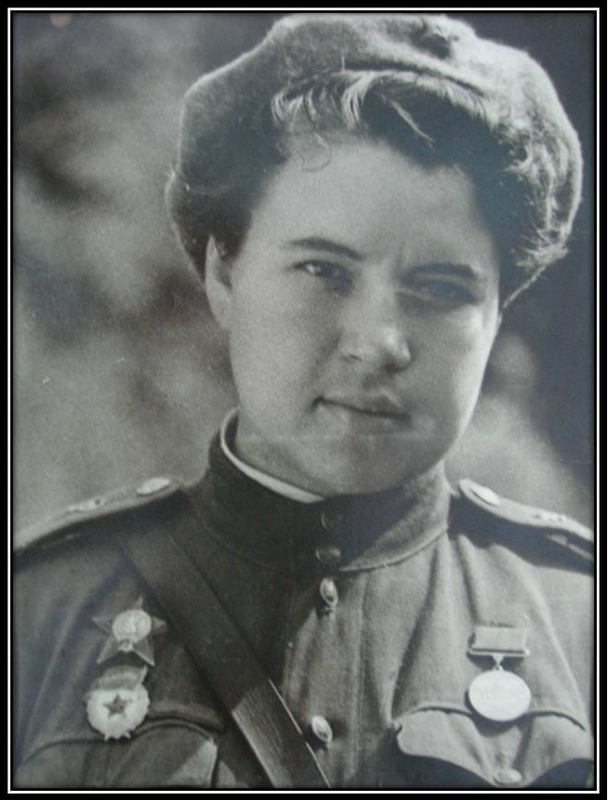
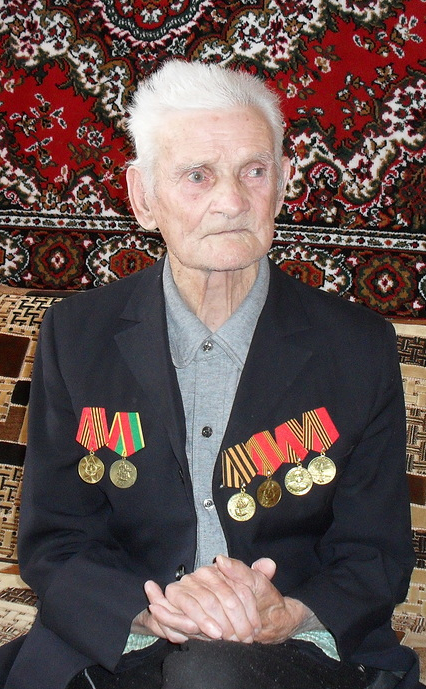
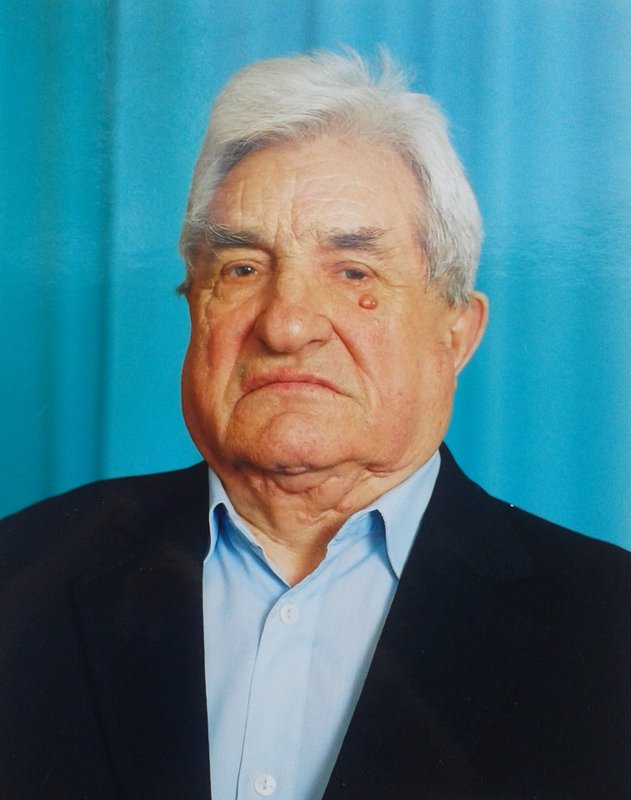
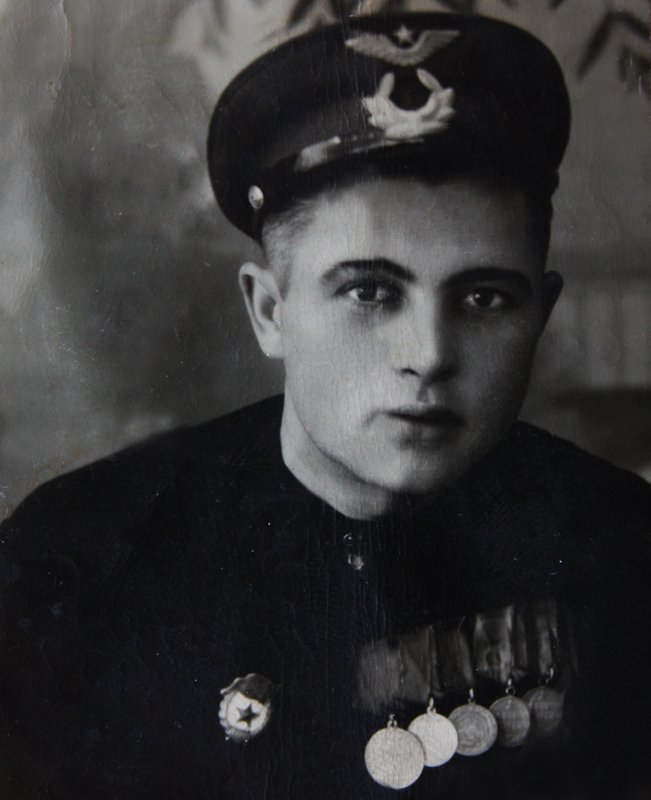
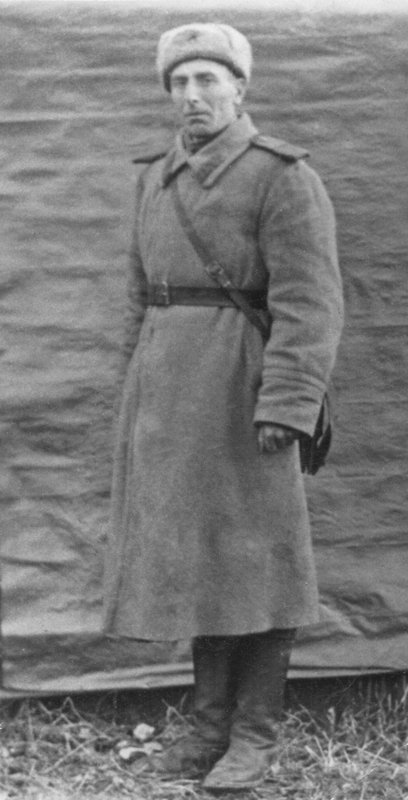
My father, Andrei Grigorievich Paleony, was born on October 16, 1901. He told very little about himself, only recently I learned that his father was a Sergeant in the tsarist police. I know only two things about his childhood. He graduated from the seven classes of the Parish School, which at that time was not just a high education, but almost higher. Many had two or three, maximum four classes. My father was a surprisingly literate person. With seven years of education, he wrote practically without mistakes, only some new words were sometimes strange to him. Until his very old age, his handwriting was clear, even, had all the bright features of a man's handwriting. _x000D_
I am reading not only his letters, but also the synopsis during his training in anti-aircraft affairs during the war years. Everything is legible, understandable and competent. In addition, my father was reading a lot, even though all his life he worked very hard. He had an excellent visual memory and he remembered correctly written words. _x000D_
Nobody knows, because the father never spoke about it, why the 16-year-old son of the tsarist Sergeant after October 1917 went to the civil war on the side of the Reds. Maybe he was carried away by revolutionary romance or youthful protest against the existing order? One way or another, Andrei Paleony went through the entire civil war, not for fear, but for conscience, fighting against whites. He did not earn awards then, orders were rarely awarded to anyone, mainly commanders, and there were no medals yet. _x000D_
Fate kept him alive in the wars. During the Civilian War in Russia, he did not receive a single wound, only his spiked helmet Budenovka was shot through. And when the Soviet state got stronger, introduced its own laws, it remembered that in some village of Glushkovo there was a guy who had reached the draft age of 19. _x000D_
Andrei Palenyi, who had recently returned from the fronts of the Civil War, in April 1920, was drafted into active military service into the ranks of the Workers 'and Peasants' Red Army. And they were sent to the 61st special Division of the GPU troops as a squad leader. I do not know, no one could tell me what kind of troops they were, what function they performed. Only our Andrey had served exactly four years. The father lived in a family of strict rules, one might say, in a puritanical family, where free relations with women were not encouraged. Maybe that's why he got married late. Or maybe because then there was an unshakable rule: when one is able to support his family himself, then he get married. _x000D_
In any case, only four years later after coming from the army, Andrei Palenyi decided to start his own family. His wife was picked up from a strong, big family. The eldest daughter of Mikhail Korobkin Olga at the beginning of 1929 became the wife of Andrei Paleniy. Father took over the profession of a carpenter from his father, and with hard work he earned a piece of bread. As in the Scripture: in the sweat of your brow you will earn your bread. And on November 19, the first-born son Vladimir was born to the young couple. _x000D_
Later, he would remember how, from an early age, his father taught him the same thing that many years later he taught my second brother Slava, then me: first pull out and straighten nails on a piece of iron, then plan the slats, then make frames for photographs, mailing boxes. _x000D_
This is what my father was doing all his life, from which he had an extra money to the main income. And when the second son, Slava, was born on May 12, 1936, the father completely switched to three jobs. During the day he was a carpenter, receiving the main salary. After work he was a carpenter at home, making frames and boxes. Late in the evening he went to school for a night job. He got a job as a stoker, and heated the stoves in the classrooms with peat. It burns very quickly, without giving much heat, so it had to be drowned until late at night. And in the morning he went to his main job again. _x000D_
There was another small job on the weekends. In the park we had a diner where men came to sit with friends, drink a glass or two of vodka, have a snack and talk "for life." Father in this diner sold vodka, snacks, cleared the tables. In general, he was a barman. And for this he had an extra ruble in the family budget. Father lived at such a pace. _x000D_
My father was called up to the front when he was about 40 years old, when he already had two children. The 18-year-old boys, mobilized for the war immediately after finishing high school, were not much older than the first son of Andrei Paleony. _x000D_
But together with them he left the military registration and enlistment office on August 24, 1941, together in October he took the oath and was enlisted in the 732th Separate anti-aircraft machine-gun Company of the 9th anti-aircraft machine gun Regiment as the Commander of the crew. _x000D_
He probably was appointed as the Crew Commander because he was older than everyone else, or maybe because in the training he carefully wrote down and remembered all types of aircraft, at what speed and at what altitude they fly, how to correctly determine the lead. _x000D_
Like all Red Army men, my father was retreating to the east under the onslaught of the Nazis, until he had reached the Volga at Stalingrad. One can read about the battles in the summer and autumn of 1942 and especially in the winter of early 1943 in the memoirs of the commanders. In September 1942, his 732th anti-aircraft Machine-gun Company was almost completely destroyed, only a few survived. _x000D_
Those who survived were withdrawn from the battle to the south of Stalingrad to replenish and train new recruits. But while they were waiting for replenishment, the Commander of the gunboat Kirov, Senior Lieutenant Pozdnyakov, addressed the survivors: “Soldiers, German aircraft do not allow the ships of our flotilla to deliver ammunition to Stalingrad. Is there an anti-aircraft gunner among you?” _x000D_
Thus, Sergeant Paleony became a sailor of the Volga military flotilla for a while. A month later, the Commander of the ship Pozdnyakov and the commissioner of the gunboat Kirov, Political Instructor Tverskoy, will issue a certificate with the following content: _x000D_
"The certificate was issued to Sergeant Paleony that he was with his crew on the gunboat Kirov from September 13 to October 14, 1942 inclusive." Signatures and seals. It is interesting that the Commander signed with a red pencil, but the Political Instructor did not leave an autograph. And one more touch: after serving on this gunboat, the nickname "Marine" stuck to my father. Well, he was a sailor of the flotilla, although only a month. _x000D_
After a short respite, Sergeant Singe was again in the heat of the Battle of Stalingrad. In January, during the shelling of the Nazis, an enemy shell exploded literally next to his father's anti-aircraft gun. On the morning of the next day, the death notice team went around the fired positions, collecting the dead soldiers. Someone noticed that there was no snow on the boot sticking out of the snowdrift, although it snowed at night. It meant that the boot is warm, if the snow melts, then somebody was alive. The shell-shocked and half-frozen Sergeant Paleony was taken to the Medical Battalion. Until September, my father was treated in hospitals. Thank God, he didn't get frostbitten on his feet, although then until the end of his days he toiled with them: his legs (and his hands too) were always freezing in the cold. Yes, his hearing was partially lost. I had to talk to my father a little louder than to the others, and he, in turn, also spoke loudly. Sergeant Paleoniy returned to his own Regiment, only this time as a Platoon Commander awarded the Order of the Red Star. _x000D_
True, after the war, the veteran of the fighting was offended by pen pushers in the military registration and enlistment office. They wrote that he had no awards in the newly issued military card. The medal "For Courage" and the Order of the Red Star were not included in the number of father's awards. And I am to blame for not saving them in memory of my father. _x000D_
When he was seriously ill, I lived in Shostka, and my nephew, took care of him. A 15-year-old boy first played with his grandfather's awards, and then either sold them or exchanged them for something. I know for sure that my father wrote letters to my mother from the front, it's a pity that these letters were not preserved even before my childhood, I could not read a single line of my father's letters. _x000D_
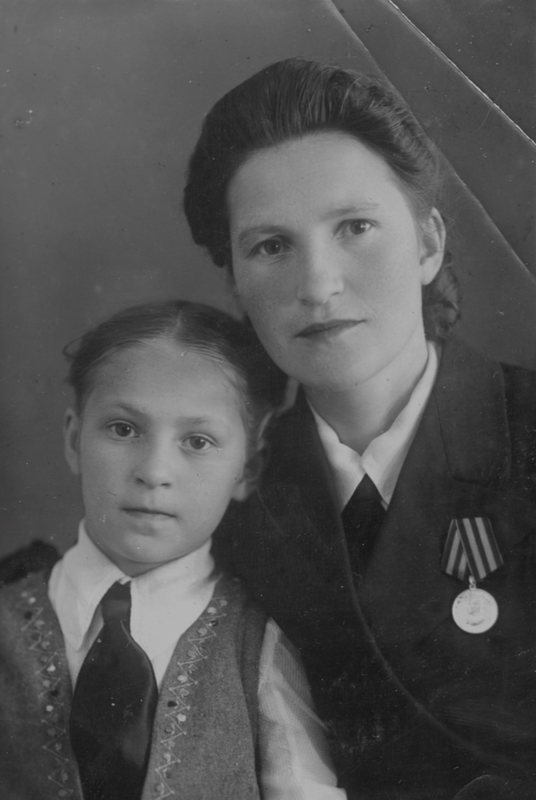
But the photographs remain to this day, they have short inscriptions: "In memory of my family - wife Olya, sons Vova and Slavik, March 21, 1944", "To a loving wife from her husband, February 15, 1945". _x000D_
And an interesting incident happened with one of the pictures. When my father went to the front, the youngest of his sons, my brother Slava, was 5 years and three months old. By the end of 1944, eight and a half years. And the father asked the mother in a letter to take a photo with both sons and send him a picture. Mother did so. _x000D_
But while the letters were circulating, the front had already crossed the borders of the USSR, and the father's part ended up in Austria. Already in May 1945, my father, being in Vienna, went into a photo studio and asked the photographer to insert his portrait into a family photo. He fulfilled the request. So this photo, strange at first glance, appeared in our family photo album: a father in a military uniform, his wife and two children were photographed against the background of either the castle or the Vienna City Hall. My father finished fighting as a Company Starshina of the same 9th anti-aircraft machine gun Regiment. And on July 14, 1945 he was demobilized and joined his wife and children.
Paleony Andrey Grigorievich
Rank: Sergeant._x000D_
My father, Andrei Grigorievich Paleony, was born on October 16, 1901. He told very little about himself, only recently I learned that his father was a Sergeant in the tsarist police. I know only two things about his childhood. He graduated from the seven classes of the Parish School, which at that time was not just a high education, but almost higher. Many had two or three, maximum four classes. My father was a surprisingly literate person. With seven years of education, he wrote practically without mistakes, only some new words were sometimes strange to him. Until his very old age, his handwriting was clear, even, had all the bright features of a man's handwriting. _x000D_
I am reading not only his letters, but also the synopsis during his training in anti-aircraft affairs during the war years. Everything is legible, understandable and competent. In addition, my father was reading a lot, even though all his life he worked very hard. He had an excellent visual memory and he remembered correctly written words. _x000D_
Nobody knows, because the father never spoke about it, why the 16-year-old son of the tsarist Sergeant after October 1917 went to the civil war on the side of the Reds. Maybe he was carried away by revolutionary romance or youthful protest against the existing order? One way or another, Andrei Paleony went through the entire civil war, not for fear, but for conscience, fighting against whites. He did not earn awards then, orders were rarely awarded to anyone, mainly commanders, and there were no medals yet. _x000D_
Fate kept him alive in the wars. During the Civilian War in Russia, he did not receive a single wound, only his spiked helmet Budenovka was shot through. And when the Soviet state got stronger, introduced its own laws, it remembered that in some village of Glushkovo there was a guy who had reached the draft age of 19. _x000D_
Andrei Palenyi, who had recently returned from the fronts of the Civil War, in April 1920, was drafted into active military service into the ranks of the Workers 'and Peasants' Red Army. And they were sent to the 61st special Division of the GPU troops as a squad leader. I do not know, no one could tell me what kind of troops they were, what function they performed. Only our Andrey had served exactly four years. The father lived in a family of strict rules, one might say, in a puritanical family, where free relations with women were not encouraged. Maybe that's why he got married late. Or maybe because then there was an unshakable rule: when one is able to support his family himself, then he get married. _x000D_
In any case, only four years later after coming from the army, Andrei Palenyi decided to start his own family. His wife was picked up from a strong, big family. The eldest daughter of Mikhail Korobkin Olga at the beginning of 1929 became the wife of Andrei Paleniy. Father took over the profession of a carpenter from his father, and with hard work he earned a piece of bread. As in the Scripture: in the sweat of your brow you will earn your bread. And on November 19, the first-born son Vladimir was born to the young couple. _x000D_
Later, he would remember how, from an early age, his father taught him the same thing that many years later he taught my second brother Slava, then me: first pull out and straighten nails on a piece of iron, then plan the slats, then make frames for photographs, mailing boxes. _x000D_
This is what my father was doing all his life, from which he had an extra money to the main income. And when the second son, Slava, was born on May 12, 1936, the father completely switched to three jobs. During the day he was a carpenter, receiving the main salary. After work he was a carpenter at home, making frames and boxes. Late in the evening he went to school for a night job. He got a job as a stoker, and heated the stoves in the classrooms with peat. It burns very quickly, without giving much heat, so it had to be drowned until late at night. And in the morning he went to his main job again. _x000D_
There was another small job on the weekends. In the park we had a diner where men came to sit with friends, drink a glass or two of vodka, have a snack and talk "for life." Father in this diner sold vodka, snacks, cleared the tables. In general, he was a barman. And for this he had an extra ruble in the family budget. Father lived at such a pace. _x000D_
My father was called up to the front when he was about 40 years old, when he already had two children. The 18-year-old boys, mobilized for the war immediately after finishing high school, were not much older than the first son of Andrei Paleony. _x000D_
But together with them he left the military registration and enlistment office on August 24, 1941, together in October he took the oath and was enlisted in the 732th Separate anti-aircraft machine-gun Company of the 9th anti-aircraft machine gun Regiment as the Commander of the crew. _x000D_
He probably was appointed as the Crew Commander because he was older than everyone else, or maybe because in the training he carefully wrote down and remembered all types of aircraft, at what speed and at what altitude they fly, how to correctly determine the lead. _x000D_
Like all Red Army men, my father was retreating to the east under the onslaught of the Nazis, until he had reached the Volga at Stalingrad. One can read about the battles in the summer and autumn of 1942 and especially in the winter of early 1943 in the memoirs of the commanders. In September 1942, his 732th anti-aircraft Machine-gun Company was almost completely destroyed, only a few survived. _x000D_
Those who survived were withdrawn from the battle to the south of Stalingrad to replenish and train new recruits. But while they were waiting for replenishment, the Commander of the gunboat Kirov, Senior Lieutenant Pozdnyakov, addressed the survivors: “Soldiers, German aircraft do not allow the ships of our flotilla to deliver ammunition to Stalingrad. Is there an anti-aircraft gunner among you?” _x000D_
Thus, Sergeant Paleony became a sailor of the Volga military flotilla for a while. A month later, the Commander of the ship Pozdnyakov and the commissioner of the gunboat Kirov, Political Instructor Tverskoy, will issue a certificate with the following content: _x000D_
"The certificate was issued to Sergeant Paleony that he was with his crew on the gunboat Kirov from September 13 to October 14, 1942 inclusive." Signatures and seals. It is interesting that the Commander signed with a red pencil, but the Political Instructor did not leave an autograph. And one more touch: after serving on this gunboat, the nickname "Marine" stuck to my father. Well, he was a sailor of the flotilla, although only a month. _x000D_
After a short respite, Sergeant Singe was again in the heat of the Battle of Stalingrad. In January, during the shelling of the Nazis, an enemy shell exploded literally next to his father's anti-aircraft gun. On the morning of the next day, the death notice team went around the fired positions, collecting the dead soldiers. Someone noticed that there was no snow on the boot sticking out of the snowdrift, although it snowed at night. It meant that the boot is warm, if the snow melts, then somebody was alive. The shell-shocked and half-frozen Sergeant Paleony was taken to the Medical Battalion. Until September, my father was treated in hospitals. Thank God, he didn't get frostbitten on his feet, although then until the end of his days he toiled with them: his legs (and his hands too) were always freezing in the cold. Yes, his hearing was partially lost. I had to talk to my father a little louder than to the others, and he, in turn, also spoke loudly. Sergeant Paleoniy returned to his own Regiment, only this time as a Platoon Commander awarded the Order of the Red Star. _x000D_
True, after the war, the veteran of the fighting was offended by pen pushers in the military registration and enlistment office. They wrote that he had no awards in the newly issued military card. The medal "For Courage" and the Order of the Red Star were not included in the number of father's awards. And I am to blame for not saving them in memory of my father. _x000D_
When he was seriously ill, I lived in Shostka, and my nephew, took care of him. A 15-year-old boy first played with his grandfather's awards, and then either sold them or exchanged them for something. I know for sure that my father wrote letters to my mother from the front, it's a pity that these letters were not preserved even before my childhood, I could not read a single line of my father's letters. _x000D_
But the photographs remain to this day, they have short inscriptions: "In memory of my family - wife Olya, sons Vova and Slavik, March 21, 1944", "To a loving wife from her husband, February 15, 1945". _x000D_
And an interesting incident happened with one of the pictures. When my father went to the front, the youngest of his sons, my brother Slava, was 5 years and three months old. By the end of 1944, eight and a half years. And the father asked the mother in a letter to take a photo with both sons and send him a picture. Mother did so. _x000D_
But while the letters were circulating, the front had already crossed the borders of the USSR, and the father's part ended up in Austria. Already in May 1945, my father, being in Vienna, went into a photo studio and asked the photographer to insert his portrait into a family photo. He fulfilled the request. So this photo, strange at first glance, appeared in our family photo album: a father in a military uniform, his wife and two children were photographed against the background of either the castle or the Vienna City Hall. My father finished fighting as a Company Starshina of the same 9th anti-aircraft machine gun Regiment. And on July 14, 1945 he was demobilized and joined his wife and children.
0 comment



2026 © Russian Military Historical Society Developed by Jetmix