Back to
album
album
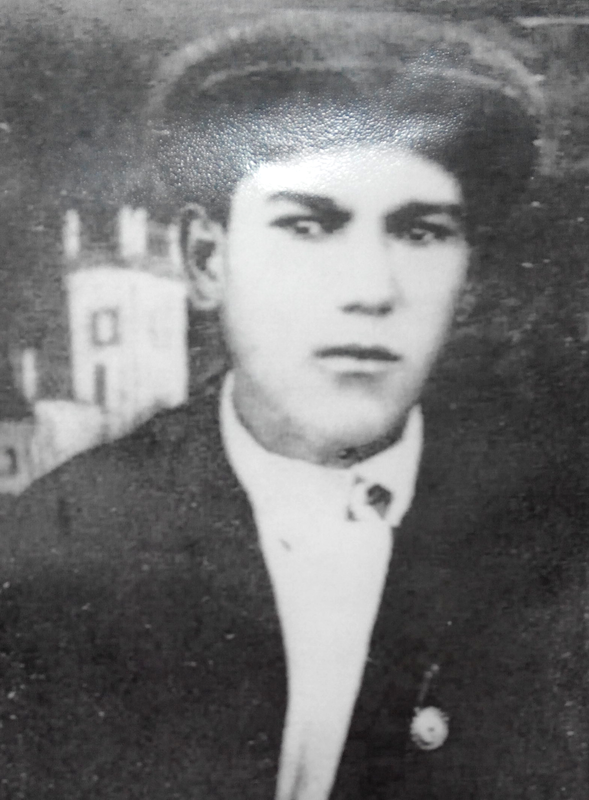
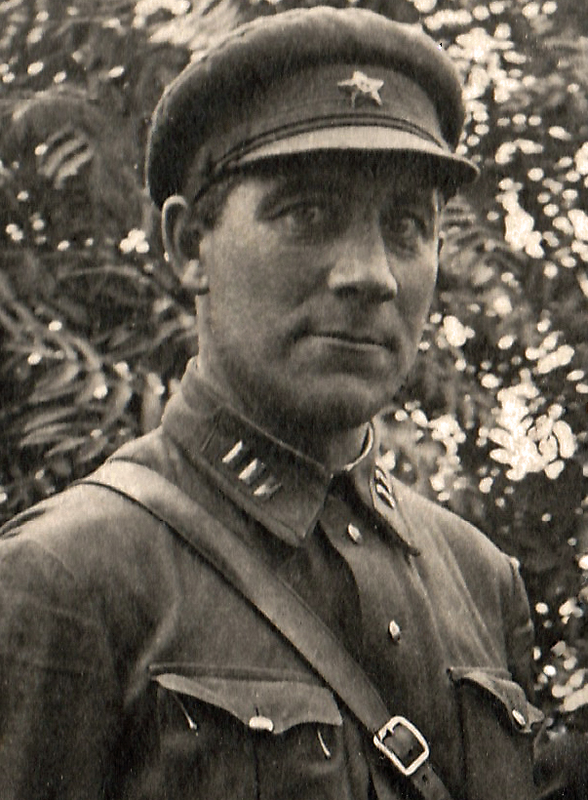
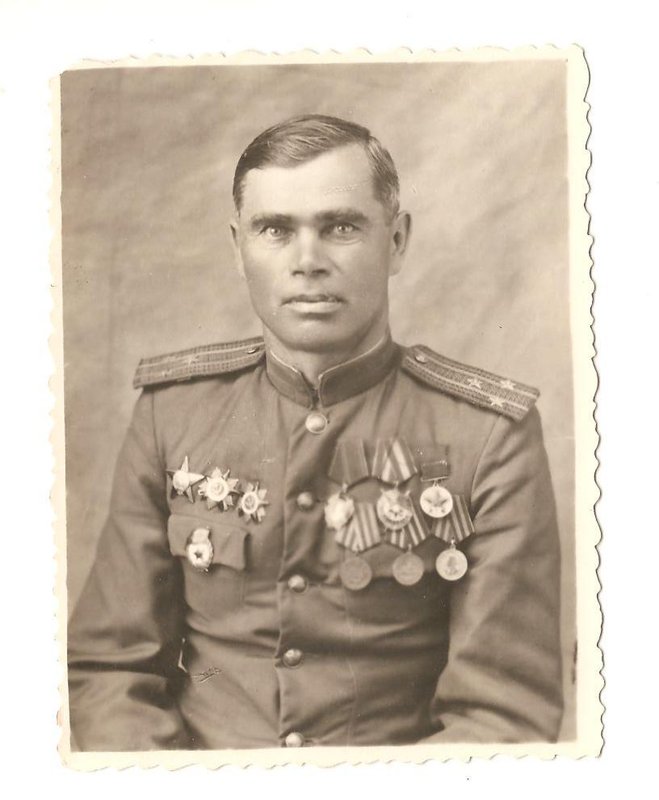

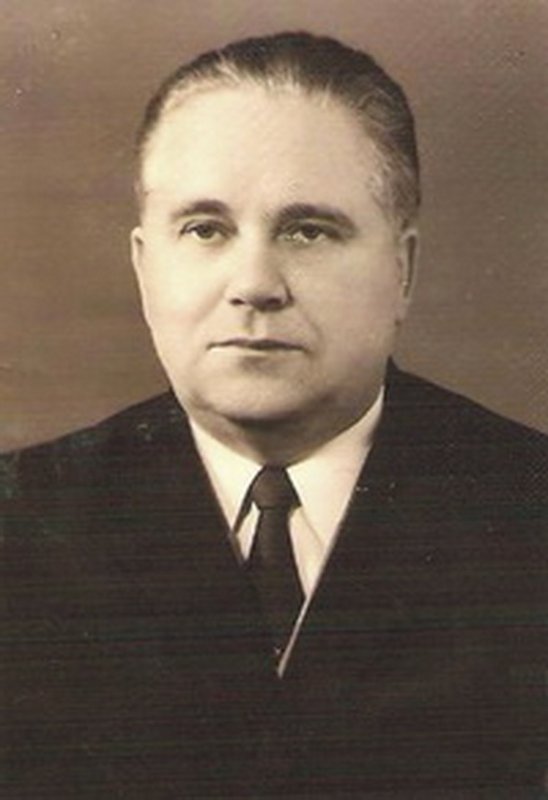
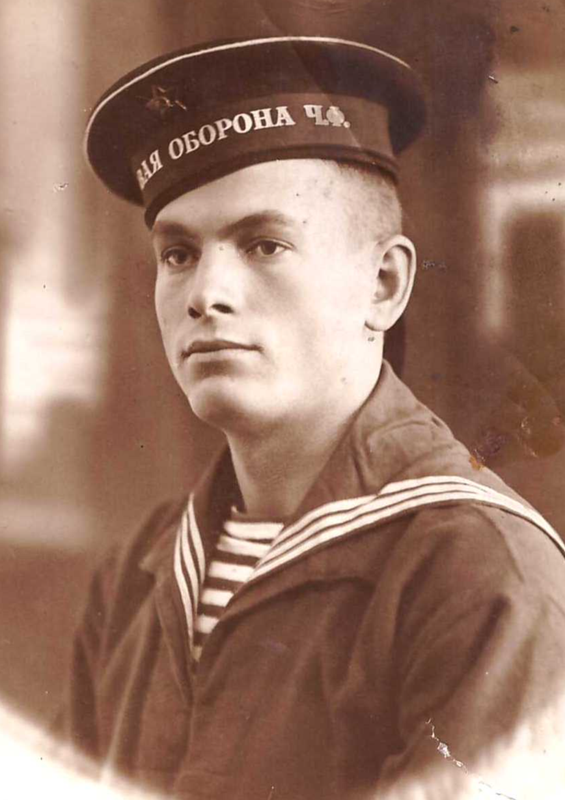
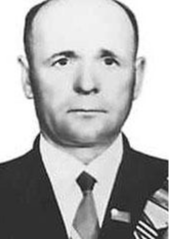
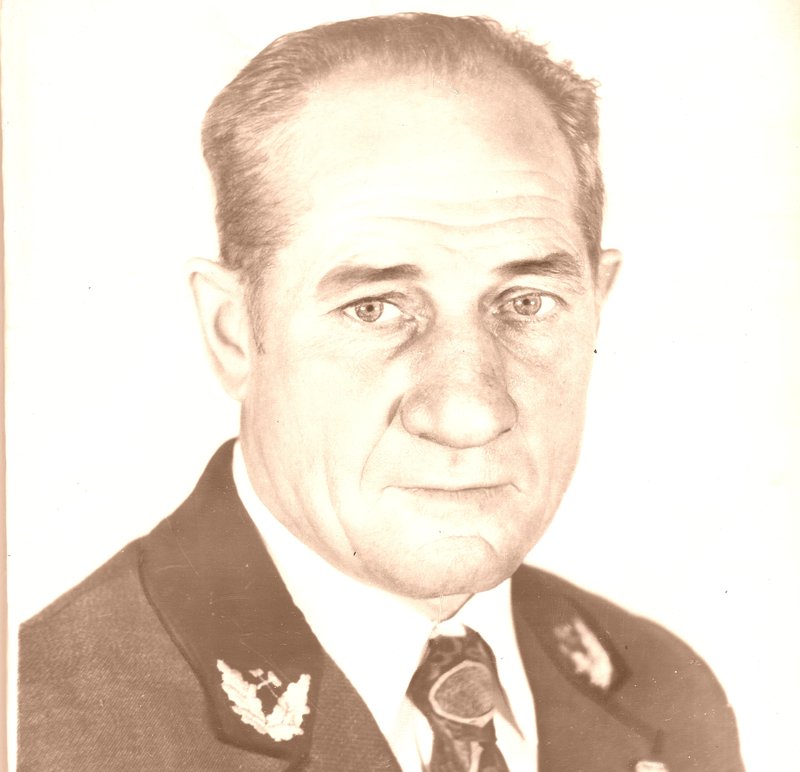
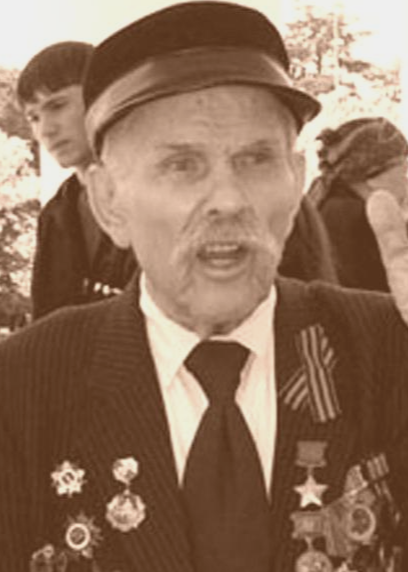
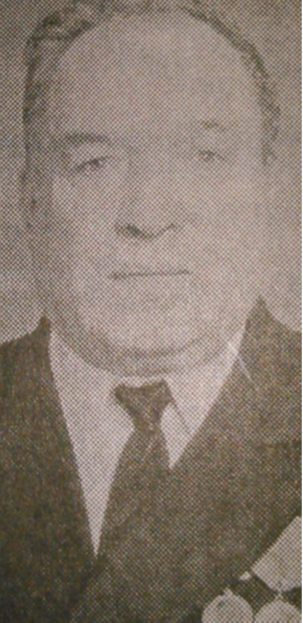
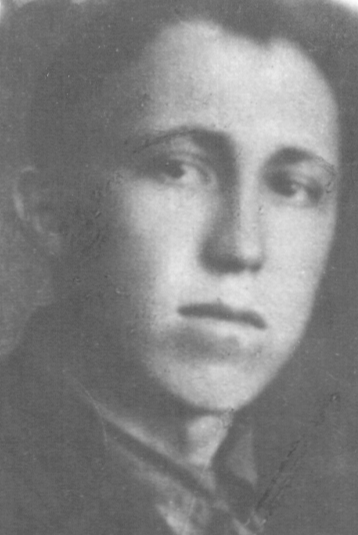
Boldyrev Vasily Pavlovich
Branch of troops: Land forces, air forces (except naval aviation), coast guard, NKVD troops, border guards). Vasily Boldyrev was born in the village of Novozavedennoye, in February of 1921, on the Pancake week, but the date of his birth was mentioned in archives as June 21st. He studied at school with great pleasure and desire, and was considered to be the best student. The tall, slender, curly-haired brunet sang well, played the balalaika virtuosically, and was the soul of the school parties. From a young age, Vasily helped his father around the house, working with him in the field, since there were enough things to do at home: the family had many childrenand he, as the oldest, had to work in the garden and manage the household. After completing seven years of school education, Vasily Boldyrev went to the city of Stavropol, where he entered the faculty of foreign languages at the pedagogical university. In September of 1940, a 3rd-year student was drafted into the army from the city of Stavropol. Vasily Boldyrev became a sailor in the city of Sevastopol at the Black sea. He served at the 2 OAD main base of the Black sea fleet as signalman of the coast guard. But a peaceful and happy life was interrupted by the war. From its first days, the Black sea sailors heroically defended their beloved city and the Motherland. Nazi attacks were choked one after another! The sailors showed miracles of bravery and military valor. They didn't think about food, but they were thirsty and had to quench their thirst with salt water from the sea. Together with his comrades, Vasily Boldyrev protected the withdrawal of military units from the heroic city of Sevastopol, was wounded in the arm, and lived with a bullet all his life. 3.07 1942, according to the command, Boldyrev Vasily Pavlovich went missing. According to the memoirs of his great-grandfather, he had to swim across the Bay. Wounded, he was taken a prisoner. Soviet prisoners of war were driven by the Nazis to the city of Shepetovka in Ukraine. So Vasily was kept in a prison camp there. Then he and several of his companions managed to escape. Later, he ended up in a partisan unit on the territory of Yugoslavia. After the war, due to the prevailing circumstances, as well as the government's distrust to former prisoners of war, he was sent to a labor camp in the Irkutsk region, where he was without the right to correspond until 1955. Vasily Pavlovich lived and worked in the village of Chuna. In Irkutsk, he graduated with honors from the forest technical school. In 1955 he was rehabilitated. That is why his relatives were able to see Vasily only 15 years later, since he was for all this long time considered as missing. In 1965, he moved with his family to the city of Ordzhonikidze in North Ossetia, there Vasily Pavlovich worked as a master and teacher in a specialized children's institution. Father of Vasily Pavlovich - Pavel Semyonovich Boldyrev - took part in liberation of the city of Sevastopol from the Nazis. V. P. Boldyrev passed away in 1997, at the age of 76. His grandson - Oleg Pavlovich Boldyrev - lives in the city of Sevastopol and is serving in the marine corps. He serves at the very same place where the 35th battery fought during the Great Patriotic war, and his great-grandfather defended his native Sevastopol. The name of Vasily Boldyrev is immortalized on the memorial Pantheon of Glory as one of the defenders of Sevastopol.
Boldyrev Vasily Pavlovich
Branch of troops: Land forces, air forces (except naval aviation), coast guard, NKVD troops, border guards). Vasily Boldyrev was born in the village of Novozavedennoye, in February of 1921, on the Pancake week, but the date of his birth was mentioned in archives as June 21st. He studied at school with great pleasure and desire, and was considered to be the best student. The tall, slender, curly-haired brunet sang well, played the balalaika virtuosically, and was the soul of the school parties. From a young age, Vasily helped his father around the house, working with him in the field, since there were enough things to do at home: the family had many childrenand he, as the oldest, had to work in the garden and manage the household. After completing seven years of school education, Vasily Boldyrev went to the city of Stavropol, where he entered the faculty of foreign languages at the pedagogical university. In September of 1940, a 3rd-year student was drafted into the army from the city of Stavropol. Vasily Boldyrev became a sailor in the city of Sevastopol at the Black sea. He served at the 2 OAD main base of the Black sea fleet as signalman of the coast guard. But a peaceful and happy life was interrupted by the war. From its first days, the Black sea sailors heroically defended their beloved city and the Motherland. Nazi attacks were choked one after another! The sailors showed miracles of bravery and military valor. They didn't think about food, but they were thirsty and had to quench their thirst with salt water from the sea. Together with his comrades, Vasily Boldyrev protected the withdrawal of military units from the heroic city of Sevastopol, was wounded in the arm, and lived with a bullet all his life. 3.07 1942, according to the command, Boldyrev Vasily Pavlovich went missing. According to the memoirs of his great-grandfather, he had to swim across the Bay. Wounded, he was taken a prisoner. Soviet prisoners of war were driven by the Nazis to the city of Shepetovka in Ukraine. So Vasily was kept in a prison camp there. Then he and several of his companions managed to escape. Later, he ended up in a partisan unit on the territory of Yugoslavia. After the war, due to the prevailing circumstances, as well as the government's distrust to former prisoners of war, he was sent to a labor camp in the Irkutsk region, where he was without the right to correspond until 1955. Vasily Pavlovich lived and worked in the village of Chuna. In Irkutsk, he graduated with honors from the forest technical school. In 1955 he was rehabilitated. That is why his relatives were able to see Vasily only 15 years later, since he was for all this long time considered as missing. In 1965, he moved with his family to the city of Ordzhonikidze in North Ossetia, there Vasily Pavlovich worked as a master and teacher in a specialized children's institution. Father of Vasily Pavlovich - Pavel Semyonovich Boldyrev - took part in liberation of the city of Sevastopol from the Nazis. V. P. Boldyrev passed away in 1997, at the age of 76. His grandson - Oleg Pavlovich Boldyrev - lives in the city of Sevastopol and is serving in the marine corps. He serves at the very same place where the 35th battery fought during the Great Patriotic war, and his great-grandfather defended his native Sevastopol. The name of Vasily Boldyrev is immortalized on the memorial Pantheon of Glory as one of the defenders of Sevastopol.
0 comment




2026 © Russian Military Historical Society Developed by Jetmix