Back to
album
album

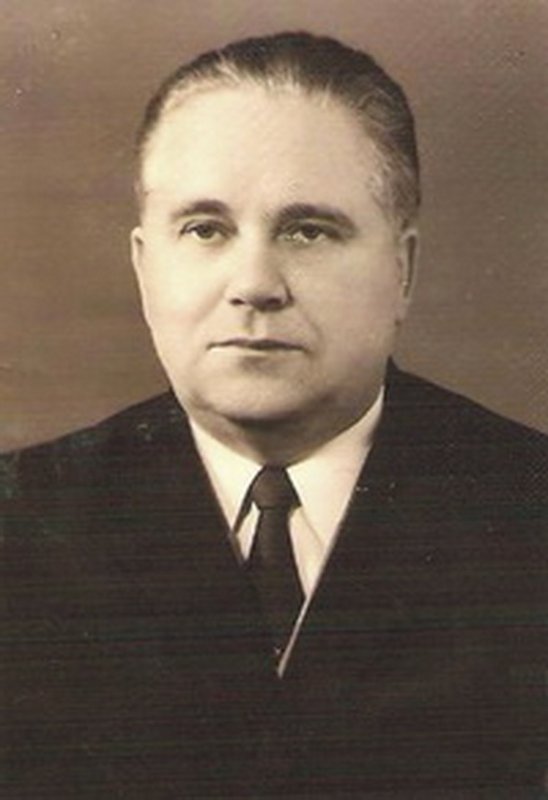
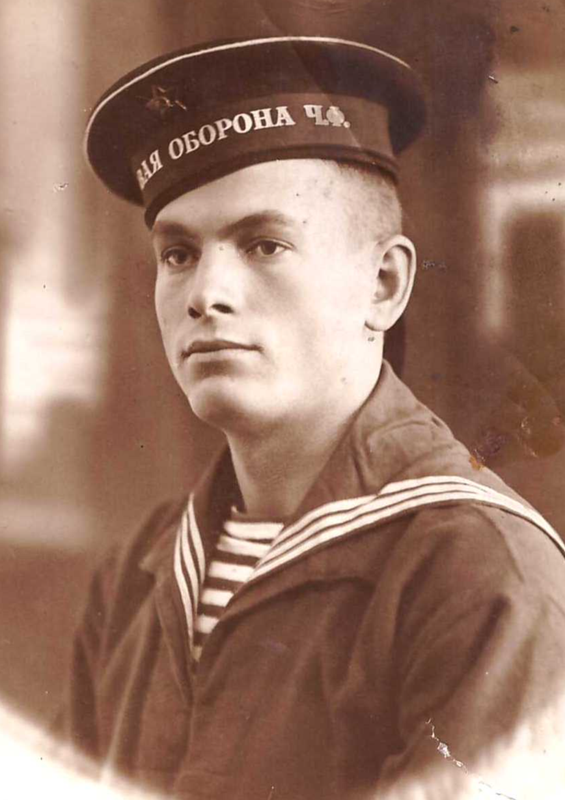
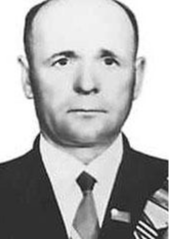
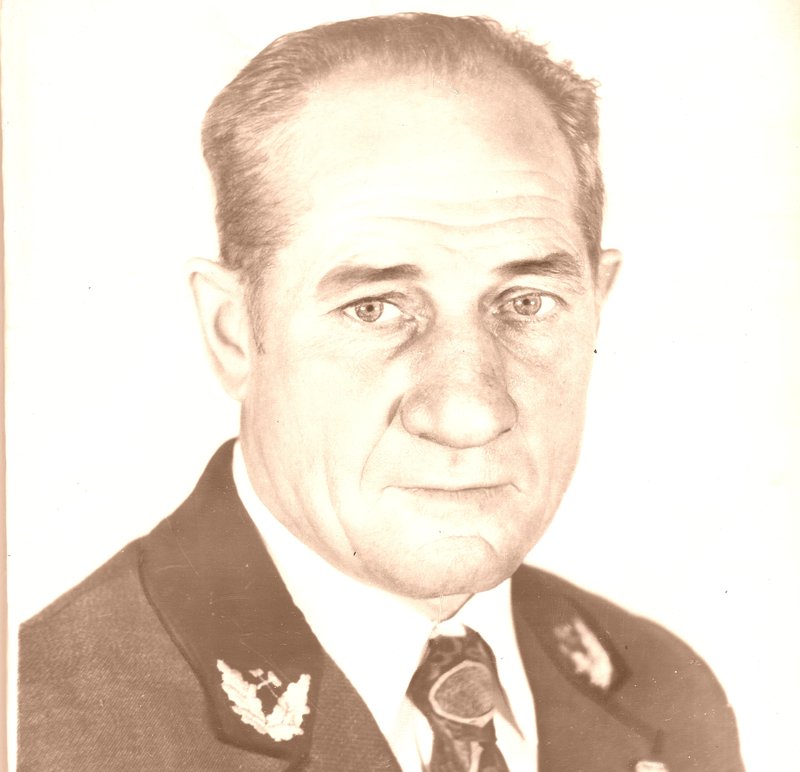
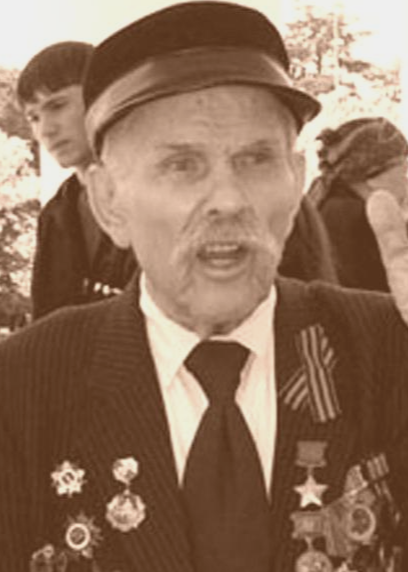
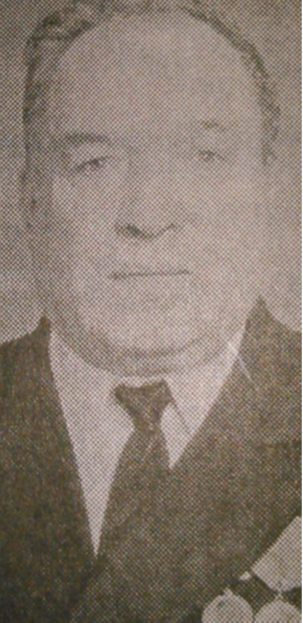
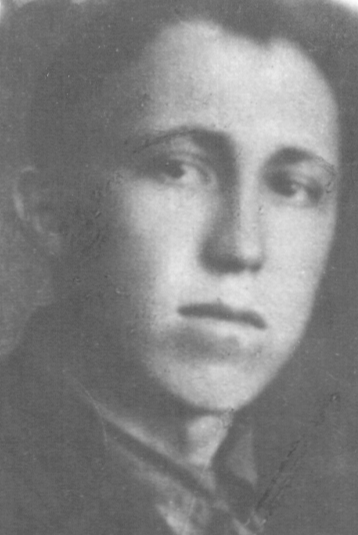
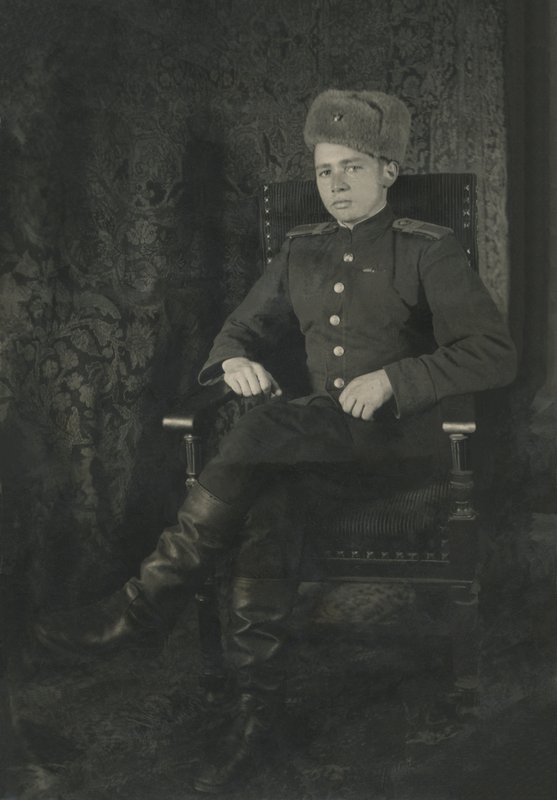
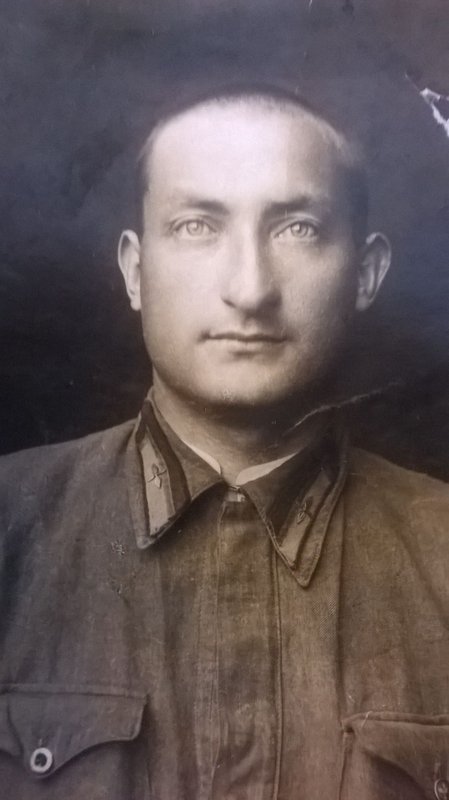
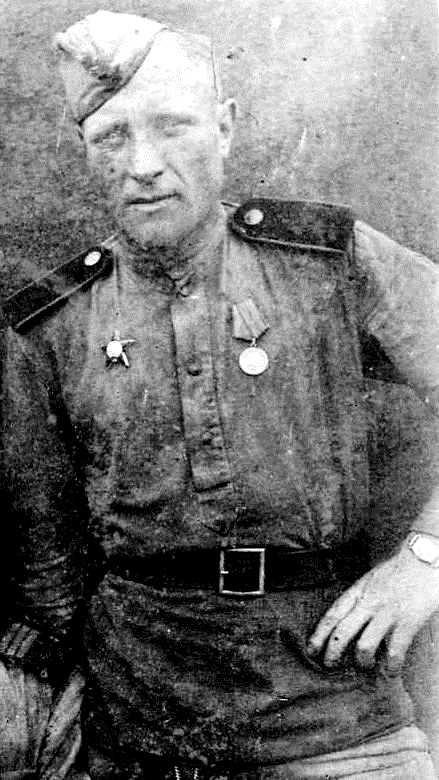
Belomestny Vladimir Kornilovich
Vladimir Kornilovich Belomestnykh was born on July 14 (new style – 27), 1913 in the village of Bargaday (now-Ziminsky district of the Irkutsk region) in a peasant family. He graduated from Novo-Udinsk seven-year school. His parents had many children - besides Vladimir, there were 14 more. A large family lived in poverty, so even as a child, Vladimir had to go to work for hire. In 1935, he graduated from the Chita mining and metallurgical technical school and was sent to the Kirov mine of the Solovyevsky mine of the Dzheltulaksky (now – Tynda district). He worked as a foreman and the manager of mine No. 1. In 1937, he was conscripted to the army, and in 1939, after demobilization, he returned to the mine. Soon he got married. After nazi attack on the Homeland, Vladimir Kornilovich was called to the army. At the end of 1941 at the Skovorodino station Amur region 48th cavalry regiment of the NKVD was formed , and in 1942 the regiment was disbanded and sent to the front. The 106th Beyond-The-Baikal rifle division was formed from the local border guards. Vladimir Kornilovich served within the 12th sapper battalion in a platoon of miners. The experience of combat crossings was useful to him when crossing the Dnieper by our troops. Belomestnykh's boat was the third. The first two boats were machine-gunned by the Nazis. The men leaned desperately on their oars. But now it's time to land the troops. - Come on, follow me! the Sergeant-Major ordered, and was the first to plunge into the icy water. The fight on the beach was short and fierce. During this night and using its darkness as a cover Sergeant-Major Belomestny on his humble boat managed to transport 150 common soldiers under the hurricane fire of the enemy. He made 12 such routes till the morning light came. For almost a day, he was on the verge of death. In hand-to-hand combat, the group captured an enemy machine gun and two medium-caliber guns. Many of the fighters were killed, but the "fire bridgehead" was held. On the conquered bridgehead, Sergeant-Major V. K. Belomestny hoisted a flag indicating – “Dpieper belongs to us!”. For his courage and bravery during the crossing of the Dnieper, on October 30, 1943, he was awarded the high title of Hero of the Soviet Union. In January 1945, Belomestny was seriously wounded and concussed, frostbite on his feet, and narrowly escaped gas gangrene. The hero completed his front-line career on the Austrian soil. He was twice concussed and twice wounded, as a result of which he was deaf and dumb for 18 days. June 24, 1945 Hero of the Soviet Union V. K. Belomestny took part in the Victory parade on Moscow's Red square. He began to beat the enemy as a private, and ended the war in the reserve of junior commanders. The war claimed the lives of six of Vladimir's brothers. All nine sons of his mother Darya Fyodorovna were called up to the front line and she was waiting for them along with the victory, and could not sleep at night. But war takes its toll. Six brothers of Belomestny parished during the battles. Each funeral was a hard blow to the mother's heart. But the Siberian woman endured everything. Vladimir Kornilovich was discharged in 1946 and returned to Solovievsk - to the places that became his native land. He worked as the head of the mining sector, deputy chief engineer for safety, head of dredge No. 67 of the Solovyevsky mine. Then he went to Yakutia there he retired. After completing journalism courses, in 1965-1990 he worked as a tour guide at a local travel and sightseeing agency. He performed at schools and businesses. He is an honorary citizen of the Lazarevsky district of Sochi. He was awarded the memorial medal of the Krasnodar territory "for outstanding contribution to the development of the Kuban". Vladimir Belomestny passed away on August 08, 2009, and was buried in the cemetery of the village of Dagomys (Sochi).
Belomestny Vladimir Kornilovich
Vladimir Kornilovich Belomestnykh was born on July 14 (new style – 27), 1913 in the village of Bargaday (now-Ziminsky district of the Irkutsk region) in a peasant family. He graduated from Novo-Udinsk seven-year school. His parents had many children - besides Vladimir, there were 14 more. A large family lived in poverty, so even as a child, Vladimir had to go to work for hire. In 1935, he graduated from the Chita mining and metallurgical technical school and was sent to the Kirov mine of the Solovyevsky mine of the Dzheltulaksky (now – Tynda district). He worked as a foreman and the manager of mine No. 1. In 1937, he was conscripted to the army, and in 1939, after demobilization, he returned to the mine. Soon he got married. After nazi attack on the Homeland, Vladimir Kornilovich was called to the army. At the end of 1941 at the Skovorodino station Amur region 48th cavalry regiment of the NKVD was formed , and in 1942 the regiment was disbanded and sent to the front. The 106th Beyond-The-Baikal rifle division was formed from the local border guards. Vladimir Kornilovich served within the 12th sapper battalion in a platoon of miners. The experience of combat crossings was useful to him when crossing the Dnieper by our troops. Belomestnykh's boat was the third. The first two boats were machine-gunned by the Nazis. The men leaned desperately on their oars. But now it's time to land the troops. - Come on, follow me! the Sergeant-Major ordered, and was the first to plunge into the icy water. The fight on the beach was short and fierce. During this night and using its darkness as a cover Sergeant-Major Belomestny on his humble boat managed to transport 150 common soldiers under the hurricane fire of the enemy. He made 12 such routes till the morning light came. For almost a day, he was on the verge of death. In hand-to-hand combat, the group captured an enemy machine gun and two medium-caliber guns. Many of the fighters were killed, but the "fire bridgehead" was held. On the conquered bridgehead, Sergeant-Major V. K. Belomestny hoisted a flag indicating – “Dpieper belongs to us!”. For his courage and bravery during the crossing of the Dnieper, on October 30, 1943, he was awarded the high title of Hero of the Soviet Union. In January 1945, Belomestny was seriously wounded and concussed, frostbite on his feet, and narrowly escaped gas gangrene. The hero completed his front-line career on the Austrian soil. He was twice concussed and twice wounded, as a result of which he was deaf and dumb for 18 days. June 24, 1945 Hero of the Soviet Union V. K. Belomestny took part in the Victory parade on Moscow's Red square. He began to beat the enemy as a private, and ended the war in the reserve of junior commanders. The war claimed the lives of six of Vladimir's brothers. All nine sons of his mother Darya Fyodorovna were called up to the front line and she was waiting for them along with the victory, and could not sleep at night. But war takes its toll. Six brothers of Belomestny parished during the battles. Each funeral was a hard blow to the mother's heart. But the Siberian woman endured everything. Vladimir Kornilovich was discharged in 1946 and returned to Solovievsk - to the places that became his native land. He worked as the head of the mining sector, deputy chief engineer for safety, head of dredge No. 67 of the Solovyevsky mine. Then he went to Yakutia there he retired. After completing journalism courses, in 1965-1990 he worked as a tour guide at a local travel and sightseeing agency. He performed at schools and businesses. He is an honorary citizen of the Lazarevsky district of Sochi. He was awarded the memorial medal of the Krasnodar territory "for outstanding contribution to the development of the Kuban". Vladimir Belomestny passed away on August 08, 2009, and was buried in the cemetery of the village of Dagomys (Sochi).
0 comment




2026 © Russian Military Historical Society Developed by Jetmix