Back to
album
album
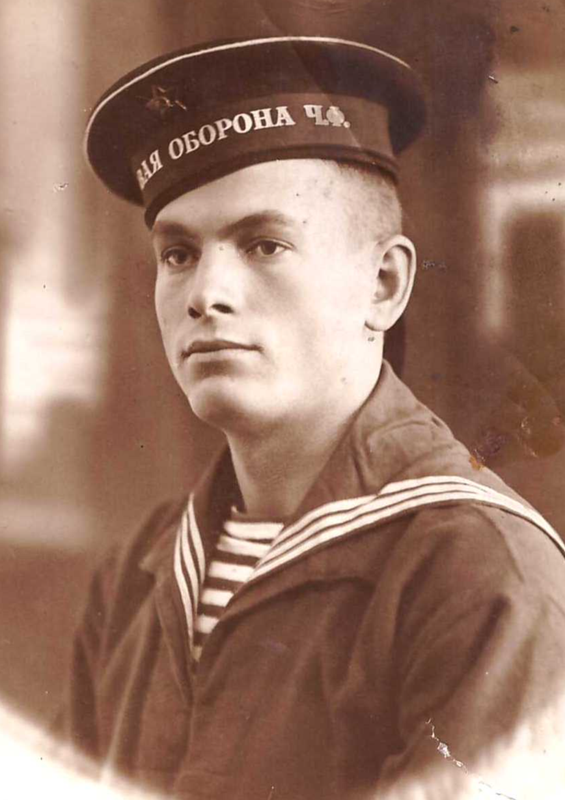
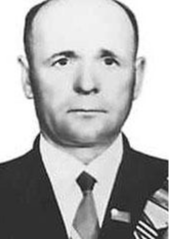
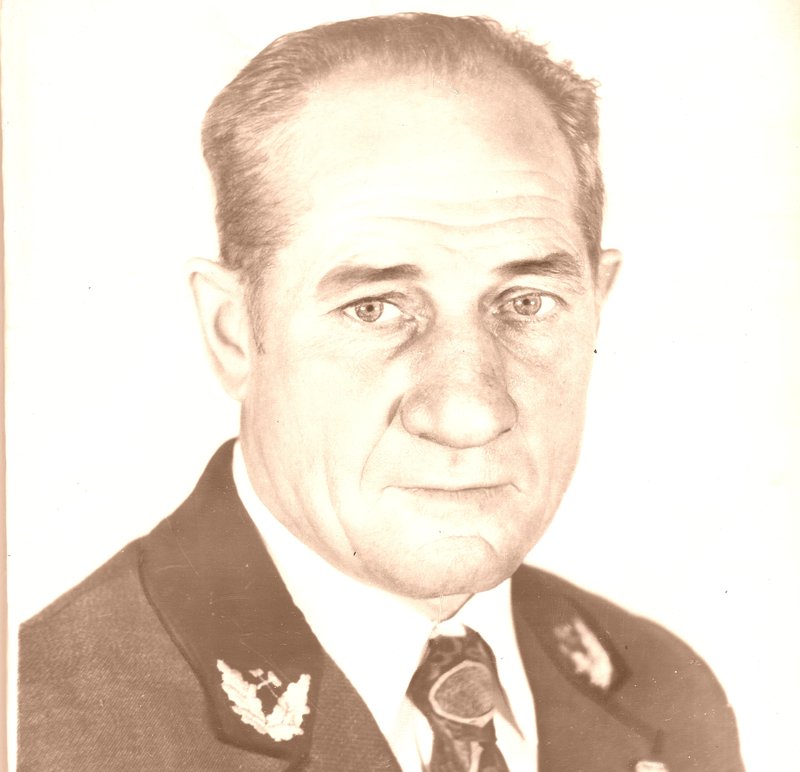
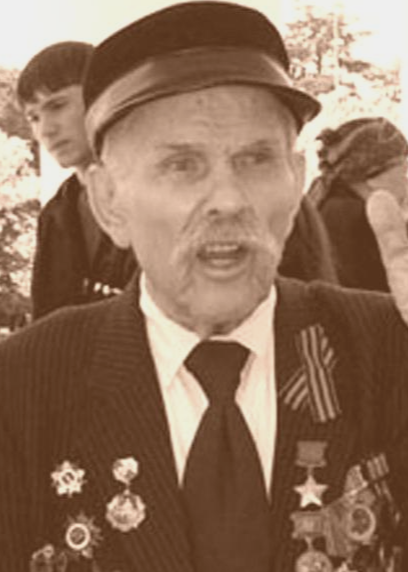
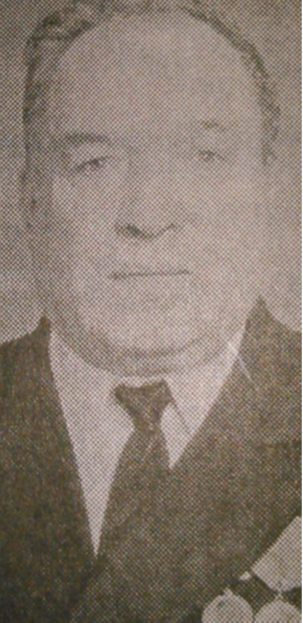
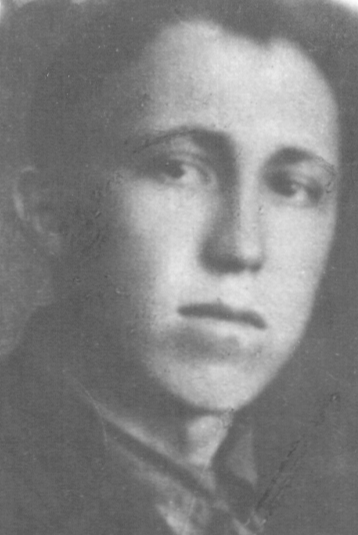
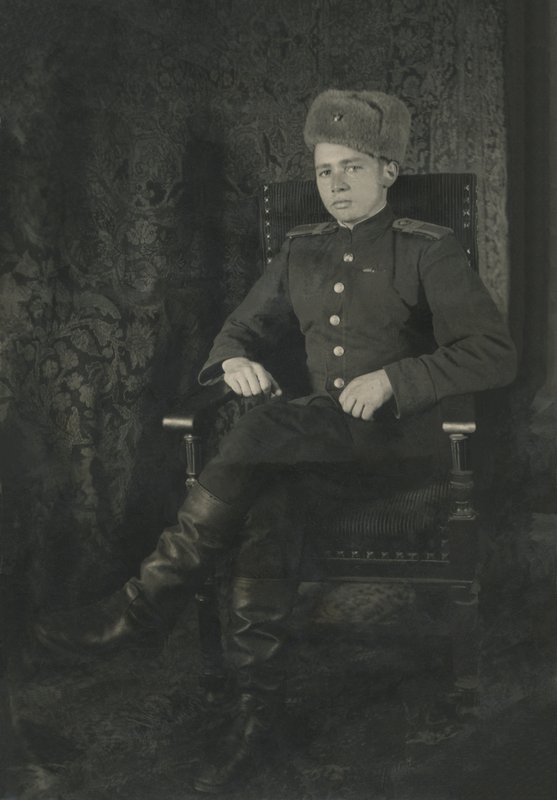
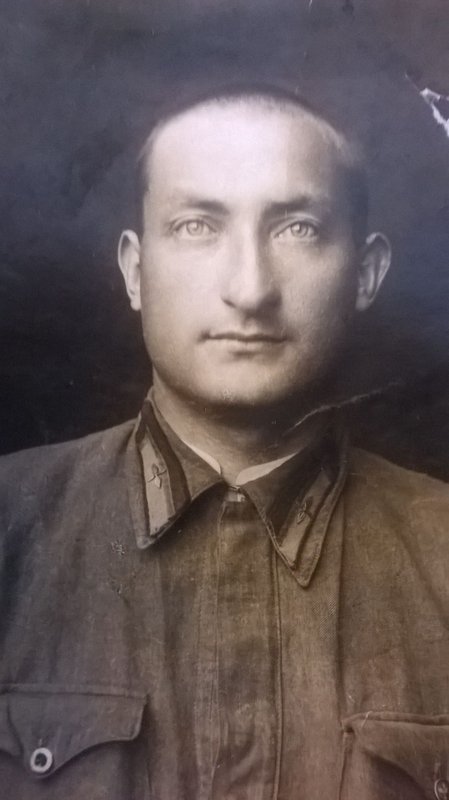
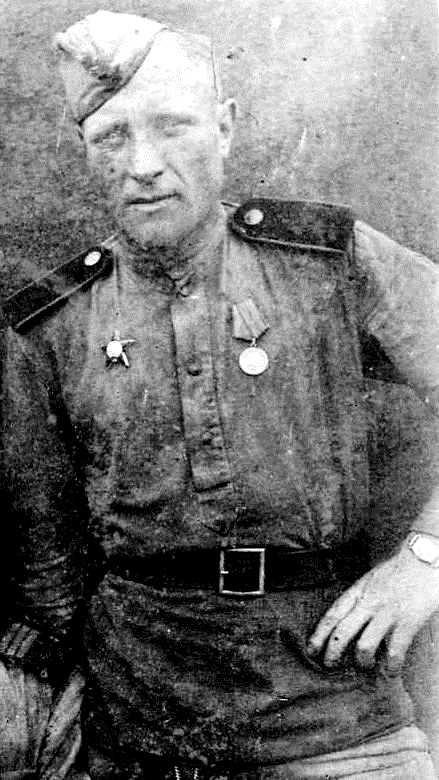
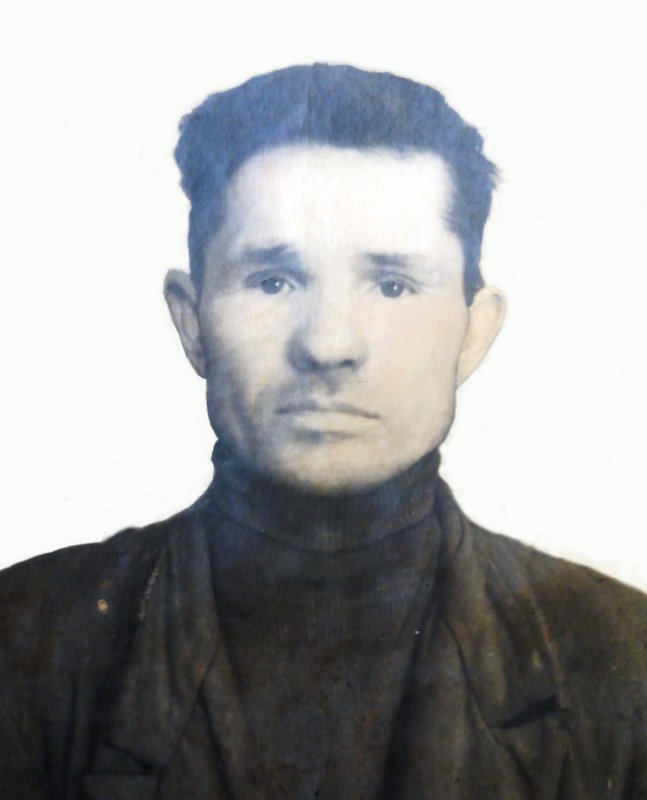
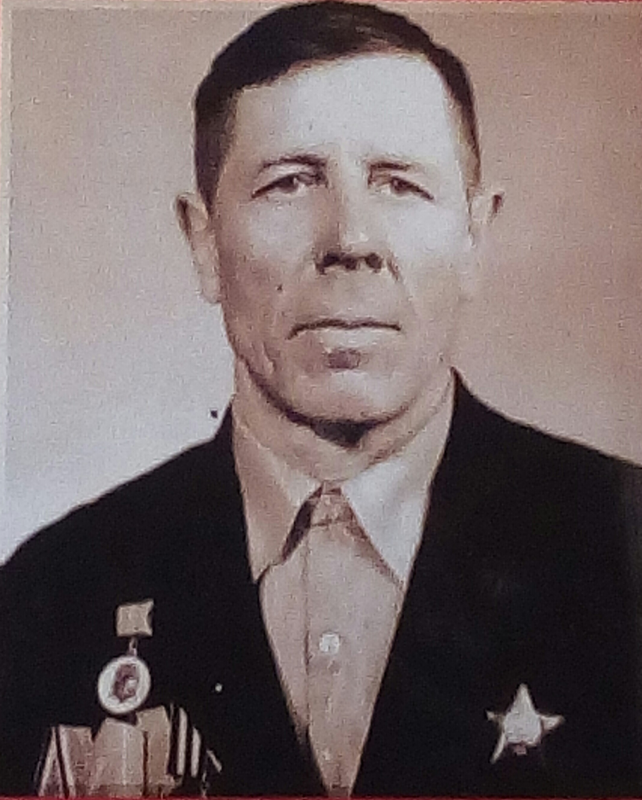
Gnilovsky Evgeny Mikhailovich
Born in an Russian Orthodox family. On February 13, 1913, he was baptized in the Trinity Cathedral in Stavropol. In 1935, he married and moved to the city of Bataysk for permanent residence. Eugene and his wife Vera, on the purchased land plot, on their own, built a stuffed house (reeds and clay), consisting of a corridor and 2 rooms with stove heating. Later, also on their own, the couple built an Adobe barn. The Gnilovsky house was equipped with electricity and radio communication. A well has been dug in the yard to collect water. In addition, the couple got a farm: a cow and 15 rabbits in several cages, which were made by the owner himself. Eugene had a good job in a building company located in Zheleznodorozhny district in Rostov-on-don, and his wife Vera was a housewife. In June 1941, the radio announced about the attack by fascist invaders on the borders of the USSR and the beginning of the war. Just the next day, a "horseman" rode through the streets of the town of Bataisk on a horse and delivered summonses to every house about the must to come to the city military enlistment office for further direction to the front. For about a month, initial military training was conducted for the entire male population of Bataysk town in the town Park. Men were trained to handle weapons, shoot targets, and march. Defenders of the Motherland were placed on a train, in freight wagons, popularly called "calves". And the train moved to the front. Around the beginning of October 1941, the Gnilovsky family received a notification that Yevgeny Mikhailovich Gnilovsky had gone missing on September 17, 1941. In accordance with the data of Control on account of the lost and missing privates and sergeant stuff of the Ministry of the Armed forces of the USSR, as well as the data of 221 Separate rifle Suvorov order battalion on August 26, 1946, stated that accordion to the credentials of 941 riffle Suvorov order regiment, there is no connection near Moscow with the private Gnilovsky Evgeny Mikhailovich on 19 July 1941; but since September 17, 1941 he was listed as missing and wanted. According to the data of the military Commissariat of Leningrad region for the city of Vyborg and the Vyborg district dated December 20, 2013, Gnilovsky Evgeny Mikhailovich, born in 1913, served in the 265 rifle division, part of the 941 rifle regiment, which in July-September 1941 fought in the Vyborg district near the settlements of Antrea, Sairala (now Kamennogorsk urban settlement). It is likely That Gnilovsky Yevgeny Mikhailovich went missing in one of the battles in the area. Later, his wife Vera, throughout her life, tried to find information about her husband, with the hope of at least finding a grave for bow.
Gnilovsky Evgeny Mikhailovich
Born in an Russian Orthodox family. On February 13, 1913, he was baptized in the Trinity Cathedral in Stavropol. In 1935, he married and moved to the city of Bataysk for permanent residence. Eugene and his wife Vera, on the purchased land plot, on their own, built a stuffed house (reeds and clay), consisting of a corridor and 2 rooms with stove heating. Later, also on their own, the couple built an Adobe barn. The Gnilovsky house was equipped with electricity and radio communication. A well has been dug in the yard to collect water. In addition, the couple got a farm: a cow and 15 rabbits in several cages, which were made by the owner himself. Eugene had a good job in a building company located in Zheleznodorozhny district in Rostov-on-don, and his wife Vera was a housewife. In June 1941, the radio announced about the attack by fascist invaders on the borders of the USSR and the beginning of the war. Just the next day, a "horseman" rode through the streets of the town of Bataisk on a horse and delivered summonses to every house about the must to come to the city military enlistment office for further direction to the front. For about a month, initial military training was conducted for the entire male population of Bataysk town in the town Park. Men were trained to handle weapons, shoot targets, and march. Defenders of the Motherland were placed on a train, in freight wagons, popularly called "calves". And the train moved to the front. Around the beginning of October 1941, the Gnilovsky family received a notification that Yevgeny Mikhailovich Gnilovsky had gone missing on September 17, 1941. In accordance with the data of Control on account of the lost and missing privates and sergeant stuff of the Ministry of the Armed forces of the USSR, as well as the data of 221 Separate rifle Suvorov order battalion on August 26, 1946, stated that accordion to the credentials of 941 riffle Suvorov order regiment, there is no connection near Moscow with the private Gnilovsky Evgeny Mikhailovich on 19 July 1941; but since September 17, 1941 he was listed as missing and wanted. According to the data of the military Commissariat of Leningrad region for the city of Vyborg and the Vyborg district dated December 20, 2013, Gnilovsky Evgeny Mikhailovich, born in 1913, served in the 265 rifle division, part of the 941 rifle regiment, which in July-September 1941 fought in the Vyborg district near the settlements of Antrea, Sairala (now Kamennogorsk urban settlement). It is likely That Gnilovsky Yevgeny Mikhailovich went missing in one of the battles in the area. Later, his wife Vera, throughout her life, tried to find information about her husband, with the hope of at least finding a grave for bow.
0 comment




2026 © Russian Military Historical Society Developed by Jetmix