Back to
album
album
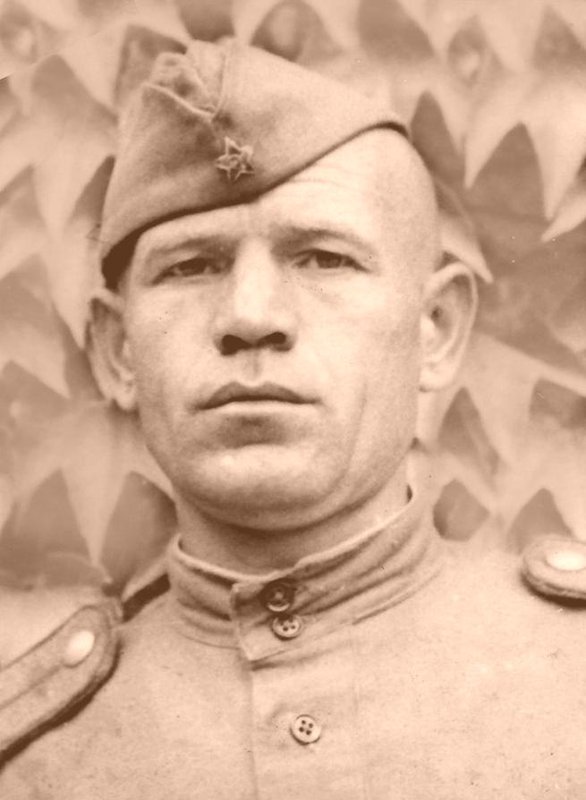
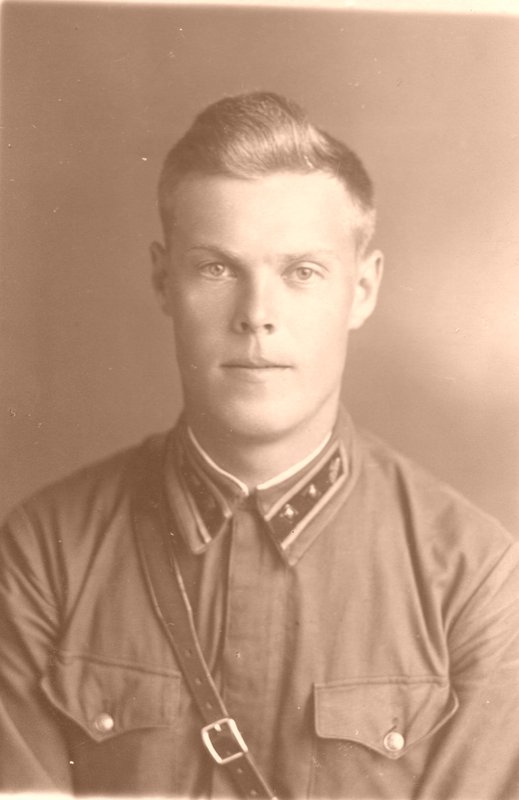
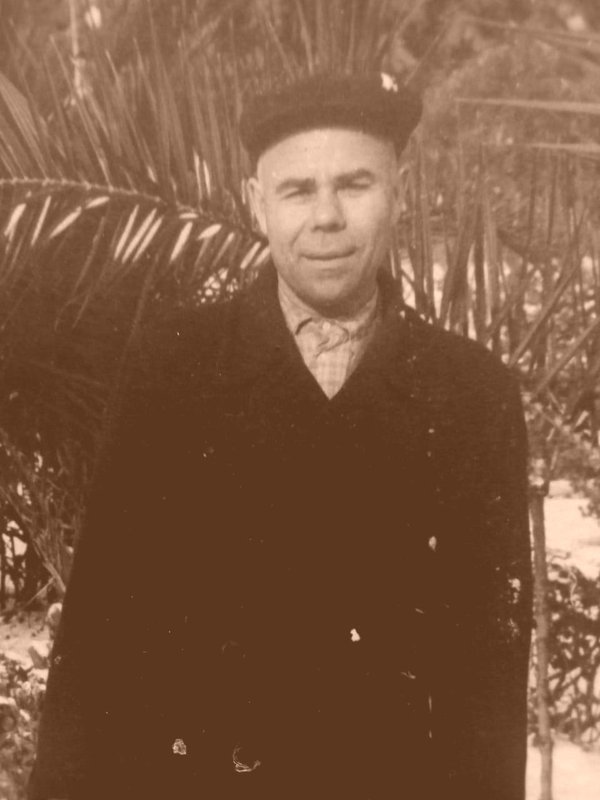
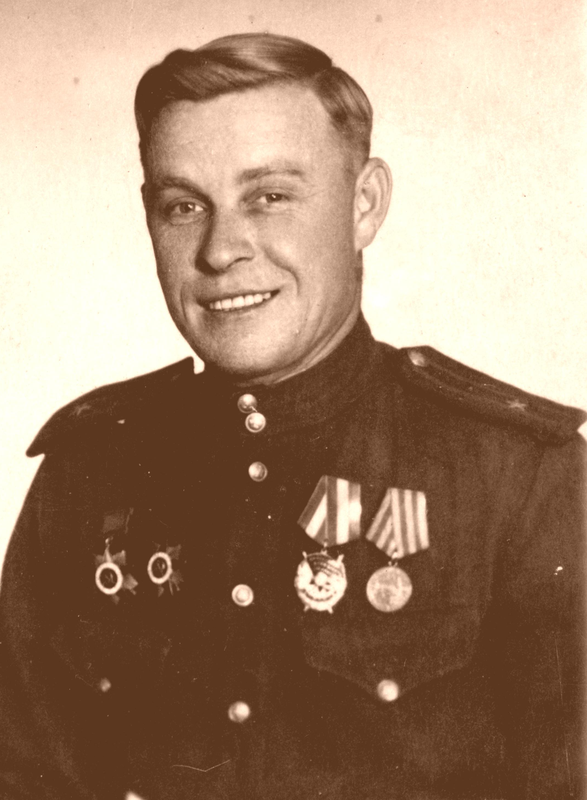
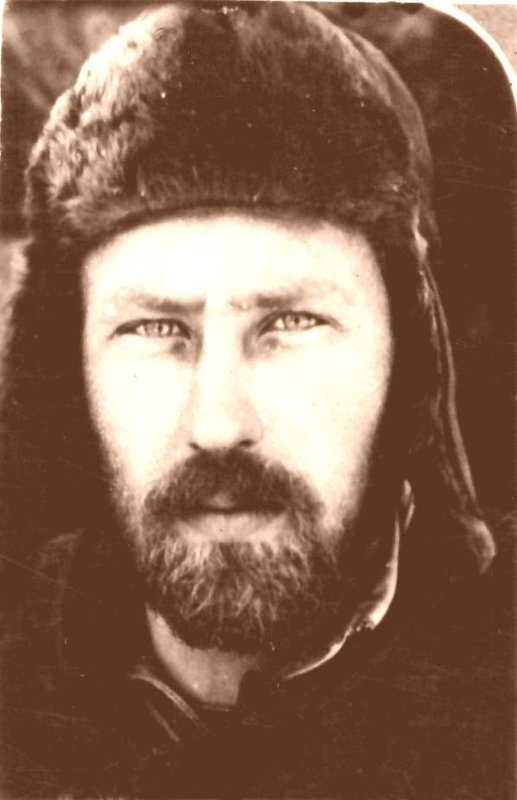
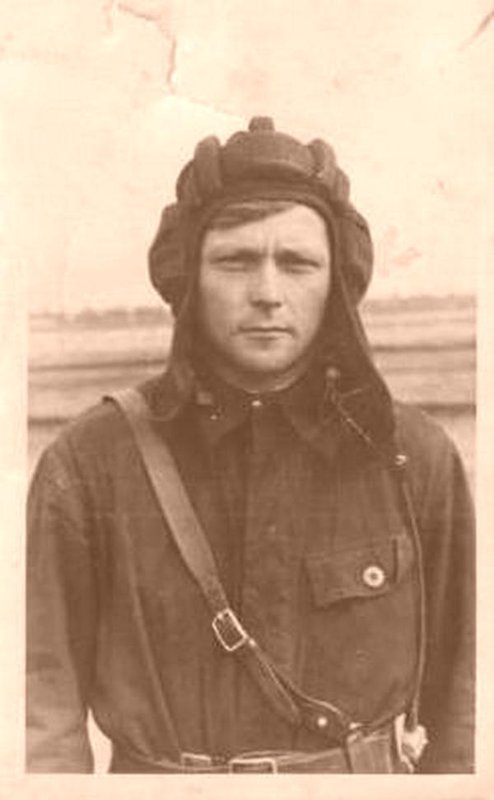
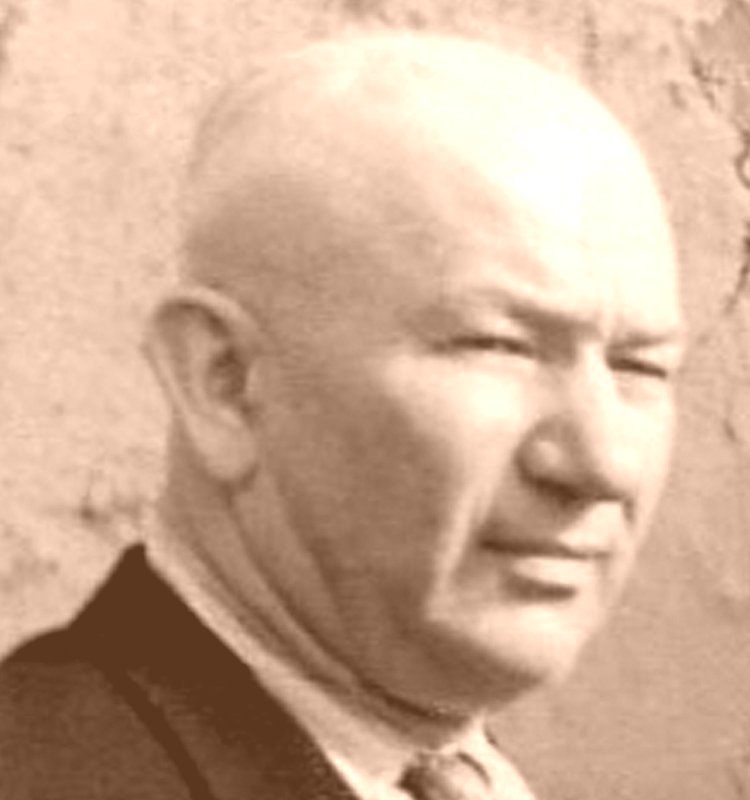
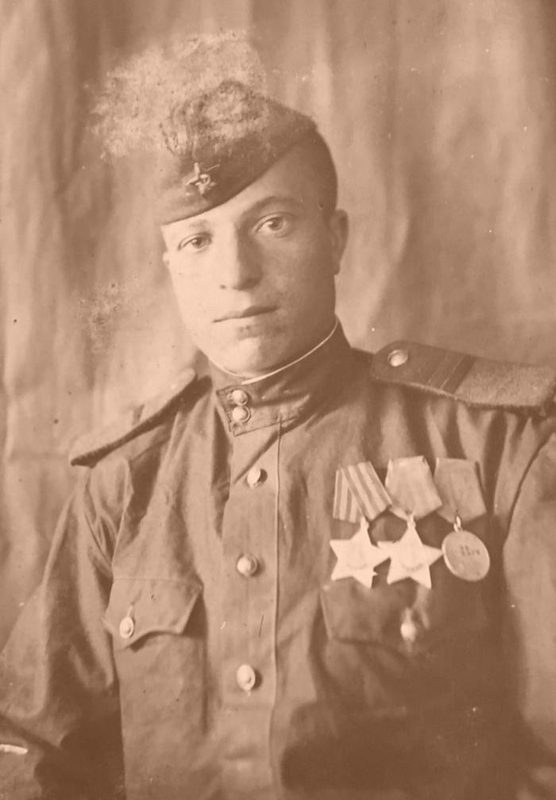
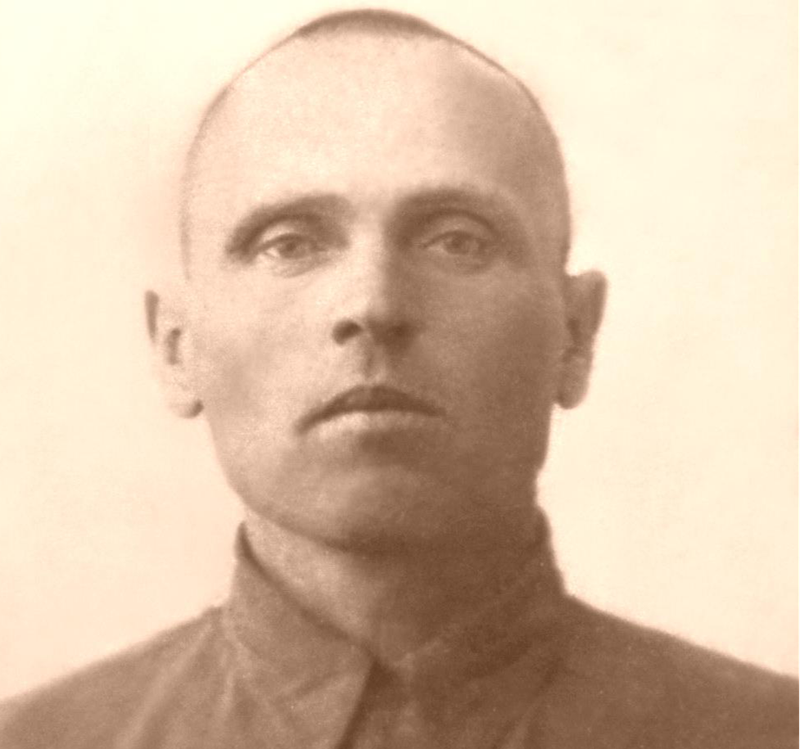
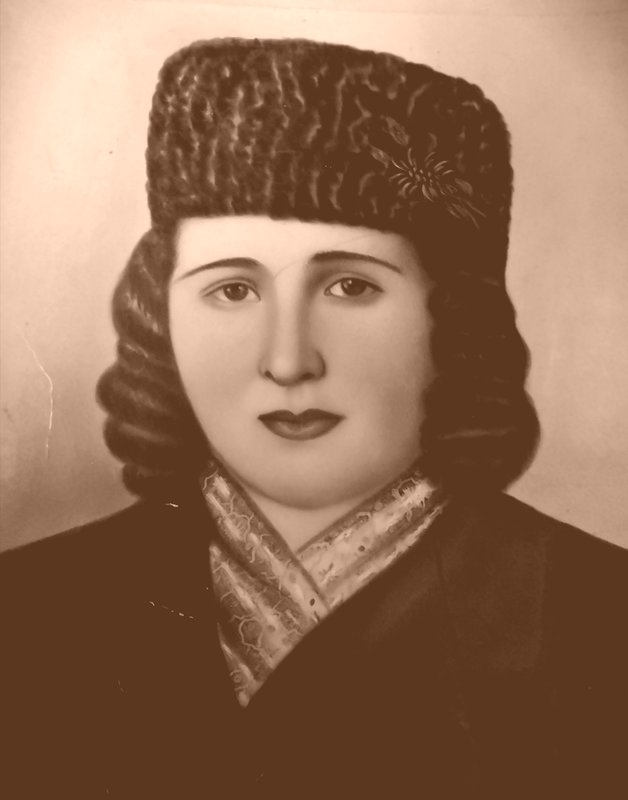
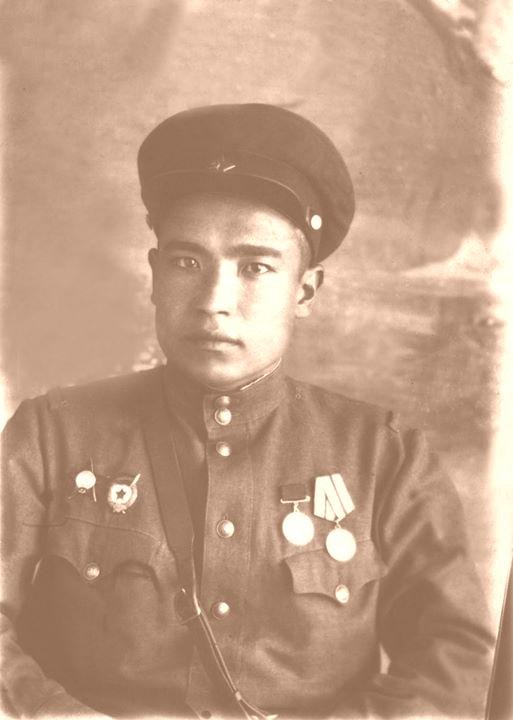
Nikolay Sivov
On that July morning, all the inhabitants of the village of Namakonovo, as usual, got up with the first roosters. There was a lot of work on the collective farm and one have to do everything in a day, but... at six o'clock in the morning on the radio came the terrible news - the war…
In the military enlistment office, the doors were not closed around the clock. One by one, my father and his brothers went to the front. At that time, Nikolay was just sixteen. With hope, he entered the military enlistment office. The military Commissar, having looked at the documents, said how he cut it off: "Young, we need them in the rear," and went about his business as if no one was in the room but him and his papers. "Young" was a word Nikolay had heard for almost a year, But his persistence was crowned with success. He received a summons.
At the beginning of 1942, Nikolay got near Irkutsk to the Malta station, where a regiment was being formed to be sent to the front. The regiment was lined up in the evening. The list that the chief of staff read out included Nikolay and his brother, so they found themselves in the Ulyanovsk Tank School. They studied hard, because all the cadets had a dream to get to the front as soon as possible.
In April 1944, they graduated from the school. Nikolai became a Second Lieutenant, and later a Deputy Company Commander.
The division, where Second Lieutenant Sivov arrived, was sent to the front immediately after formation. Upon arrival in the regiment, Nikolay's comrades came to the regiment commander, where the division commander, General A. Krasnov, was present at the time, with the only request that their tank be commanded by Nikolay Sivov… After listening carefully to the young guys, talking to Nikolay, and looking closely, the division commander appointed him a tank commander.
When our troops were finishing off the enemy in his own lair, the 371st Vitebsk Red Banner Rifle Division, in which Nikolay served, was transferred to the far East to fight the Japanese enemies in April 1945. They arrived at the city of Mudanzas. It was heavily fortified on one side and the other side was covered by a wide river Mudanzas. There was a reinforced concrete bridge across the river. The enemy used it to deliver military supplies and food to the city. The bridge played a very important role for the division, as every soldier understood. The road running along the river to the place was clearly visible and therefore was under fire from a rock that sagged over the river. The infantry could not pass this section of three or four kilometers long. Only tanks could pass through here. General A. Krasnov called to his tank commanders and asked: "Do you want to go to the head patrol to the bridge and hold out there until the rest of the forces arrive? It is a responsible task with a high risk”.
Everyone was willing to go! The commander of the regiment, after some considerations, decided to send Second Lieutenant N. Sivov and Second Lieutenant D. Makarov to the patrol. The crews were supplied with additional ammunition. Nikolay Sivov was appointed a leader. The guys agreed that the tanks should not lag behind each other and could skip this segment at maximum speed.
They got through…
They fired from all types of weapons. Now the had to wait for the arrival of the rest of the forces.
Hold on…
These were difficult hours of battle for both crews. Communication with the regiment commander was not stable. Nikolay reported that the battle continued and they were waiting for reinforcements, but they did not arrive soon. After two of our tanks got through, the enemy blew up the rock and it cut off the path to the bridge. Nikolay understood this perfectly, and the connection with the regimental commander was cut off abruptly.
They were running out of ammunition, but had to hold on. They were already shooting from machine guns. Twas no communication. All guys made a decision at the end of ammunition to blow up themselves and tanks, but not to surrender!
They did not have to do that. Having cleared the road, the regiment made it in time. The bridge was intact. The city was completely liberated.
For this feat, by decree of the Presidium of the Supreme Soviet of the USSR, the crews of Second Lieutenant N. Sivov and D. Makarov were awarded the Orders of the Red Star.
A day later, the radio brought good news about the end of the war.
During the war, Nikolay Sivov was awarded Orders of the Red Star, Patriotic War of 1st degree and the Great Patriotic war 2nd degree , the Medals of Marshal Zhukov, For Military Merit, For the Victory over Japan, a number of other medals, and a sign Veteran of 1941-1945.
Captain N. Sivov continued to perform difficult but honorable service as a tank officer after the war.
Injuries at the front, sleepless nights, attacks - all this did not pass without a trace. In 1958, Major N. Sivov retired from the Soviet army.
Nikolay Sivov
On that July morning, all the inhabitants of the village of Namakonovo, as usual, got up with the first roosters. There was a lot of work on the collective farm and one have to do everything in a day, but... at six o'clock in the morning on the radio came the terrible news - the war…
In the military enlistment office, the doors were not closed around the clock. One by one, my father and his brothers went to the front. At that time, Nikolay was just sixteen. With hope, he entered the military enlistment office. The military Commissar, having looked at the documents, said how he cut it off: "Young, we need them in the rear," and went about his business as if no one was in the room but him and his papers. "Young" was a word Nikolay had heard for almost a year, But his persistence was crowned with success. He received a summons.
At the beginning of 1942, Nikolay got near Irkutsk to the Malta station, where a regiment was being formed to be sent to the front. The regiment was lined up in the evening. The list that the chief of staff read out included Nikolay and his brother, so they found themselves in the Ulyanovsk Tank School. They studied hard, because all the cadets had a dream to get to the front as soon as possible.
In April 1944, they graduated from the school. Nikolai became a Second Lieutenant, and later a Deputy Company Commander.
The division, where Second Lieutenant Sivov arrived, was sent to the front immediately after formation. Upon arrival in the regiment, Nikolay's comrades came to the regiment commander, where the division commander, General A. Krasnov, was present at the time, with the only request that their tank be commanded by Nikolay Sivov… After listening carefully to the young guys, talking to Nikolay, and looking closely, the division commander appointed him a tank commander.
When our troops were finishing off the enemy in his own lair, the 371st Vitebsk Red Banner Rifle Division, in which Nikolay served, was transferred to the far East to fight the Japanese enemies in April 1945. They arrived at the city of Mudanzas. It was heavily fortified on one side and the other side was covered by a wide river Mudanzas. There was a reinforced concrete bridge across the river. The enemy used it to deliver military supplies and food to the city. The bridge played a very important role for the division, as every soldier understood. The road running along the river to the place was clearly visible and therefore was under fire from a rock that sagged over the river. The infantry could not pass this section of three or four kilometers long. Only tanks could pass through here. General A. Krasnov called to his tank commanders and asked: "Do you want to go to the head patrol to the bridge and hold out there until the rest of the forces arrive? It is a responsible task with a high risk”.
Everyone was willing to go! The commander of the regiment, after some considerations, decided to send Second Lieutenant N. Sivov and Second Lieutenant D. Makarov to the patrol. The crews were supplied with additional ammunition. Nikolay Sivov was appointed a leader. The guys agreed that the tanks should not lag behind each other and could skip this segment at maximum speed.
They got through…
They fired from all types of weapons. Now the had to wait for the arrival of the rest of the forces.
Hold on…
These were difficult hours of battle for both crews. Communication with the regiment commander was not stable. Nikolay reported that the battle continued and they were waiting for reinforcements, but they did not arrive soon. After two of our tanks got through, the enemy blew up the rock and it cut off the path to the bridge. Nikolay understood this perfectly, and the connection with the regimental commander was cut off abruptly.
They were running out of ammunition, but had to hold on. They were already shooting from machine guns. Twas no communication. All guys made a decision at the end of ammunition to blow up themselves and tanks, but not to surrender!
They did not have to do that. Having cleared the road, the regiment made it in time. The bridge was intact. The city was completely liberated.
For this feat, by decree of the Presidium of the Supreme Soviet of the USSR, the crews of Second Lieutenant N. Sivov and D. Makarov were awarded the Orders of the Red Star.
A day later, the radio brought good news about the end of the war.
During the war, Nikolay Sivov was awarded Orders of the Red Star, Patriotic War of 1st degree and the Great Patriotic war 2nd degree , the Medals of Marshal Zhukov, For Military Merit, For the Victory over Japan, a number of other medals, and a sign Veteran of 1941-1945.
Captain N. Sivov continued to perform difficult but honorable service as a tank officer after the war.
Injuries at the front, sleepless nights, attacks - all this did not pass without a trace. In 1958, Major N. Sivov retired from the Soviet army.
0 comment




2026 © Russian Military Historical Society Developed by Jetmix