Back to
album
album
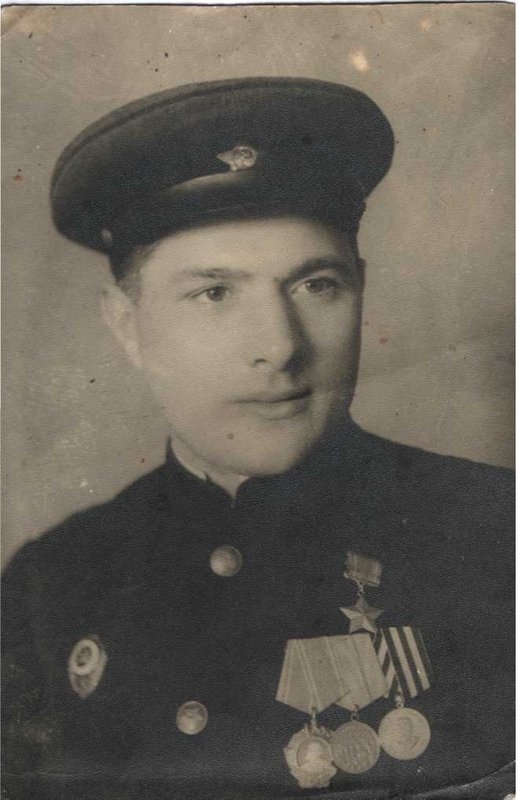
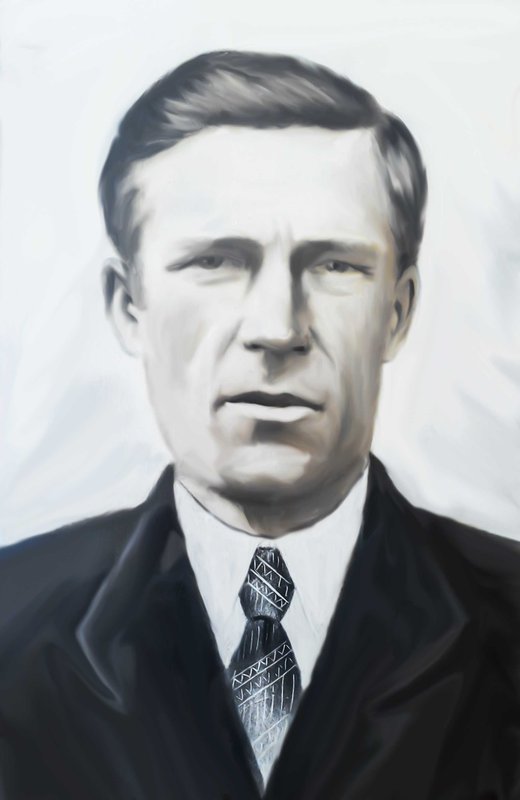
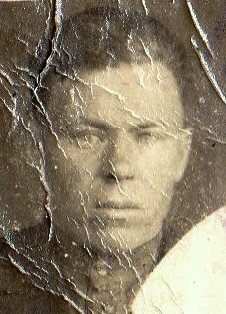
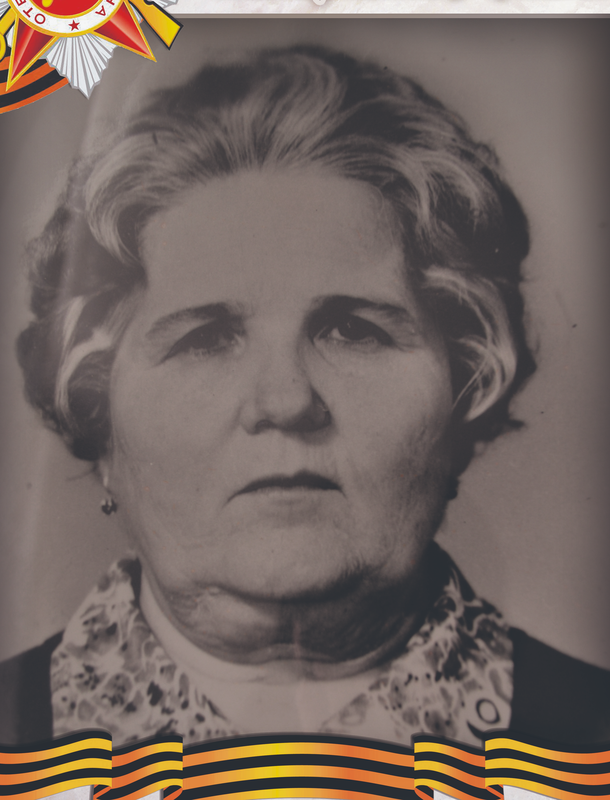
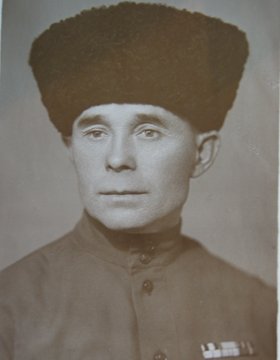
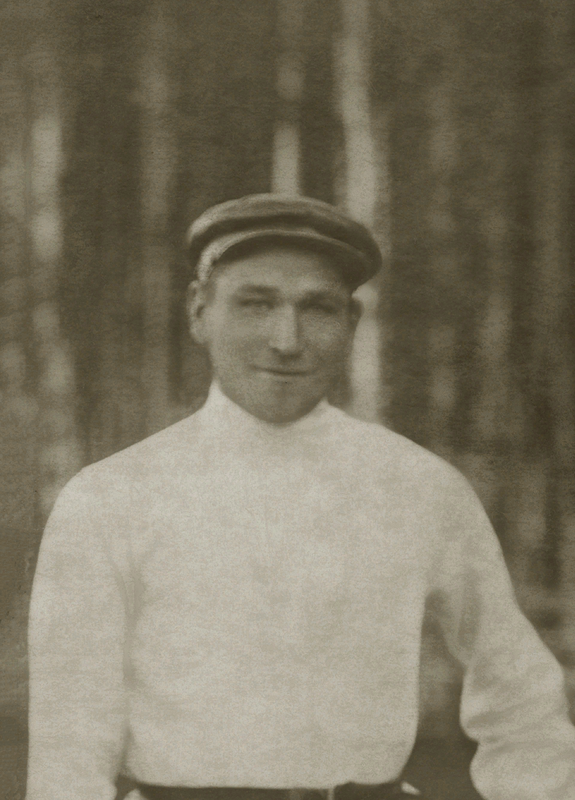
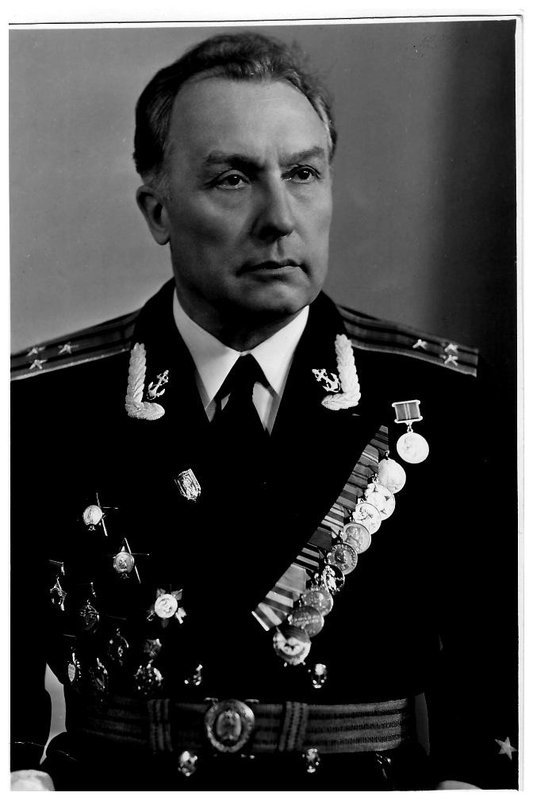
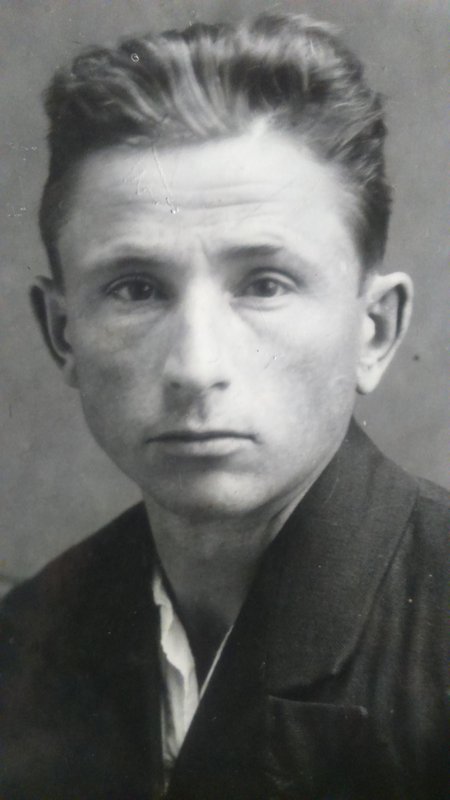
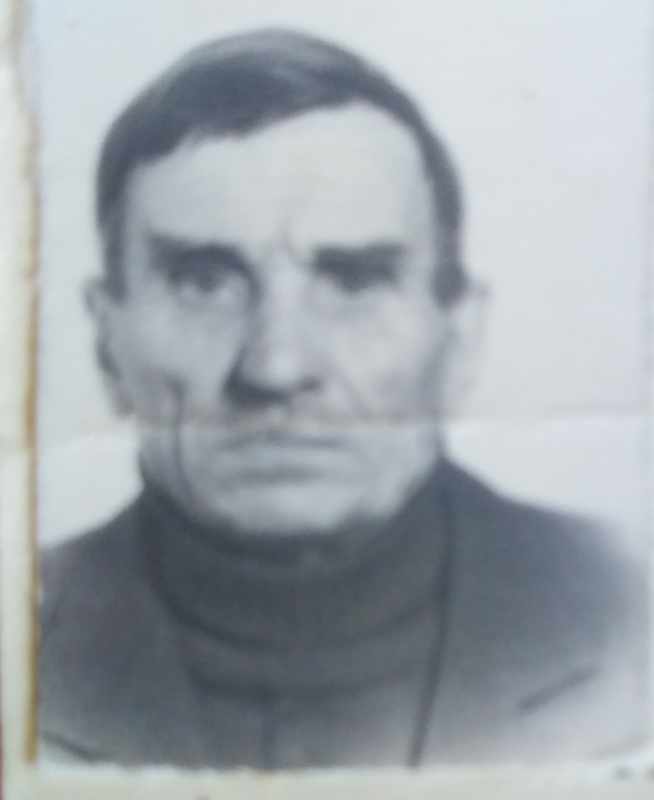

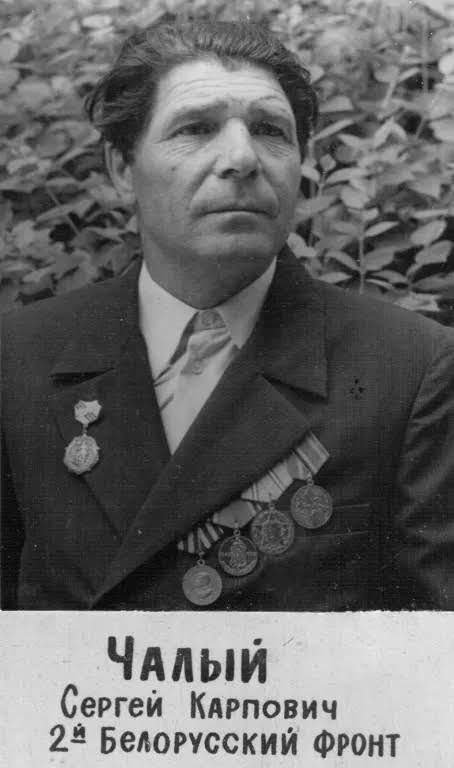
Smirnov, Pavel Pavlovich
Smirnov Pavel Pavlovich was born in 1913 in the village of Pestovo, Tver province, Staritsk District of the Darskaya volost (now the village of Pestovo, Torzhok District, Tver Region). Smirnov P.P. drafted to the front in June 1941 by the Vysokovskiy District Military Commissariat of the Kalinin Region. Before, Smirnov P.P. actually lived in the village of Bukontovo, Torzhok District, Kalinin Region. _x000D_
Smirnov Pavel went missing in March 1943. Memories of a soldier. Some words about him are written by his son Viktor Pavlovich Smirnov: “Before the war, my father worked in a kolkhoz, herding horses, looking after an apiary, did some carpentry work. He was a master in carpentry. He was drafted to the front in the first days of the war. Until 1933, our family lived on the Abukhovo farm near the village of Tesmino. After the liquidation of the farmsteads, we moved to the Bukontovo village of the Torzhok District of the Tver Region, where there were twenty-five households. Our family was given a separate house. Mother worked on a pig farm, but also managed to do everything around the house . And the farmstead was considerable: a cow, a pig, chickens and a horse. There were four children in the family. The eldest daughter was the mother's main assistant. The kolkhoz ”thundered" before the war. Received high yields. The calves were kept for fattening. There were two apple orchards. Even the earned workdays were “bought” with fruits. And no one then could have guessed that on one sunny summer day everything would collapse. I learned about the Nazi attack from my father. Before leaving for the front, he hugged us all tightly. Mom cried, looking at the children. Father, as he could, reassured everyone. The whole family went to see our folder off. Many people gathered around the church. There are tears in my eyes and barely audible sobs. The men were taken on carts into the unknown. The villagers ran after them for a long time. Father managed to shout to us to take care of mother, help and obey her in everything. At that time, we somehow grew up immediately. And our children's shoulders have laid the burdens of life. They worked in the field along with the adults, earning workdays. The front was approaching rapidly. _x000D_
The village of Stanishino, which was located seven kilometers from the village of Bukontovo, was already bombed. Residents were evacuated to the village of Troitskoye. But on the way we got bombed. I had to go back. The Germans were everywhere. Our house burned down. Then our neighbor old man Guryan let us in. The Germans slaughtered pigs, took away warm clothes. Fortunately, they did not manage for long. _x000D_
On the night of Christmas, from 24 to 25 December 1941, from the front of Stanishino and Sreznevo, two ski battalions of the Red Army went into the rear of the German garrison. As a result of the night combat, our village was liberated. After the expulsion of the fascists, people gradually came to their senses. It was hard for everyone. We worked seven days a week. And we remembered father's order to help mother. A misfortune happened to her, froze bit her hand, she was rescued by doctors from the Medical Battalion, which was in the village of Dudorovo. We ate very poorly. The mother used to make cakes from clover heads. We ate frozen potatoes. Berries and mushrooms helped out. Soon our family was overtaken by the first grief, my brother and older sister died. In 1943 my mother, I and my younger brother moved to the village of Zhilkino. There, in the kolkhoz, I began working in a blacksmith as an assistant to a hammer. The death notice came for the father, bringing a new grief. Mom sat down on a chair and was silent for a long time, looking somewhere into the distance. And then she began to cry. I am very sad that my father never returned home. And my mother died in 1984. Life flows fast like a river. And how I want to slow down her run. So I already have great-grandchildren and grandchildren. I want them to live peacefully, love their homeland, for which my father died.
Smirnov, Pavel Pavlovich
Smirnov Pavel Pavlovich was born in 1913 in the village of Pestovo, Tver province, Staritsk District of the Darskaya volost (now the village of Pestovo, Torzhok District, Tver Region). Smirnov P.P. drafted to the front in June 1941 by the Vysokovskiy District Military Commissariat of the Kalinin Region. Before, Smirnov P.P. actually lived in the village of Bukontovo, Torzhok District, Kalinin Region. _x000D_
Smirnov Pavel went missing in March 1943. Memories of a soldier. Some words about him are written by his son Viktor Pavlovich Smirnov: “Before the war, my father worked in a kolkhoz, herding horses, looking after an apiary, did some carpentry work. He was a master in carpentry. He was drafted to the front in the first days of the war. Until 1933, our family lived on the Abukhovo farm near the village of Tesmino. After the liquidation of the farmsteads, we moved to the Bukontovo village of the Torzhok District of the Tver Region, where there were twenty-five households. Our family was given a separate house. Mother worked on a pig farm, but also managed to do everything around the house . And the farmstead was considerable: a cow, a pig, chickens and a horse. There were four children in the family. The eldest daughter was the mother's main assistant. The kolkhoz ”thundered" before the war. Received high yields. The calves were kept for fattening. There were two apple orchards. Even the earned workdays were “bought” with fruits. And no one then could have guessed that on one sunny summer day everything would collapse. I learned about the Nazi attack from my father. Before leaving for the front, he hugged us all tightly. Mom cried, looking at the children. Father, as he could, reassured everyone. The whole family went to see our folder off. Many people gathered around the church. There are tears in my eyes and barely audible sobs. The men were taken on carts into the unknown. The villagers ran after them for a long time. Father managed to shout to us to take care of mother, help and obey her in everything. At that time, we somehow grew up immediately. And our children's shoulders have laid the burdens of life. They worked in the field along with the adults, earning workdays. The front was approaching rapidly. _x000D_
The village of Stanishino, which was located seven kilometers from the village of Bukontovo, was already bombed. Residents were evacuated to the village of Troitskoye. But on the way we got bombed. I had to go back. The Germans were everywhere. Our house burned down. Then our neighbor old man Guryan let us in. The Germans slaughtered pigs, took away warm clothes. Fortunately, they did not manage for long. _x000D_
On the night of Christmas, from 24 to 25 December 1941, from the front of Stanishino and Sreznevo, two ski battalions of the Red Army went into the rear of the German garrison. As a result of the night combat, our village was liberated. After the expulsion of the fascists, people gradually came to their senses. It was hard for everyone. We worked seven days a week. And we remembered father's order to help mother. A misfortune happened to her, froze bit her hand, she was rescued by doctors from the Medical Battalion, which was in the village of Dudorovo. We ate very poorly. The mother used to make cakes from clover heads. We ate frozen potatoes. Berries and mushrooms helped out. Soon our family was overtaken by the first grief, my brother and older sister died. In 1943 my mother, I and my younger brother moved to the village of Zhilkino. There, in the kolkhoz, I began working in a blacksmith as an assistant to a hammer. The death notice came for the father, bringing a new grief. Mom sat down on a chair and was silent for a long time, looking somewhere into the distance. And then she began to cry. I am very sad that my father never returned home. And my mother died in 1984. Life flows fast like a river. And how I want to slow down her run. So I already have great-grandchildren and grandchildren. I want them to live peacefully, love their homeland, for which my father died.
0 comment




2026 © Russian Military Historical Society Developed by Jetmix