Back to
album
album
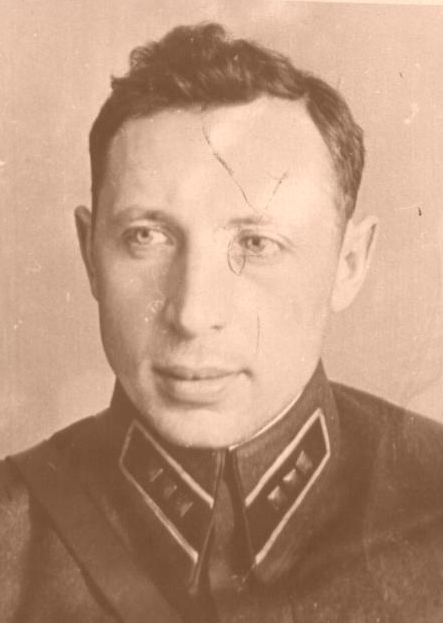
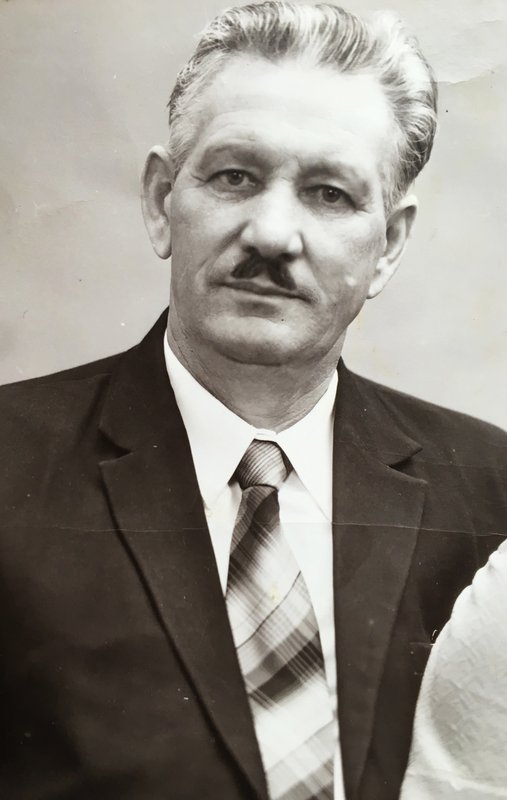
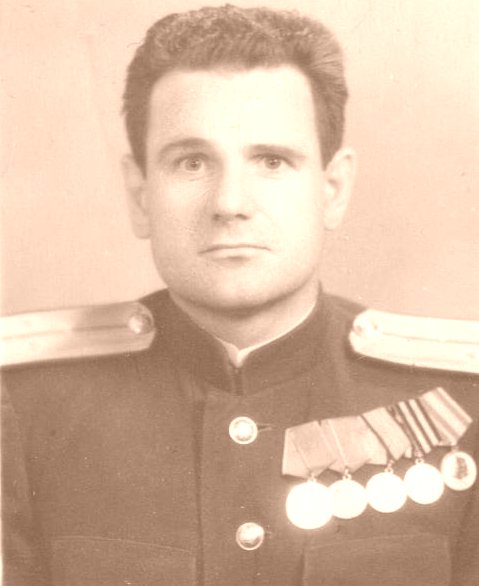
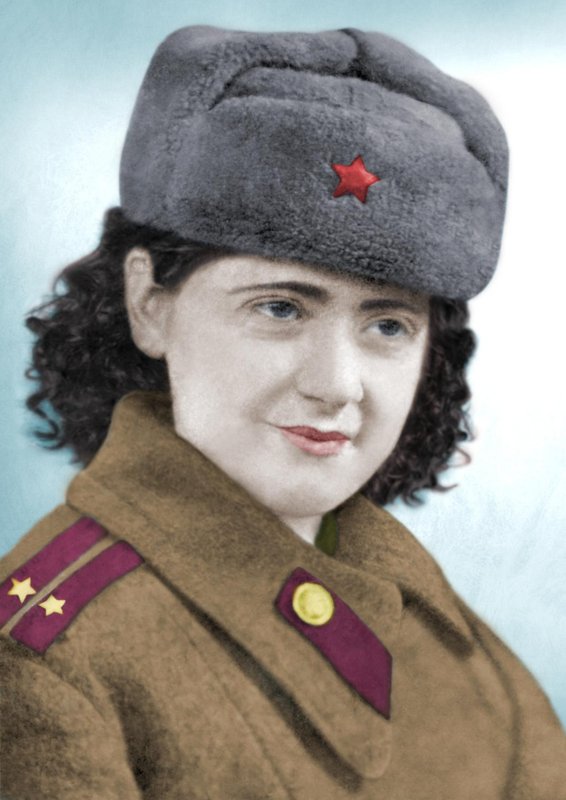
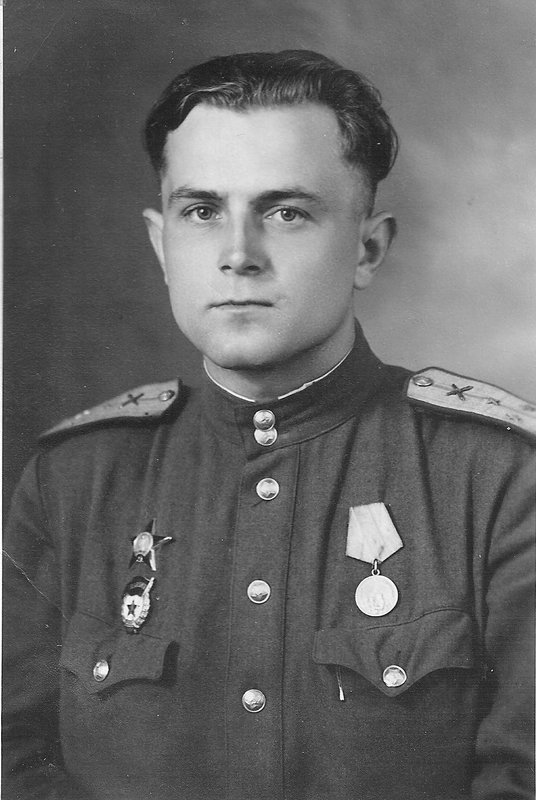
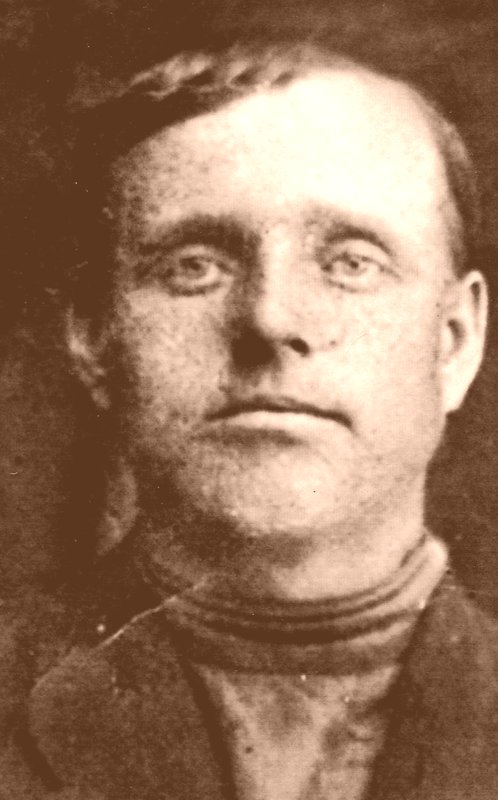
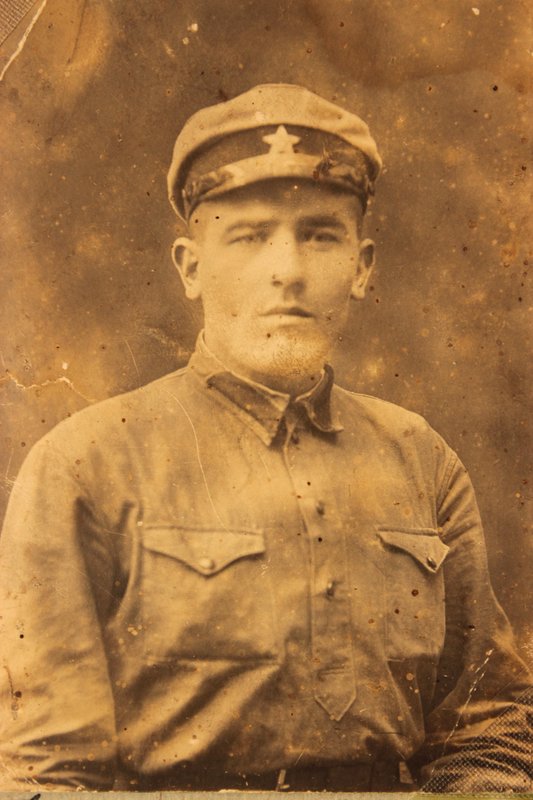
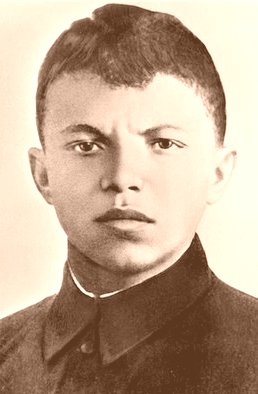
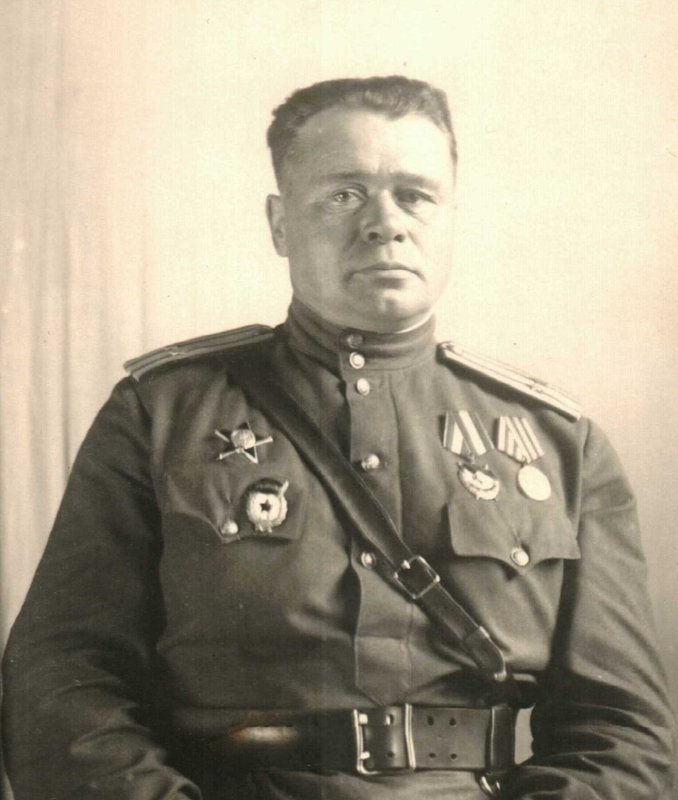
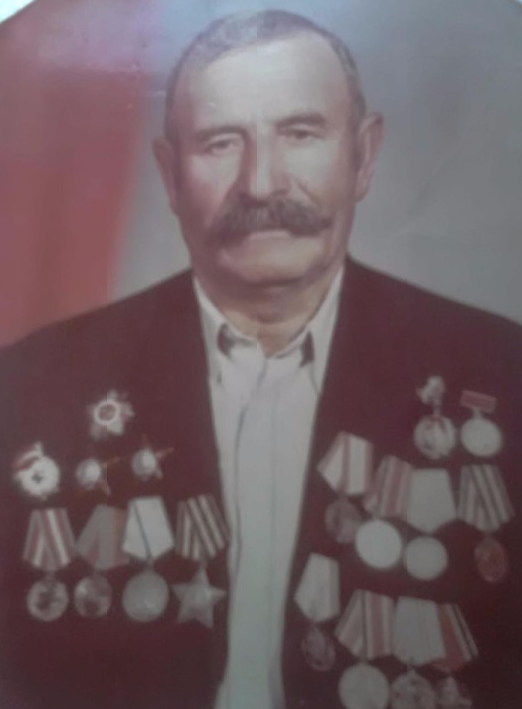
Mikhail Malykh
Date of birth: 11.10.1901_x000D_
Date of death: 27.12.1941_x000D_
History:_x000D_
Mikhail Malykh was born on October 11, 1901 in the village of Karinsky Perevoz, Slobodskiy District, Kirov Region._x000D_
He was drafted into the Red Army in September 1941 by the Slobodskiy District Military Commissariat, and was trained in the city of Rybinsk, Yaroslavl Region, until December 6, 1941._x000D_
He went to the front immediately after training in the Kalinin region of the Torzhok District (now Tver Region) as a Rifleman of the 1186th Regiment of the 355th Rifle Division. That fight was his first and last one._x000D_
In the twenties of December, the 355th Rifle Division arrived at the Kalinin front. By December 25, the division arrived by forced March through Torzhok and concentrated in the forest in the area of Ryabinikha. The village of Riabiniha was a heavily fortified region. The Germans fortified the settlement for 3 months and built 40 bunkers and 30 dugouts. In addition, the houses were adapted for long-term defense; the approaches were mined and covered by mortar fire._x000D_
At dawn on December 26, interacting with other parts of the army, the division took its first battle at the village of Ryabinikha in the Torzhovsky District. The breakthrough of this fortified region was extremely important. By the evening of December 27, 1941, the village of Ryabinikha was taken, all enemy bunkers were suppressed, the defense was broken, the enemy fled in panic, throwing machine guns and cannons. In total, up to 2 companies of enemy infantry were destroyed near the village, and trophies were captured: 35 machine guns, 40 submachine guns, 4 cannons, and a lot of ammunition._x000D_
At that time, there were severe frosts. Uniforms did not match the weather conditions._x000D_
Mikhail, judging by the injuries found during the excavation of his remains in a mass grave, most likely died on December 27, as a result of close combat with the enemy, when they reached the German trenches. After the battle, the bodies of the dead were simply carried to one place. They were not buried in the ground, as it was supposed to be._x000D_
Then there was a real meat grinder, and therefore information about the dead soldiers was very scarce. Therefore, Mikhail, as well as many soldiers from this regiment, was considered missing.
Mikhail Malykh
Date of birth: 11.10.1901_x000D_
Date of death: 27.12.1941_x000D_
History:_x000D_
Mikhail Malykh was born on October 11, 1901 in the village of Karinsky Perevoz, Slobodskiy District, Kirov Region._x000D_
He was drafted into the Red Army in September 1941 by the Slobodskiy District Military Commissariat, and was trained in the city of Rybinsk, Yaroslavl Region, until December 6, 1941._x000D_
He went to the front immediately after training in the Kalinin region of the Torzhok District (now Tver Region) as a Rifleman of the 1186th Regiment of the 355th Rifle Division. That fight was his first and last one._x000D_
In the twenties of December, the 355th Rifle Division arrived at the Kalinin front. By December 25, the division arrived by forced March through Torzhok and concentrated in the forest in the area of Ryabinikha. The village of Riabiniha was a heavily fortified region. The Germans fortified the settlement for 3 months and built 40 bunkers and 30 dugouts. In addition, the houses were adapted for long-term defense; the approaches were mined and covered by mortar fire._x000D_
At dawn on December 26, interacting with other parts of the army, the division took its first battle at the village of Ryabinikha in the Torzhovsky District. The breakthrough of this fortified region was extremely important. By the evening of December 27, 1941, the village of Ryabinikha was taken, all enemy bunkers were suppressed, the defense was broken, the enemy fled in panic, throwing machine guns and cannons. In total, up to 2 companies of enemy infantry were destroyed near the village, and trophies were captured: 35 machine guns, 40 submachine guns, 4 cannons, and a lot of ammunition._x000D_
At that time, there were severe frosts. Uniforms did not match the weather conditions._x000D_
Mikhail, judging by the injuries found during the excavation of his remains in a mass grave, most likely died on December 27, as a result of close combat with the enemy, when they reached the German trenches. After the battle, the bodies of the dead were simply carried to one place. They were not buried in the ground, as it was supposed to be._x000D_
Then there was a real meat grinder, and therefore information about the dead soldiers was very scarce. Therefore, Mikhail, as well as many soldiers from this regiment, was considered missing.
0 comment




2026 © Russian Military Historical Society Developed by Jetmix