Back to
album
album
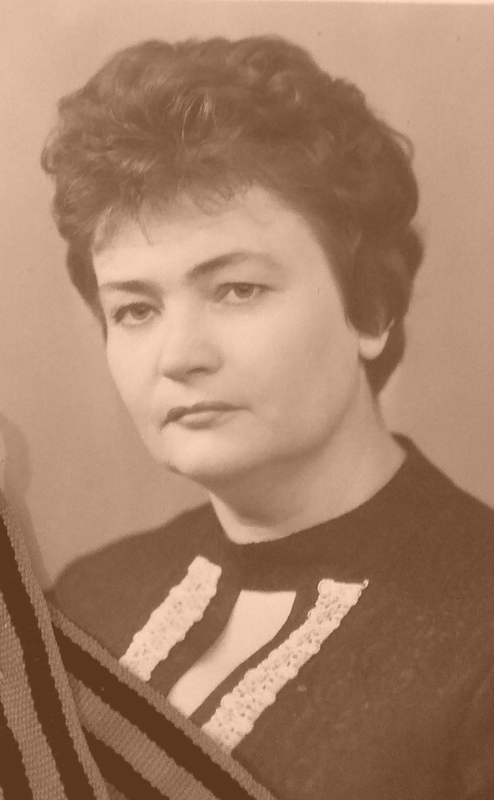
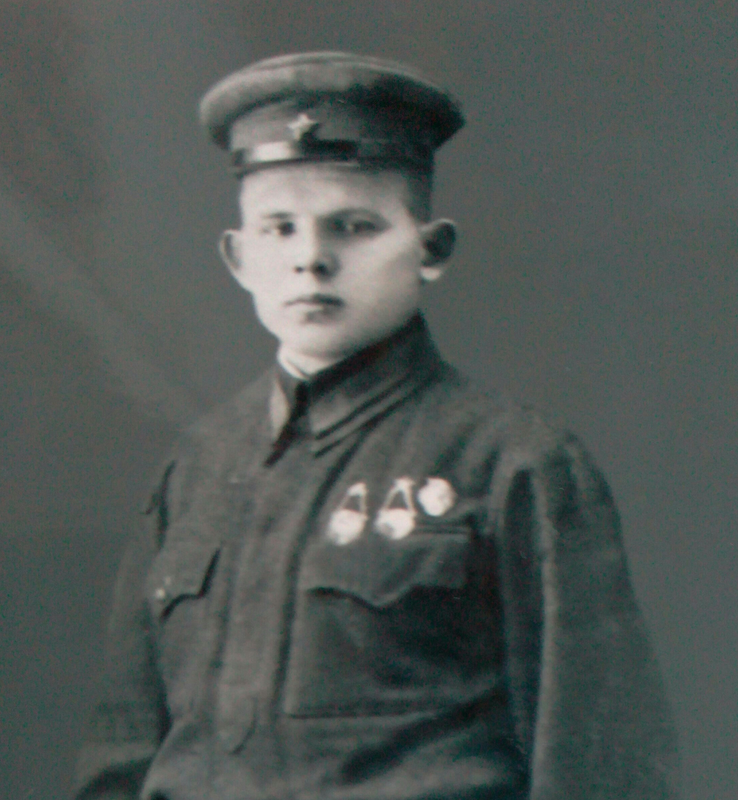
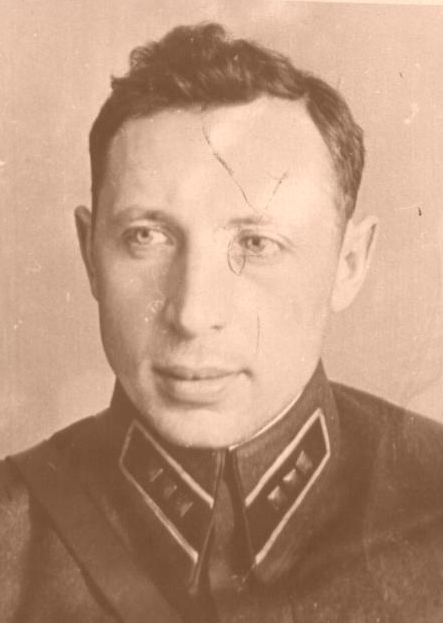
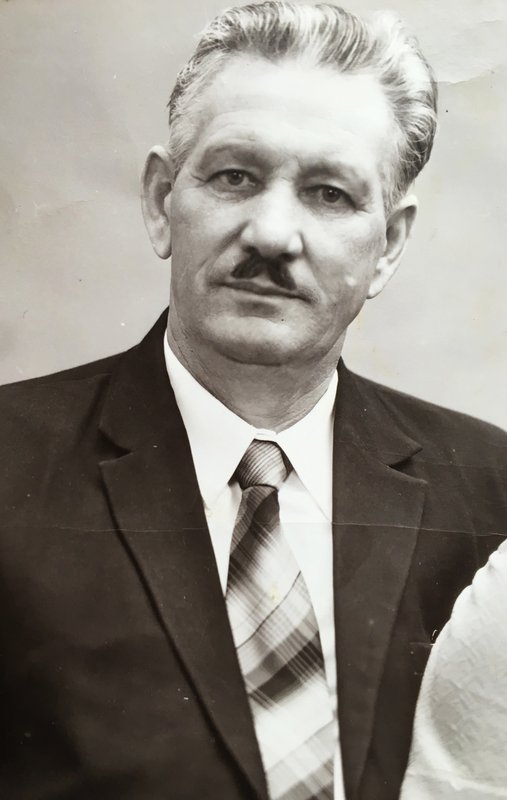
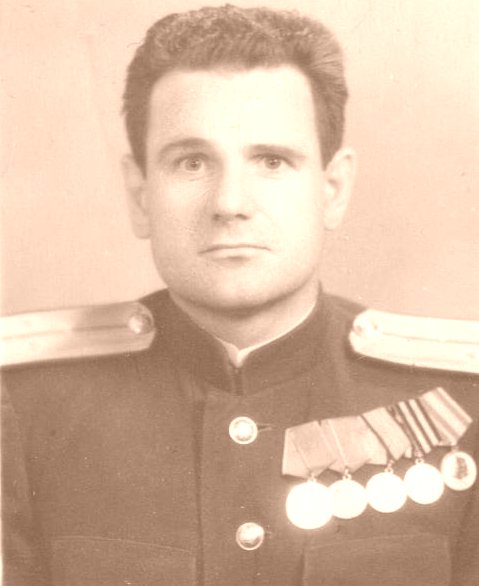
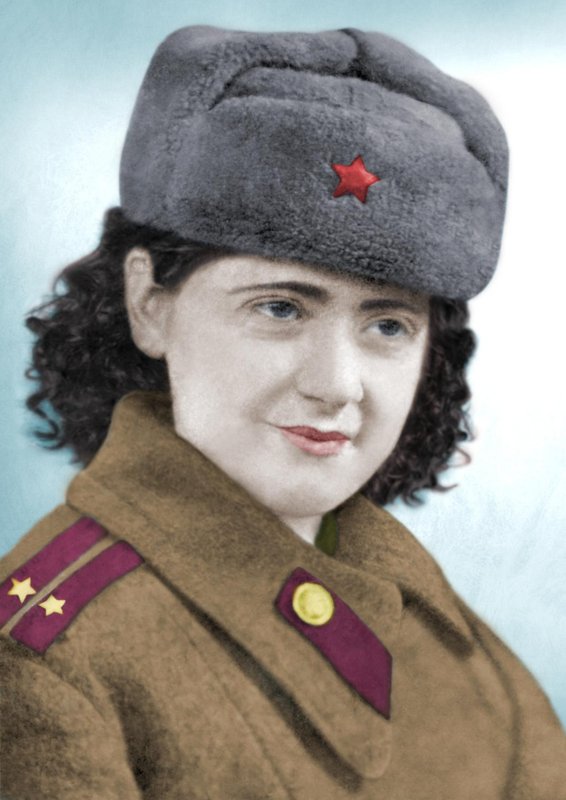
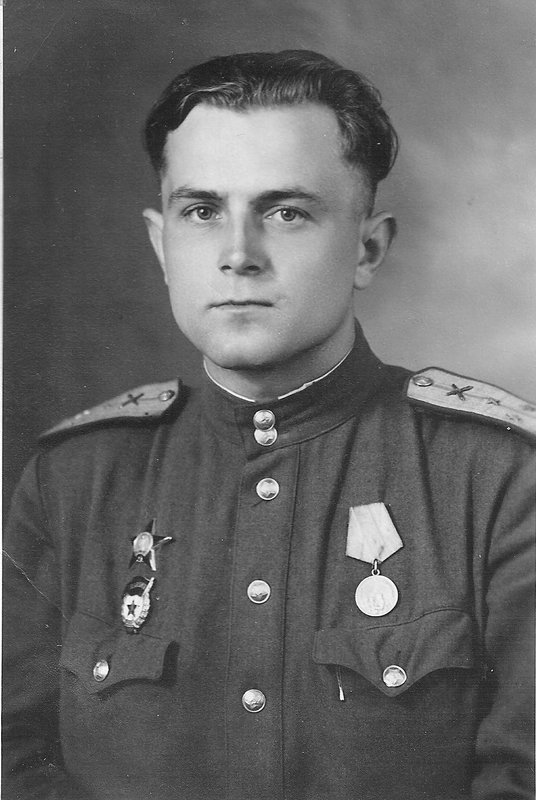
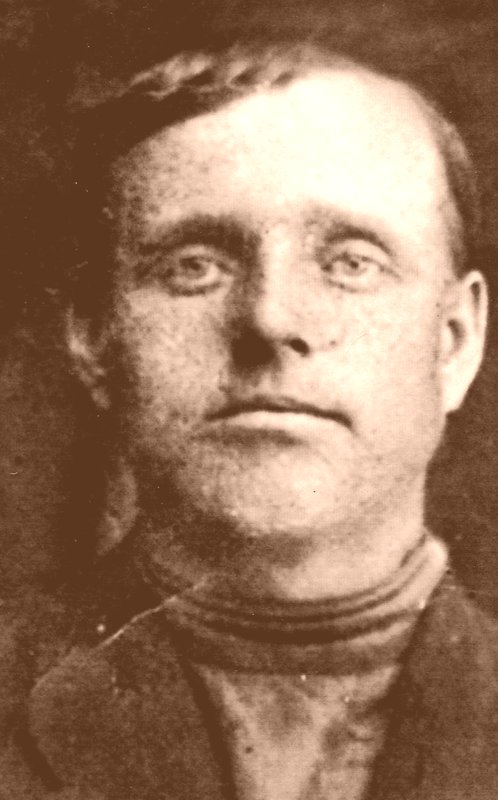
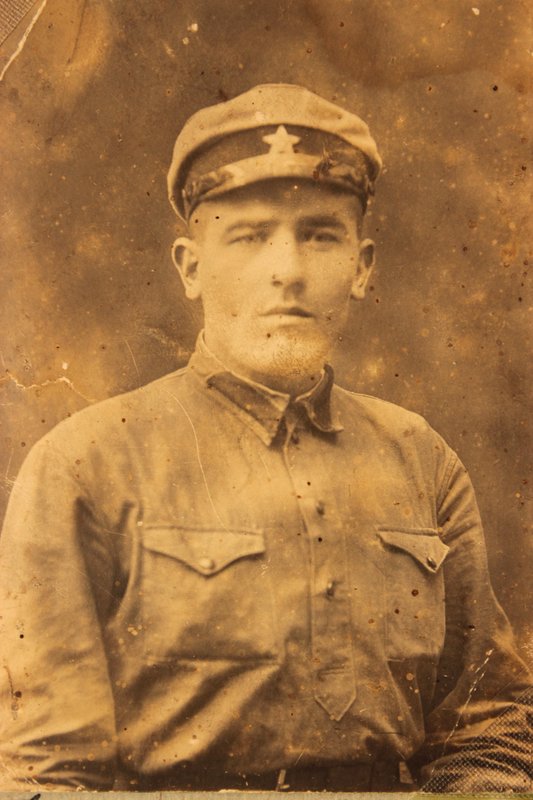
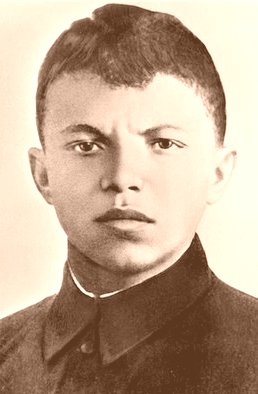
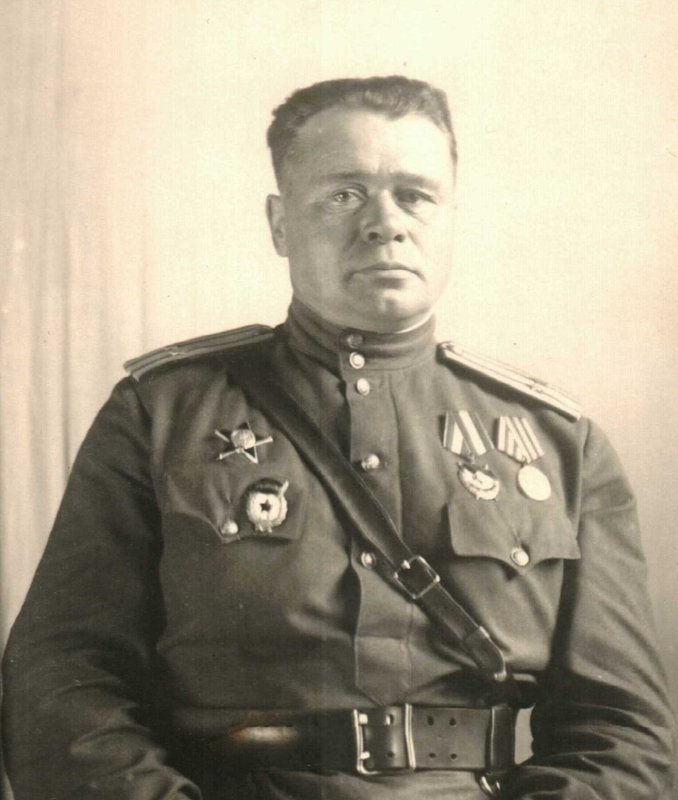
Stanislava Saprykina (Byaletskaya)
Rank: Military Paramedic. Branch of Service: Military Medical Staff._x000D_
My mother, Stanislava Saprykina (Byaletskaya) was born on August 3, 1921 in the city of Astrakhan in the family of an office worker. Father Byaletskiy Antonin - an accountant by profession, a mother ¬- Byaletskaya Elizaveta - a housewife._x000D_
In 1938, after graduating with a certificate of merit from the school, she entered and in August 1940 graduated with honors from the two-year "School of Nurses" at the 2nd Clinical Hospital in Astrakhan. On assignment, she went to work in the Chechen ASSR in the village of Vedeno as surgical nurse. The war found her there._x000D_
On July 4, 1941, Stanislava was transferred to the city of Grozny to hospital #1622, where she worked until the end of 1941. And on January 1, 1942, she was called up to the active service in the ranks of the Red Army (as it was written in the work book) as a military paramedic, as evidenced by the well-preserved commander's Duffel book (a military paramedic at that time was an officer level position)._x000D_
I don't know much about my mother's military service. Because my mother couldn't talk about the war - she started crying. It is clear that what she had to go through, it is impossible to tell without tears. I only know that she participated in the battles of the Ukrainian front. Was surrounded, was in captivity, escaped from captivity, local Ukrainian residents helped. They gave her civilian clothes. Then she joined partisans, and then returned to her unit._x000D_
She was in the army for 2 years and 3 months, and on April 12, 1944, by the decision of the Garrison military medical Commission, she was discharged from the ranks of the Red Army under article 98 because of "High degree of myopia", as stated in a medical certificate which has been preserved._x000D_
Upon return to Astrakhan she went through the medical treatment. Then my mother entered in October 1944 and in June 1946 graduated with honors from the Obstetric and Paramedic School at the Regional Clinical Hospital, receiving the title of "Paramedic-obstetrician". She combined her studies with her work._x000D_
At that time, there were many wounded soldiers, and after treatment in hospitals, they were visited at home by so-called "nursing sisters". They gave injections, bandaged and washed the wounds, etc. This is how my mother met my father, Konstantin Saprykin, a disabled soldier, who lived with his brother's family in Astrakhan after being wounded and hospitalized. My mother treated him, took care of him, and then they got married. After the birth of their son, they decided to move to live in the village where the father was from. The decision to move matured in that hard hungry post-war time to survive (it was better with food in the village)._x000D_
So on April 20, 1948 they moved to a small village Trehizbenka of Kamyzyakskiy District of the Astrakhan Region, where Stanislava was appointed a head of a medical and obstetric office, where she worked until September 1975. Over the years, three children were born and raised (a son and two daughters). In the village my mother Stanislava aSaprykin (Bialetskaya) enjoyed great prestige and respect among the villagers._x000D_
For many years, she was a permanent Deputy of the village Council (as evidenced by the preserved certificate). And in this small village for many years of her life and dedicated work, people were born on her hands. She was the most honored guest at weddings and christenings. In family quarrels, she, as a Deputy, divorced and divided property or reconciled and united families. When people were sick, she treated them, and if they died, it was also on her hands._x000D_
For 28 years, the Saprykin family lived in this village, leaving a good memory among the villagers. And when, in 1975, my father, as a disabled soldier, was given an apartment with in Kamyzyak, they were seen off by the whole village and the whole village cried, and Stanislava herself cried the most._x000D_
Upon arrival in Kamyzyak, she was transferred to work in the sanitary-epidemiological Station, where she worked as a medical assistant until 1986. The most sacred holiday with my parents was a Day of Victory! And we, the children and grandchildren of front-line soldiers, will never forget what great sacrifices our people made to win the World for us!_x000D_
My mother Saprykina (Byaletskaya) Stanislava had awards: 1973 "Drummer of Communist Labor", 1985 Medal "Veteran of Labor", 1995 jubilee medal "50 years of the Victory in the Second World War", 1996 Zhukov medal._x000D_
Stanislava Saprykina died on March 23, 1998 and was buried in the Kamyzyak cemetery.
Stanislava Saprykina (Byaletskaya)
Rank: Military Paramedic. Branch of Service: Military Medical Staff._x000D_
My mother, Stanislava Saprykina (Byaletskaya) was born on August 3, 1921 in the city of Astrakhan in the family of an office worker. Father Byaletskiy Antonin - an accountant by profession, a mother ¬- Byaletskaya Elizaveta - a housewife._x000D_
In 1938, after graduating with a certificate of merit from the school, she entered and in August 1940 graduated with honors from the two-year "School of Nurses" at the 2nd Clinical Hospital in Astrakhan. On assignment, she went to work in the Chechen ASSR in the village of Vedeno as surgical nurse. The war found her there._x000D_
On July 4, 1941, Stanislava was transferred to the city of Grozny to hospital #1622, where she worked until the end of 1941. And on January 1, 1942, she was called up to the active service in the ranks of the Red Army (as it was written in the work book) as a military paramedic, as evidenced by the well-preserved commander's Duffel book (a military paramedic at that time was an officer level position)._x000D_
I don't know much about my mother's military service. Because my mother couldn't talk about the war - she started crying. It is clear that what she had to go through, it is impossible to tell without tears. I only know that she participated in the battles of the Ukrainian front. Was surrounded, was in captivity, escaped from captivity, local Ukrainian residents helped. They gave her civilian clothes. Then she joined partisans, and then returned to her unit._x000D_
She was in the army for 2 years and 3 months, and on April 12, 1944, by the decision of the Garrison military medical Commission, she was discharged from the ranks of the Red Army under article 98 because of "High degree of myopia", as stated in a medical certificate which has been preserved._x000D_
Upon return to Astrakhan she went through the medical treatment. Then my mother entered in October 1944 and in June 1946 graduated with honors from the Obstetric and Paramedic School at the Regional Clinical Hospital, receiving the title of "Paramedic-obstetrician". She combined her studies with her work._x000D_
At that time, there were many wounded soldiers, and after treatment in hospitals, they were visited at home by so-called "nursing sisters". They gave injections, bandaged and washed the wounds, etc. This is how my mother met my father, Konstantin Saprykin, a disabled soldier, who lived with his brother's family in Astrakhan after being wounded and hospitalized. My mother treated him, took care of him, and then they got married. After the birth of their son, they decided to move to live in the village where the father was from. The decision to move matured in that hard hungry post-war time to survive (it was better with food in the village)._x000D_
So on April 20, 1948 they moved to a small village Trehizbenka of Kamyzyakskiy District of the Astrakhan Region, where Stanislava was appointed a head of a medical and obstetric office, where she worked until September 1975. Over the years, three children were born and raised (a son and two daughters). In the village my mother Stanislava aSaprykin (Bialetskaya) enjoyed great prestige and respect among the villagers._x000D_
For many years, she was a permanent Deputy of the village Council (as evidenced by the preserved certificate). And in this small village for many years of her life and dedicated work, people were born on her hands. She was the most honored guest at weddings and christenings. In family quarrels, she, as a Deputy, divorced and divided property or reconciled and united families. When people were sick, she treated them, and if they died, it was also on her hands._x000D_
For 28 years, the Saprykin family lived in this village, leaving a good memory among the villagers. And when, in 1975, my father, as a disabled soldier, was given an apartment with in Kamyzyak, they were seen off by the whole village and the whole village cried, and Stanislava herself cried the most._x000D_
Upon arrival in Kamyzyak, she was transferred to work in the sanitary-epidemiological Station, where she worked as a medical assistant until 1986. The most sacred holiday with my parents was a Day of Victory! And we, the children and grandchildren of front-line soldiers, will never forget what great sacrifices our people made to win the World for us!_x000D_
My mother Saprykina (Byaletskaya) Stanislava had awards: 1973 "Drummer of Communist Labor", 1985 Medal "Veteran of Labor", 1995 jubilee medal "50 years of the Victory in the Second World War", 1996 Zhukov medal._x000D_
Stanislava Saprykina died on March 23, 1998 and was buried in the Kamyzyak cemetery.
0 comment



2026 © Russian Military Historical Society Developed by Jetmix