Back to
album
album
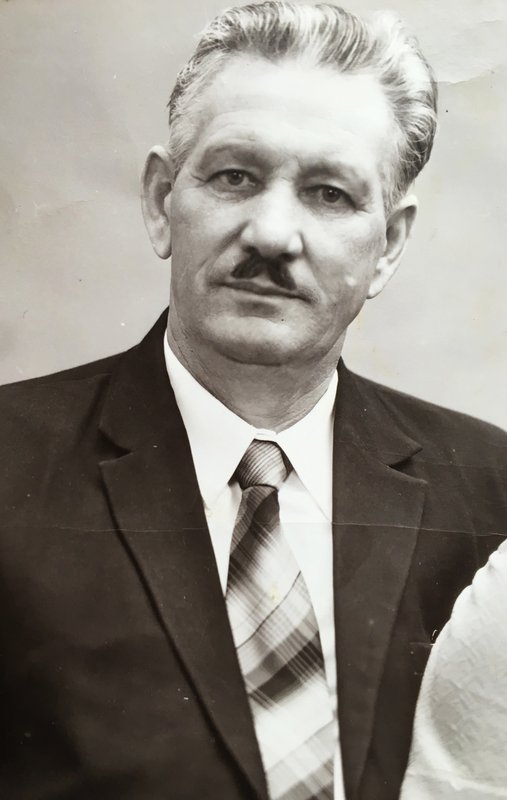
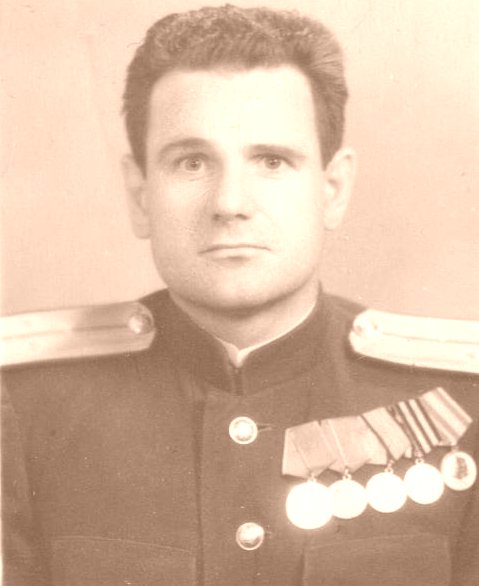
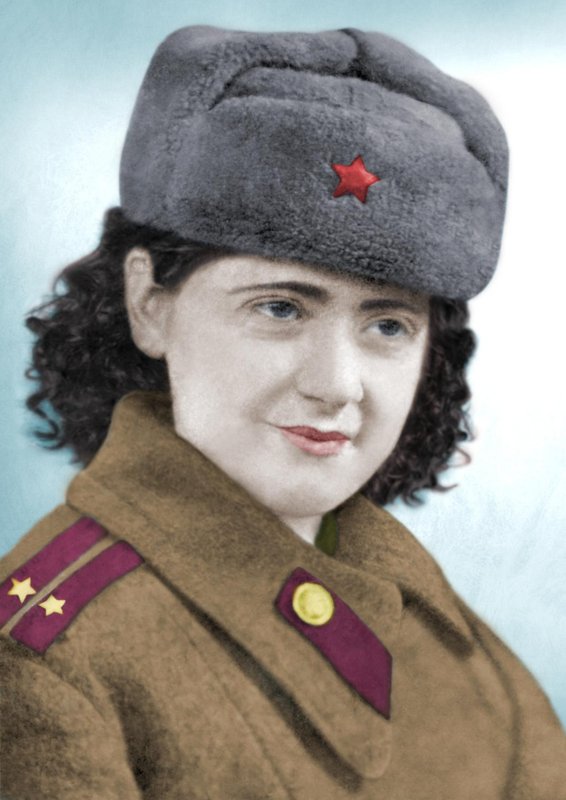
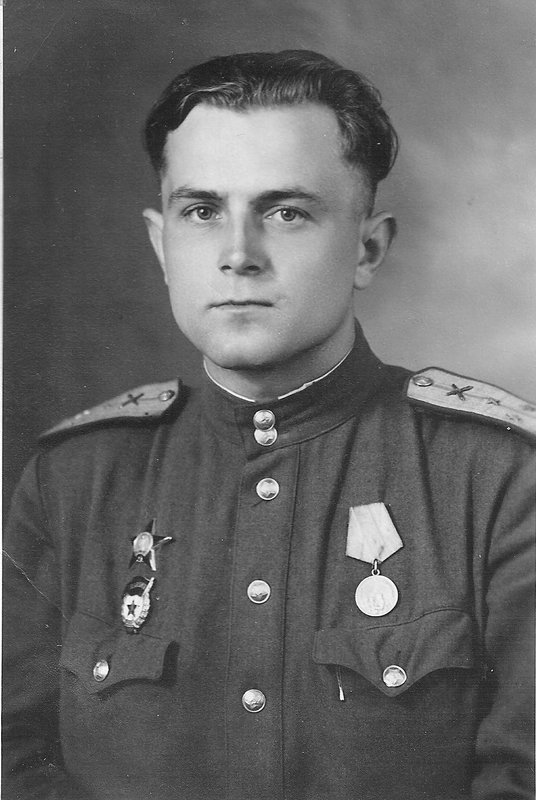
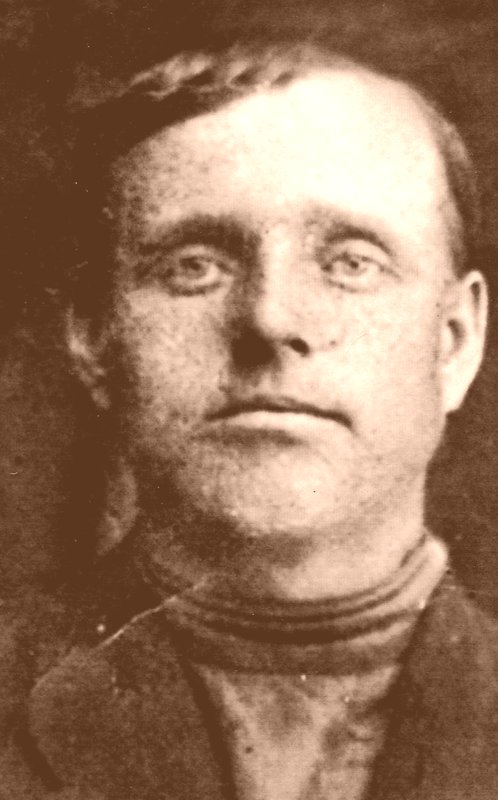
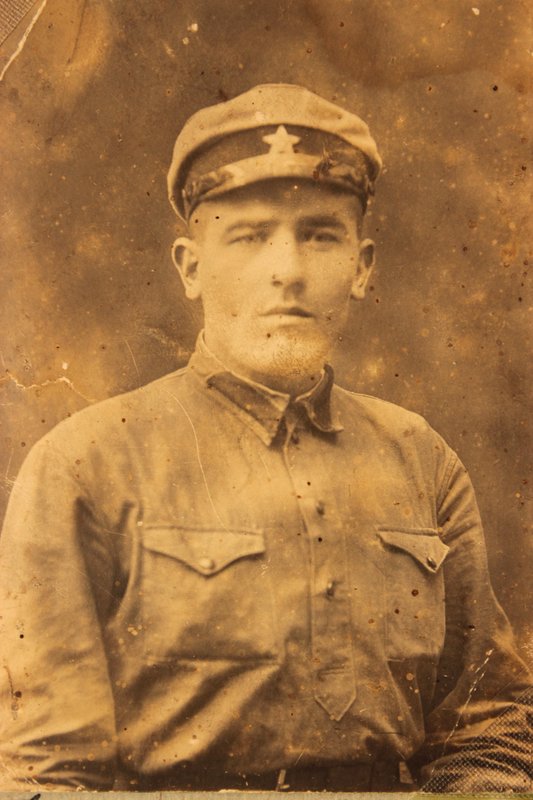
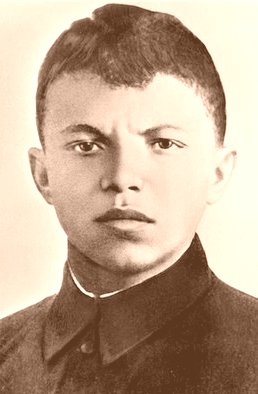
Andrey Miroshnichenko
History:_x000D_
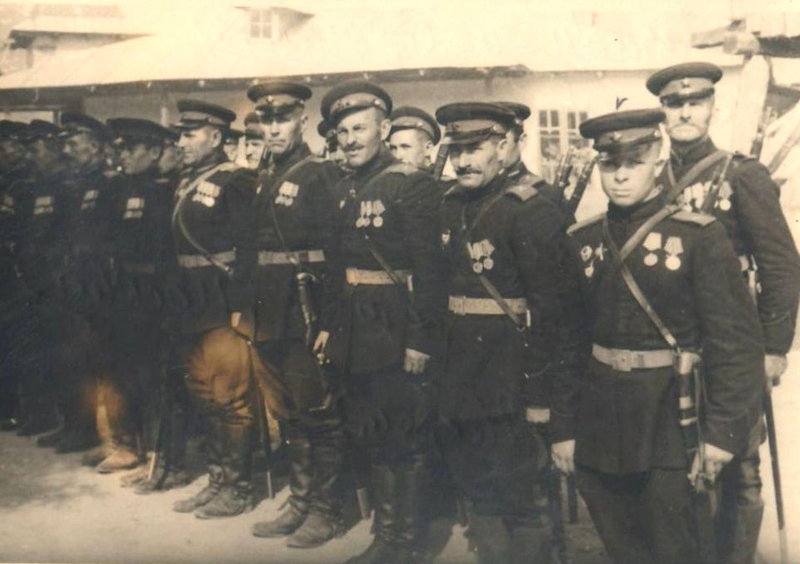
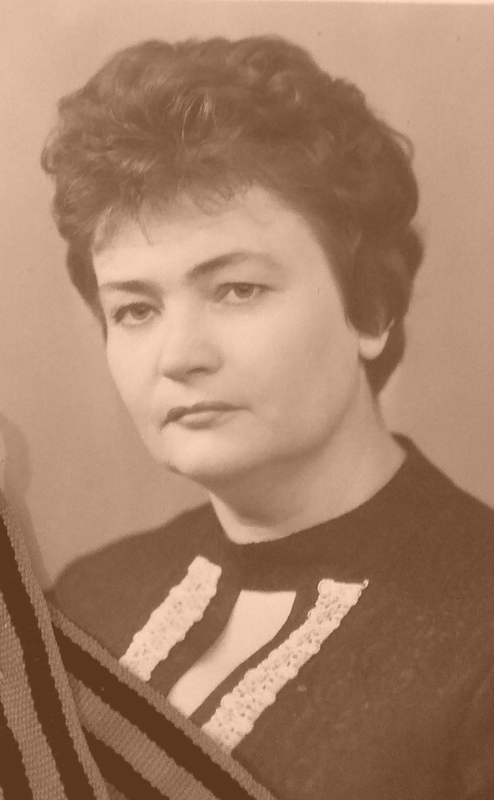
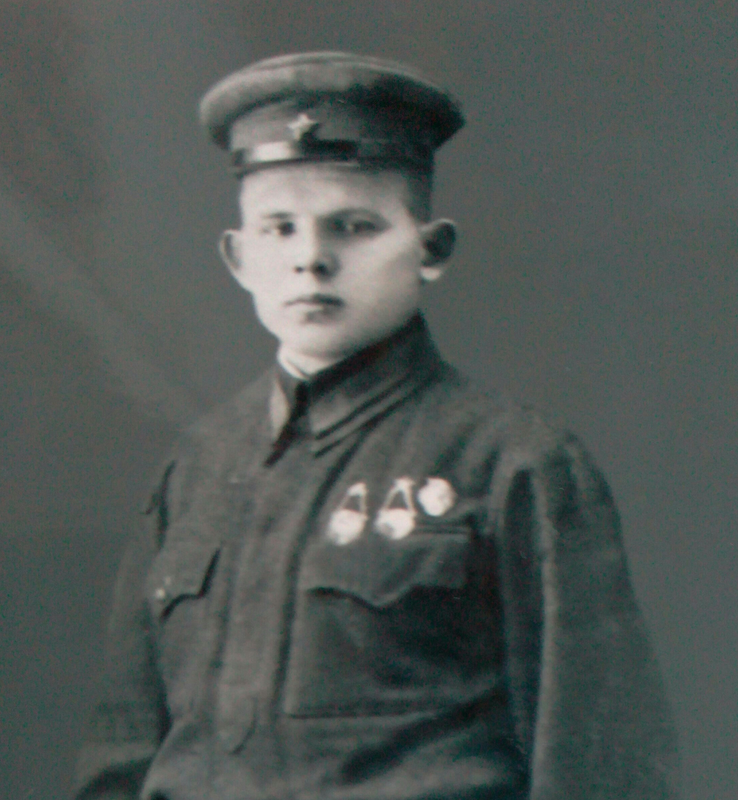
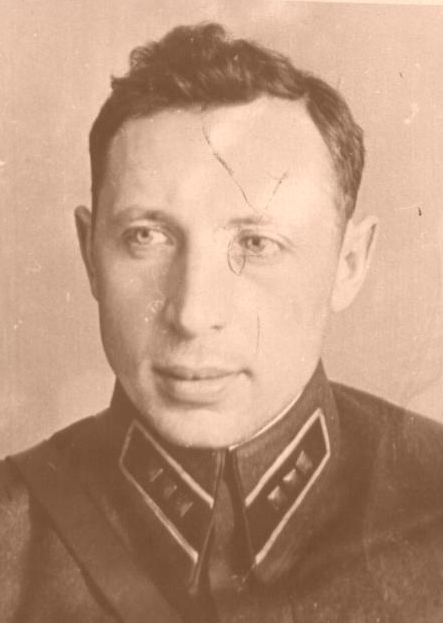
Graduated with honors first from the teachers' and then from the pedagogical Institute. Worked for the education system. Before the beginning of the Great Patriotic War, he was sent to the Stanislavskiy, now Ivano-Frankivskiy Region of Ukraine to organize secondary and incomplete secondary schools. He was the Director of a School in Western Ukraine. From the very first day of the war, a purely civilian person found himself in its maelstrom._x000D_
He got under the first bombardment, was fighting as a volunteer with German paratroopers. Then, during the retreat in the difficult year of 1941, he was sent to Dnepropetrovsk, where his mother lived. There he was assigned to evacuate collective farms from Ukraine to Kazakhstan. He reached the evacuation center. In conditions of withdrawal and confusion, he was found by his older sister, whose husband was killed. The meeting was short-lived, and Andrey was soon conscripted into the army. He got to Baku with the evacuees, and then ended up in Derbent in Azerbaijan. Doctors at first recognized him as unfit for military service, so he worked as the School Director until December 1942. However, after a personal statement, Andrey was sent as a volunteer to the courses of political instructors, at the end of which he was appointed Deputy Company Commander for the Political Affairs. Repeatedly during the beginning of the offensive, Andrey was the first to rise to the attack, inspiring other soldiers. He was wounded twice, but remained in the ranks._x000D_
Then he was sent to Baku for retraining of commanders. From the cadets of the school, a brigade was formed that participated in fierce battles in the area of Mozdok and Vladikavkaz and suffered heavy losses. Andrey received his first award, the Medal For Military Merit, while commanding a machine-gun company. Personally killed and captured several Germans in battle, was surrounded and fought his way out of it. Then the unit was transferred to the Crimea, where after being wounded, he ended up in a hospital, and then in the reserve, from which he got to the Baltic front as an artillery commander at the head of an anti-tank battery in the Konigsberg area. The next assignment was to the Minsk Military District in the Guards detachment._x000D_
At the end of the war, Andrey, who was seriously wounded three times, was sent to work for the police of the Lvov Region. He was in charge of a children's colony and a men's Dragobych colony with 3,000 inmates, then worked in Siberia, Uzbekistan, and taught "special pedagogy" at the police school in Tashkent as a senior teacher. At the age of 50, he was demobilized, remained working in Uzbekistan as a Deputy Director, and then as a High School Director._x000D_
Here Andrey decided to do scientific work, worked with students and applicants. Heavy illnesses, a long treatment in the Caucasus fell on him. Then he continued to work in Bashkortostan. He was the Director of the Ufa City Park of Culture and Recreation, an instructor of the DOSAAF Republican Committee, engaged in pedagogical work with offenders, and was elected a people's assessor in court. Restlessness and indefatigability, an active life position, love for people and pedagogical talent made Andrey the soul of every team where he worked. He was also a freelance correspondent for the newspaper Vechernyaya Ufa and other papers, where he showed outstanding abilities._x000D_
The Guard Lieutenant Colonel was awarded the Order of the Red Banner, two Orders of the Patriotic War and 18 medals.
Andrey Miroshnichenko
History:_x000D_
Graduated with honors first from the teachers' and then from the pedagogical Institute. Worked for the education system. Before the beginning of the Great Patriotic War, he was sent to the Stanislavskiy, now Ivano-Frankivskiy Region of Ukraine to organize secondary and incomplete secondary schools. He was the Director of a School in Western Ukraine. From the very first day of the war, a purely civilian person found himself in its maelstrom._x000D_
He got under the first bombardment, was fighting as a volunteer with German paratroopers. Then, during the retreat in the difficult year of 1941, he was sent to Dnepropetrovsk, where his mother lived. There he was assigned to evacuate collective farms from Ukraine to Kazakhstan. He reached the evacuation center. In conditions of withdrawal and confusion, he was found by his older sister, whose husband was killed. The meeting was short-lived, and Andrey was soon conscripted into the army. He got to Baku with the evacuees, and then ended up in Derbent in Azerbaijan. Doctors at first recognized him as unfit for military service, so he worked as the School Director until December 1942. However, after a personal statement, Andrey was sent as a volunteer to the courses of political instructors, at the end of which he was appointed Deputy Company Commander for the Political Affairs. Repeatedly during the beginning of the offensive, Andrey was the first to rise to the attack, inspiring other soldiers. He was wounded twice, but remained in the ranks._x000D_
Then he was sent to Baku for retraining of commanders. From the cadets of the school, a brigade was formed that participated in fierce battles in the area of Mozdok and Vladikavkaz and suffered heavy losses. Andrey received his first award, the Medal For Military Merit, while commanding a machine-gun company. Personally killed and captured several Germans in battle, was surrounded and fought his way out of it. Then the unit was transferred to the Crimea, where after being wounded, he ended up in a hospital, and then in the reserve, from which he got to the Baltic front as an artillery commander at the head of an anti-tank battery in the Konigsberg area. The next assignment was to the Minsk Military District in the Guards detachment._x000D_
At the end of the war, Andrey, who was seriously wounded three times, was sent to work for the police of the Lvov Region. He was in charge of a children's colony and a men's Dragobych colony with 3,000 inmates, then worked in Siberia, Uzbekistan, and taught "special pedagogy" at the police school in Tashkent as a senior teacher. At the age of 50, he was demobilized, remained working in Uzbekistan as a Deputy Director, and then as a High School Director._x000D_
Here Andrey decided to do scientific work, worked with students and applicants. Heavy illnesses, a long treatment in the Caucasus fell on him. Then he continued to work in Bashkortostan. He was the Director of the Ufa City Park of Culture and Recreation, an instructor of the DOSAAF Republican Committee, engaged in pedagogical work with offenders, and was elected a people's assessor in court. Restlessness and indefatigability, an active life position, love for people and pedagogical talent made Andrey the soul of every team where he worked. He was also a freelance correspondent for the newspaper Vechernyaya Ufa and other papers, where he showed outstanding abilities._x000D_
The Guard Lieutenant Colonel was awarded the Order of the Red Banner, two Orders of the Patriotic War and 18 medals.
0 comment



2026 © Russian Military Historical Society Developed by Jetmix