Back to
album
album
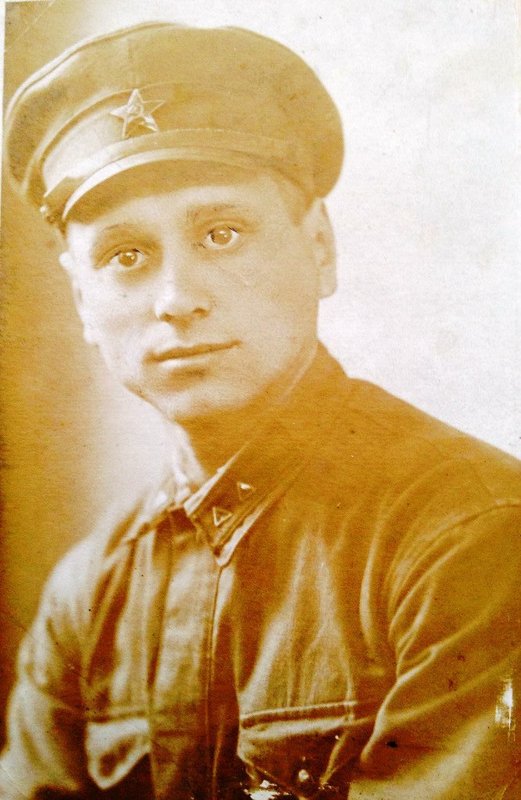
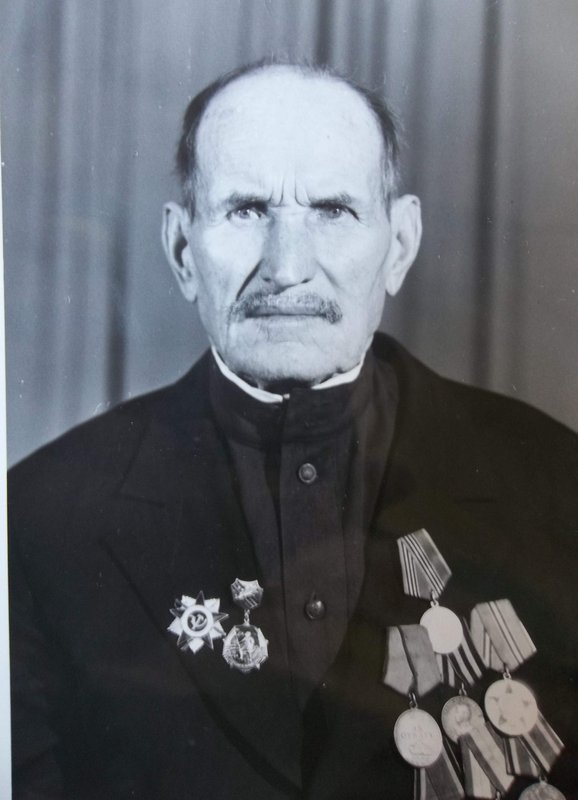

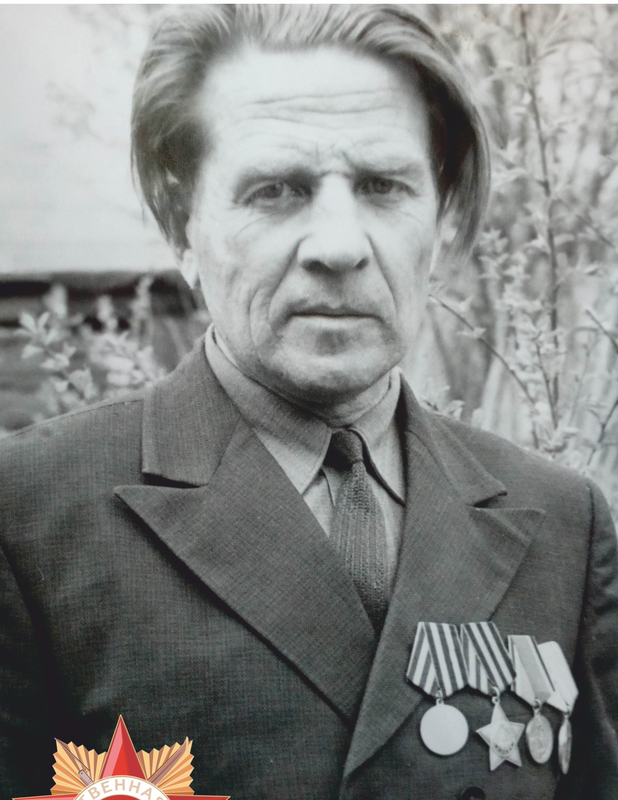
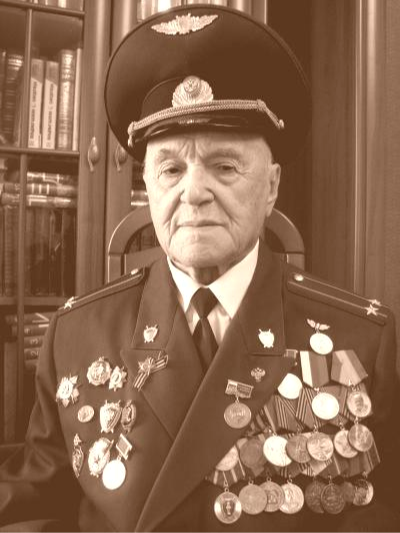
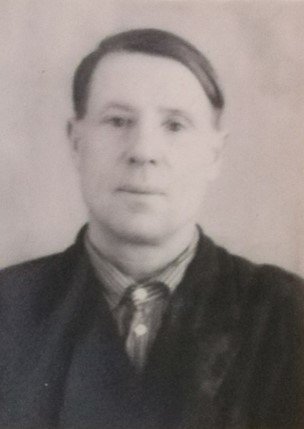
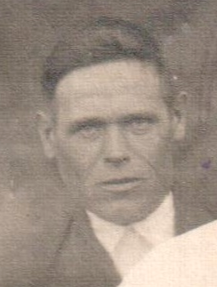


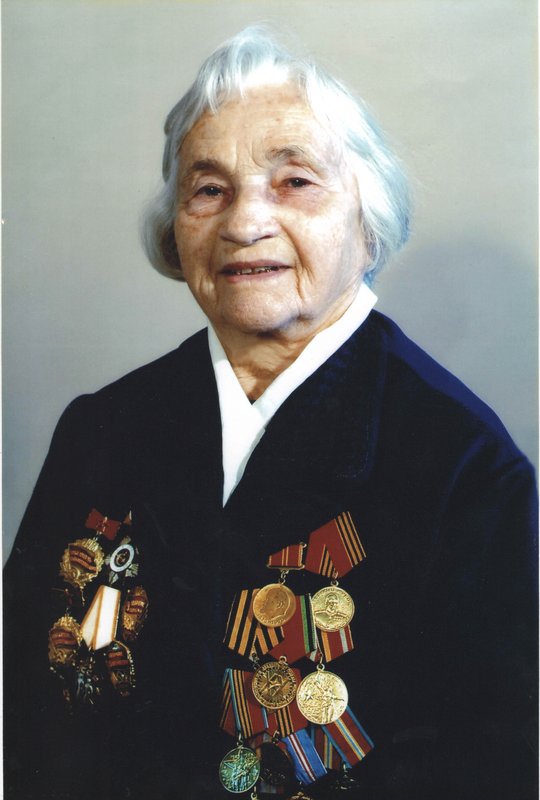

George Fedorovich Dunaev
George Fedorovich Dunaev
Rank: Corporal branch of service: army corps of engineers, My mother, Belyayeva (Dunaeva) Vera Georgievna says: "My father, George F. Dunaev, was born on 21.08.1914. (in some documents is 1915) in the village of Otrok Idrinsky district of the Krasnoyarsk territory. The family had four sisters and two brothers. In 1939, he was called up by the Idrinsky RVC to join the red army, where he became a participant in the Finnish war. From the Finnish war, he immediately found himself on the front of the great Patriotic war. He did not like to talk about the war, but on Victory Day he always remembered his friends, fellow soldiers, and even cried. In my childhood memory, I remember some moments from his stories. So, he met the war in Western Ukraine, somewhere in the Lviv region. He had a friend, a Ukrainian by the name of Women. One day they were ambushed and ran with him across a small river, followed by German tanks. One gun was firing at the tanks. When they got to it, they found that the girl had fired direct fire. They began to bring shells. Then all three of them ran. And suddenly the girl ran back, but did not have time to shoot. It was crushed by a tank and a gun. At this time the German shot from the pistol and hit him in the chest Community. His chest was torn open, and for the first time in his life, his father saw his heart beating. A friend died before his eyes, and he himself escaped in the forest. My father served in an engineering battalion. It was terrible at the crossings, when enemy planes flew by, people seemed to lose their minds. He was struck by one incident: a young dead woman was lying, and a baby was crawling on her, people were rushing around. And you have to take this pain away and run to do your job-to direct the pontoon.At the beginning of the war – the first wound, the first award-the medal "for bravery", which he greatly appreciated. The train with the wounded was taken towards the Caucasus, but under the White Church was bombed. The paramedics dropped his stretcher, and he hit himself and came to. I crawled as best I could, fighting the pain. It saved his life. The hospital, and then Stalingrad. It was hell. It seemed that the earth and sky were mixed, the Volga was burning (oil spilled over it). Enemy planes bombed incessantly, especially the crossings. The city lay in ruins. Once we received an order: a few kilograms of tal for each of us and crawl to the buildings where the Germans were holed up. And there is a steppe, everything is at a glance. The commander was well aware that this was a senseless loss of life (platoon). He canceled the order and was taken away 40 minutes later. My father always said that the order "Not a step back, there is no land for us beyond the Volga" was relevant. And for some reason, he believed that Stalin was right to quickly expel the ethnic Germans of the Volga region. Even my Siberian father had a hard time that winter, because the uniforms were out of season. When the attack and closure of the boiler, they connected with other parts in the area of the Kalach station. When the German prisoners were taken out, it was terrible to look at them. They were frostbitten, ragged people who looked like some kind of rabble, but not the warriors who were in the beginning. Then there was the Kursk bulge. Here he noted that for the first time during the war there was a large number of our equipment. If at the beginning of the fighters watched in the sky single battles of our "hawks", which were unspeakably happy, then here the planes went in batches to bomb each other's positions. There was a powerful artillery preparation. There were two fighters who were brothers, they met for the first time, only had time to hug and went on the attack. Their further fate is unknown. There was also a curious case when crossing the don (at night). The boat was smashed by the explosion, and my father was in the water. He caught hold of a log, and it was very slippery. In the flash, I saw that it was a fish. He had never seen such a fish in Siberia, and was amazed. As I later found out, it was a catfish. My father ended the war in East Prussia, and was wounded at the capture of Konigsberg. These were bloody battles. There were few survivors of the regiment. He met Victory day in the hospital. A leg wound always bothered him. At the front, he joined the party. My father was not a coward, but he always said that war is scary, just don't have time to think about it. For him, the worst thing was when they bombed. An unpleasant feeling from the howl of a falling bomb, it seemed that it was flying straight at you. Has awards. But it is difficult to describe in detail now, because after 23 years of marriage, my parents separated, and my father left. But our family always honored and remembered this page of my father's life. He is the real George the victorious.
George Fedorovich Dunaev
George Fedorovich Dunaev
Rank: Corporal branch of service: army corps of engineers, My mother, Belyayeva (Dunaeva) Vera Georgievna says: "My father, George F. Dunaev, was born on 21.08.1914. (in some documents is 1915) in the village of Otrok Idrinsky district of the Krasnoyarsk territory. The family had four sisters and two brothers. In 1939, he was called up by the Idrinsky RVC to join the red army, where he became a participant in the Finnish war. From the Finnish war, he immediately found himself on the front of the great Patriotic war. He did not like to talk about the war, but on Victory Day he always remembered his friends, fellow soldiers, and even cried. In my childhood memory, I remember some moments from his stories. So, he met the war in Western Ukraine, somewhere in the Lviv region. He had a friend, a Ukrainian by the name of Women. One day they were ambushed and ran with him across a small river, followed by German tanks. One gun was firing at the tanks. When they got to it, they found that the girl had fired direct fire. They began to bring shells. Then all three of them ran. And suddenly the girl ran back, but did not have time to shoot. It was crushed by a tank and a gun. At this time the German shot from the pistol and hit him in the chest Community. His chest was torn open, and for the first time in his life, his father saw his heart beating. A friend died before his eyes, and he himself escaped in the forest. My father served in an engineering battalion. It was terrible at the crossings, when enemy planes flew by, people seemed to lose their minds. He was struck by one incident: a young dead woman was lying, and a baby was crawling on her, people were rushing around. And you have to take this pain away and run to do your job-to direct the pontoon.At the beginning of the war – the first wound, the first award-the medal "for bravery", which he greatly appreciated. The train with the wounded was taken towards the Caucasus, but under the White Church was bombed. The paramedics dropped his stretcher, and he hit himself and came to. I crawled as best I could, fighting the pain. It saved his life. The hospital, and then Stalingrad. It was hell. It seemed that the earth and sky were mixed, the Volga was burning (oil spilled over it). Enemy planes bombed incessantly, especially the crossings. The city lay in ruins. Once we received an order: a few kilograms of tal for each of us and crawl to the buildings where the Germans were holed up. And there is a steppe, everything is at a glance. The commander was well aware that this was a senseless loss of life (platoon). He canceled the order and was taken away 40 minutes later. My father always said that the order "Not a step back, there is no land for us beyond the Volga" was relevant. And for some reason, he believed that Stalin was right to quickly expel the ethnic Germans of the Volga region. Even my Siberian father had a hard time that winter, because the uniforms were out of season. When the attack and closure of the boiler, they connected with other parts in the area of the Kalach station. When the German prisoners were taken out, it was terrible to look at them. They were frostbitten, ragged people who looked like some kind of rabble, but not the warriors who were in the beginning. Then there was the Kursk bulge. Here he noted that for the first time during the war there was a large number of our equipment. If at the beginning of the fighters watched in the sky single battles of our "hawks", which were unspeakably happy, then here the planes went in batches to bomb each other's positions. There was a powerful artillery preparation. There were two fighters who were brothers, they met for the first time, only had time to hug and went on the attack. Their further fate is unknown. There was also a curious case when crossing the don (at night). The boat was smashed by the explosion, and my father was in the water. He caught hold of a log, and it was very slippery. In the flash, I saw that it was a fish. He had never seen such a fish in Siberia, and was amazed. As I later found out, it was a catfish. My father ended the war in East Prussia, and was wounded at the capture of Konigsberg. These were bloody battles. There were few survivors of the regiment. He met Victory day in the hospital. A leg wound always bothered him. At the front, he joined the party. My father was not a coward, but he always said that war is scary, just don't have time to think about it. For him, the worst thing was when they bombed. An unpleasant feeling from the howl of a falling bomb, it seemed that it was flying straight at you. Has awards. But it is difficult to describe in detail now, because after 23 years of marriage, my parents separated, and my father left. But our family always honored and remembered this page of my father's life. He is the real George the victorious.
0 comment




2026 © Russian Military Historical Society Developed by Jetmix