Back to
album
album


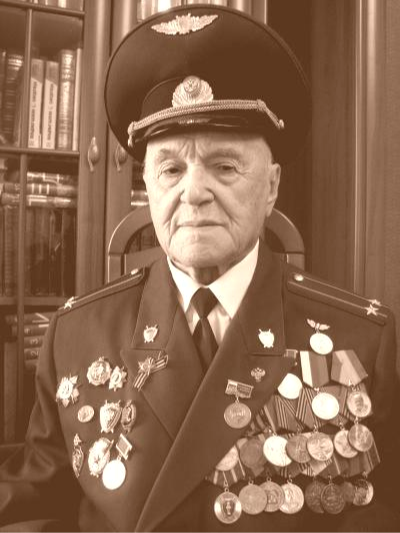
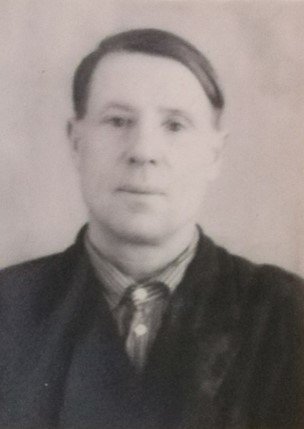
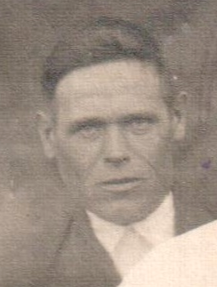


Danilkin Alexey Pavlovich
Danilkin Alexey Pavlovich_x000D_
_x000D_
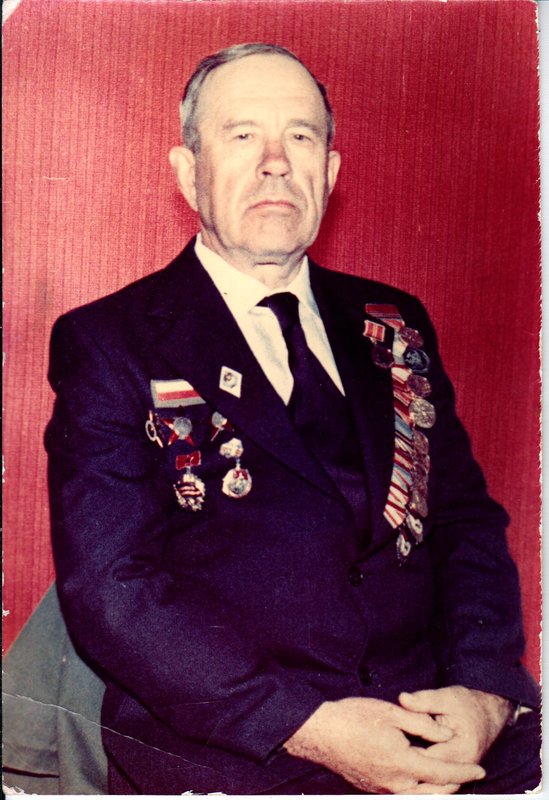
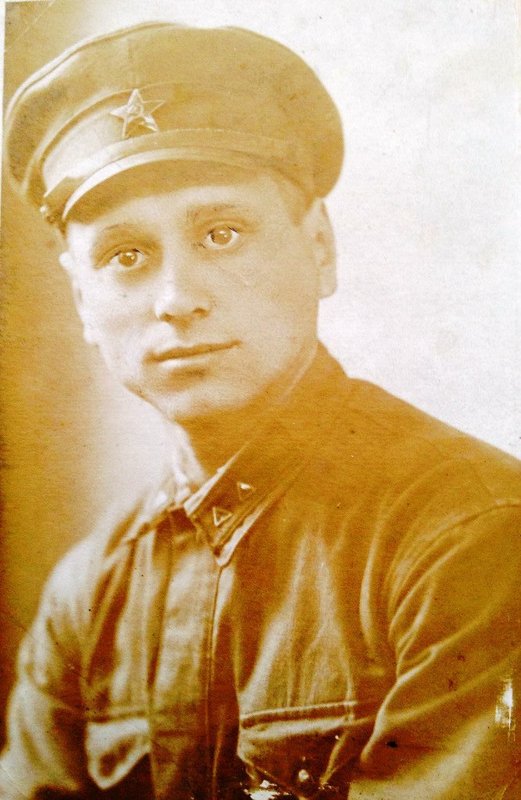
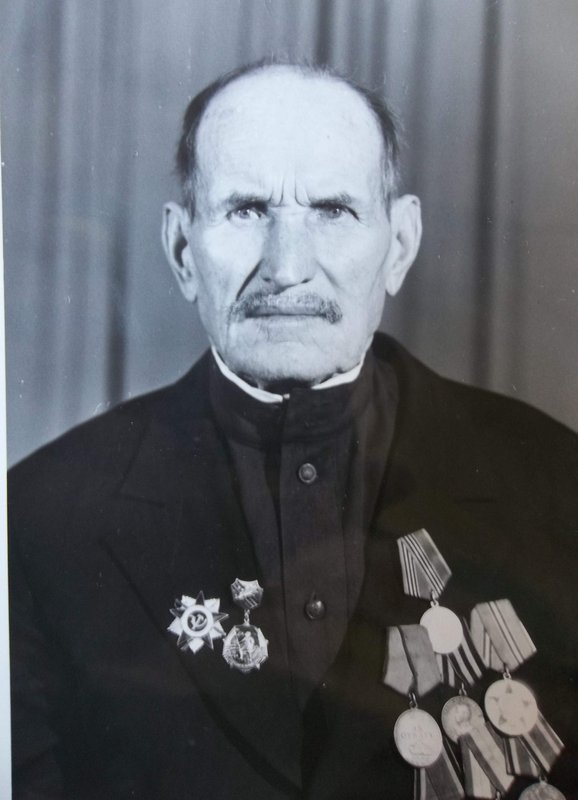
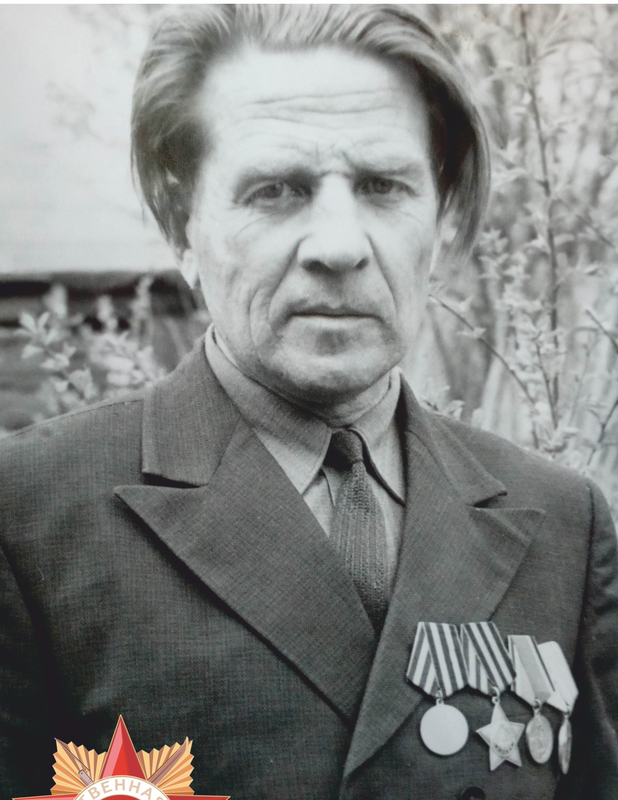
Rank: Red army soldier Type of troops: Engineering troops My father Danilkin Alexey Pavlovich was born on March 21, 1923 in d.Katlanovo, Belevsky district,Tula region. In January 1942, after graduating from the sapper school, he was called up to the front by the Belevsky district military Commissariat, Tula region. From January to may 1942, he participated in the combat operations of the Bryansk front for the liberation of the Oryol region in the direction from Belev to Bolkhov and Orel as a sapper. By the beginning of January 1942, the troops of the Bryansk front, pursuing the enemy and knocking down his barriers, reached the border: Belev, Mtsensk, The Upper Part, Antiquated. After the end of the counteroffensive near Moscow, the Stavka instructed our troops to launch a General offensive in the Western strategic direction. The troops of the Bryansk front were assigned the task of conducting an offensive in the Belev, Livny strip in the Bolkhovsky and Oryol directions. Fulfilling this Task, the troops of the 61st army in the first half of January went on the offensive in the Bolkhov direction and advanced several tens of kilometers. The front troops went on the defensive and did not conduct active combat operations until the summer of 1942. In may 1942, the Stalinist corps was formed in Moscow, where a group of sappers was sent.Since June 1942, until the departure to the front, the scientific process was activated. Classes were held on a 3-month combat training program .After graduating, A. p. Danilkin got to a transfer point in Moscow. Further, the front-line path of Danilkin Alexey Pavlovich took place as part of the 8th Estonian corps. From November 1942 to January 1943, he participated in the combat operations of the Kalinin front as a sapper of the 28th separate sapper battalion in the 8th Estonian corps. On October 21, 1942, parts of the corps loaded into echelons and went to the front. Along the way, the trains were subjected to air raids, shelling and bombing. So the corps suffered the first combat losses in personnel and military equipment-21 people were killed and the same number was wounded.The battle of Velikiye Luki was the corps ' baptism of fire. The fighting in the city blocks, equipped by the Germans as long-term fortifications, was fierce and bloody. 75 % of the corps personnel were knocked out of action (wounded, killed, missing) Particularly fierce fighting broke out at the railway station,where German military engineers managed to create a strongly fortified system of bunkers and pillboxes, each of which had to be stormed by independent mobile groups. The railway station was taken on January 13, 1943. A feature of the fighting in January 1943 was the active actions of mobile, small and effective assault groups, staffed by sappers and gunners. January 10, 1943 During the liberation of the railway station, my father A. p. Danilkin was seriously wounded in the head and legs on the roof of the railway station. Lost consciousness, lay unconscious in the cold for a long time, miraculously survived, he was picked up. A leg was amputated in a hospital in Chita. The monuments on the mass graves of the Estonian corps soldiers on the high Bank of the lovati river near Velikiye Luki preserve the eternal memory of these battles. I consider my dad a real hero who contributed to the Great Victory at the cost of his health.After the war, he worked as a teacher for 35 years. For services to the Fatherland, Alexey Danilkin was awarded the Order of glory of the III-degree, the order of the Patriotic war of the I degree, the medal "for courage" and other medals.
Danilkin Alexey Pavlovich
Danilkin Alexey Pavlovich_x000D_
_x000D_
Rank: Red army soldier Type of troops: Engineering troops My father Danilkin Alexey Pavlovich was born on March 21, 1923 in d.Katlanovo, Belevsky district,Tula region. In January 1942, after graduating from the sapper school, he was called up to the front by the Belevsky district military Commissariat, Tula region. From January to may 1942, he participated in the combat operations of the Bryansk front for the liberation of the Oryol region in the direction from Belev to Bolkhov and Orel as a sapper. By the beginning of January 1942, the troops of the Bryansk front, pursuing the enemy and knocking down his barriers, reached the border: Belev, Mtsensk, The Upper Part, Antiquated. After the end of the counteroffensive near Moscow, the Stavka instructed our troops to launch a General offensive in the Western strategic direction. The troops of the Bryansk front were assigned the task of conducting an offensive in the Belev, Livny strip in the Bolkhovsky and Oryol directions. Fulfilling this Task, the troops of the 61st army in the first half of January went on the offensive in the Bolkhov direction and advanced several tens of kilometers. The front troops went on the defensive and did not conduct active combat operations until the summer of 1942. In may 1942, the Stalinist corps was formed in Moscow, where a group of sappers was sent.Since June 1942, until the departure to the front, the scientific process was activated. Classes were held on a 3-month combat training program .After graduating, A. p. Danilkin got to a transfer point in Moscow. Further, the front-line path of Danilkin Alexey Pavlovich took place as part of the 8th Estonian corps. From November 1942 to January 1943, he participated in the combat operations of the Kalinin front as a sapper of the 28th separate sapper battalion in the 8th Estonian corps. On October 21, 1942, parts of the corps loaded into echelons and went to the front. Along the way, the trains were subjected to air raids, shelling and bombing. So the corps suffered the first combat losses in personnel and military equipment-21 people were killed and the same number was wounded.The battle of Velikiye Luki was the corps ' baptism of fire. The fighting in the city blocks, equipped by the Germans as long-term fortifications, was fierce and bloody. 75 % of the corps personnel were knocked out of action (wounded, killed, missing) Particularly fierce fighting broke out at the railway station,where German military engineers managed to create a strongly fortified system of bunkers and pillboxes, each of which had to be stormed by independent mobile groups. The railway station was taken on January 13, 1943. A feature of the fighting in January 1943 was the active actions of mobile, small and effective assault groups, staffed by sappers and gunners. January 10, 1943 During the liberation of the railway station, my father A. p. Danilkin was seriously wounded in the head and legs on the roof of the railway station. Lost consciousness, lay unconscious in the cold for a long time, miraculously survived, he was picked up. A leg was amputated in a hospital in Chita. The monuments on the mass graves of the Estonian corps soldiers on the high Bank of the lovati river near Velikiye Luki preserve the eternal memory of these battles. I consider my dad a real hero who contributed to the Great Victory at the cost of his health.After the war, he worked as a teacher for 35 years. For services to the Fatherland, Alexey Danilkin was awarded the Order of glory of the III-degree, the order of the Patriotic war of the I degree, the medal "for courage" and other medals.
0 comment



2026 © Russian Military Historical Society Developed by Jetmix