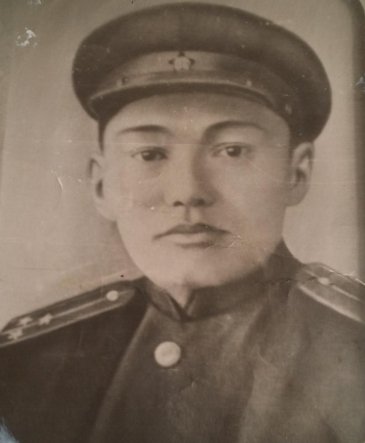





Ignatenkova Galina Alexandrovna
The Great Patriotic War entered the history of our people like fiery pages. War. How many human lives it took. It's scary when people die because of someone's terrible mistake. But those who survived that war, liberated our land from the enemy, dreamed that peace would be restored on it, so that their children and grandchildren would never experience the horror of this terrible word war. Out of 79 of my fellow countrymen who fought on the fronts of the Great Patriotic War, 43 countrymen did not return home. At the moment, no one is left alive. Women bore no less the burden of the war on their shoulders. Not only did women show heroism in the rear, they repulsed attacks on a par with men and died without sparing their lives, defending their native land from the enemy. And now, I will tell you about one of them about Galina Aleksandrovna Ignatenkova (Vertiprokhova) born in 1926. In July 1943, Galina received a summons from the military registration and enlistment office. There they were sent to the commission, issued passports, and the next day they were taken by carts to Abakan. A train came up, loaded everyone into boxcars, and the train moved off. The girls cried, waved their handkerchiefs, sang the song "Farewell, beloved city." When the tears dried up, the fear intensified, they drove, not knowing where. When the Urals moved, my heart ached anxiously. Everything around is destroyed to the ground, warped tanks, planes lie in huge heaps. Only one railway line survived. These places were often bombed by the Germans, so the escort warned the youth: "Don't go far, if you are in alarm, hide in ditches." But nothing happened. And the first explosion was heard by Galina near Penza. We drove for a long time. At night they announced that they had arrived at the site. So Galina ended up in the labor army. We got out of the carriages and could not understand where we were. All around are ruins. It turned out to be Stalingrad. Not a single whole building remained, not a single living creature was seen on the streets. Barracks were built on the banks of the Volga, and they were settled there. We did not work for two days until we looked around and settled down. Then they gave the girls shovels, sent them to clear the trenches heaped up during the fighting. We had to dig out German dugouts and collect trophies. When clearing the dugouts, they often found our dead soldiers. Whenever possible, their identity was restored and buried in mass graves. Everything that was suitable was transported to the tractor plant. Galina was then incomplete 17 years old. Once my friend and I ran into a mine and it exploded. They were covered with earth. When they woke up, a friend was wounded, and even her arm was torn off. Galina fell ill with epilepsy from fear. It was terrible and painful to see the death of comrades and to realize that the same thing could happen at any moment. In February 1944, at the conclusion of medical board she was sent home.
Ignatenkova Galina Alexandrovna
The Great Patriotic War entered the history of our people like fiery pages. War. How many human lives it took. It's scary when people die because of someone's terrible mistake. But those who survived that war, liberated our land from the enemy, dreamed that peace would be restored on it, so that their children and grandchildren would never experience the horror of this terrible word war. Out of 79 of my fellow countrymen who fought on the fronts of the Great Patriotic War, 43 countrymen did not return home. At the moment, no one is left alive. Women bore no less the burden of the war on their shoulders. Not only did women show heroism in the rear, they repulsed attacks on a par with men and died without sparing their lives, defending their native land from the enemy. And now, I will tell you about one of them about Galina Aleksandrovna Ignatenkova (Vertiprokhova) born in 1926. In July 1943, Galina received a summons from the military registration and enlistment office. There they were sent to the commission, issued passports, and the next day they were taken by carts to Abakan. A train came up, loaded everyone into boxcars, and the train moved off. The girls cried, waved their handkerchiefs, sang the song "Farewell, beloved city." When the tears dried up, the fear intensified, they drove, not knowing where. When the Urals moved, my heart ached anxiously. Everything around is destroyed to the ground, warped tanks, planes lie in huge heaps. Only one railway line survived. These places were often bombed by the Germans, so the escort warned the youth: "Don't go far, if you are in alarm, hide in ditches." But nothing happened. And the first explosion was heard by Galina near Penza. We drove for a long time. At night they announced that they had arrived at the site. So Galina ended up in the labor army. We got out of the carriages and could not understand where we were. All around are ruins. It turned out to be Stalingrad. Not a single whole building remained, not a single living creature was seen on the streets. Barracks were built on the banks of the Volga, and they were settled there. We did not work for two days until we looked around and settled down. Then they gave the girls shovels, sent them to clear the trenches heaped up during the fighting. We had to dig out German dugouts and collect trophies. When clearing the dugouts, they often found our dead soldiers. Whenever possible, their identity was restored and buried in mass graves. Everything that was suitable was transported to the tractor plant. Galina was then incomplete 17 years old. Once my friend and I ran into a mine and it exploded. They were covered with earth. When they woke up, a friend was wounded, and even her arm was torn off. Galina fell ill with epilepsy from fear. It was terrible and painful to see the death of comrades and to realize that the same thing could happen at any moment. In February 1944, at the conclusion of medical board she was sent home.
0 comment




2026 © Russian Military Historical Society Developed by Jetmix