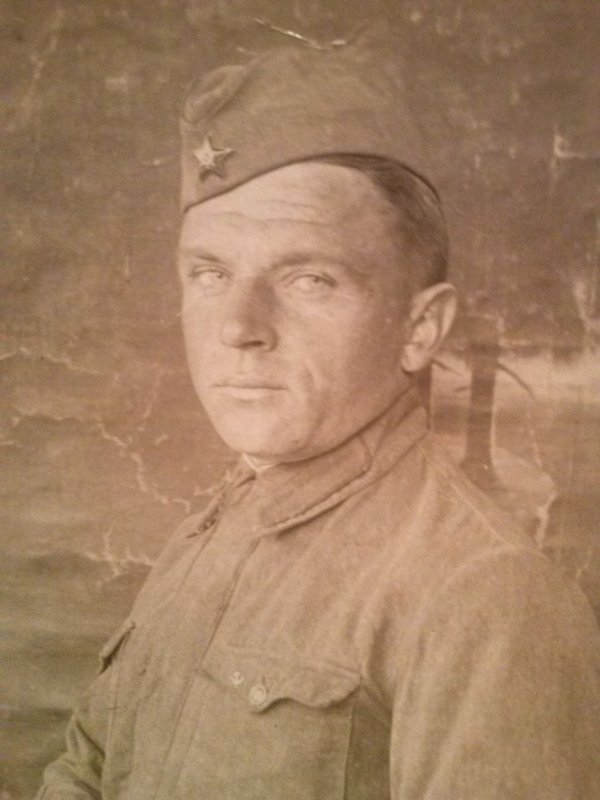
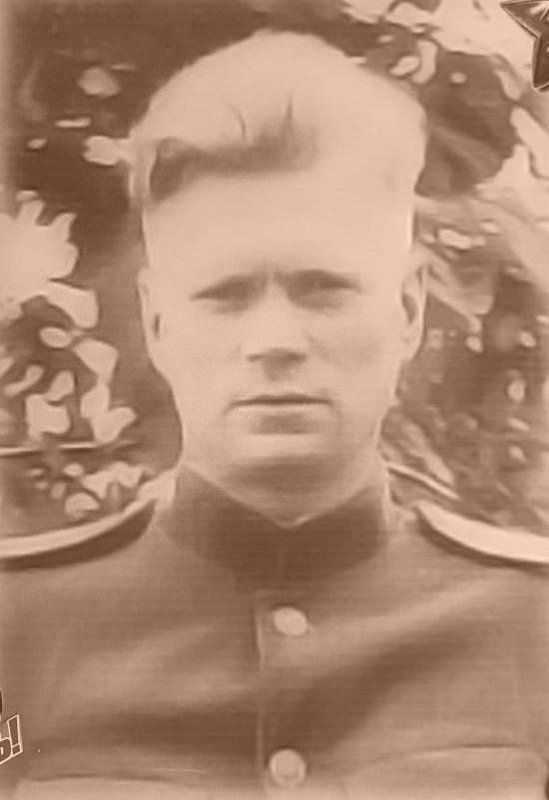
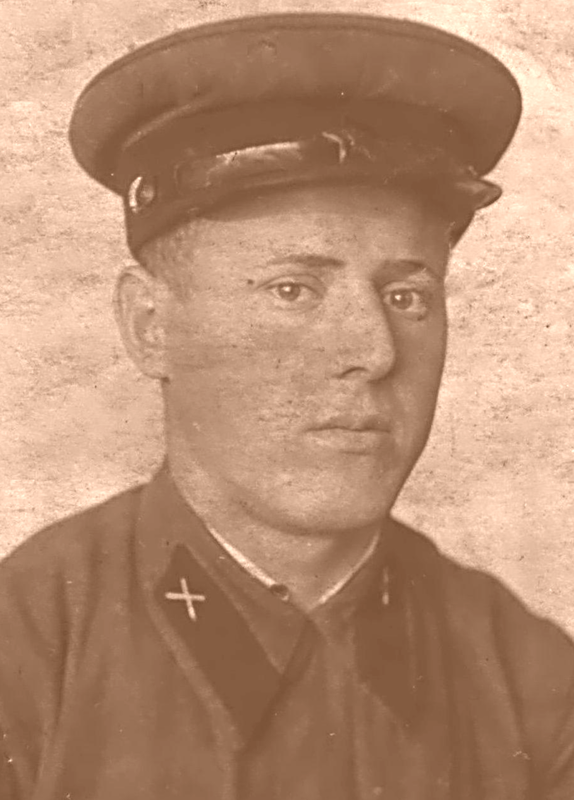
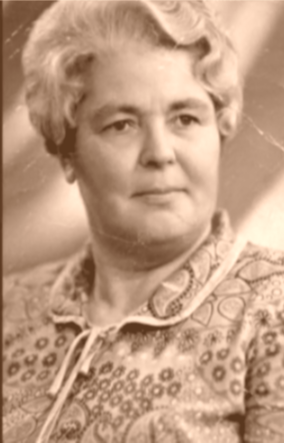
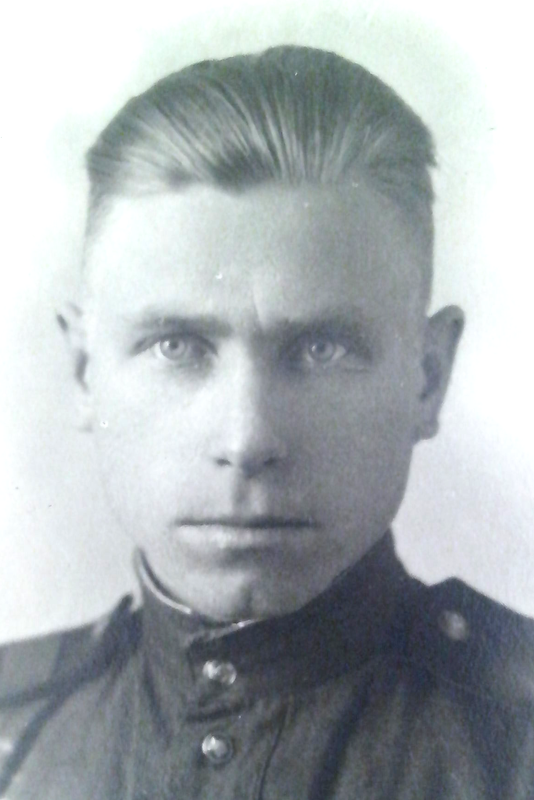
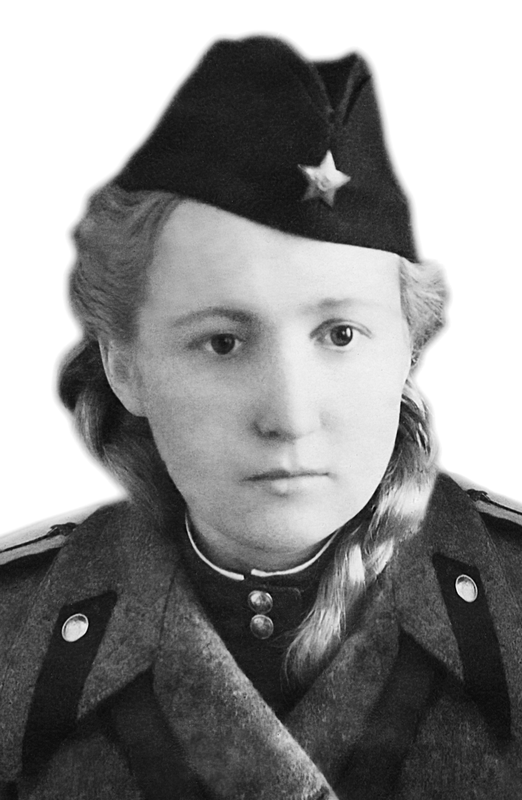
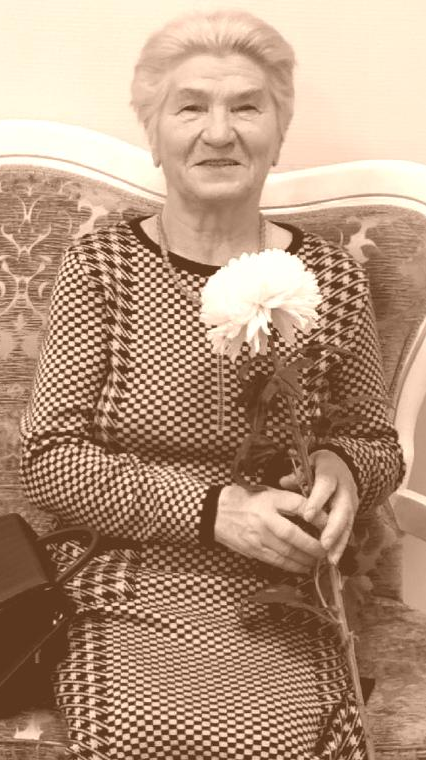
Ermolina Alevtina Mikhailovna
Alevtina Mikhailovna Ermolina was born in Karelia - in the village of Korba, Kizhi society, Velikogubskaya volost, Petrozavodsk district. When the war began, she was only six months old. In February 1942 the girl ended up in concentration camp No. 6 in the city of Petrozavodsk with her mother, father and grandmother in a very small room in the barrack. The woman says: “Before going to bed, each time I had to free up space on the floor by hanging two existing chairs on huge nails driven into the walls. The school desk was replacing the table, a stove was smoking in the corner, and there were two buckets of cold water at the threshold. The main memory of this period is hunger: they would have chewed herbs, but she was not in the camp, only paths in the sand. Here the family lost their grandmother from hardship and hunger. The day of the liberation of the city was greeted like this: the older guys found paper bags somewhere, and then they puffed and knocked on them - a clap was heard like a shot - it was their Victory salute! Joy, running, screaming, bustle. Freedom! First they were brought to Zaonezhie. Alevtina Mikhailovna recalls the first impression: everything around is beautiful, at ease, the air is clean, light clouds are running across the blue sky, driven by a gentle breeze. We came home to their native village Korbu, and their house cat was running towards them: “We don't know where he lived: in the neighboring villages, just like in ours, there was not a single inhabitant for a long time. We were all so happy about him, because he survived the whole war alone! " It was difficult and hungry to raise the collective farm Krasnye Kuznetsy, where Alevtina's father was the chairman. A lot of fish helped out. In the bay there was a small fish, which was named - korba. Everyone in Zaonezhie knew it. They caught her with pillowcases, bags, buckets, with bare hands. But she, as she appeared, and disappeared, as if she was given only for survival. Mom fed the little ones, but she did not have time to eat, little Alevtina worried about her and taught her how to quickly clean the fish: "Tear off the head and tail, and everything else goes straight into her mouth!" And my mother laughed and said: "And if suddenly a bone falls into the neck of a small child, and he chokes, what are we going to do?" And then her daughter helped her carefully choose the bones. Everyone loved my mother very much. If they found a berry anywhere, they would race to it to treat it. She was affectionate, hardworking, kind, sang well - her voice was clear and sonorous, she knew many songs, some of which Alevtina Mikhailovna never heard in someone else's performance. If it happened that the mother forgot the lyrics of the song, the children asked her to tell the content in her own words. She then sewed, then knitted for everyone, then darned and cooked very tasty. In the evenings, the family gathered in one room with a seven-line kerosene stove - there is not much light from it, but the relatives were all together, and this is the main thing. The family by that time had become larger: dad, mom, two brothers, a sister and Alevtina herself. Dad rarely managed to be with his family - he worked a lot: he mowed, plowed, sowed, transported firewood, hay, in addition, people often came to him with requests for help, for advice, for work assignments for the next days. When the girl learned to read, she began to read aloud in the evenings and the first, of course, were the tales of Alexander Sergeevich Pushkin. Dad also listened to them, slowly making shoes on his feet - old overcoats, slippers, torn boots, galoshes were used. The first shoes were bought for the girl only in the sixth grade, and before that she ran barefoot or in what her father had sewn. Alevtina Mikhailovna was the eldest in the family - a nanny for all children. The hardest thing for her was with her younger brother. He was born large, heavy, and her strength was not enough, she could not carry him in her arms: “I will grab him by the feet at my shoulder, head down, and hands on the grass, and run to play with the guys in the village. After all, I was still a child myself and I wanted to be with everyone. " The woman admits that in spite of everything, although half-dressed, barefoot, hungry, the children lived together. And Alevtina Mikhailovna also says that there is a holiday "Korbov's Day" in her village - in July. Everyone prepares for it: some are tables, some are on tables, and the guys are preparing a performance - they sing, dance, come up with scenes! Guests, relatives, friends, acquaintances come to the holiday, for whom congratulations and the anthem of the village are heard, then games, contests, water activities - jumping into the water, swimming, including skiing, cheesecakes, are arranged. Alevtina Mikhailovna: “We've all matured. A new generation has appeared. But everything, as always, is in our hands! "
Ermolina Alevtina Mikhailovna
Alevtina Mikhailovna Ermolina was born in Karelia - in the village of Korba, Kizhi society, Velikogubskaya volost, Petrozavodsk district. When the war began, she was only six months old. In February 1942 the girl ended up in concentration camp No. 6 in the city of Petrozavodsk with her mother, father and grandmother in a very small room in the barrack. The woman says: “Before going to bed, each time I had to free up space on the floor by hanging two existing chairs on huge nails driven into the walls. The school desk was replacing the table, a stove was smoking in the corner, and there were two buckets of cold water at the threshold. The main memory of this period is hunger: they would have chewed herbs, but she was not in the camp, only paths in the sand. Here the family lost their grandmother from hardship and hunger. The day of the liberation of the city was greeted like this: the older guys found paper bags somewhere, and then they puffed and knocked on them - a clap was heard like a shot - it was their Victory salute! Joy, running, screaming, bustle. Freedom! First they were brought to Zaonezhie. Alevtina Mikhailovna recalls the first impression: everything around is beautiful, at ease, the air is clean, light clouds are running across the blue sky, driven by a gentle breeze. We came home to their native village Korbu, and their house cat was running towards them: “We don't know where he lived: in the neighboring villages, just like in ours, there was not a single inhabitant for a long time. We were all so happy about him, because he survived the whole war alone! " It was difficult and hungry to raise the collective farm Krasnye Kuznetsy, where Alevtina's father was the chairman. A lot of fish helped out. In the bay there was a small fish, which was named - korba. Everyone in Zaonezhie knew it. They caught her with pillowcases, bags, buckets, with bare hands. But she, as she appeared, and disappeared, as if she was given only for survival. Mom fed the little ones, but she did not have time to eat, little Alevtina worried about her and taught her how to quickly clean the fish: "Tear off the head and tail, and everything else goes straight into her mouth!" And my mother laughed and said: "And if suddenly a bone falls into the neck of a small child, and he chokes, what are we going to do?" And then her daughter helped her carefully choose the bones. Everyone loved my mother very much. If they found a berry anywhere, they would race to it to treat it. She was affectionate, hardworking, kind, sang well - her voice was clear and sonorous, she knew many songs, some of which Alevtina Mikhailovna never heard in someone else's performance. If it happened that the mother forgot the lyrics of the song, the children asked her to tell the content in her own words. She then sewed, then knitted for everyone, then darned and cooked very tasty. In the evenings, the family gathered in one room with a seven-line kerosene stove - there is not much light from it, but the relatives were all together, and this is the main thing. The family by that time had become larger: dad, mom, two brothers, a sister and Alevtina herself. Dad rarely managed to be with his family - he worked a lot: he mowed, plowed, sowed, transported firewood, hay, in addition, people often came to him with requests for help, for advice, for work assignments for the next days. When the girl learned to read, she began to read aloud in the evenings and the first, of course, were the tales of Alexander Sergeevich Pushkin. Dad also listened to them, slowly making shoes on his feet - old overcoats, slippers, torn boots, galoshes were used. The first shoes were bought for the girl only in the sixth grade, and before that she ran barefoot or in what her father had sewn. Alevtina Mikhailovna was the eldest in the family - a nanny for all children. The hardest thing for her was with her younger brother. He was born large, heavy, and her strength was not enough, she could not carry him in her arms: “I will grab him by the feet at my shoulder, head down, and hands on the grass, and run to play with the guys in the village. After all, I was still a child myself and I wanted to be with everyone. " The woman admits that in spite of everything, although half-dressed, barefoot, hungry, the children lived together. And Alevtina Mikhailovna also says that there is a holiday "Korbov's Day" in her village - in July. Everyone prepares for it: some are tables, some are on tables, and the guys are preparing a performance - they sing, dance, come up with scenes! Guests, relatives, friends, acquaintances come to the holiday, for whom congratulations and the anthem of the village are heard, then games, contests, water activities - jumping into the water, swimming, including skiing, cheesecakes, are arranged. Alevtina Mikhailovna: “We've all matured. A new generation has appeared. But everything, as always, is in our hands! "
0 comment




2026 © Russian Military Historical Society Developed by Jetmix