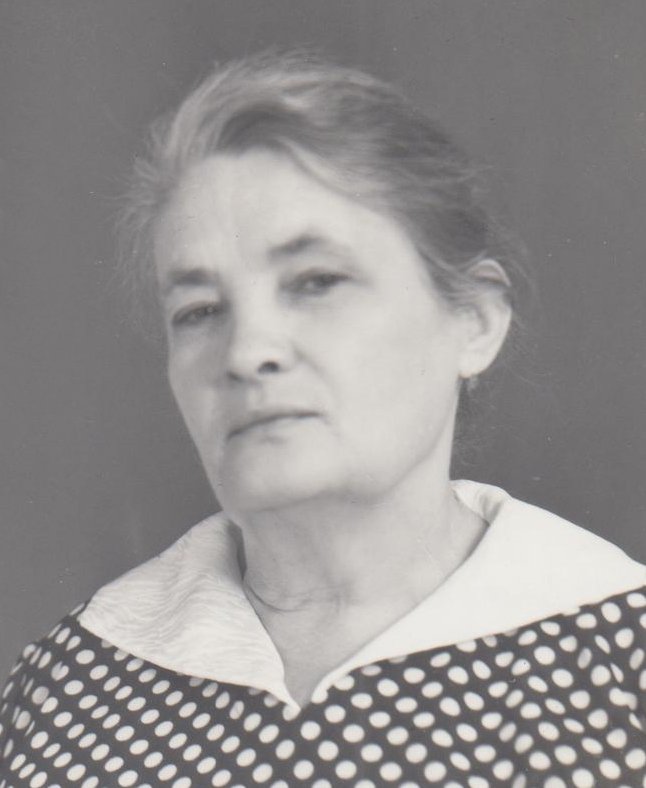
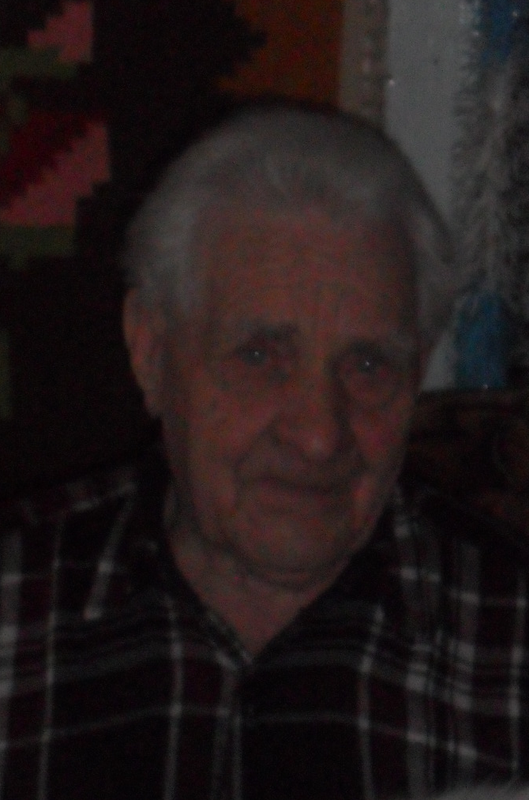
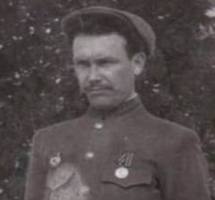
Kochnev Fedor Alexseevich
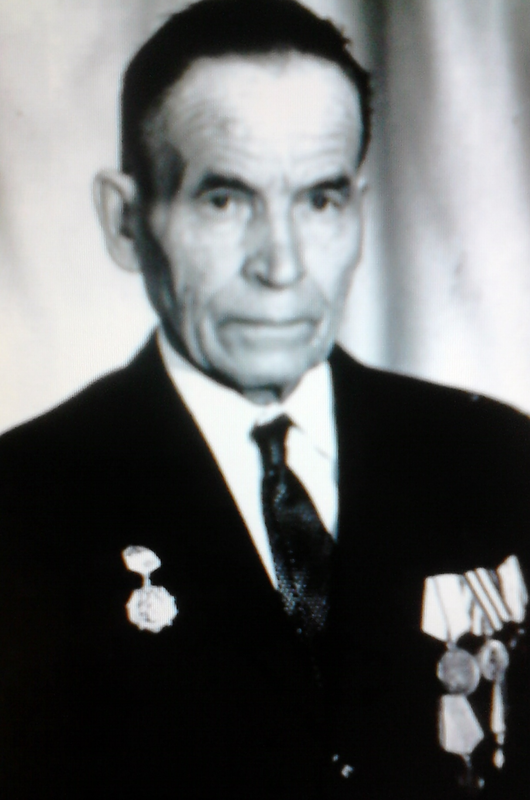
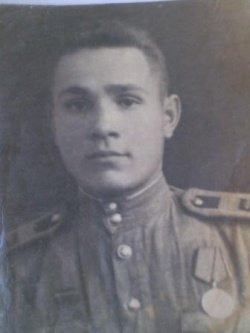
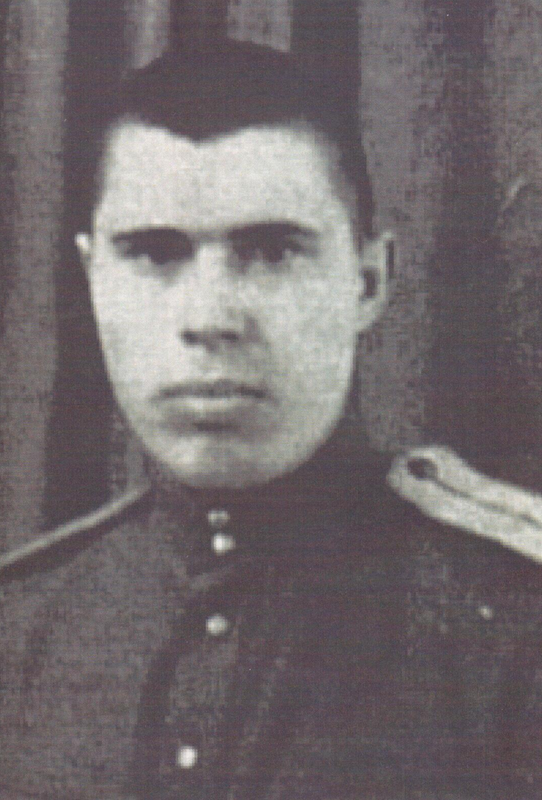
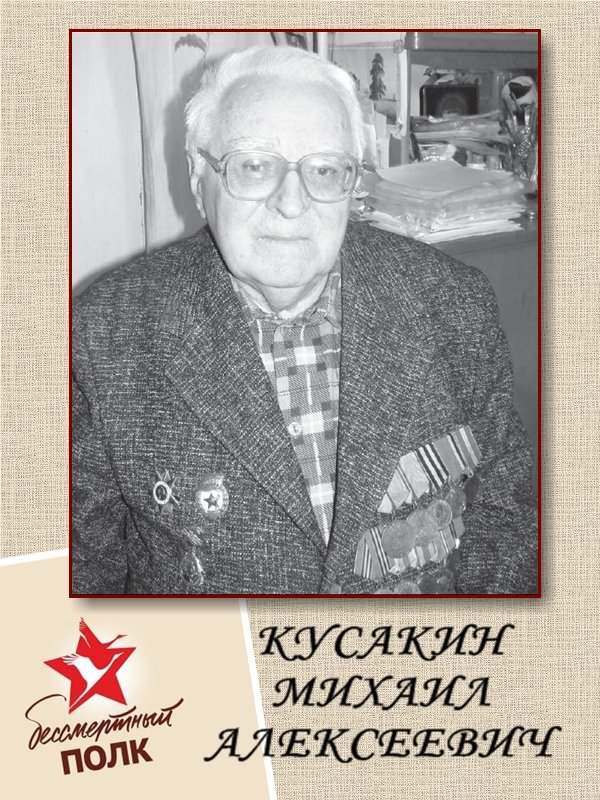
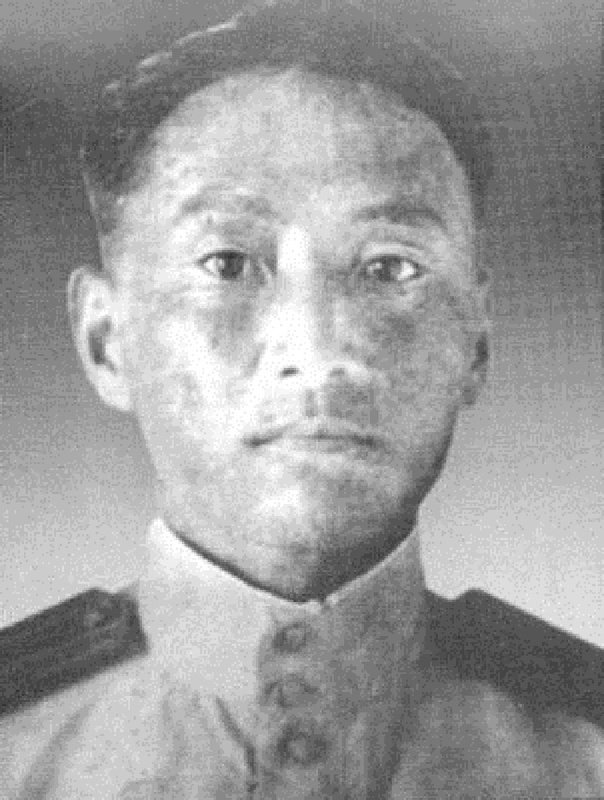
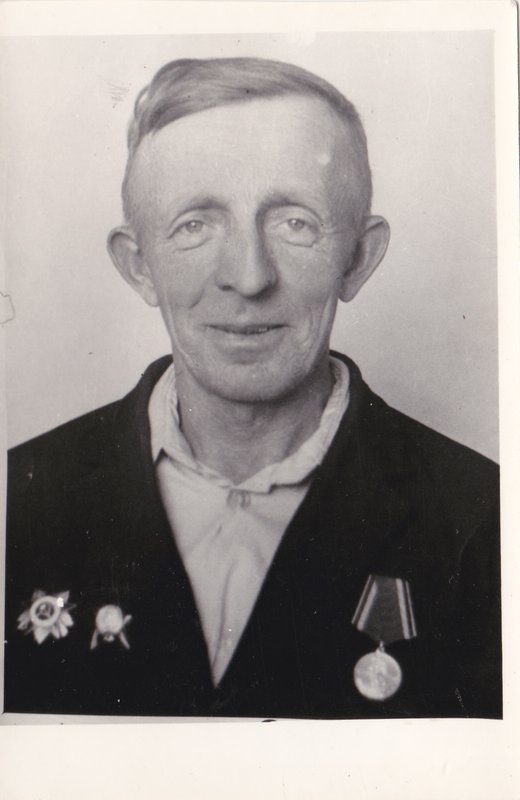
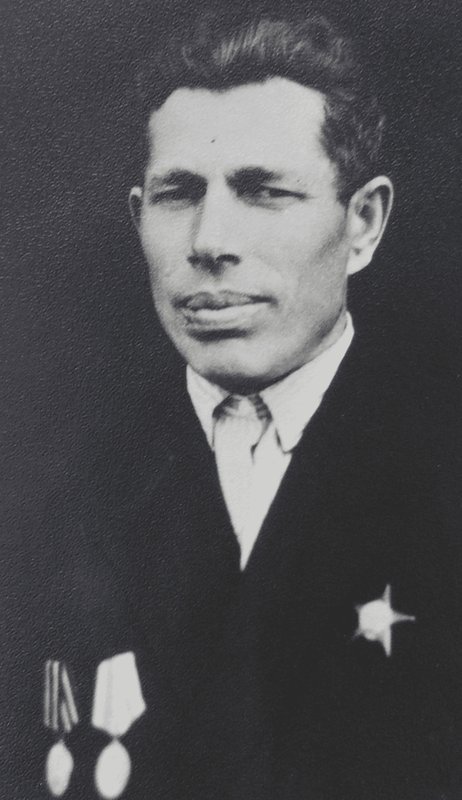
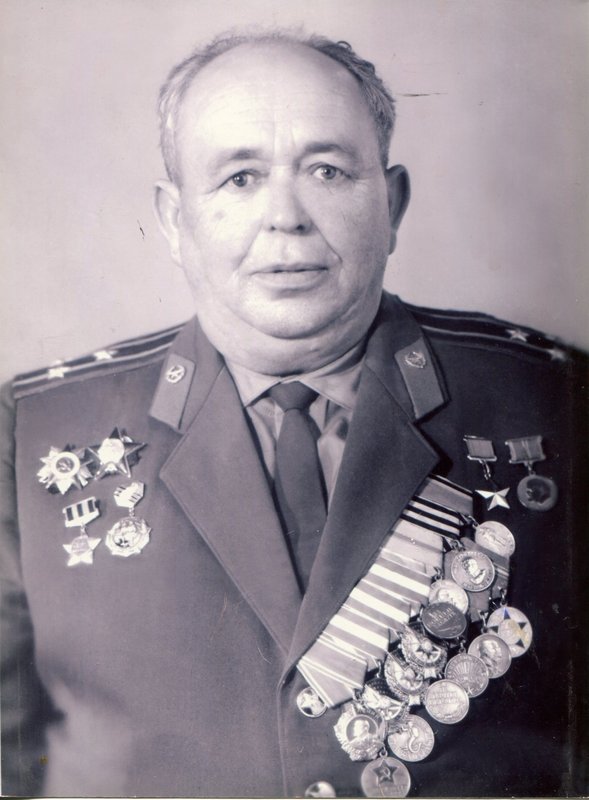
My great-grandfather Kochnev Fyodor Alekseevich, was a native Siberian, was born on 28.09.1923 in Aromaschewo. His parents, Kochnev, Alexey Fyodorovitch, and Kochneva(Saveliev) Varvara, lived in the Omsk region, but moved closer to Tyumen a few years before the First World War. Alexey Fyodorovich was a border guard. During the civil war he supported the Bolsheviks. Alexey Fyodorovich managed to become rich during the time of NEP. On his land he grew all necessary crops, had 5 horses and a stallion pacer. There were cows, bulls, pigs, chickens, geese and sheep. The family, which already had five children, was saved from deculacization by the great-great-grandfather's decision to voluntarily hand over the entire farm to the collective farm. His son - my great-grandfather Fyodor Alekseevich - studied only 3 classes. At the age of 18 he was called to the front. He was sent to the paratroopers, trained in parachuting for three months and soon after that he was sent to Stalingrad. For six months my great-grandfather did 10 combat parachute jumps. Then it became the second number of the mortar. On 27 January 1942 he was badly wounded - a bullet wound in his arm and shrapnel in his leg. During the attack on the Germans, the great-grandfather was almost covered by an explosion, and his comrades went far ahead. My great-grandfather crawled out from under the rubble. He crawled about 3 kilometers and was again under fire from rifles - now "Vlasovtsy". The bitter cold and the great loss of blood left little hope of escape, and his strength failed him. Fyodor Alekseyevich was saved by a miracle: a wagon train with paramedics and a funeral team passed by. One soldier from this team checked everyone before the burial of the dead soldiers: alive or not. He saved my great-grandfather. My great-grandfather froze his toes off and lost a lot of blood. After that he was in hospital for a long time. After the treatment in the hospital he was discharged. Before the end of the war my great-grandfather worked for Victory in the hinterland: he guarded a warehouse in the village of Golyshmanovo, carried fellow citizens who were called to the front in a wagon train from Aromashevo to Golyshmanovo. After the war he went to work in a collective farm, where he worked for 42 years. Awarded with commemorative medals.
Kochnev Fedor Alexseevich
My great-grandfather Kochnev Fyodor Alekseevich, was a native Siberian, was born on 28.09.1923 in Aromaschewo. His parents, Kochnev, Alexey Fyodorovitch, and Kochneva(Saveliev) Varvara, lived in the Omsk region, but moved closer to Tyumen a few years before the First World War. Alexey Fyodorovich was a border guard. During the civil war he supported the Bolsheviks. Alexey Fyodorovich managed to become rich during the time of NEP. On his land he grew all necessary crops, had 5 horses and a stallion pacer. There were cows, bulls, pigs, chickens, geese and sheep. The family, which already had five children, was saved from deculacization by the great-great-grandfather's decision to voluntarily hand over the entire farm to the collective farm. His son - my great-grandfather Fyodor Alekseevich - studied only 3 classes. At the age of 18 he was called to the front. He was sent to the paratroopers, trained in parachuting for three months and soon after that he was sent to Stalingrad. For six months my great-grandfather did 10 combat parachute jumps. Then it became the second number of the mortar. On 27 January 1942 he was badly wounded - a bullet wound in his arm and shrapnel in his leg. During the attack on the Germans, the great-grandfather was almost covered by an explosion, and his comrades went far ahead. My great-grandfather crawled out from under the rubble. He crawled about 3 kilometers and was again under fire from rifles - now "Vlasovtsy". The bitter cold and the great loss of blood left little hope of escape, and his strength failed him. Fyodor Alekseyevich was saved by a miracle: a wagon train with paramedics and a funeral team passed by. One soldier from this team checked everyone before the burial of the dead soldiers: alive or not. He saved my great-grandfather. My great-grandfather froze his toes off and lost a lot of blood. After that he was in hospital for a long time. After the treatment in the hospital he was discharged. Before the end of the war my great-grandfather worked for Victory in the hinterland: he guarded a warehouse in the village of Golyshmanovo, carried fellow citizens who were called to the front in a wagon train from Aromashevo to Golyshmanovo. After the war he went to work in a collective farm, where he worked for 42 years. Awarded with commemorative medals.
0 comment




2026 © Russian Military Historical Society Developed by Jetmix