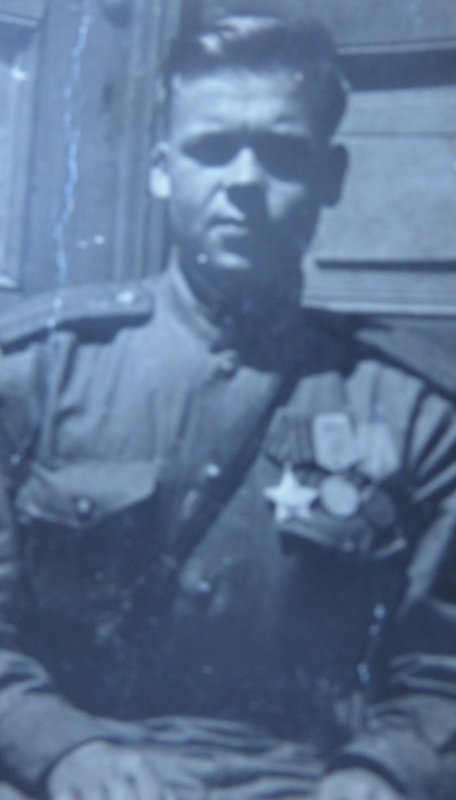
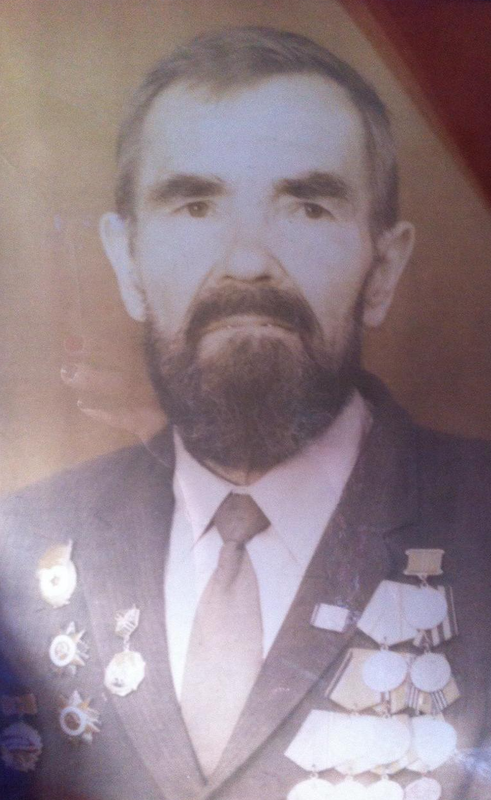


Kostikov Nikolay Pavlovich
Rank: Major military. Branch: Artillery. Division: 33rd Anti-Aircraft Artillery Vitebsk Divisional Command Alexander Nevsky. My grandfather, Nikolay Pavlovich Kostikov, was born on 19 December 1925 in the village of Mallorca, Fatezhsky district, Kursk region. He spent his entire childhood in the village, where he completed 10 classes. On 22 June 1941 we were taken on an excursion to an agricultural exhibition. As we left the Caucasian pavilion, we heard Livitan's words from the loudspeaker: "Attention, attention, listen to an important government message." Today at 4am German planes bombed Sevastopol, Minsk and Kiev. In many areas German troops crossed the border and entered our territory. On March 24, 1943 I received a summons to report to the Military Commissariat of the Fatezhsky District. From Fatezh we arrived in Kursk on foot, where we stayed for two days, boarded a train which took us to the town of Dmitrov near Moscow. We were assigned to the 26th Reserve Air Defense Artillery Regiment. In mid-July 1943 we were sent to Krasnogorsk to form the 33rd Anti-Aircraft Artillery Division, with which I would associate my fate until 1952. The command near Vitebsk suffered the main blow. It should be noted that the German defense on the border between Belarus and Russia was very strong, deeply staggered. The build-up took a long time. This is an army group center. The Germans attached great importance to it, because they understood that this direction is the shortest way to Germany. We stayed at Vitebsk until spring 1944, which was 1944, and the fighting at Vitebsk was fierce. The liberation of Belarus began in June 1944, and I remember the fighting near the district center of the village Khashniki in the Vitebsk region. There, before Minsk, up to ten German divisions were surrounded. The fighting was fierce. After some time we moved to the city of Kaunas to guard the railway bridge over the river Neman. Eventually the war reached the Germans' house. In Prussia at 30-50 km the Germans stopped our attack. We began to prepare for a new attack. Everyone felt that the end of the war was near. Everyone wanted to end it alive. The attack started in January 1945. For this fight the whole crew received medals and decorations, I was awarded the Order of Glory of the III degree. The Germans defended themselves stubbornly, pushed to the sea. The fortress Koenigsberg was strongly fortified. But also this fortress fell on 10th April 1945. The war still lasted, but for us it was in E. Prussia. We stood in firing position and waited for the end of the war. And so we learned on May 8 that Germany had capitulated. On June 17, 1945 we boarded the train and went from the Atlantic to the Pacific. On August 6 and 7, 1945 our battery was placed at FP (firing range) directly in the clearing (border) between USSR and Manchuria. The Japanese were quickly defeated, and their multi-million Kwantung Army surrendered without resistance. The main thing that forced Japan's rapid surrender was the nuclear weapons used by the Americans. On August 6 and 8, 1945, they dropped atomic bombs on Hiroshima and Nagasaki. The Japanese people were shocked. On September 3, Japan surrendered. The World War II ended.
Kostikov Nikolay Pavlovich
Rank: Major military. Branch: Artillery. Division: 33rd Anti-Aircraft Artillery Vitebsk Divisional Command Alexander Nevsky. My grandfather, Nikolay Pavlovich Kostikov, was born on 19 December 1925 in the village of Mallorca, Fatezhsky district, Kursk region. He spent his entire childhood in the village, where he completed 10 classes. On 22 June 1941 we were taken on an excursion to an agricultural exhibition. As we left the Caucasian pavilion, we heard Livitan's words from the loudspeaker: "Attention, attention, listen to an important government message." Today at 4am German planes bombed Sevastopol, Minsk and Kiev. In many areas German troops crossed the border and entered our territory. On March 24, 1943 I received a summons to report to the Military Commissariat of the Fatezhsky District. From Fatezh we arrived in Kursk on foot, where we stayed for two days, boarded a train which took us to the town of Dmitrov near Moscow. We were assigned to the 26th Reserve Air Defense Artillery Regiment. In mid-July 1943 we were sent to Krasnogorsk to form the 33rd Anti-Aircraft Artillery Division, with which I would associate my fate until 1952. The command near Vitebsk suffered the main blow. It should be noted that the German defense on the border between Belarus and Russia was very strong, deeply staggered. The build-up took a long time. This is an army group center. The Germans attached great importance to it, because they understood that this direction is the shortest way to Germany. We stayed at Vitebsk until spring 1944, which was 1944, and the fighting at Vitebsk was fierce. The liberation of Belarus began in June 1944, and I remember the fighting near the district center of the village Khashniki in the Vitebsk region. There, before Minsk, up to ten German divisions were surrounded. The fighting was fierce. After some time we moved to the city of Kaunas to guard the railway bridge over the river Neman. Eventually the war reached the Germans' house. In Prussia at 30-50 km the Germans stopped our attack. We began to prepare for a new attack. Everyone felt that the end of the war was near. Everyone wanted to end it alive. The attack started in January 1945. For this fight the whole crew received medals and decorations, I was awarded the Order of Glory of the III degree. The Germans defended themselves stubbornly, pushed to the sea. The fortress Koenigsberg was strongly fortified. But also this fortress fell on 10th April 1945. The war still lasted, but for us it was in E. Prussia. We stood in firing position and waited for the end of the war. And so we learned on May 8 that Germany had capitulated. On June 17, 1945 we boarded the train and went from the Atlantic to the Pacific. On August 6 and 7, 1945 our battery was placed at FP (firing range) directly in the clearing (border) between USSR and Manchuria. The Japanese were quickly defeated, and their multi-million Kwantung Army surrendered without resistance. The main thing that forced Japan's rapid surrender was the nuclear weapons used by the Americans. On August 6 and 8, 1945, they dropped atomic bombs on Hiroshima and Nagasaki. The Japanese people were shocked. On September 3, Japan surrendered. The World War II ended.
0 comment



2026 © Russian Military Historical Society Developed by Jetmix