



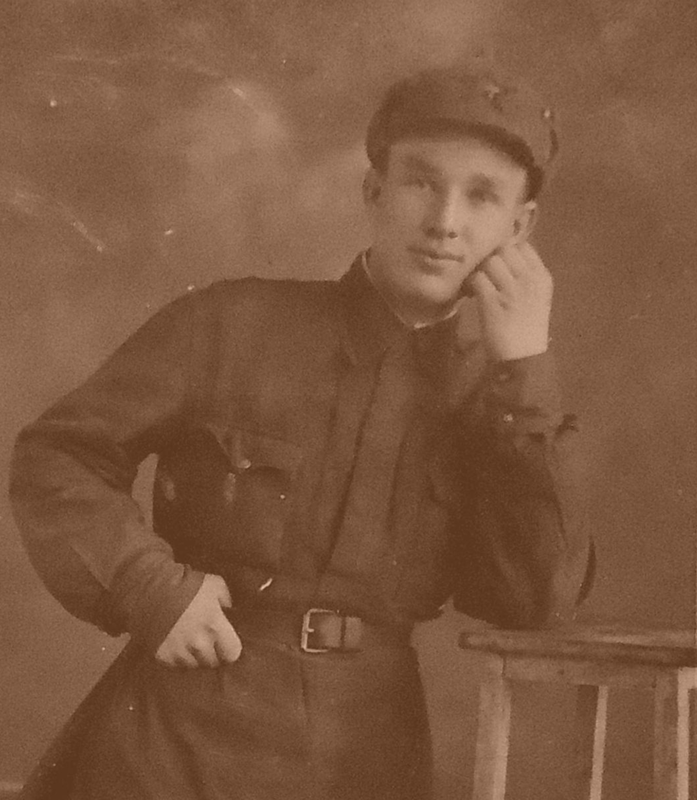
Efimov Gleb Fedorovich
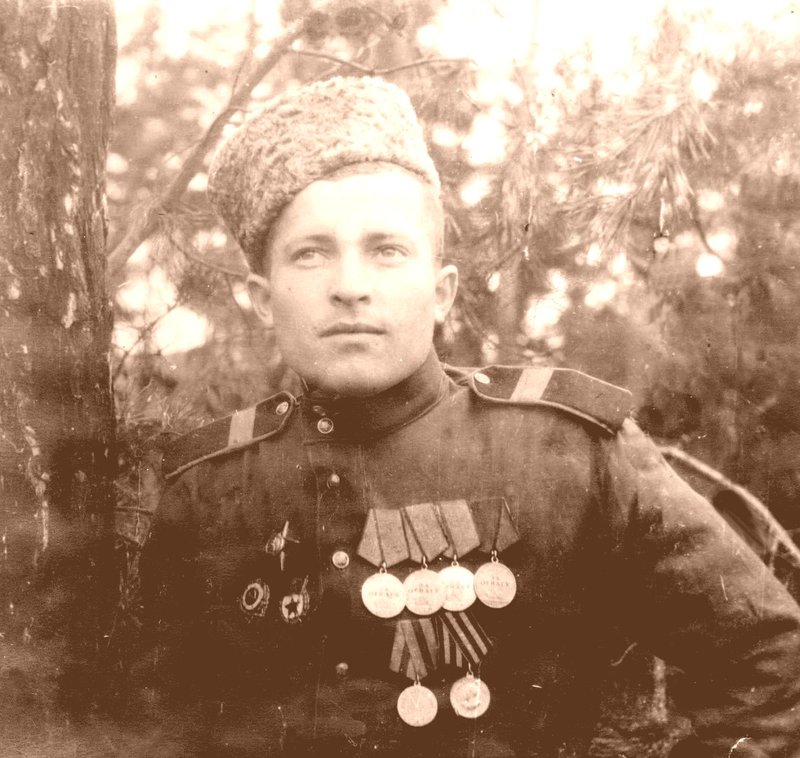
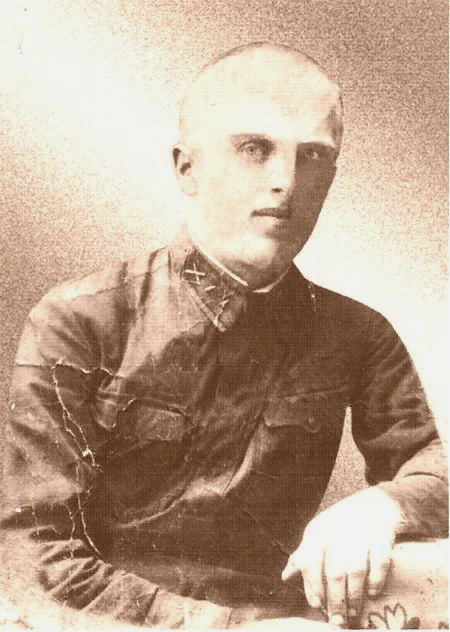
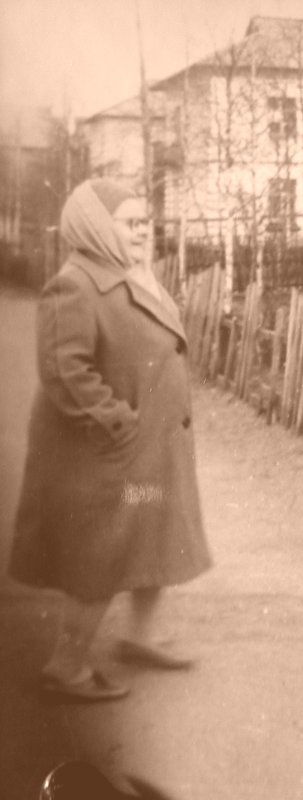
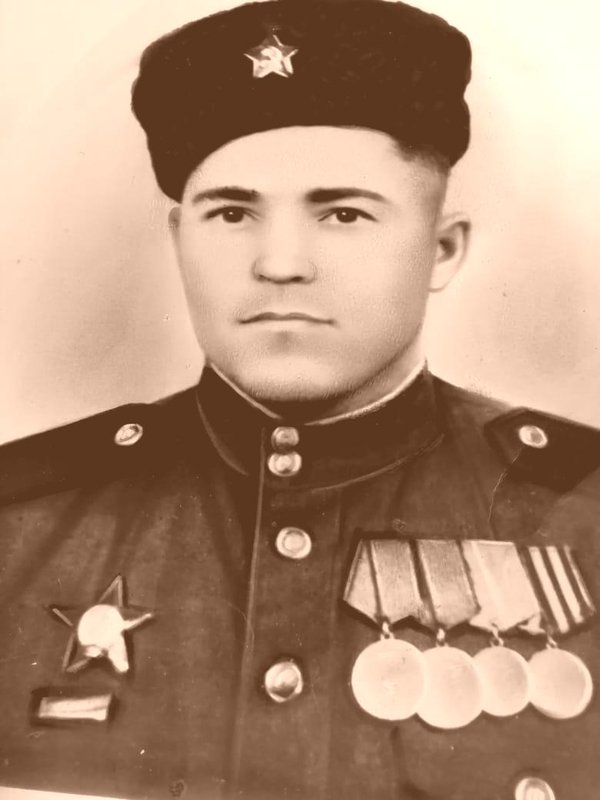
Efimov Gleb Fedorovich was born on May 7, 1920 in Uglich. After finishing the 7th grade of a secondary school No. 1, he went to Leningrad in a military school to become a career soldier, like his uncle, Ivan Vlasyevich Efimov (a participant in the famous Brusilov Breakthrough), who was for him the ideal. But, as the son of dispossessed parents, he was not accepted, although by this time his parents had already been rehabilitated and restored to their rights. He suffered injustice hard. Back home, in 1936, he enrolled in the Uglich Pedagogical college and received a degree as a primary school teacher. There he was given not only good professional knowledge, but also learned to shoot accurately, for which he received the "Voroshilovskiy shooter" badge, and to play the violin. He sang well and loved music. On August 9, 1939, Gleb Fedorovich was sent to work as the Head of the Krasnoroshchensk elementary school in the Achinsky district of the Krasnoyarsk region. On October 8, 1940, he was called up by the Uglich district Commissariat of the Yaroslavl region to serve in the army in the 88th Artillery regiment, stationed in Proskurov (so-called the present- day of the current city of Khmelnitsky in the Carpathian region until 1954), where he took the military oath on December 5, 1940. He also served in the cavalry in the Baltic States. When the cavalrymen had to go in a box, that is, on a march, they put wooden shields on their feet so that the tightly moving horses would not crush their legs. From May to November 1941, he was a cadet at the 1st Kiev Artillery schoo. In 1941, he was awarded the rank of Lieutenant. Then they were quickly retrained. And he got into the landing unit. They were being prepared to be dropped off at the rear of the enemy. From January 1941 to January 1942, Yefimov Gleb Fedorovich was the Commander of the mortar platoon of the 22nd Airborne Brigade of the 9th Airborne Corps, located in the ASSR of the Germans of the Volga Region (Central Front). He had to train new recruits in military matters. On January 16, 1942, while training young soldiers, he was wounded and concussed by a grenade that exploded almost in his hand. His right hand was torn off, and a mass of shrapnel hit the right side of his head and torso, up to his hip. His face was burned. Many soldiers at the front received the same injury. The fact is that grenades sometimes turned out to be of poor quality, as the military factories were infiltrated with saboteurs, which managed to produce deliberately defective products. Such grenades could have been produced by dysfunctional teenagers, who had replaced fathers in the factories. For treatment, he was sent to a hospital in Kirzhach, Ivanovo region, where he stayed until February 1942. After returning from the hospital as a disabled person of the 2nd group, grievously experiencing his injury, he tried not to tell his family about the war. He was very sad that he did not have time to fight the Nazis in open combat. Gleb Fyodorovich devoted his entire life to educating the younger generation. He worked in the accounting sector of the Uglich Komsomol city Committee, as a Head teacher in orphanages in the Yaroslavl region. After graduating from the historical-philological faculty of the Yaroslavl State pedagogical Institute (YSPI), he taught history in urban schools in Uglich, 5 years as Director of secondary school No. 3 as well as he was the Head of Education Department and the Director of High school № 5 within 6 years. For participation in the Great Patriotic war, he was awarded the Order of the Patriotic War 2nd Class, the medal "For the Victory over Germany" and subsequent commemorative medals. He died in 1985.
Efimov Gleb Fedorovich
Efimov Gleb Fedorovich was born on May 7, 1920 in Uglich. After finishing the 7th grade of a secondary school No. 1, he went to Leningrad in a military school to become a career soldier, like his uncle, Ivan Vlasyevich Efimov (a participant in the famous Brusilov Breakthrough), who was for him the ideal. But, as the son of dispossessed parents, he was not accepted, although by this time his parents had already been rehabilitated and restored to their rights. He suffered injustice hard. Back home, in 1936, he enrolled in the Uglich Pedagogical college and received a degree as a primary school teacher. There he was given not only good professional knowledge, but also learned to shoot accurately, for which he received the "Voroshilovskiy shooter" badge, and to play the violin. He sang well and loved music. On August 9, 1939, Gleb Fedorovich was sent to work as the Head of the Krasnoroshchensk elementary school in the Achinsky district of the Krasnoyarsk region. On October 8, 1940, he was called up by the Uglich district Commissariat of the Yaroslavl region to serve in the army in the 88th Artillery regiment, stationed in Proskurov (so-called the present- day of the current city of Khmelnitsky in the Carpathian region until 1954), where he took the military oath on December 5, 1940. He also served in the cavalry in the Baltic States. When the cavalrymen had to go in a box, that is, on a march, they put wooden shields on their feet so that the tightly moving horses would not crush their legs. From May to November 1941, he was a cadet at the 1st Kiev Artillery schoo. In 1941, he was awarded the rank of Lieutenant. Then they were quickly retrained. And he got into the landing unit. They were being prepared to be dropped off at the rear of the enemy. From January 1941 to January 1942, Yefimov Gleb Fedorovich was the Commander of the mortar platoon of the 22nd Airborne Brigade of the 9th Airborne Corps, located in the ASSR of the Germans of the Volga Region (Central Front). He had to train new recruits in military matters. On January 16, 1942, while training young soldiers, he was wounded and concussed by a grenade that exploded almost in his hand. His right hand was torn off, and a mass of shrapnel hit the right side of his head and torso, up to his hip. His face was burned. Many soldiers at the front received the same injury. The fact is that grenades sometimes turned out to be of poor quality, as the military factories were infiltrated with saboteurs, which managed to produce deliberately defective products. Such grenades could have been produced by dysfunctional teenagers, who had replaced fathers in the factories. For treatment, he was sent to a hospital in Kirzhach, Ivanovo region, where he stayed until February 1942. After returning from the hospital as a disabled person of the 2nd group, grievously experiencing his injury, he tried not to tell his family about the war. He was very sad that he did not have time to fight the Nazis in open combat. Gleb Fyodorovich devoted his entire life to educating the younger generation. He worked in the accounting sector of the Uglich Komsomol city Committee, as a Head teacher in orphanages in the Yaroslavl region. After graduating from the historical-philological faculty of the Yaroslavl State pedagogical Institute (YSPI), he taught history in urban schools in Uglich, 5 years as Director of secondary school No. 3 as well as he was the Head of Education Department and the Director of High school № 5 within 6 years. For participation in the Great Patriotic war, he was awarded the Order of the Patriotic War 2nd Class, the medal "For the Victory over Germany" and subsequent commemorative medals. He died in 1985.
0 comment



2026 © Russian Military Historical Society Developed by Jetmix