



Kryuchkov Sergei Konstantinovich
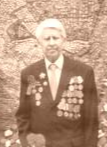
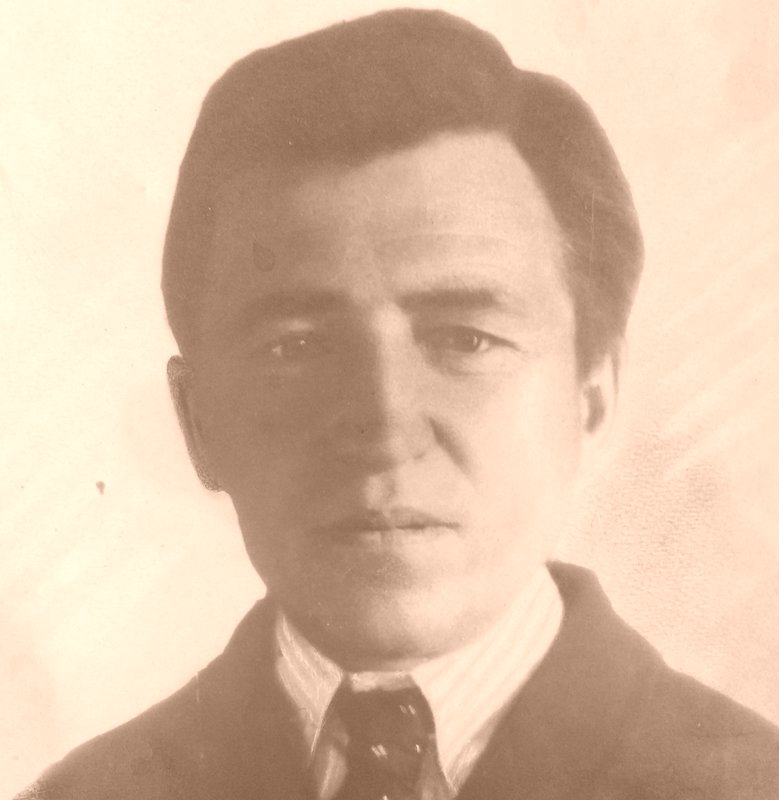
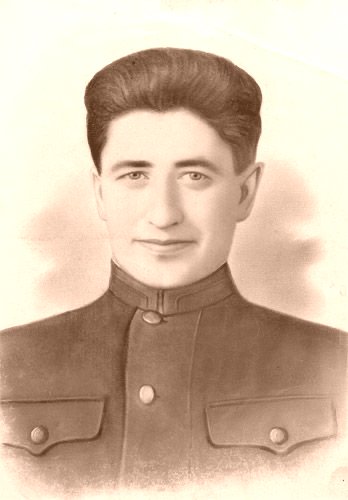
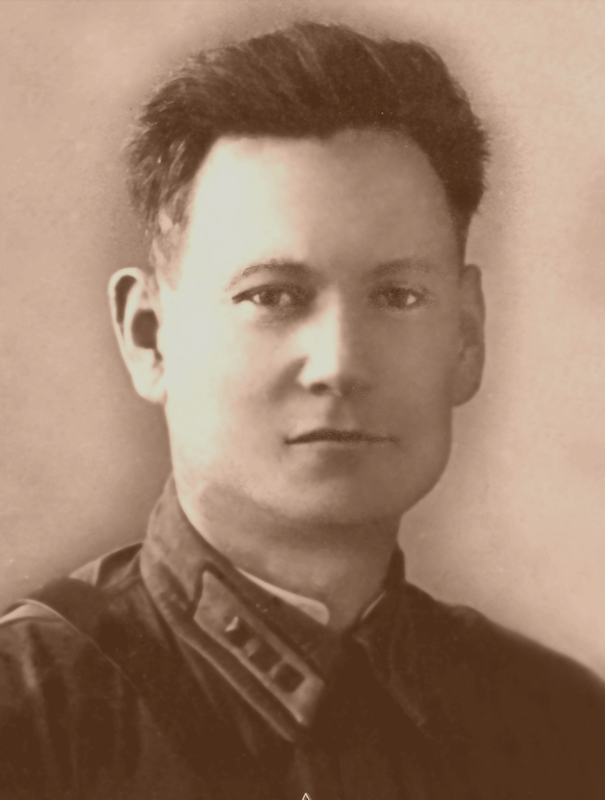
Subdivision: 55th Armored Division. My Grandfather, Kryuchkov Sergey Konstantinovich - a native of the village of Ermolovo (later merged with Ispolinovo and named Prokudino), Odoevsky district of the Tula region, entered the Moscow Dzerzhinsky Locomotive College in 1936 as a sixteen-year-old boy. He caused a stir among young people about the need to reinforce the army with regular military personnel and entered the Sevastopol Anti-Aircraft Artillery School with the "Chkalovsky Conscription", which he completed in 1939. In his memoirs he wrote: "At school we did many useful sports, hardened ourselves physically and mentally. Later, during the Great Patriotic War, the command and teaching staff led regiments and formations". After two years of service in the 132nd Rifle Division in Zaporizhia, Sergei Konstantinovich was transferred in May 1941 to the newly formed Panzer Division as a deputy commander of the 55th separate anti-aircraft artillery division. However, since the commander did not arrive at the unit's location, S. K. Kryuchkov was entrusted with the performance of his duties. With this military unit he was sent to the front. Front-line path. Their division under the command of the head of the Poltava tank school, General Badanov, was moved in different directions during the fighting, where a threatening situation arose. The soldiers fought with the enemies selflessly, not sparing their lives. As a result, the exhausted division was withdrawn until autumn 1941 for the new formation. Both the participants in the events and historians noted that the first period of the war was the most difficult, both at the front and in the hinterland. Then officer Kryuchkov, together with his soldiers, received the baptism of fire in battles on the South-Western Front, when Tula, Orel and Bryansk regions were liberated from the invaders. In June 1943, Sergei Kryuchkov, by that time appointed chief of staff of the 1284 separate anti-aircraft artillery regiment, took part in the Battle of Kursk. Life has repeatedly put our compatriot to the test. In June 1944 he needed the skills of an organizer when he formed a special regiment at the station Pavshino of the Moscow railway. Then there was the 2nd Baltic Front and participation in the liquidation of the Kurland group of Germans. Sergei Konstantinovich had no chance to free the people of Europe from the invasion but in the Far East he had to fight with the Kwantung Army of Japan. Military awards show the courage and fame of this man whose youth was spent on the battlefields and survived the ordeal of incredible difficulties. "I returned to my homeland..." The strains of the war years, injuries and bruises forced him to be demobilized and return to his homeland in September 1946. In January 1947, S. K. Kryuchkov was recruited by the Dubensky district party committee. But he did not work there for long. The reason was banal: since there was no free public housing fund in the village at that time, the Kryuchkov family started building a private house, which required both personal presence at the construction site and the use of manpower. Then Sergei Konstantinovich went to work at the Dubensky iron foundry, where he worked with two short breaks before retirement. Old-timers remember that in 1972 Sergei Konstantinovich headed the Dubenskoe District, and in 1983 he was sent by the District Party Committee to establish the activities of the inter-collective farm construction organization. As an international lecturer, Sergey Kryuchkov always spoke to the public and working collectives about the responsibility of the present generation towards the living and the dead. The veteran considered the patriotic education of young people as a task of utmost importance, sparing neither time nor energy for this noble cause.
Kryuchkov Sergei Konstantinovich
Subdivision: 55th Armored Division. My Grandfather, Kryuchkov Sergey Konstantinovich - a native of the village of Ermolovo (later merged with Ispolinovo and named Prokudino), Odoevsky district of the Tula region, entered the Moscow Dzerzhinsky Locomotive College in 1936 as a sixteen-year-old boy. He caused a stir among young people about the need to reinforce the army with regular military personnel and entered the Sevastopol Anti-Aircraft Artillery School with the "Chkalovsky Conscription", which he completed in 1939. In his memoirs he wrote: "At school we did many useful sports, hardened ourselves physically and mentally. Later, during the Great Patriotic War, the command and teaching staff led regiments and formations". After two years of service in the 132nd Rifle Division in Zaporizhia, Sergei Konstantinovich was transferred in May 1941 to the newly formed Panzer Division as a deputy commander of the 55th separate anti-aircraft artillery division. However, since the commander did not arrive at the unit's location, S. K. Kryuchkov was entrusted with the performance of his duties. With this military unit he was sent to the front. Front-line path. Their division under the command of the head of the Poltava tank school, General Badanov, was moved in different directions during the fighting, where a threatening situation arose. The soldiers fought with the enemies selflessly, not sparing their lives. As a result, the exhausted division was withdrawn until autumn 1941 for the new formation. Both the participants in the events and historians noted that the first period of the war was the most difficult, both at the front and in the hinterland. Then officer Kryuchkov, together with his soldiers, received the baptism of fire in battles on the South-Western Front, when Tula, Orel and Bryansk regions were liberated from the invaders. In June 1943, Sergei Kryuchkov, by that time appointed chief of staff of the 1284 separate anti-aircraft artillery regiment, took part in the Battle of Kursk. Life has repeatedly put our compatriot to the test. In June 1944 he needed the skills of an organizer when he formed a special regiment at the station Pavshino of the Moscow railway. Then there was the 2nd Baltic Front and participation in the liquidation of the Kurland group of Germans. Sergei Konstantinovich had no chance to free the people of Europe from the invasion but in the Far East he had to fight with the Kwantung Army of Japan. Military awards show the courage and fame of this man whose youth was spent on the battlefields and survived the ordeal of incredible difficulties. "I returned to my homeland..." The strains of the war years, injuries and bruises forced him to be demobilized and return to his homeland in September 1946. In January 1947, S. K. Kryuchkov was recruited by the Dubensky district party committee. But he did not work there for long. The reason was banal: since there was no free public housing fund in the village at that time, the Kryuchkov family started building a private house, which required both personal presence at the construction site and the use of manpower. Then Sergei Konstantinovich went to work at the Dubensky iron foundry, where he worked with two short breaks before retirement. Old-timers remember that in 1972 Sergei Konstantinovich headed the Dubenskoe District, and in 1983 he was sent by the District Party Committee to establish the activities of the inter-collective farm construction organization. As an international lecturer, Sergey Kryuchkov always spoke to the public and working collectives about the responsibility of the present generation towards the living and the dead. The veteran considered the patriotic education of young people as a task of utmost importance, sparing neither time nor energy for this noble cause.
0 comment




2026 © Russian Military Historical Society Developed by Jetmix