



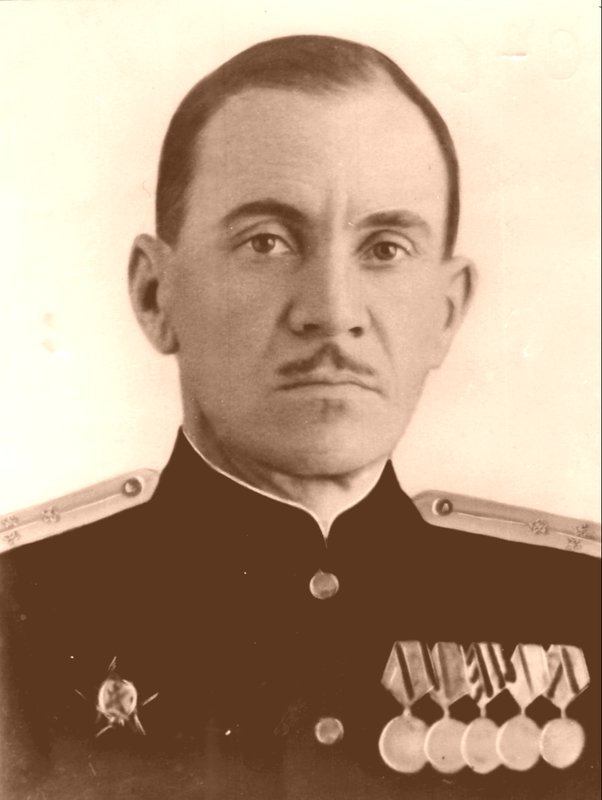
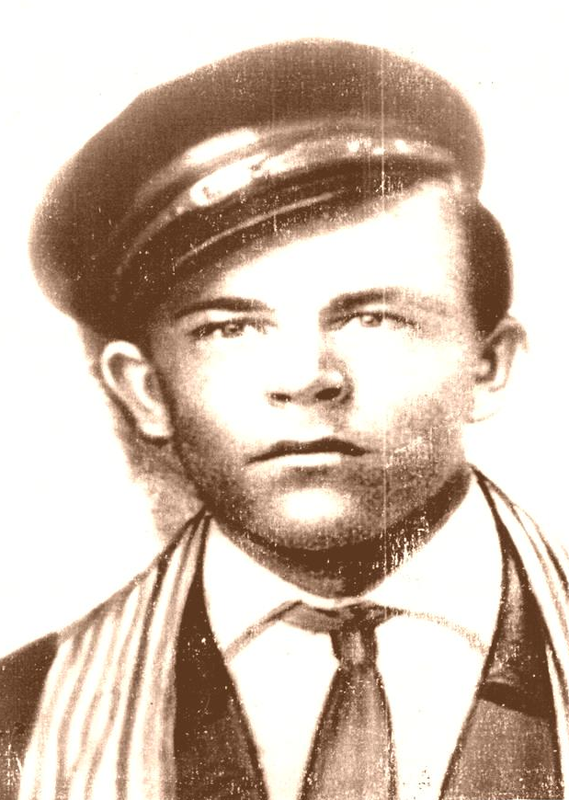
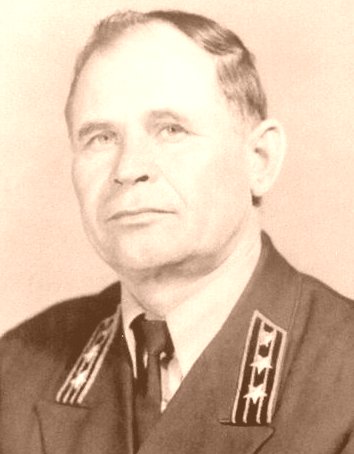
Kovalenko Leonard Fyodorovich
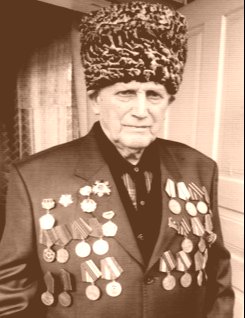
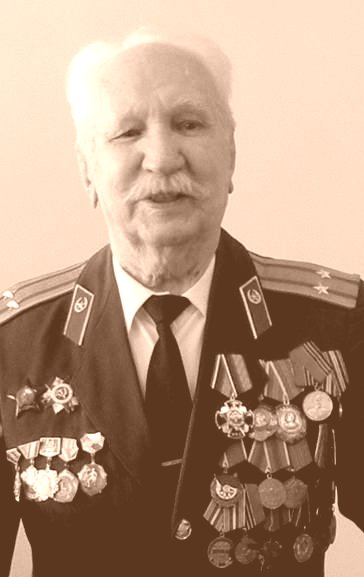
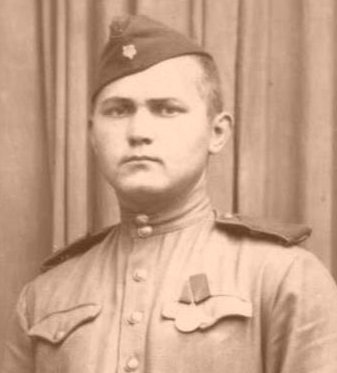
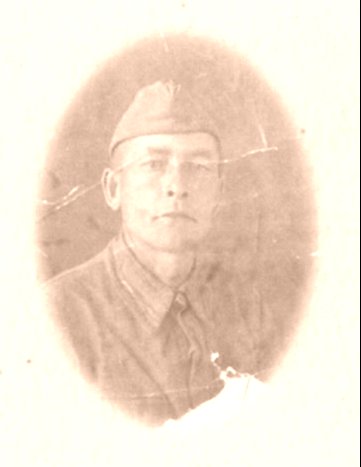
""Leonard Fyodorovich Kovalenko was born in 1924 in the village of Travino, Komyzyak District, Astrakhan Region. Kovalenko Leonard Fyodorovich is an Advisor to Justice Ussurian transport prosecutor in retirement, a member of the Great Patriotic War, fought his way to victory through the Manchurian hills. On January 23, 2015 Leonard Fedorovich turned 90. Kovalenko was conscripted into the army at the age of 17, he began his military service at Blagoveshchensk, on the border of the Amur region. During the war with Japan, he participated in the liberation of the territories occupied by Japanese militarists as part of the troops under the command of General Grechko. He was awarded the Medal ""For the Victory over Japan"". From the memoirs of Leonard Fyodorovich..... ""When the war broke out, I was in the 9th grade of the 27th Vladivostok secondary school at Cape Churkin. There were special clubs in the schools, where we studied, trained and passed the norms of physical and military training for BRWD badges: ""be ready for work and defense"" and RWD - ""ready for work and defense"". There were norms for receiving the badge ""Voroshilovsky shooter"" and others. At the conscription offices we underwent mandatory pre-conscription training and were able to shoot, dig trenches, use a bayonet, walk in formation. In general, we already had all the necessary soldier skills. In the morning of June 22, moving across the bay 'Zolotoy Rog' to Churkin, I heard that a war had begun. That day everybody heard on the radio the speech of V. M. Molotov, the chairman of S. N. K. of the USSR who condemned aggression of Germany. At the end of his speech, he said: ""Our cause is just, the enemy will be defeated, the victory will be ours!
The war did not scare the Soviet people. There were crowds of people near the conscription offices who wanted to go to the front as volunteers. By that time I had received a notice from Ulyanovsk Tank College and left for it in the summer of 1942. On the way, especially in Ufa, I felt the breath of war. The stations and station squares were full of families evacuated from the areas captured by the enemy. The period of the war in 1942 was critical. Specially created barricade detachments roughly stopped the cases of panic escape from Moscow of responsible persons. And in Vladivostok one could find inscriptions: ""Panicists for trial! The call ""Everything for the front, everything for the victory over the enemy"" affected everyone patriotically. Men who went to the front were replaced by their wives, and women - by children. All high school students of our school worked at the enterprises in their free time and in summer. I worked with my comrades at the varnish-and-can factory that was near the school; now there is a radio factory. In autumn 1942 I went to school, to the 10th grade, and in December I was drafted, although I was not even 18 then. That's how my soldier service began - first near Blagoveshchensk, then at the border in Amur Oblast, Khabarovsk Krai, in Manchuria, on the Kuril Islands during the war with Japan and on Kamchatka. The first years (1942-1944) the soldier's life was hard, especially in the sniper school near Blagoveshchensk. Feeding was according to the third norm which was a hungry norm. At firearm trainings we warmed ourselves by the fire and burnt our shoes, they didn’t last a year, but we were not given another pair. In summer and autumn, 5-10 people marched barefoot in the company. In winter, the baths were cold, ice on the corners, clean underwear on the frost was not able to dry out, it was like a stake, we got dressed, and it dired out on the body. Only before the war with Japan in 1945, they began to feed us according to the ninth norm, it was a full norm. When on August 9, 1945 we declared war on Japan, we had already landed on the shore of the Chinese river Sungari, a tributary of the Amur, near the city of Tunisian. Our part began to move along the Sungari River in the direction of Harbin, capturing the city of Fujin, Tsiamusa, etc. with fighting. The Japanese attached great importance to suicide bombers. I had to see their suicide bombers who were destroying our tanks. The explosive device was attached to their back, when he threw himself under the tank, it exploded. But the Kwantung Army could not stand against our “Katyusha”, tanks and other equipment; it hurriedly retreated, not even having time to pick up the killed. It was terrible heat, but there was nowhere to get water, and there were corpses of Japanese soldiers everywhere. In Chinese villages, wooden dishes with clean drinking water stood in rows on the streets. But we were forbidden to take water from them; there were cases of poisoning. I did not get to Harbin, because our part was turned back and transferred from Vanino port to the Kuril Islands. Under cover of the night, we landed on the closest island to Kamchatka cape, where there was a Japanese garrison. But it surrendered after a short battle, because our ship supported us with fire from the sea. I still keep a photo of General Grechko, who commanded the capture of the Kuril Islands, for which he was awarded the title Hero of the Soviet Union. We were all awarded medals ""For the victory over Japan"". In such a way ended for me a long, sometimes cold, sometimes hungry, cruel, but victorious Great Patriotic War. In the soldier's everyday life in Kamchatka, my service was held until June 1950. We were not demobilized, because the Americans had a plan to take away our Kuriles. I was demobilized as a senior sergeant in the position of an intelligence officer. I graduated from law school in Khabarovsk and began working in Vladivostok as an investigator and assistant prosecutor in Voroshilovsky (Pervomaisky) district. Since 1956 - the prosecutor, first in Vladivostok-selsky (Nadezhdinsky) district, and then - Anuchinsky, Yakovlevsky, Krasnoarmeysky district. In 1974, I began working in Ussuriysk as deputy city prosecutor, and for the last 10 years – as an Ussuriysk transport prosecutor, until retirement in 1989. My whole life was in the army and the Primorsky Prosecutor's Office. And now, at the end of my life, looking back, I am happy that it has happened this way. My hands and conscience have always been clean. I have always been faithful to my oath, to the law.
"
Kovalenko Leonard Fyodorovich
""Leonard Fyodorovich Kovalenko was born in 1924 in the village of Travino, Komyzyak District, Astrakhan Region. Kovalenko Leonard Fyodorovich is an Advisor to Justice Ussurian transport prosecutor in retirement, a member of the Great Patriotic War, fought his way to victory through the Manchurian hills. On January 23, 2015 Leonard Fedorovich turned 90. Kovalenko was conscripted into the army at the age of 17, he began his military service at Blagoveshchensk, on the border of the Amur region. During the war with Japan, he participated in the liberation of the territories occupied by Japanese militarists as part of the troops under the command of General Grechko. He was awarded the Medal ""For the Victory over Japan"". From the memoirs of Leonard Fyodorovich..... ""When the war broke out, I was in the 9th grade of the 27th Vladivostok secondary school at Cape Churkin. There were special clubs in the schools, where we studied, trained and passed the norms of physical and military training for BRWD badges: ""be ready for work and defense"" and RWD - ""ready for work and defense"". There were norms for receiving the badge ""Voroshilovsky shooter"" and others. At the conscription offices we underwent mandatory pre-conscription training and were able to shoot, dig trenches, use a bayonet, walk in formation. In general, we already had all the necessary soldier skills. In the morning of June 22, moving across the bay 'Zolotoy Rog' to Churkin, I heard that a war had begun. That day everybody heard on the radio the speech of V. M. Molotov, the chairman of S. N. K. of the USSR who condemned aggression of Germany. At the end of his speech, he said: ""Our cause is just, the enemy will be defeated, the victory will be ours!
The war did not scare the Soviet people. There were crowds of people near the conscription offices who wanted to go to the front as volunteers. By that time I had received a notice from Ulyanovsk Tank College and left for it in the summer of 1942. On the way, especially in Ufa, I felt the breath of war. The stations and station squares were full of families evacuated from the areas captured by the enemy. The period of the war in 1942 was critical. Specially created barricade detachments roughly stopped the cases of panic escape from Moscow of responsible persons. And in Vladivostok one could find inscriptions: ""Panicists for trial! The call ""Everything for the front, everything for the victory over the enemy"" affected everyone patriotically. Men who went to the front were replaced by their wives, and women - by children. All high school students of our school worked at the enterprises in their free time and in summer. I worked with my comrades at the varnish-and-can factory that was near the school; now there is a radio factory. In autumn 1942 I went to school, to the 10th grade, and in December I was drafted, although I was not even 18 then. That's how my soldier service began - first near Blagoveshchensk, then at the border in Amur Oblast, Khabarovsk Krai, in Manchuria, on the Kuril Islands during the war with Japan and on Kamchatka. The first years (1942-1944) the soldier's life was hard, especially in the sniper school near Blagoveshchensk. Feeding was according to the third norm which was a hungry norm. At firearm trainings we warmed ourselves by the fire and burnt our shoes, they didn’t last a year, but we were not given another pair. In summer and autumn, 5-10 people marched barefoot in the company. In winter, the baths were cold, ice on the corners, clean underwear on the frost was not able to dry out, it was like a stake, we got dressed, and it dired out on the body. Only before the war with Japan in 1945, they began to feed us according to the ninth norm, it was a full norm. When on August 9, 1945 we declared war on Japan, we had already landed on the shore of the Chinese river Sungari, a tributary of the Amur, near the city of Tunisian. Our part began to move along the Sungari River in the direction of Harbin, capturing the city of Fujin, Tsiamusa, etc. with fighting. The Japanese attached great importance to suicide bombers. I had to see their suicide bombers who were destroying our tanks. The explosive device was attached to their back, when he threw himself under the tank, it exploded. But the Kwantung Army could not stand against our “Katyusha”, tanks and other equipment; it hurriedly retreated, not even having time to pick up the killed. It was terrible heat, but there was nowhere to get water, and there were corpses of Japanese soldiers everywhere. In Chinese villages, wooden dishes with clean drinking water stood in rows on the streets. But we were forbidden to take water from them; there were cases of poisoning. I did not get to Harbin, because our part was turned back and transferred from Vanino port to the Kuril Islands. Under cover of the night, we landed on the closest island to Kamchatka cape, where there was a Japanese garrison. But it surrendered after a short battle, because our ship supported us with fire from the sea. I still keep a photo of General Grechko, who commanded the capture of the Kuril Islands, for which he was awarded the title Hero of the Soviet Union. We were all awarded medals ""For the victory over Japan"". In such a way ended for me a long, sometimes cold, sometimes hungry, cruel, but victorious Great Patriotic War. In the soldier's everyday life in Kamchatka, my service was held until June 1950. We were not demobilized, because the Americans had a plan to take away our Kuriles. I was demobilized as a senior sergeant in the position of an intelligence officer. I graduated from law school in Khabarovsk and began working in Vladivostok as an investigator and assistant prosecutor in Voroshilovsky (Pervomaisky) district. Since 1956 - the prosecutor, first in Vladivostok-selsky (Nadezhdinsky) district, and then - Anuchinsky, Yakovlevsky, Krasnoarmeysky district. In 1974, I began working in Ussuriysk as deputy city prosecutor, and for the last 10 years – as an Ussuriysk transport prosecutor, until retirement in 1989. My whole life was in the army and the Primorsky Prosecutor's Office. And now, at the end of my life, looking back, I am happy that it has happened this way. My hands and conscience have always been clean. I have always been faithful to my oath, to the law.
"
0 comment




2026 © Russian Military Historical Society Developed by Jetmix