


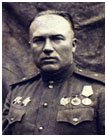


Bekuzarov Dzambolat Dzahhotovich
Grade title: a senior sergeant. Branch of service: ground forces, air force (except for naval aviation), the coast guard, troops of the People's Commissariat of Internal Affaires, border guards. Bekuzarov Dzambolat Zakharovich was born on the 25th October, 1920, in the village of Costa of the Alagir region of the North Ossetian ASSR in the family of farmer Zakhhot Bekuzarov and Adoshka Tsogoeva. Subsequently, the family moved to the village of Krasnogor in the Ardon region. Dzambolat was the eldest of the children, in addition to him there three sisters grew up in the family: Maria, Lisa and Tamara. Zakhhot left early from the life and Adoshka had to raise children all alone. She worked in a collective farm as a head of a poultry farm and was a deputy of the village council. Dzambolat graduated from seven-year school in Krasnogorsk, then studied in the village of Nikolaevskaya; he drew well, wrote poems and short stories but did not finish school for he had to help his mother. He was not even fourteen years old when his notes, fairy tales and illustrations were published in the children's magazine "Nogdzau" (a pioneer). Writer Dabe Mamsurov and artist Vladimir Lermontov provided assistance in his young creative life. When the war began Dzambolat was doing his service in the Soviet Army as a cadet at the Grozny military infantry school. As part of the school he was transferred to the front. In December 1941 he took the military oath at the 26th Western rifle brigade and was promoted to the rank of a senior sergeant. In August 1942 in one of the battles of the battle of Stalingrad he was wounded in the leg and after treatment in the hospital he continued his service. In November 1942 he was appointed an assistant commander of the rifle platoon of the 34th rifle training regiment. Then he was appointed commander of an intelligence department of the 357th separate troop of the intelligence forces where he served until November 1945. After the end of the Great Patriotic War Dzambolat received a referral to study at the Leningrad Repin Academy of arts but he had to return home to help his mother - after all, he was the only man in the family. He returned home with his wife Ekaterina, they lived together for a short time but they had a son Vladimir who now lives in Krasnoyarsk has three children: Natalia – a candidate of pedagogical sciences, an associate professor, Sergey and Ekaterina, there are also two grandchildren - Nikita and Nika. Since December 1947 Dzambolat began his career in the newspaper "Rastdzinad" ("Pravda"). At the same time he studied at the evening school of working youth not leaving the dream of higher education and in 1961 Dzambolat graduated from the North Ossetian Agricultural Institute and was qualified as an agronomist, but his life was forever connected with journalism. Then he worked in the Republican Newspapers "Rastdzinad" and "Socialist Ossetia " (today - "North Ossetia"), he was at the origins of the North Ossetian radio and television, actively participated in the public life of the collective and the Republic and in this connection he was awarded the order of "Badge of Honor", the medal "For valiant labor", was repeatedly awarded certificates and commendations, was a member of the Communist party of the Soviet Union and after retirement he worked as a senior editor of the editorial office of agriculture of television and radio, his reports raised topical issues of agriculture, they were both in Russian and in Ossetian at a highly professional level. Dzambolat has always been an example for his younger colleagues and passed on his vast experience to the younger generation of journalists. In ordinary life Dzambolat was an avid hunter, a fishman and a beekeeper, he was fond of photography, was a well-read and erudite person, an interesting conversationalist, he also did not let go of his love for art: he had a huge library of books about painting, artists and drew a lot himself, knew the Nart epic well, honored the customs and traditions of the Ossetian people and instilled the same love and respect for the history of Ossetians in his younger ones. With his wife, Salamova Valentina Nikolaevna, they raised a daughter, Madina, of whom he was very proud. Madina has three children: Irina, Artur and Marat. Unfortunately, they did not recognize their grandfather, but they know about him from the stories of their grandmother Valia, who was a teacher of English and Ossetian languages. In 1997 she was awarded the honorary title of "Honored teacher of the Republic of North Ossetia-Alania”. For bravery, fortitude and courage shown in the fight against the Nazi invaders, Dzambolat was awarded: the order of “Patriotic War” of the first degree, the order of “Glory” of the third degree, the medal “For the Victory over Germany", commemorative medals in honor of the Victory in the Great Patriotic War. Dzambolat died in 1995. After himself he left a huge mark and a bright memory.
Bekuzarov Dzambolat Dzahhotovich
Grade title: a senior sergeant. Branch of service: ground forces, air force (except for naval aviation), the coast guard, troops of the People's Commissariat of Internal Affaires, border guards. Bekuzarov Dzambolat Zakharovich was born on the 25th October, 1920, in the village of Costa of the Alagir region of the North Ossetian ASSR in the family of farmer Zakhhot Bekuzarov and Adoshka Tsogoeva. Subsequently, the family moved to the village of Krasnogor in the Ardon region. Dzambolat was the eldest of the children, in addition to him there three sisters grew up in the family: Maria, Lisa and Tamara. Zakhhot left early from the life and Adoshka had to raise children all alone. She worked in a collective farm as a head of a poultry farm and was a deputy of the village council. Dzambolat graduated from seven-year school in Krasnogorsk, then studied in the village of Nikolaevskaya; he drew well, wrote poems and short stories but did not finish school for he had to help his mother. He was not even fourteen years old when his notes, fairy tales and illustrations were published in the children's magazine "Nogdzau" (a pioneer). Writer Dabe Mamsurov and artist Vladimir Lermontov provided assistance in his young creative life. When the war began Dzambolat was doing his service in the Soviet Army as a cadet at the Grozny military infantry school. As part of the school he was transferred to the front. In December 1941 he took the military oath at the 26th Western rifle brigade and was promoted to the rank of a senior sergeant. In August 1942 in one of the battles of the battle of Stalingrad he was wounded in the leg and after treatment in the hospital he continued his service. In November 1942 he was appointed an assistant commander of the rifle platoon of the 34th rifle training regiment. Then he was appointed commander of an intelligence department of the 357th separate troop of the intelligence forces where he served until November 1945. After the end of the Great Patriotic War Dzambolat received a referral to study at the Leningrad Repin Academy of arts but he had to return home to help his mother - after all, he was the only man in the family. He returned home with his wife Ekaterina, they lived together for a short time but they had a son Vladimir who now lives in Krasnoyarsk has three children: Natalia – a candidate of pedagogical sciences, an associate professor, Sergey and Ekaterina, there are also two grandchildren - Nikita and Nika. Since December 1947 Dzambolat began his career in the newspaper "Rastdzinad" ("Pravda"). At the same time he studied at the evening school of working youth not leaving the dream of higher education and in 1961 Dzambolat graduated from the North Ossetian Agricultural Institute and was qualified as an agronomist, but his life was forever connected with journalism. Then he worked in the Republican Newspapers "Rastdzinad" and "Socialist Ossetia " (today - "North Ossetia"), he was at the origins of the North Ossetian radio and television, actively participated in the public life of the collective and the Republic and in this connection he was awarded the order of "Badge of Honor", the medal "For valiant labor", was repeatedly awarded certificates and commendations, was a member of the Communist party of the Soviet Union and after retirement he worked as a senior editor of the editorial office of agriculture of television and radio, his reports raised topical issues of agriculture, they were both in Russian and in Ossetian at a highly professional level. Dzambolat has always been an example for his younger colleagues and passed on his vast experience to the younger generation of journalists. In ordinary life Dzambolat was an avid hunter, a fishman and a beekeeper, he was fond of photography, was a well-read and erudite person, an interesting conversationalist, he also did not let go of his love for art: he had a huge library of books about painting, artists and drew a lot himself, knew the Nart epic well, honored the customs and traditions of the Ossetian people and instilled the same love and respect for the history of Ossetians in his younger ones. With his wife, Salamova Valentina Nikolaevna, they raised a daughter, Madina, of whom he was very proud. Madina has three children: Irina, Artur and Marat. Unfortunately, they did not recognize their grandfather, but they know about him from the stories of their grandmother Valia, who was a teacher of English and Ossetian languages. In 1997 she was awarded the honorary title of "Honored teacher of the Republic of North Ossetia-Alania”. For bravery, fortitude and courage shown in the fight against the Nazi invaders, Dzambolat was awarded: the order of “Patriotic War” of the first degree, the order of “Glory” of the third degree, the medal “For the Victory over Germany", commemorative medals in honor of the Victory in the Great Patriotic War. Dzambolat died in 1995. After himself he left a huge mark and a bright memory.
0 comment



2026 © Russian Military Historical Society Developed by Jetmix