
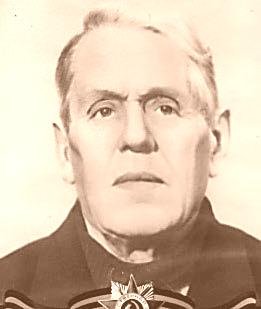


Musa Baimukhanov Baymuhanovich
Rank: Second Lieutenant. Branch of service: army, air force (except marine aviation), the coast guard, the troops of the NKVD border troops. Division: 120th rifle Gatchina red banner division. Musa baymukhanov was born in 1910 in the Menatep district of the Guryev region in the family of an oil worker. Kazakh. At the age of 15, he started working as an apprentice and then as a drilling worker in the Dossor field. From 1928 to 1931, M. Baimukhanov studied at the faculty of labor at the Alma-ATA mining and metallurgical Institute. Since 1932, he is back on Dossor. He was drafted into the army in June 1941 and sent to a military school. After his graduation, second Lieutenant M. B. Baimukhanov was sent as the commander of a rifle platoon of the 538th rifle regiment of the 120th rifle Gatchina red banner division to the Leningrad front. The battle path of the glorious son of the Kazakh people Musa Baimukhanov began at the walls of Leningrad, and ended in Germany. The peak of the Communist Baimukhanov's military glory is his feat during the crossing of the Oder. At the beginning of January 1945, Soviet troops, having liberated Poland, entered the territory of Germany with battles. Oder. The Germans fortified its banks, tightened reserves, set up countless pillboxes, bunkers, set up wire fences, minefields in the hope of stopping the mighty avalanche of Soviet troops. But the attempts of the fascists were in vain. Units of the 120th Gatchina red banner rifle division overcame enemy obstacles relatively easily and quickly crossed the Oder. Junior Lieutenant Musa baymukhanov was one of the first to skillfully organize the crossing of his guard soldiers. On thin ice, under heavy enemy artillery fire, without losses, his platoon crossed to the left Bank of the river, threw grenades at the bunker, destroying an easel machine gun and three Hitlerites. With their successful actions, baymukhanov's soldiers contributed to the rapid passage of our other units across the Oder river. To hold the bridgehead, Baimukhanov and his platoon engaged in a bayonet battle with the Nazis and emerged victorious, bayoneting several Krauts. During the attack on the locality of Oderfeld, baymukhanov's platoon was the first to break into it and began to liberate one house after another from the enemy. Despite the fierce resistance and repeated counterattacks of the Nazis, baymukhanov's platoon continued to clear the village. M. baymukhanov, being ahead of his fighters, carried them away to combat exploits. Only in this battle, the platoon destroyed 25 Hitlerite soldiers and officers, and baymukhanov personally destroyed 9 fascists. For his bravery and heroism in the battles during the crossing of the Oder in January 1945, the command of the unit presented Musa baymukhanov to the highest award-the title of Hero of the Soviet Union. But the Soviet hero did not have time to receive the award. The Communist Musa Baimukhanov died a brave death on March 18, 1945 and was buried near Biala (Poland). By decree of the Presidium of the Supreme Soviet of the USSR on April 10, 1945, Baimukhanov Musa was awarded the title Hero of the Soviet Union for his courage in crossing the Oder. In the village of Makat, Atyrau region, in the homeland of the hero, a bust of M. baymukhanov is installed.
Musa Baimukhanov Baymuhanovich
Rank: Second Lieutenant. Branch of service: army, air force (except marine aviation), the coast guard, the troops of the NKVD border troops. Division: 120th rifle Gatchina red banner division. Musa baymukhanov was born in 1910 in the Menatep district of the Guryev region in the family of an oil worker. Kazakh. At the age of 15, he started working as an apprentice and then as a drilling worker in the Dossor field. From 1928 to 1931, M. Baimukhanov studied at the faculty of labor at the Alma-ATA mining and metallurgical Institute. Since 1932, he is back on Dossor. He was drafted into the army in June 1941 and sent to a military school. After his graduation, second Lieutenant M. B. Baimukhanov was sent as the commander of a rifle platoon of the 538th rifle regiment of the 120th rifle Gatchina red banner division to the Leningrad front. The battle path of the glorious son of the Kazakh people Musa Baimukhanov began at the walls of Leningrad, and ended in Germany. The peak of the Communist Baimukhanov's military glory is his feat during the crossing of the Oder. At the beginning of January 1945, Soviet troops, having liberated Poland, entered the territory of Germany with battles. Oder. The Germans fortified its banks, tightened reserves, set up countless pillboxes, bunkers, set up wire fences, minefields in the hope of stopping the mighty avalanche of Soviet troops. But the attempts of the fascists were in vain. Units of the 120th Gatchina red banner rifle division overcame enemy obstacles relatively easily and quickly crossed the Oder. Junior Lieutenant Musa baymukhanov was one of the first to skillfully organize the crossing of his guard soldiers. On thin ice, under heavy enemy artillery fire, without losses, his platoon crossed to the left Bank of the river, threw grenades at the bunker, destroying an easel machine gun and three Hitlerites. With their successful actions, baymukhanov's soldiers contributed to the rapid passage of our other units across the Oder river. To hold the bridgehead, Baimukhanov and his platoon engaged in a bayonet battle with the Nazis and emerged victorious, bayoneting several Krauts. During the attack on the locality of Oderfeld, baymukhanov's platoon was the first to break into it and began to liberate one house after another from the enemy. Despite the fierce resistance and repeated counterattacks of the Nazis, baymukhanov's platoon continued to clear the village. M. baymukhanov, being ahead of his fighters, carried them away to combat exploits. Only in this battle, the platoon destroyed 25 Hitlerite soldiers and officers, and baymukhanov personally destroyed 9 fascists. For his bravery and heroism in the battles during the crossing of the Oder in January 1945, the command of the unit presented Musa baymukhanov to the highest award-the title of Hero of the Soviet Union. But the Soviet hero did not have time to receive the award. The Communist Musa Baimukhanov died a brave death on March 18, 1945 and was buried near Biala (Poland). By decree of the Presidium of the Supreme Soviet of the USSR on April 10, 1945, Baimukhanov Musa was awarded the title Hero of the Soviet Union for his courage in crossing the Oder. In the village of Makat, Atyrau region, in the homeland of the hero, a bust of M. baymukhanov is installed.
0 comment



2026 © Russian Military Historical Society Developed by Jetmix